DbcultAccessing Vault...
Cult Review
Senior Film Conservator
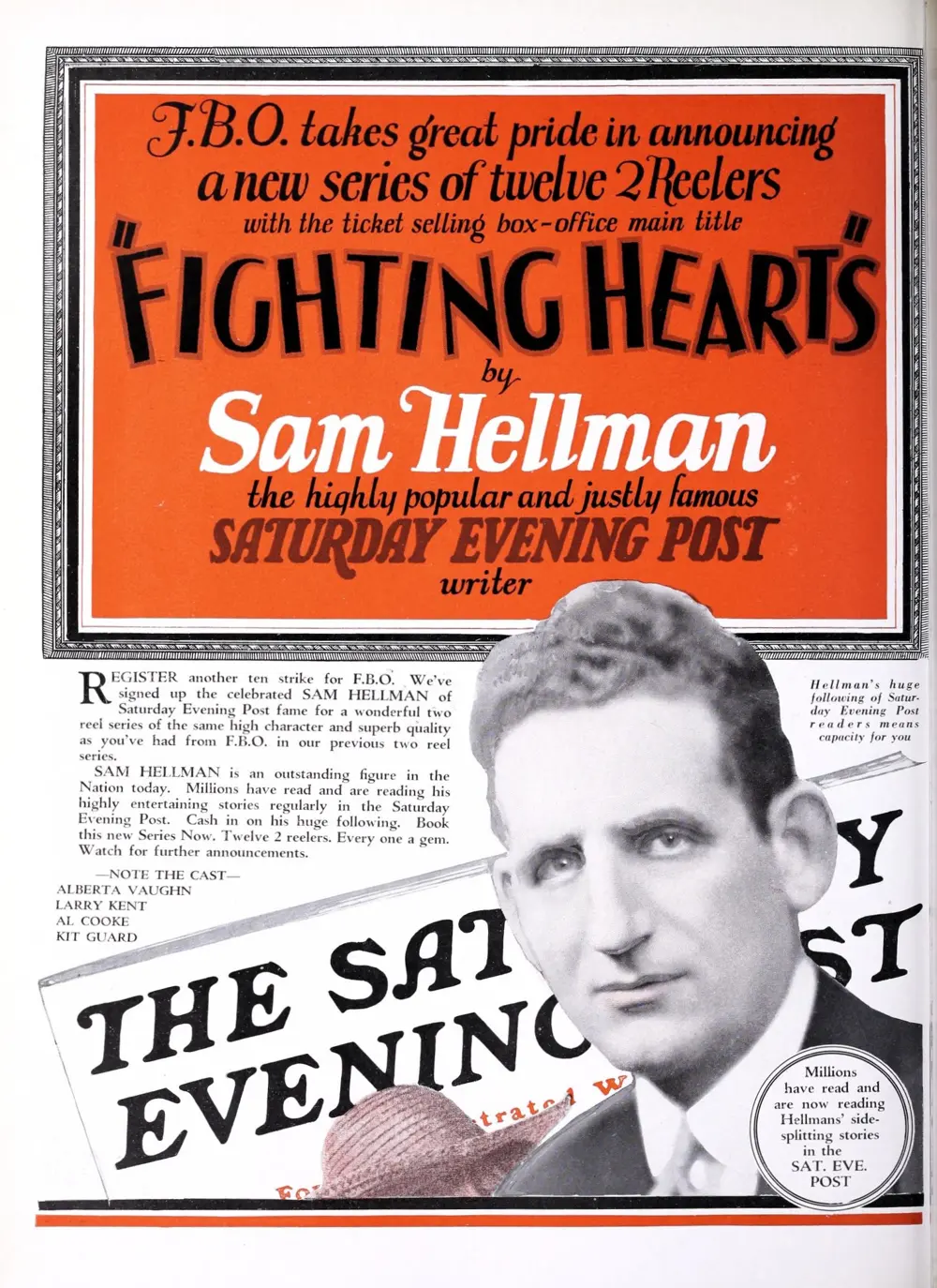
Short answer: yes, but with significant caveats that demand a particular kind of viewer. Roll Your Own, a film that might otherwise fade into the annals of early cinema, possesses a peculiar charm that, for the right audience, transcends its age and technical limitations. It’s an earnest, if somewhat naive, exploration of self-reliance and community that resonates surprisingly well.
This film is unequivocally for those with a deep appreciation for cinematic history, particularly the quieter, character-driven narratives of the early 20th century. If you enjoy dissecting acting styles from a bygone era, understanding the foundational elements of storytelling, and aren't deterred by slower pacing or simpler production values, then you will find value here. It's a window into a specific cultural moment, offering insights into societal values and entertainment sensibilities that feel both distant and familiar.
However, Roll Your Own is decidedly NOT for the casual modern viewer seeking high-octane action, intricate plot twists, or cutting-edge special effects. Those accustomed to contemporary filmmaking’s rapid-fire editing and sophisticated narratives will likely find its deliberate pace and straightforward plot challenging. If you lack patience for films that require you to meet them halfway, this might prove to be a frustrating experience rather than a rewarding one.
Roll Your Own isn't a film designed to stun you with its spectacle or confound you with its complexity. Instead, it offers a gentle, earnest narrative about an individual's struggle for independence against the backdrop of a small, insular community. Al Cooke, as Jack, delivers a performance that is less about bombast and more about quiet determination, a quality that makes his character surprisingly relatable even a century later.
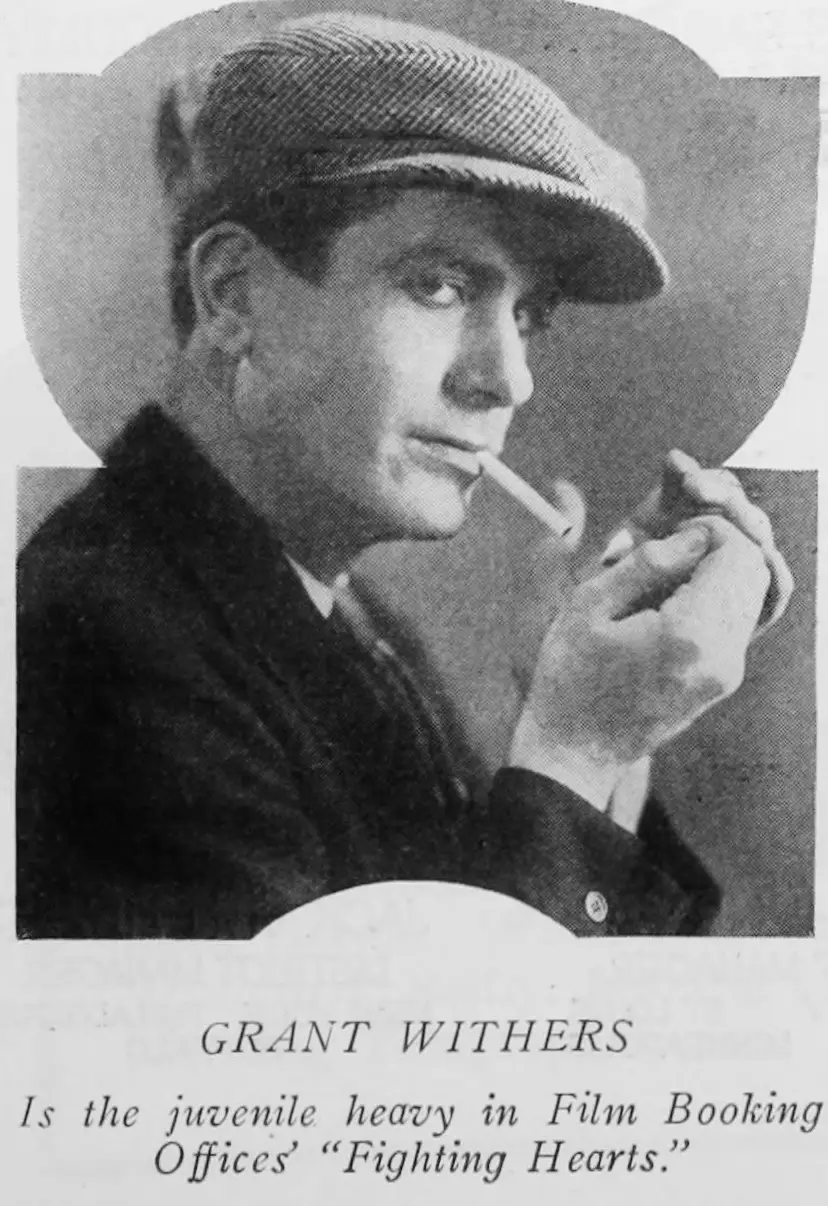
The film’s plot, centered on Jack’s arrival in Harmony Creek and his attempts to establish a self-made business, taps into a timeless American ideal: the spirit of the entrepreneur, the pioneer forging his own way. It's a narrative that, despite its simplicity, carries a certain weight, reflecting the aspirations of an era where self-reliance was not just a virtue but often a necessity. The conflict with Grant Withers’ Mr. Abernathy, the embodiment of tradition and skepticism, provides a clear, albeit somewhat predictable, antagonist.
What makes this particular dynamic work is the underlying tension between progress and preservation. Jack represents a new way of thinking, a fresh approach to livelihood, while Abernathy clings to the established order. This isn't groundbreaking storytelling, but it's effective. It establishes stakes that feel personal and immediate, even if they aren't world-shattering.
Alberta Vaughn’s Mary is another key component, providing not just a romantic interest but a kindred spirit for Jack. Her character, with her own quiet yearning for something more, acts as a mirror to Jack’s ambitions, reinforcing the film’s central themes. Their chemistry, though subtle by modern standards, is palpable, built on shared glances and unspoken understandings rather than grand declarations.
The film’s strength lies in its unvarnished portrayal of human aspiration and resistance, reminding us that the core struggles of existence often remain unchanged, regardless of the technological era.
The film’s direction, while not flashy, is competent. It tells the story directly, without unnecessary flourishes. The camera often serves as a silent observer, allowing the characters and their interactions to take center stage. This approach, while sometimes leading to a slower pace, ensures that the audience's focus remains squarely on the narrative's emotional core.
The ensemble cast of Roll Your Own offers a fascinating look at the acting styles prevalent in early cinema. Al Cooke, as the protagonist Jack, delivers a performance characterized by earnestness and a certain understated charm. He avoids the broader, more theatrical gestures often seen in films of the period, opting instead for a more naturalistic approach that, at times, feels surprisingly modern.
His interactions with Alberta Vaughn (Mary) are particularly noteworthy. Their romance is built on a series of subtle looks and shared smiles, conveying a depth of feeling that doesn't rely on overt declarations. For example, a scene where Jack and Mary share a quiet moment by the creek, their hands brushing almost imperceptibly, speaks volumes about their connection without a single line of dialogue. It’s a testament to their ability to communicate emotion non-verbally, a skill often overlooked in today's dialogue-heavy cinema.
Grant Withers, in contrast, fully embraces the archetype of the stern, traditional figure. His Mr. Abernathy is suitably formidable, his disapproval communicated through rigid posture and piercing glances. While bordering on caricature at times, Withers’ performance effectively establishes the primary external conflict for Jack, providing a clear obstacle for our hero to overcome. It’s a performance that serves the plot efficiently, even if it lacks nuance.
Larry Kent and Kit Guard, in their supporting roles, add texture to the town’s inhabitants. Kent often provides a touch of comic relief or a loyal, if somewhat bumbling, ally, while Guard might embody a more direct, perhaps less sophisticated, form of local opposition. These performances, while not central, are crucial in building the world of Harmony Creek, making it feel populated and lived-in.
My unconventional observation here is that the film's strength lies not in a single 'star' performance, but in the collective effort to create a believable, if idealized, small-town dynamic. It’s less about individual brilliance and more about the interplay of archetypes, a technique that was foundational to early narrative filmmaking.
The direction in Roll Your Own is straightforward and functional, prioritizing narrative clarity over stylistic experimentation. The filmmakers were focused on telling a coherent story, and in that, they largely succeed. There are no groundbreaking camera movements or intricate editing sequences that demand attention. Instead, the direction serves the plot, guiding the viewer through Jack's journey with an unobtrusive hand.
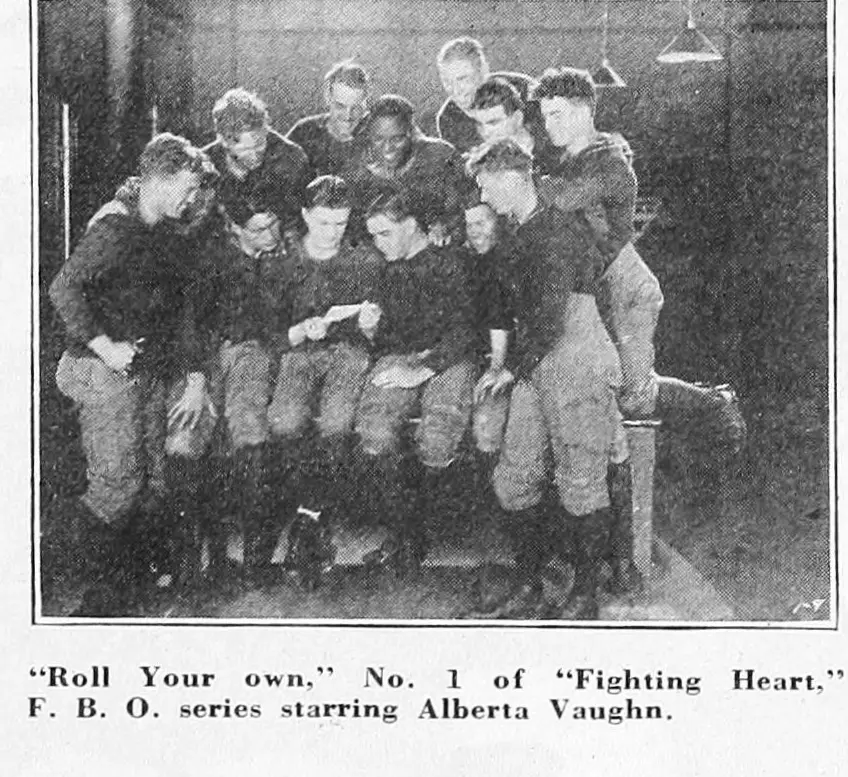
Cinematography, while basic by today's standards, effectively captures the idyllic charm of Harmony Creek. The use of natural light and simple compositions creates a sense of authenticity. Shots of the rolling hills or the bustling main street, though not breathtaking, ground the story in a tangible reality. One particular shot, framing Jack against the backdrop of a vast, open field as he contemplates his future, uses simple depth and composition to convey his ambition and the scale of his dreams.
The pacing is arguably the film's most challenging aspect for modern audiences. It is slow. Very slow. Scenes are allowed to unfold at a leisurely rhythm, sometimes lingering on moments that contemporary films would rush through. This deliberate pace can feel indulgent, but it also allows for a deeper immersion into the film's world, demanding patience and a willingness to simply 'be' with the characters.
For example, a sequence depicting Jack meticulously preparing his product, while seemingly mundane, is extended to emphasize his dedication and the manual labor involved in his self-made venture. This attention to detail, while potentially testing patience, reinforces the film's central theme of hard work and self-sufficiency.
This film's unhurried tempo is a double-edged sword: it builds atmosphere but risks losing the attention of those unaccustomed to its rhythm. It works. But it’s flawed.
Roll Your Own maintains a consistently earnest and optimistic tone, even when depicting Jack's struggles. There's an inherent belief in the goodness of people and the triumph of perseverance that permeates every frame. The film avoids cynicism, instead embracing a wholesome, almost innocent perspective on human ambition and community dynamics. This is a film that wants you to root for its hero, and it makes it easy to do so.
The primary theme is, as the title suggests, self-reliance and the pursuit of one's own destiny. Jack's journey is a microcosm of the American dream, albeit on a smaller, more personal scale. It's about finding one's place, contributing to a community, and earning respect through hard work and integrity. This theme is universal and remains relevant, even if its execution is rooted in a specific historical context.
Secondary themes include the tension between tradition and innovation, the power of community (both its resistance and its eventual acceptance), and the quiet strength of genuine connection. The romance between Jack and Mary isn't just a plot device; it's an exploration of how shared values and mutual respect can blossom into something meaningful, even in a restrictive environment.
My strong, debatable opinion is that the film’s unwavering optimism, while charming, occasionally borders on the saccharine, preventing a deeper exploration of the very real hardships faced by independent entrepreneurs. A touch more grit might have elevated its thematic impact, making Jack’s triumphs feel even more earned.
Roll Your Own is not a film that will redefine your understanding of cinema, nor is it likely to ignite passionate debates among casual viewers. What it is, however, is a surprisingly resonant and earnest piece of early filmmaking that, for the right audience, offers genuine rewards. It's a testament to the power of simple storytelling, carried by sincere performances and a timeless theme of self-determination.
While its deliberate pacing and straightforward narrative might deter some, those willing to immerse themselves in its gentle rhythm will find a charming, historically significant film. It’s an ideal watch for those who appreciate the foundational elements of cinema and enjoy witnessing how universal human stories were told in a different era. Give it a chance, but approach it with the patience and curiosity it deserves.
IMDb 7.3
1918
Community
Log in to comment.