DbcultAccessing Vault...
5.8/10
Senior Film Conservator
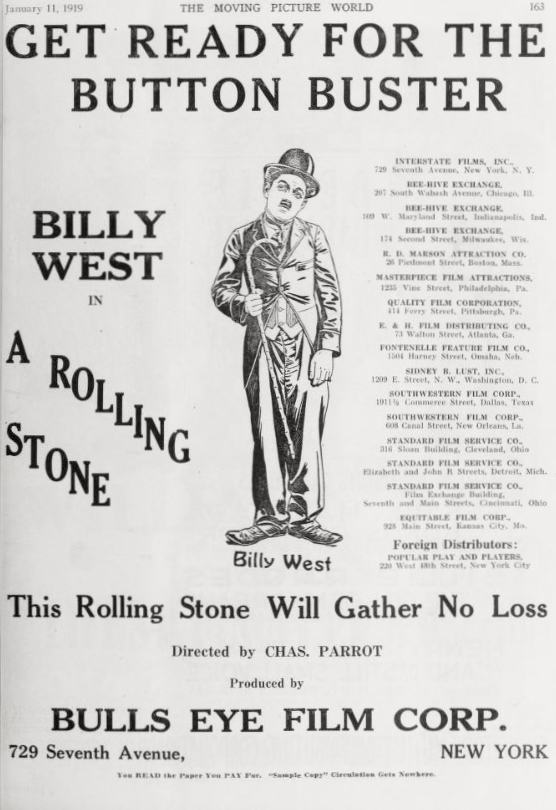
A definitive 5.8/10 rating for a film that redefined the boundaries of cult cinema. Rolling Stone remains a cornerstone of transgressive art.
In the annals of early cinema, where the flickering images told stories with a raw, visceral power, certain films emerge not just as entertainment but as accidental time capsules, reflecting the zeitgeist with uncanny precision. Billy West's "Rolling Stone" is precisely one such gem, a silent comedy that, beneath its surface of slapstick and mistaken identity, offers a surprisingly incisive glimpse into the social anxieties of its era. This isn't merely a tale of a man wrongly accused; it's a comedic dissection of paranoia, propaganda, and the precariousness of individual freedom in a world grappling with seismic political shifts. West, both as the star and the writer, crafts a narrative that is both uproariously funny and subtly disquieting, a hallmark of the most enduring silent comedies.
The premise is deceptively simple: Billy, an unassuming character, finds himself entangled in a kafkaesque nightmare when he is erroneously identified as a nefarious Bolshevik. The term "Bolshevik" itself, at the time, was a potent trigger, conjuring images of radicalism and societal upheaval in the minds of the American public. The film, therefore, taps directly into a prevailing cultural fear, transforming an abstract political threat into a very concrete, personal predicament for its protagonist. This immediate plunge into absurdity sets the stage for a series of escalating misadventures, all fueled by the irrationality of collective suspicion. It's a testament to West's writing that he manages to extract genuine humor from such a fraught scenario, never allowing the underlying tension to fully overshadow the comedic potential.
Billy West, a formidable presence in early comedy often compared to the likes of Charlie Chaplin for his physical dexterity and expressive pantomime, truly shines in "Rolling Stone." His portrayal of the bewildered, innocent man caught in the gears of an unforgiving system is a masterclass in silent acting. West doesn't just react; he embodies confusion, desperation, and a resilient, almost defiant, optimism. His character's contorted expressions and frantic gestures communicate volumes without a single intertitle, drawing the audience into his plight while simultaneously eliciting hearty laughter. The brilliance of his performance lies in his ability to make the audience empathize deeply with his predicament, even as they are amused by the escalating farcical elements. This duality is what elevates "Rolling Stone" beyond mere slapstick, imbuing it with a genuine human core.
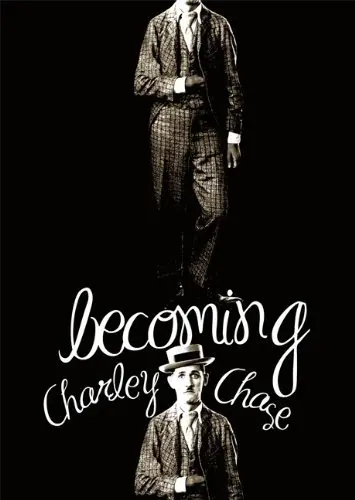
The supporting cast, while perhaps not given the same expansive canvas as West, plays their roles with admirable conviction, bolstering the film's comedic and dramatic thrust. Ethelyn Gibson, for instance, often brought a certain vivacity to her roles, and here she likely provides a grounding presence, perhaps as a love interest or an ally who initially misunderstands Billy but eventually comes to his aid. Stanton Heck and Charley Chase, both experienced performers of the era, would have contributed to the ensemble's dynamic, whether as figures of authority, fellow inmates, or other characters caught in the periphery of Billy's escalating troubles. Their interactions with West are crucial, providing foils for his frantic energy and often amplifying the comedic misunderstandings. The interplay between these characters, even in broad strokes, is essential to the film's narrative momentum, preventing it from becoming a mere one-man show.
The core conflict—Billy's unwarranted imprisonment—serves as the film's central comedic engine. The absurdity of his situation, being thrown into jail for a crime he didn't commit and an identity he doesn't possess, is ripe for visual gags and ironic situations. One can easily imagine scenes of Billy attempting to explain his innocence to stone-faced guards, or his bumbling attempts to escape, each failure more hilariously catastrophic than the last. This kind of physical comedy, rooted in a character's desperate struggle against an unyielding force, is a staple of silent cinema, and West, as both writer and performer, would have been adept at maximizing its potential. The jail setting itself offers a confined space that can be exploited for claustrophobic humor, creating a contrast between Billy's frantic energy and the rigid structure of his incarceration.
"Rolling Stone" also subtly, yet effectively, critiques the swift and often unjust nature of justice when public hysteria takes hold. The ease with which Billy is apprehended and incarcerated, based on a flimsy misidentification, speaks volumes about the societal readiness to believe the worst, especially when fueled by political rhetoric. This theme, while presented comically, carries a poignant undertone, reminding us that the line between order and oppression can sometimes be perilously thin. In this regard, it shares a thematic thread with other films that explore the individual's struggle against societal forces, albeit with a comedic rather than purely dramatic lens. For instance, while The Avalanche might delve into more overt dramatic social commentary, "Rolling Stone" achieves a similar critique through the lens of farce.
Billy West's directorial sensibilities, evident in his writing, would have ensured a brisk pace and a clear focus on visual storytelling. Silent comedies thrive on impeccable timing and inventive sight gags, and "Rolling Stone" undoubtedly delivers on both fronts. The film's narrative structure, though seemingly simple, is meticulously designed to build momentum, with each comedic setback for Billy propelling him deeper into his predicament, yet always with a glimmer of hope or a new opportunity for a gag. The use of intertitles would have been minimal, relying instead on the actors' physicality and the clarity of the visual narrative to convey plot points and emotional states. This economy of storytelling is a hallmark of the era's best silent films, a skill that West, as both a seasoned performer and writer, clearly possessed.
Comparing "Rolling Stone" to its contemporaries reveals its unique place within the burgeoning silent film landscape. While many films, like Algie's Romance, focused on more traditional romantic or domestic comedic scenarios, "Rolling Stone" ventures into the realm of social satire, albeit gently. It uses the framework of mistaken identity, a popular trope seen in films like The Dare-Devil Detective, but imbues it with a timely political flavour. This willingness to engage with contemporary issues, even if through the filter of comedy, sets it apart and gives it a lasting relevance. The film doesn't preach; it merely presents a ludicrous situation and allows the audience to draw their own conclusions about the follies of prejudice and hasty judgment.
The enduring appeal of films like "Rolling Stone" lies in their universal themes. The fear of being misunderstood, the frustration of injustice, and the inherent human desire for freedom are timeless concepts that resonate across generations. While the specific political bogeyman of the "Bolshevik" might be historically specific, the underlying anxiety about "the other" or the ease with which individuals can be demonized remains tragically pertinent. West's film, therefore, acts as a comedic mirror, reflecting not just the absurdities of its own time but also the recurring patterns of human behavior when confronted with fear and uncertainty. It's a reminder that laughter can often be the most potent form of critique.
Furthermore, the sheer technical artistry involved in creating such a film during the silent era cannot be overstated. From the rudimentary camera work to the reliance on physical performance and precise editing, every element had to be meticulously crafted to convey the narrative without dialogue. The seamless integration of Billy West's expressive acting with the visual gags and the progression of the plot speaks to a sophisticated understanding of cinematic language, even in its nascent stages. The film's ability to elicit strong emotional responses—be it laughter, sympathy, or mild indignation—without spoken words is a testament to the power of pure visual storytelling, a skill that modern filmmakers could still learn from.
The resolution of Billy's predicament, though not explicitly detailed in the synopsis, would undoubtedly involve a comical unraveling of the mistaken identity. Perhaps the true Bolshevik is apprehended, or Billy's innocence is proven through some ludicrous chain of events. What matters is not just the 'how' but the satirical punchline it delivers: the ease with which an entire system can be duped by appearances, and the eventual, often embarrassing, correction. This journey from misapprehension to vindication, filled with comedic obstacles, is the very essence of the film's charm and its critical edge. It’s a narrative arc designed to maximize both laughter and a subtle, knowing nod to the audience about the follies of human judgment. The ultimate release, one imagines, would be as comically exaggerated as the initial arrest, bringing the narrative full circle in a satisfying, if farcical, manner.
In conclusion, "Rolling Stone" stands as a vibrant example of early comedic filmmaking that transcends its simple plot. It's a film that leverages the considerable talents of Billy West to deliver a performance that is both physically exhilarating and emotionally resonant. More than just a series of gags, it's a commentary on societal fears, the perils of mistaken identity, and the enduring resilience of the individual spirit. Its historical context adds layers of meaning, making it not just a funny film, but a fascinating cultural artifact. For anyone interested in the evolution of comedy, the power of silent acting, or the subtle ways cinema reflects its times, "Rolling Stone" is an invaluable viewing experience, a testament to the ingenuity and enduring appeal of early cinematic pioneers.
It's worth noting how films of this era, despite their brevity and seemingly straightforward plots, often carried a surprising depth. While Madame Jealousy might explore psychological drama and Valdemar Sejr delves into historical epic, "Rolling Stone" carves its niche by marrying broad comedy with a sharp, albeit gentle, social critique. It avoids the heavy-handedness of overt political statements, preferring instead to let the absurdity of Billy's situation speak for itself. This approach makes its message all the more palatable and, arguably, more enduring. The film doesn't demand that you agree with its political leanings, but rather invites you to laugh at the universal human tendency to jump to conclusions, especially when fear is involved.
The legacy of "Rolling Stone" is perhaps not as widely celebrated as some of its more famous contemporaries, but its contribution to the comedic landscape of the silent era is undeniable. It showcases the versatility of Billy West as a performer and writer, and it serves as a reminder that even in the earliest days of cinema, filmmakers were capable of crafting narratives that were both entertaining and thought-provoking. The film's ability to blend high-energy slapstick with a subtle undercurrent of social commentary is a sophisticated feat, especially considering the technical limitations of the time. It is a work that deserves rediscovery, a vibrant snapshot of a bygone era, yet one whose themes echo with surprising clarity in our own complex world.
For those who appreciate the nuanced artistry of silent film, "Rolling Stone" offers a wealth of delights. From the meticulous physical comedy of Billy West to the clever narrative construction that keeps the audience engaged, it's a film that rewards close attention. It’s a testament to the fact that compelling storytelling doesn't require dialogue or elaborate special effects, but rather a keen understanding of human nature and the power of visual expression. The film's charm lies in its simplicity, its humanity, and its ability to find humor in even the most unjust of circumstances, proving that laughter truly is a universal language, capable of transcending time and cultural divides. It is a delightful, insightful piece of cinematic history, inviting viewers to ponder the nature of identity and justice, all while thoroughly entertaining them with its spirited antics.
IMDb 6.8
1933
Community
Log in to comment.