DbcultAccessing Vault...
Cult Review
Senior Film Conservator
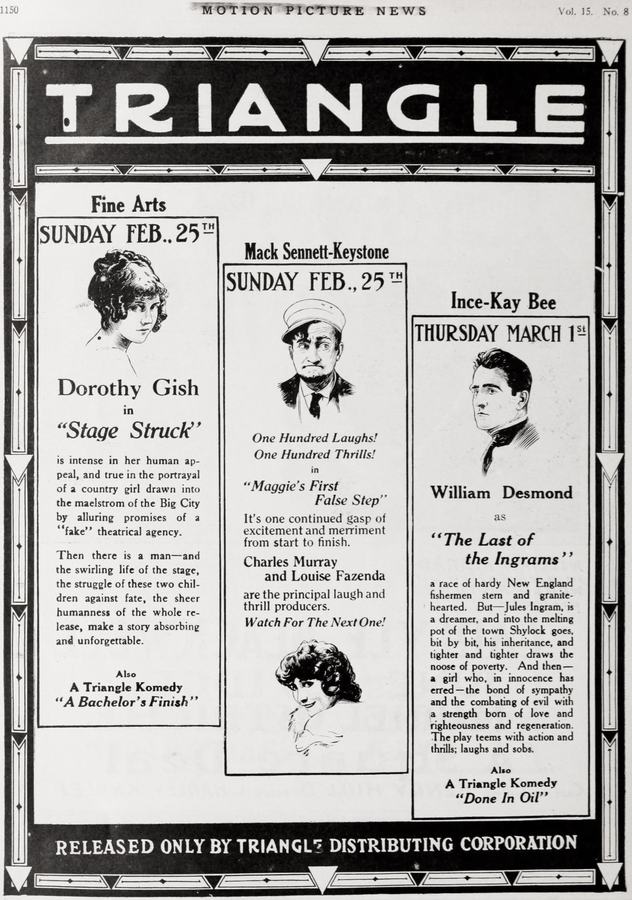
In the flickering chiaroscuro of the silent era, few figures possess the kinetic vibrancy of Dorothy Gish. While her sister Lillian was the vessel for high-register pathos, Dorothy was the pulse of the proletariat, the effervescent spirit of the common girl with uncommon dreams.
Stage Struck (1917) is not merely a film about the theater; it is a meditation on the democratization of ambition. Ruth Colby, portrayed with a frantic, endearing sincerity by Dorothy Gish, represents a specific American archetype: the dreamer who believes the distance between the gutter and the footlights can be traversed through a mail-order manual. This "correspondence course" acting is a brilliant narrative device, highlighting the poignant gap between the artifice of the stage and the harsh realities of the New York boardinghouse. Unlike the protagonist in Miss Nobody, who navigates social displacement with a more somber gravity, Gish’s Ruth is a whirlwind of misguided technique and genuine heart.
The setting—a garish theatrical boardinghouse—is rendered with a tactile sense of desperation and camaraderie. It is a space where the ephemeral nature of fame is juxtaposed against the permanence of hunger. Here, we see the influence of Roy Somerville’s writing, which balances the melodrama of the era with a sharp, observational wit regarding the theatrical trade. The film shares a certain DNA with The College Orphan, particularly in its exploration of youth untethered from traditional family structures, seeking a makeshift lineage among the cast-offs of society.
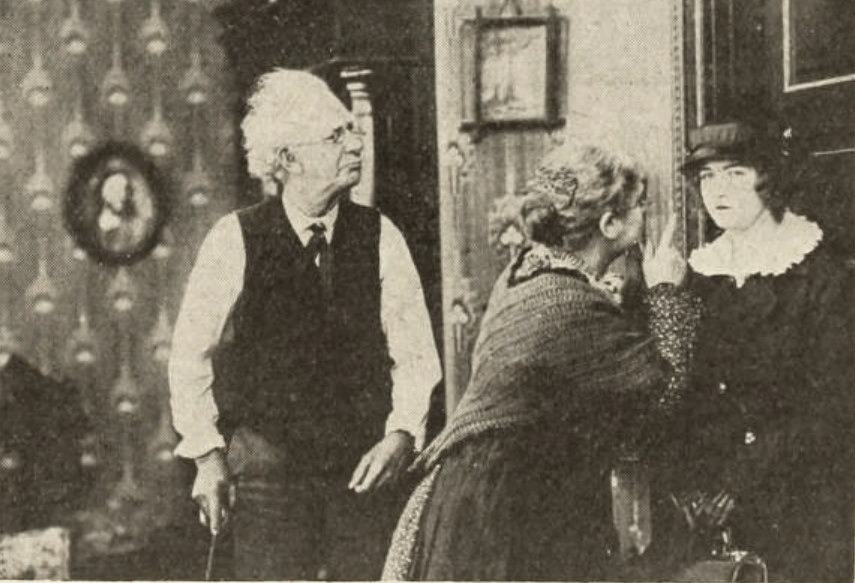
The entry of Jack Martin (Frank Bennett) introduces the narrative's primary tension: the collision of wealth and want. Jack is the quintessential "cast-off son," a figure of dissolution who finds in Ruth a mirror for his own aimlessness. Their marriage, officiated by a "derelict Justice of the Peace," is a sequence steeped in cinematic irony. It is a legal union that feels like a shared hallucination, a desperate grab at stability in a world that offers none. This thematic thread of precarious legality is also woven through A Crooked Romance, where the boundaries of law and love are similarly blurred.
The narrative structure takes a cruel turn when Ruth departs for a theatrical tour that is described as "dreadful." This absence is crucial; it allows the film to pivot from a romance to a study of abandonment and social reclamation. When Ruth returns to find the boardinghouse shuttered and Jack vanished, the film shifts its focus to the character of Mrs. Martin (Kate Toncray). The elder Mrs. Martin is a fascinating study in philanthropic hypocrisy. She is a woman who loves the *idea* of charity but recoils at the *reality* of its recipients. Her initial kindness toward Ruth is predicated on the girl remaining a distant object of pity. Once Ruth is revealed to be her daughter-in-law, the charity evaporates, replaced by a cold, aristocratic disdain.
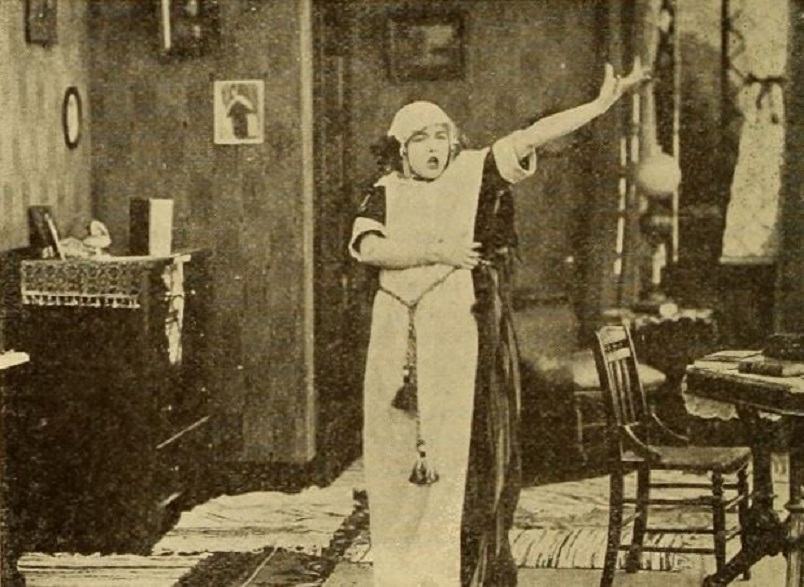
What elevates Stage Struck above the standard fare of 1917 is Dorothy Gish’s physicality. While Lillian was the master of the micro-expression, Dorothy was the master of the body. Her Ruth Colby moves with a nervous, staccato energy that perfectly encapsulates the character's "self-taught" nature. Every gesture is slightly too big, every reaction a fraction of a second too late, which ironically makes her performance feel more modern and human than the stylized weeping often found in contemporary dramas like The Feast of Life.
The film’s climax—the reformation of Jack—is handled with more nuance than one might expect from a century-old silent. Ruth does not merely "save" him through moral platitudes; she forces him to confront the vacuity of his own existence compared to her hard-won survival. The resolution, while seemingly a "happy ending," carries a subversive undercurrent. For Mrs. Martin to accept Ruth, Ruth must essentially prove she can out-perform the upper class at their own game of dignity and poise. It is a triumph of the performance over the person, a fitting conclusion for a girl who learned to live by learning to act.
In the broader context of 1917 cinema, Stage Struck sits at a crossroads. It lacks the overt moralizing of The Medicine Man, yet it possesses a sharper social bite than Such a Little Queen. There is a grit here that anticipates the later realism of the 1920s. Even the casting of Madame Sul-Te-Wan, though in a minor role, hints at the diverse, albeit often marginalized, tapestry of the early film industry that is frequently overlooked in retrospective analyses.
When compared to The Cheat, which deals with social status through a lens of violence and visceral shock, Stage Struck is almost gentle, yet its critique of the American class system is no less potent. The "commoner" who infiltrates the house of the philanthropist is a recurring theme that resonates with the anxieties of an era seeing rapid urbanization and the crumbling of old-world social barriers. Even international parallels like the Russian Jamshhik, ne goni loshadej explore similar themes of class-based tragedy, though Somerville’s script opts for a more optimistic, quintessentially American resolution.
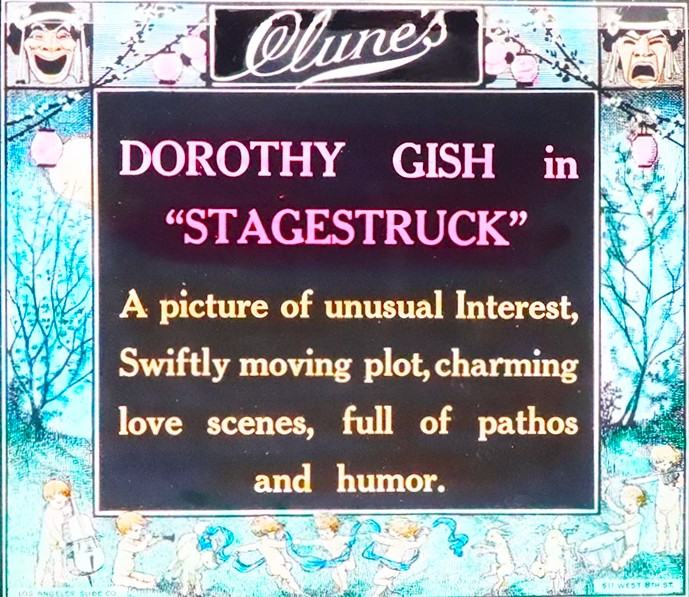
Ultimately, Stage Struck is a testament to the power of the individual will against the inertia of social expectation. Ruth Colby is not a victim of her circumstances; she is an active architect of her own fate. Whether she is teaching herself the nuances of Shakespeare via the mail or navigating the treacherous waters of the Martin family dynamics, she remains an indomitable force. The film’s visual language, though limited by the technology of its time, captures the essence of this struggle with a clarity that remains affecting.
For those interested in the evolution of the comedic drama, this film is essential viewing. It bridges the gap between the slapstick of the early 1910s and the sophisticated social comedies of the 1920s. It shares the whimsical spirit of Reggie Mixes In while maintaining a dramatic core that feels grounded in real human experience. Dorothy Gish’s performance is a masterclass in silent screen acting, proving that one does not need a voice to speak volumes about the human condition.
A luminous example of silent storytelling that eschews grandiosity for genuine character study. While the plot follows familiar beats of the era, the execution—particularly by Dorothy Gish—is nothing short of revolutionary. It is a film that demands to be seen not as a relic, but as a living piece of art that still speaks to the universal desire for recognition and love.
IMDb —
1932
Community
Log in to comment.