DbcultAccessing Vault...
Cult Review
Senior Film Conservator
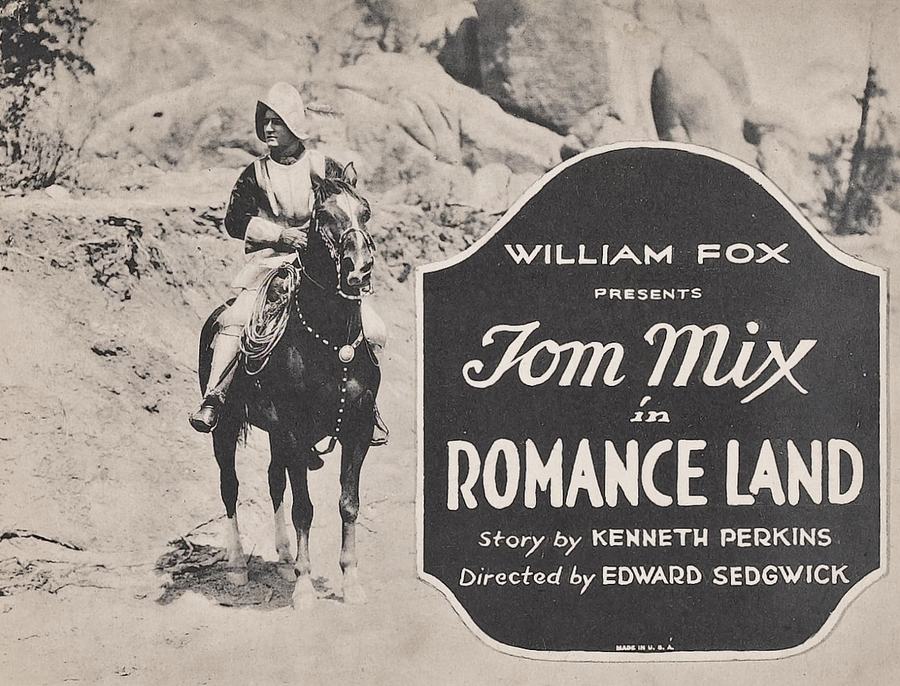
In the sprawling panorama of early 20th-century cinema, the Western genre carved out an indelible niche, offering audiences a potent cocktail of adventure, heroism, and untamed landscapes. Its enduring appeal lay not just in its thrilling action sequences but in its ability to embody a distinctly American mythology, a narrative tapestry woven with threads of freedom, justice, and rugged individualism. Among its most iconic architects was Tom Mix, a figure whose very name became synonymous with the cowboy ideal, an authentic ranch hand turned silent film superstar whose daring stunts and genuine charisma captivated millions. His 1923 vehicle, Romance Land, stands as a vibrant testament to the enduring appeal of these narratives, a film that, despite its century-old vintage, still pulses with an earnest charm and kinetic energy. It's more than just a simple tale of good versus evil; it's a cinematic time capsule, meticulously reflecting the idealized virtues and narrative conventions that captivated its contemporary audience. Here, the raw, untamed spirit of the frontier meets the timeless yearning for romantic destiny, all played out against a backdrop of dusty plains, dramatic confrontations, and breathtaking horsemanship.
At the very core of Romance Land resides a hero forged in the crucible of myth and aspiration. Tom Mix portrays a cowboy whose aspirations transcend mere ranch work; he is a dreamer, a man whose waking thoughts are filled with vivid visions of damsels in distress, of heroic rescues performed with effortless grace and unwavering resolve. This isn't merely a character; it's an embodiment of a collective fantasy, a figure who rides not just horses, but the very hopes and idealized virtues of a bygone era. His initial encounter with Barbara Bedford's character is the pivotal moment that transforms his romantic daydreams into palpable reality. A perilous runaway incident, depicted with a surprising immediacy, thrusts our hero into action, providing the perfect stage for his innate chivalry to manifest. Bedford, as the beleaguered daughter of a formidable, affluent rancher, epitomizes the vulnerable heroine, caught in the patriarchal machinations of her father, Frank Brownlee, who schemes to marry her off to his unscrupulous foreman, George Webb. This narrative setup, while undeniably archetypal, is delivered with an unvarnished sincerity that deftly circumvents cliché, instead leaning into the foundational elements that make such stories resonate across generations. The film doesn't shy away from presenting clear-cut morality, where virtue is easily distinguishable from villainy, a characteristic that defines much of silent Western storytelling, offering a morally unambiguous world for audiences to inhabit.
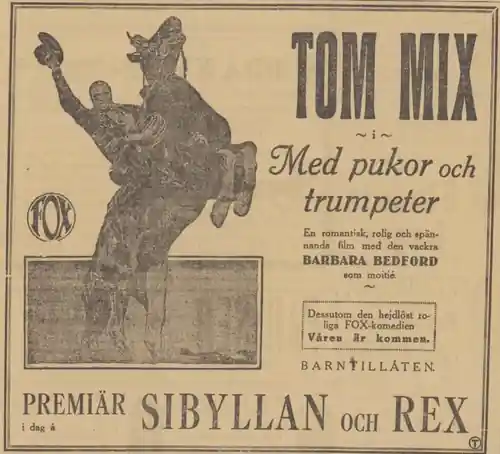
The narrative arc, though perhaps predictable to the discerning eye of a modern cinephile, unfolds with a compelling rhythm and an escalating sense of urgency. Brownlee’s rancher, played with suitable gravitas, is a formidable antagonist, not overtly evil in a cartoonish sense, but rather stubbornly traditional, possessive, and driven by a desire to consolidate his wealth and influence through his daughter's marriage. His reluctant agreement to a rodeo as the arbiter of his daughter's marital fate introduces a classic Western spectacle into the romantic drama. This rodeo isn't merely a contest of skill; it's a symbolic arena where the cowboy's inherent good nature and undeniable prowess are pitted against the established, corrupt order and the foreman's underhanded ambitions. Mix, with his legendary horsemanship and undeniable screen presence, makes his victory feel both earned and gloriously inevitable, satisfying the audience's deep-seated desire for justice to prevail. The rodeo sequence itself is a masterclass in silent film action, relying on dynamic camera work, rapid editing, and Mix's genuine stunt capabilities to convey excitement and danger without a single spoken word. It’s a testament to the power of visual storytelling, a vibrant spectacle that captures the raw energy and competitive spirit of the frontier, a stark contrast to the more somber, historically grounded Westerns like Martyrs of the Alamo which sought to chronicle specific historical events rather than romanticized adventures.
Just when the audience believes the romantic triumph is secured, and the cowboy's victory at the rodeo has sealed his claim, the plot introduces a crucial, tension-ratcheting twist: the heroine's abduction. This second act of villainy, presumably orchestrated by the defeated foreman or his desperate cronies, serves to underscore the hero's unwavering commitment and to elevate the stakes significantly. It transforms the initial romantic rescue from a mere happenstance into a profound demonstration of enduring commitment, a testament that his heroism is not a one-off act but an intrinsic, unshakeable part of his character. This "double rescue" trope
IMDb —
1926
Community
Log in to comment.