DbcultAccessing Vault...
6.9/10
Senior Film Conservator
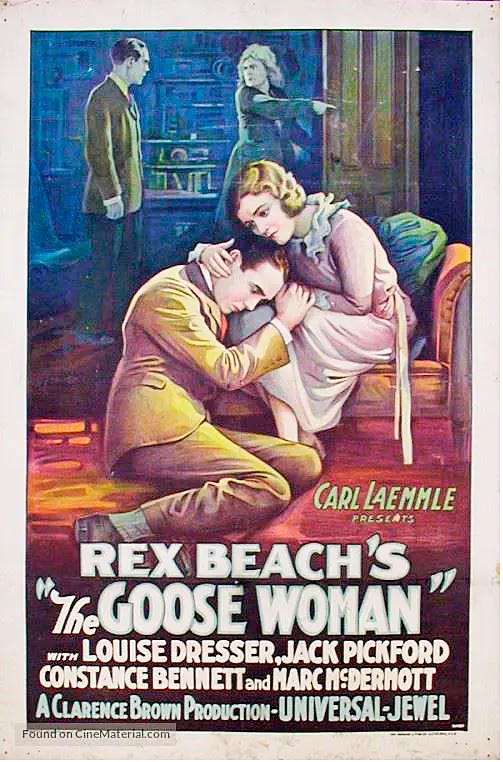
A definitive 6.9/10 rating for a film that redefined the boundaries of cult cinema. The Goose Woman remains a cornerstone of transgressive art.
Step right up, silent cinema aficionados and curious newcomers alike, for a journey into the heart of a truly remarkable, if often overlooked, gem from 1925: The Goose Woman. This isn't just another dusty relic from a bygone era; it's a vibrant, emotionally charged melodrama that pulses with a dark energy, a testament to the power of early filmmaking to captivate and provoke. Directed by Clarence Brown, and featuring a powerhouse performance by Louise Dresser, this film delves into the murky waters of human desperation, the corrosive nature of ambition, and the tragic consequences of a mother's misguided love and thirst for the limelight.
At its core, The Goose Woman is a masterclass in character study, focusing on the precipitous fall of a once-celebrated opera singer, Marie de Nardi, portrayed with breathtaking intensity by Louise Dresser. Imagine the opera houses of Europe, filled with adoring crowds, hanging on every note of her glorious voice. Now, fast forward to a desolate shack, surrounded by geese, her voice a memory, drowned in alcohol and bitterness. The film wastes no time in establishing this stark contrast, painting a vivid picture of a woman utterly consumed by her past glory and the crushing weight of its loss. Her son, Gerald (Jack Pickford), is a constant, living reminder of the moment her voice—and thus, her identity—was stolen from her. This foundational tragedy sets the stage for a narrative steeped in psychological complexity, far beyond the typical melodramatic trappings of the era.
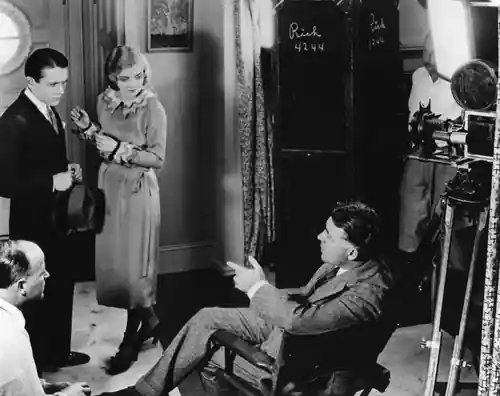
The genius of the screenplay, credited to Frederica Sagor Maas, Dwinelle Benthall, Melville W. Brown, and Rex Beach, lies in its ability to craft a protagonist who is simultaneously pitiable and infuriating. Marie de Nardi, now 'The Goose Woman,' isn't just a victim of circumstance; she's an active participant in her own downfall and, critically, in the tragic fate that befalls her son. Her initial reaction to the nearby murder isn't one of fear or civic duty, but rather a calculating, almost theatrical, instinct to exploit the sensationalism for her own gain. It's a chilling portrayal of how self-obsession can warp even the most fundamental human instincts, including maternal protection. Her invention of a fantastical eyewitness account, designed to thrust her back into the public eye, is a desperate gamble that pays off in fleeting attention but ultimately unravels into a devastating personal catastrophe.
Louise Dresser's performance as Marie is nothing short of phenomenal. She doesn't just act the part; she embodies the raw, frayed nerves of a woman teetering on the brink. Her eyes, even through the heavy makeup and disheveled hair, convey a potent blend of resentment, cunning, and a flicker of the grandiosity that once defined her. The silent film medium often relied on exaggerated gestures, but Dresser's portrayal is remarkably nuanced, conveying inner turmoil through subtle shifts in posture, the tremble of a hand, or the sudden, almost animalistic, gleam in her gaze. It’s a performance that truly anchors the film, making Marie’s descent and her subsequent, desperate machinations utterly believable, however deplorable they may be. Her ability to command the screen, even in a role that demands her to be unkempt and unglamorous, speaks volumes about her talent.
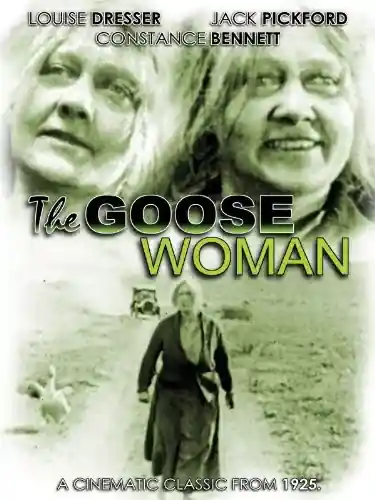
The supporting cast also delivers strong performances that complement Dresser's tour de force. Jack Pickford, as her son Gerald, brings a quiet dignity to a character unjustly accused. His youthful innocence contrasts sharply with his mother's jaded cynicism, making his predicament all the more heartbreaking. Gustav von Seyffertitz, known for his chilling villainous roles, plays a crucial part, adding another layer of intrigue and suspense to the murder mystery. Constance Bennett, in an early role, also makes an impression, hinting at the star she would become. The ensemble works cohesively, creating a believable world where secrets fester and justice hangs precariously in the balance.
Clarence Brown's direction is masterful, maintaining a taut sense of suspense while allowing the emotional beats to resonate deeply. He understands the power of visual storytelling, using close-ups to emphasize Marie's internal struggles and wider shots to convey her isolation. The pacing is deliberate, building tension gradually as Marie’s fabricated story gains traction, then accelerating as the consequences begin to spiral out of control. The cinematography effectively captures the desolate atmosphere of Marie's home, contrasting it with the bustling, unforgiving world of the press and the justice system. Brown's ability to extract such powerful performances from his cast, particularly Dresser, is a testament to his skill behind the camera. One might draw a parallel to the careful character development seen in films like No Woman Knows, which similarly explores the depths of a woman's sacrifice and the societal pressures that shape her choices, albeit with a different narrative trajectory.
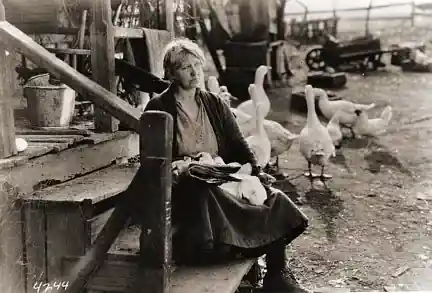
What makes The Goose Woman particularly compelling is its surprisingly modern take on media sensationalism and the public's insatiable appetite for drama. Marie de Nardi's actions, though extreme, prefigure the reality television era, where individuals often exploit personal tragedy for fame. The film critiques how easily the public can be swayed by a compelling narrative, regardless of its veracity, and how quickly the media can turn a person into a spectacle. The justice system, too, is portrayed as susceptible to public opinion and circumstantial evidence, highlighting the fragility of truth when confronted with a captivating lie. This thematic resonance ensures the film remains relevant almost a century after its release, prompting viewers to consider the ethical implications of media consumption and the pursuit of fame at any cost.
The film's exploration of motherhood is another profound element. While Marie's actions are undeniably selfish, there's a tragic undercurrent of a mother who, in her own twisted way, believes she's doing something for her son – perhaps to secure his future by regaining her own standing, or simply to recapture a sense of purpose that her son's birth inadvertently stripped away. This complex maternal relationship, fraught with resentment and a warped sense of protectiveness, adds a layer of emotional depth that elevates the film beyond a simple crime drama. It forces the audience to grapple with the idea that even the most destructive actions can stem from a deeply flawed, yet powerful, love. This nuanced portrayal of parental figures and their impact on their children can be seen echoed in other dramas of the era, where familial bonds are tested under duress.
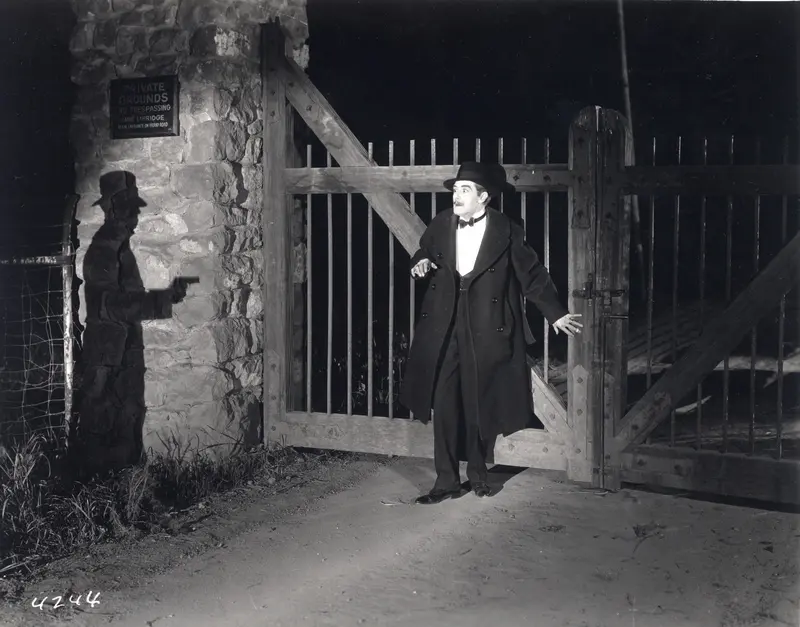
From a technical perspective, the film showcases the burgeoning artistry of silent cinema. The use of intertitles is effective, providing necessary exposition without bogging down the visual narrative. The lighting, score (in modern restorations), and editing all work in concert to build atmosphere and enhance emotional impact. There are moments of genuine suspense and stark realism that demonstrate how sophisticated filmmaking had become by the mid-1920s. It’s a far cry from the more nascent efforts of earlier cinema, demonstrating a clear understanding of narrative structure and character development that would influence generations of filmmakers. In terms of dramatic intensity and the crafting of a compelling central performance, one could even draw a thematic line to the theatricality and societal critique present in films like Bag Filmens Kulisser, which, though focused on the behind-the-scenes world of filmmaking, also explores the performative aspects of life and the blurred lines between reality and fabrication.
The narrative arc, which sees Marie's manufactured story lead directly to her son's arrest, is a masterstroke of tragic irony. The very act designed to elevate her brings about the deepest possible despair. The film doesn't shy away from the harsh realities of her choices, forcing her to confront the devastating consequences of her self-serving ambition. The climax, where the truth slowly but inexorably comes to light, is handled with a gripping intensity, culminating in a powerful resolution that leaves a lasting impression. It’s a reminder that lies, no matter how ingeniously crafted, often have a way of unraveling, leaving a trail of destruction in their wake.
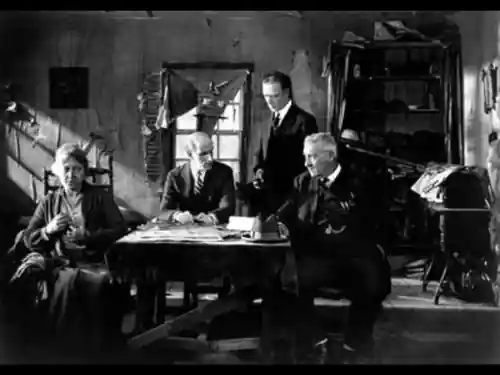
In an era brimming with groundbreaking cinematic achievements, The Goose Woman stands out as a powerful example of character-driven drama. It’s not just a historical artifact; it's a living, breathing piece of art that continues to resonate with contemporary audiences. The themes of fame, public perception, maternal love, and justice are timeless, and the film tackles them with a raw honesty that is often missing in more overtly moralistic tales. For anyone interested in the evolution of storytelling in cinema, or simply in a compelling human drama, this film is an absolute must-see.
Ultimately, The Goose Woman is more than just a silent film; it's a profound psychological thriller wrapped in a melodrama, elevated by superb acting and astute direction. It serves as a stark warning against the seductive allure of fame and the perilous path of self-deception. Louise Dresser’s performance alone is worth the price of admission (or the click of a button, as the case may be), offering a portrayal of a fallen idol that is both heartbreaking and horrifying. It cemented her status as one of the silent screen's most formidable dramatic actresses. This film is a testament to the enduring power of classic cinema to explore the darkest corners of the human psyche and leave an indelible mark on the viewer. Don't let this one fly under your radar; it deserves its place among the greats.
IMDb 6.8
1915
Community
Log in to comment.