DbcultAccessing Vault...
Cult Review
Senior Film Conservator
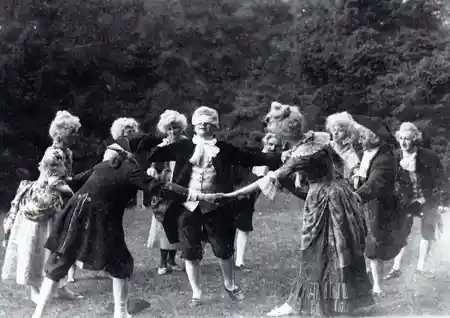
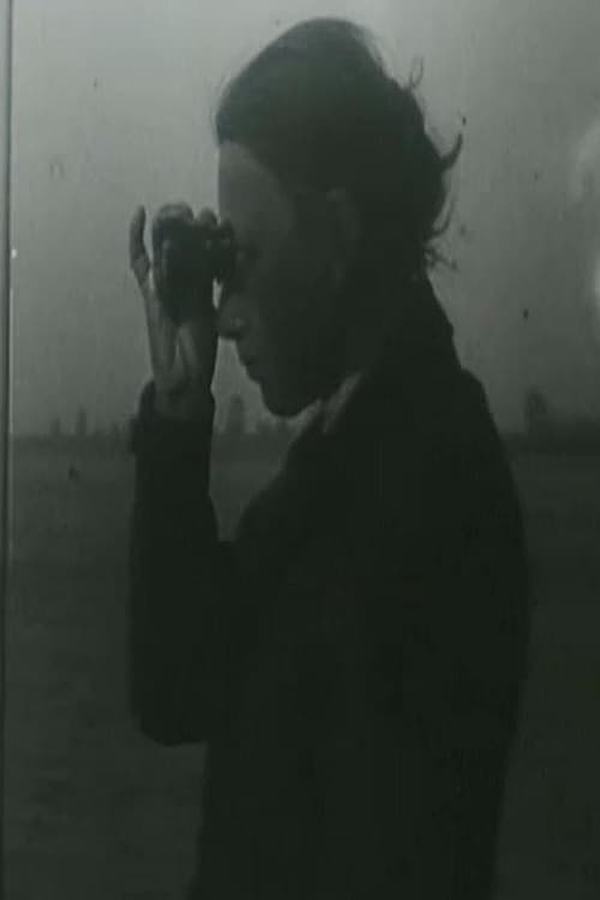
So, 'Rosen'. Yeah. If you’re someone who genuinely loves digging through old films, the kind that might feel a bit forgotten, then you really ought to give this a look. It’s definitely not for everyone, though. Don't go in expecting a neat story or big explosions. Anyone who gets fidgety without a clear hero or villain, or needs things spelled out, will probably find it a bit of a slog. But for the curious, for those who appreciate the *vibe* of early cinema, it’s got a peculiar charm. 🕰️
The print I saw had that lovely, slightly grainy texture. You just feel the age of the film. It adds to the whole experience, honestly, like you're watching a secret. The sound, where it exists, is a little muffled, like listening to someone whisper from another room. It makes you lean in closer, almost without realizing it.
What struck me first about 'Rosen' was its pacing. It's **deliberate**, to say the least. There's this scene early on, just a character — I think it was Erik Bertner, though it’s hard to tell for sure with the quality — walking across a field. It goes on for what feels like a minute and a half. No dialogue, no dramatic music. Just walking. You can almost feel the movie inviting you to slow down. To just *be* there. Most modern films wouldn't dare. 🤔
There are these small, almost domestic moments that really stick with you. A shot of a hand stirring something in a pot, the light catching the steam. Or a child playing with a toy that looks like a miniature horse. It's not important to any grand plot, I don't think. But it feels real. **Really real.**
The performances, especially from what I could gather from Svend and Willy Bille, feel very much of their time. A bit theatrical, maybe? But there’s an honesty there. When someone looks sad, they look *profoundly* sad, often with a hand dramatically covering their face. It’s not subtle. And yet, it works for the overall tone. Eli Lehmann has a few moments where her expressions just cut through the old film haze. Very expressive eyes.
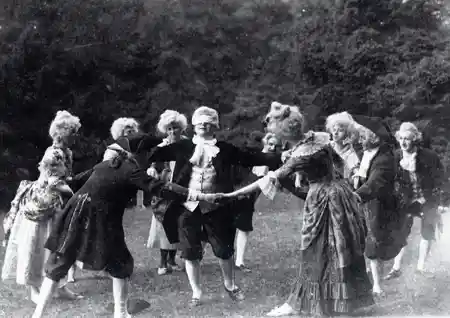
One scene I keep thinking about involves a small gathering, maybe a family dinner. Everyone's just sitting, not saying much, just eating. The camera lingers on each face for a beat too long. You start to wonder what everyone's thinking. What unspoken things are happening around that table? It’s **masterful in its quietness**.
There’s a part where someone is looking out a window. Just looking. The shot stays on their back for a good long while. Then, a slow pan to what they’re seeing: just a tree, swaying a little in the wind. No big revelation. No shocking twist. It’s just… a moment. It could be dull if you’re not in the right mood, but it feels profound in its simplicity. 🌳
I found myself trying to piece together a story, but it almost felt like the film was resisting me. Like it wanted to be an experience, not a puzzle to solve. Fleming Lynge, the writer, really leaned into that, I think. Or maybe the era just allowed for this kind of narrative looseness.
The movie gets noticeably better once you stop trying to figure out what's *supposed* to happen and just let it wash over you. It's an immersion into a different kind of filmmaking. A slower, perhaps more observational kind. It’s a bit like finding an old diary. You don’t read it for the plot; you read it for the feeling, for the glimpse into someone else's time.
IMDb —
1931
Community
Log in to comment.