A definitive 6.6/10 rating for a film that redefined the boundaries of cult cinema. Rue de la paix remains a cornerstone of transgressive art.
Is Rue de la paix worth watching today? Short answer: yes, but with significant caveats that demand a specific kind of viewer. This film is an intriguing, albeit often frustrating, watch for cinephiles interested in the early evolution of French melodrama and the silent era's narrative conventions, but it will likely test the patience of those accustomed to modern pacing and character depth.
For those who appreciate cinematic archaeology, who are willing to delve into the stylistic choices and storytelling rhythms of a bygone era, Rue de la paix offers a fascinating, if imperfect, window into early 20th-century French cinema. It’s a film that asks for patience and a willingness to engage with its historical context, rewarding those who seek to understand the foundations upon which contemporary narratives are built. It works. But it’s flawed.
This film works because... it captures the essence of early 20th-century melodrama with a compelling, if simplistic, emotional core centered on the perils of love and betrayal, offering a valuable historical artifact of French silent cinema.
This film fails because... its narrative relies heavily on character archetypes and broad dramatic strokes, often sacrificing nuanced development for overt emotionality, which can feel dated and less impactful to a modern audience used to psychological complexity.
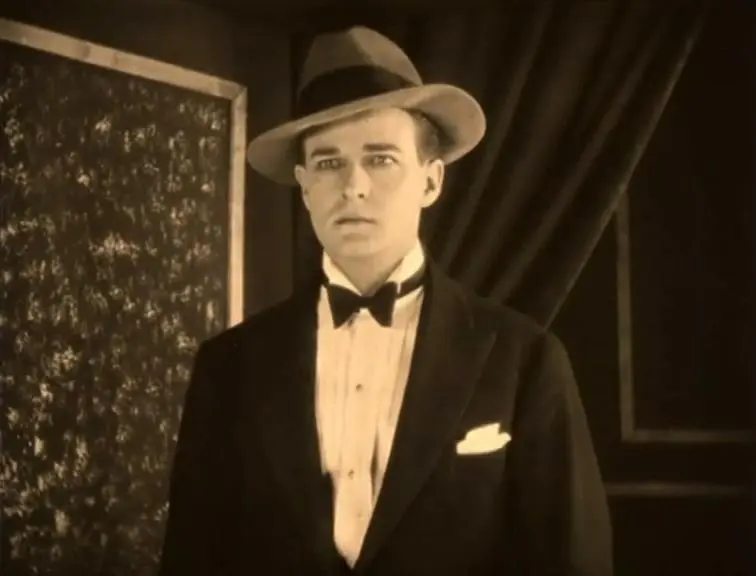
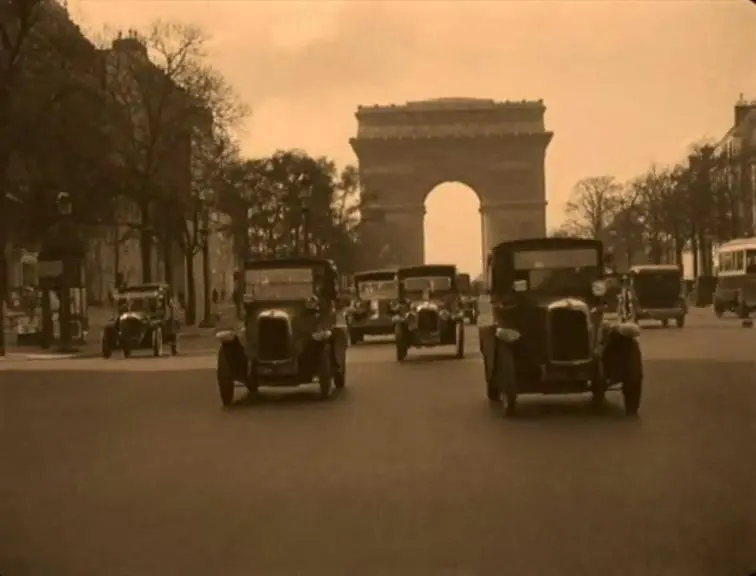
Scene from Rue de la paix
Cinematic perspective: Exploring the visual vocabulary of Rue de la paix (1927) through its definitive frames.
You should watch it if... you are a student of early French cinema, a silent film enthusiast, or someone who enjoys dissecting the historical roots of genre storytelling, particularly within the realm of romantic drama, and can appreciate the craft despite its age.
A Glimpse into the Parisian Haute Monde: Setting the Stage
Directed by Léon Mathot, and penned by Abel Hermant and Marc de Toledo, Rue de la paix plunges its audience into the seemingly glamorous, yet inherently treacherous, world of Parisian haute couture. The fashion designer’s atelier, rather than a mere backdrop, functions almost as another character, its opulent yet ruthless environment subtly influencing the moral compromises and emotional turmoil of its inhabitants. The film’s greatest strength lies in its ability to evoke this specific milieu, contrasting the beauty of the garments with the ugliness of human failings.
The visual language, though constrained by the technology of its era, attempts to convey the grandeur and the intricate artistry of the fashion industry. We imagine sweeping shots of elegant gowns, the meticulous work of seamstresses, and the bustling energy that would define such a creative space. This setting provides a rich canvas for the classic melodrama that unfolds, where ambition and desire are as tailored as the dresses themselves.
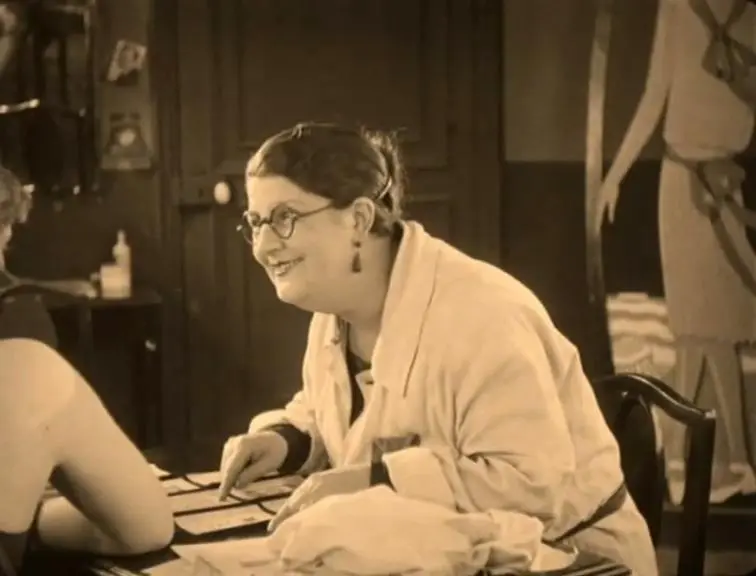
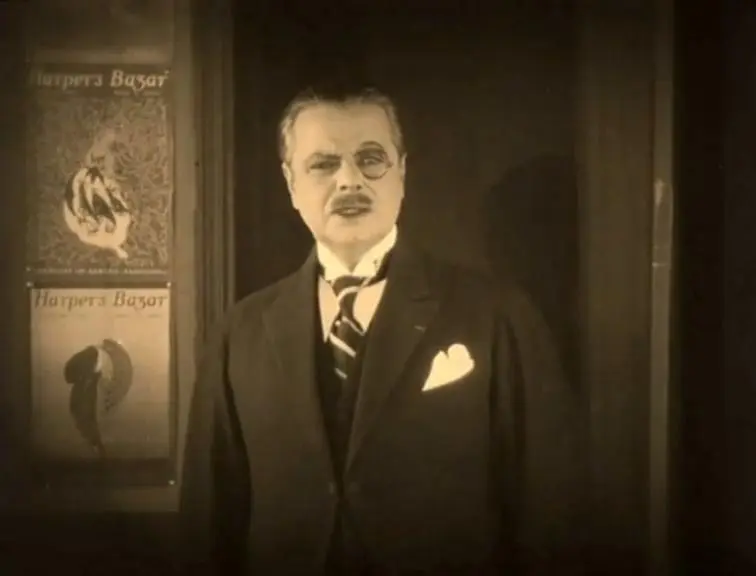
Scene from Rue de la paix
Cinematic perspective: Exploring the visual vocabulary of Rue de la paix (1927) through its definitive frames.
Yet, beneath the surface sparkle, a darker narrative brews. The 'rue de la paix' itself, a street synonymous with luxury and high fashion, becomes a ironic metaphor for the emotional turbulence experienced by Thérèse and Laurent. Their love story, set against a backdrop of such material splendor, highlights the timeless truth that wealth and status offer no immunity from the most base human emotions: jealousy, betrayal, and the corrosive influence of a false friend. This thematic tension is what gives the film its enduring, albeit academic, appeal.
The Players and Their Plight: Cast Analysis
The performances in Rue de la paix are characteristic of the silent era, relying heavily on exaggerated facial expressions and grand gestures to convey emotion. Suzy Pierson, as Thérèse, embodies the archetypal innocent caught in a web of deceit. Her portrayal, while undeniably heartfelt, often leans into the broader strokes of silent film acting, which can occasionally feel less nuanced than modern audiences might prefer. One can almost see her quiet desperation in certain close-ups, her wide eyes reflecting the unfolding betrayal.
Andrée Lafayette, likely playing the 'false friend,' delivers a performance that, by necessity, must communicate duplicity without the aid of dialogue. Her sly glances, subtle shifts in posture, and calculated interactions would have been key to establishing her character's insidious nature. This kind of performance requires a specific kind of physical theatricality, a skill Lafayette undoubtedly possessed, making her character a compelling, if one-dimensional, antagonist.
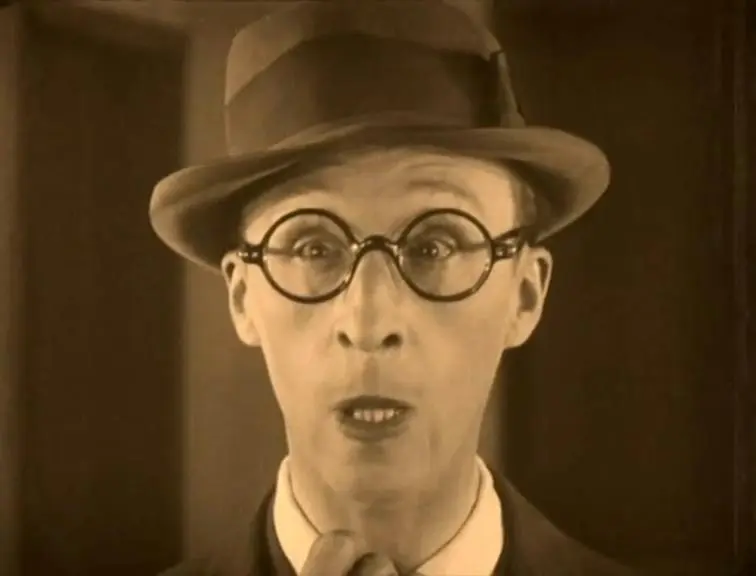
Scene from Rue de la paix
Cinematic perspective: Exploring the visual vocabulary of Rue de la paix (1927) through its definitive frames.
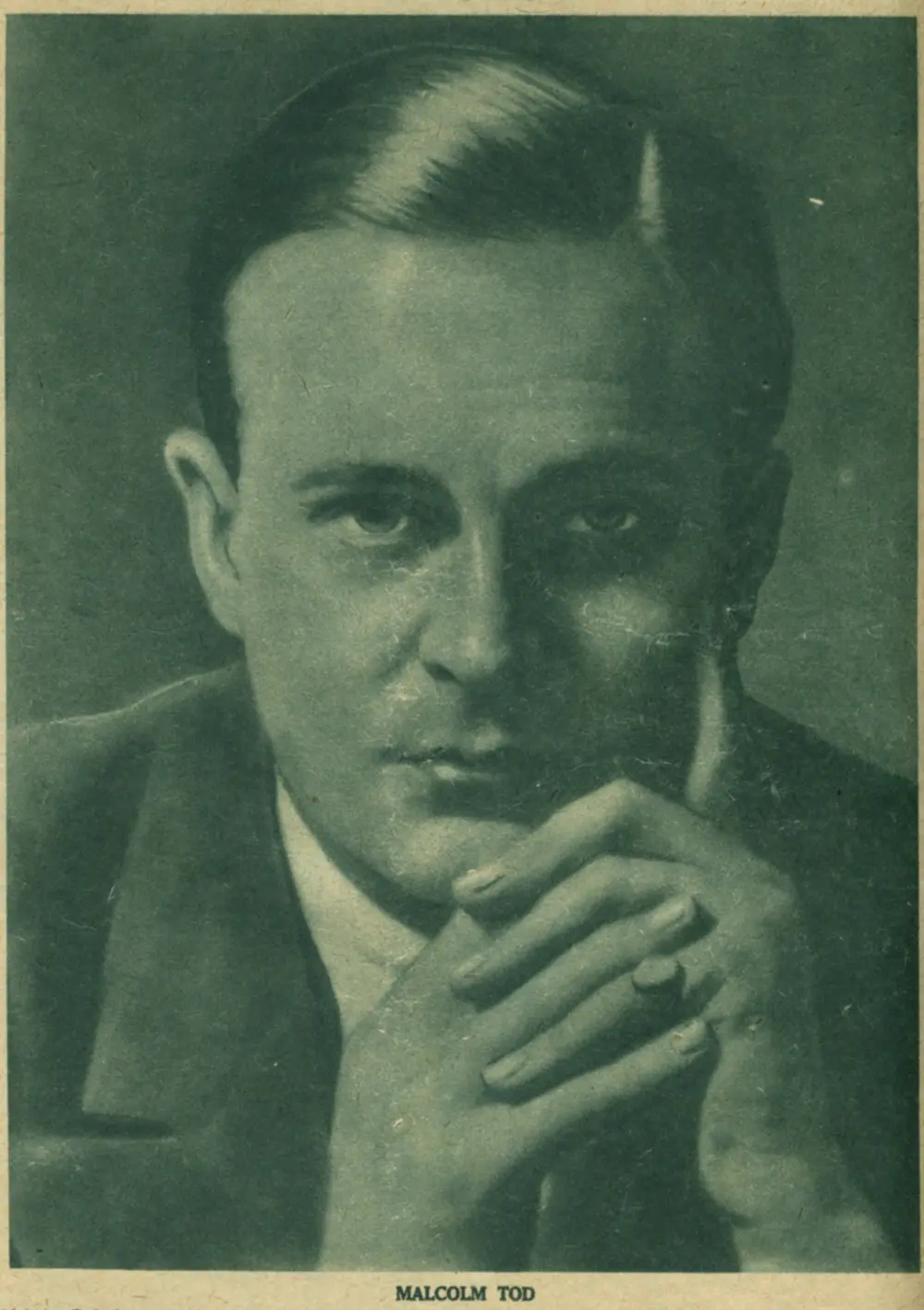
Armand Bernard, as the millionaire, likely portrays a figure of power and potential threat. His presence alone, even without overt villainy, would cast a long shadow over Thérèse and Laurent's humble romance. The silent film's reliance on visual cues means Bernard's bearing and costuming would have been crucial in establishing his character's status and influence, perhaps through a commanding stroll or a dismissive gesture. Malcolm Tod, Marcel Cendrars, and Léon Mathot himself, among others like Flore Deschamps and Jules Moy, fill out the ensemble, each contributing to the dramatic tapestry with performances that, while perhaps less central, are integral to the film's overall fabric. Their collective efforts create a believable, if melodramatic, world where every gesture carries weight, a stark contrast to the understated performances often prized in contemporary cinema.
Direction and Visual Language
Léon Mathot's direction in Rue de la paix is, by the standards of its time, competent and effective in conveying the narrative's emotional beats. The cinematography would have primarily focused on clear compositions, ensuring that the audience could follow the plot through visual storytelling. Close-ups are likely employed sparingly but effectively, used to highlight moments of intense emotion—a tear falling, a look of betrayal, a flash of jealousy in a character's eyes. This judicious use of close-ups would have been critical in a medium devoid of spoken dialogue, serving as the characters' inner monologue.
The film's visual language would also depend heavily on mise-en-scène to establish character and mood. The opulent settings of the fashion house, contrasted with perhaps simpler, more intimate spaces for Thérèse and Laurent, would visually underscore the class divide and the pressures exerted by the millionaire. The direction of actors, too, would have been paramount, guiding their physicality to communicate complex emotions. Unlike the dynamic camera work seen in later eras, or even the more experimental silent films like The Cabinet of Dr. Caligari, Mathot likely opted for a more straightforward, theatrical approach, ensuring clarity above all else.
Scene from Rue de la paix
Cinematic perspective: Exploring the visual vocabulary of Rue de la paix (1927) through its definitive frames.
One unconventional observation is how the film, despite its age, manages to imbue inanimate objects with symbolic weight. A specific piece of jewelry, a letter, or even a particular dress could become a focal point, loaded with narrative significance. This technique, common in silent films but particularly effective here, allows the film to communicate complex plot points and character motivations without relying solely on intertitles. It’s a testament to the visual ingenuity required in the early days of cinema.
Pacing and Narrative Flow
The pacing of Rue de la paix is undeniably a product of its time. Silent films often embraced a slower, more deliberate rhythm, allowing scenes to unfold with a stately grace that can feel languid to contemporary viewers. This film is no exception. The narrative, driven by the classical arc of a love threatened by external forces, builds tension through a gradual accumulation of events rather than rapid-fire plot twists. The 'false friend's' machinations are likely revealed incrementally, their impact slowly dawning on the unsuspecting lovers.
Intertitles, serving as a crucial narrative device, would punctuate the visual storytelling, providing dialogue, exposition, and emotional context. While essential, their frequent appearance can sometimes disrupt the visual flow, demanding a different kind of engagement from the audience. This reliance on text, a necessary evil of the silent era, requires viewers to actively read and interpret, a far cry from the seamless integration of dialogue we expect today. The film’s narrative structure, though simple, is effective in delivering its melodramatic beats, guiding the audience through moments of tender affection, escalating jealousy, and inevitable confrontation.
Scene from Rue de la paix
Cinematic perspective: Exploring the visual vocabulary of Rue de la paix (1927) through its definitive frames.
For those unfamiliar with silent film conventions, this pacing can be a significant hurdle. It's a rhythm that demands patience, a willingness to absorb the story through visual cues and textual exposition rather than dynamic cuts and rapid plot progression. Yet, for those who adapt, there's a certain meditative quality to it, allowing for deeper appreciation of the period's storytelling craft. It’s less about the speed of events and more about the emotional resonance of each unfolding moment, a deliberate build-up to the dramatic climax. This approach is a far cry from the frenetic energy of a modern action film, or even the brisk pacing of a comedy like Bowled Over.
Is This Film Worth Watching Today?
Yes, Rue de la paix absolutely holds value for specific audiences today. It serves as a vital historical document of French cinema's early years. It offers a clear example of silent era melodrama. The film showcases the acting styles and narrative conventions of its time. It is a must-see for film historians and silent film enthusiasts. Modern viewers seeking fast-paced entertainment might struggle. However, those interested in the evolution of storytelling will find it rewarding. Its exploration of timeless themes—love, jealousy, betrayal—remains relevant. The setting in the fashion world adds a unique period charm. It's a window into a past cinematic language.
Best for: Silent film aficionados, film historians, and those interested in early French melodrama or the history of fashion in cinema.
Not for: Viewers seeking fast-paced narratives, nuanced psychological drama, or modern production values.
Standout element: Its compelling depiction of the Parisian haute couture world as a backdrop for timeless human drama, offering a unique period flavor.
Biggest flaw: The reliance on broad character archetypes and melodramatic excess, which can feel less engaging to contemporary sensibilities accustomed to greater subtlety.
Pros and Cons
Historical Significance: Offers a rare glimpse into early French filmmaking, showcasing a particular style of melodrama that defined the era.
Atmospheric Setting: The fashion designer's atelier provides a visually rich and thematically resonant backdrop, elevating the standard love triangle.
Clear Thematic Focus: Explores universal themes of love, jealousy, and social ambition with an unambiguous narrative.
Strong Archetypal Performances: The cast, particularly Suzy Pierson and Andrée Lafayette, effectively embody their roles, delivering performances that are authentic to the silent era's demands.
Valuable for Study: An excellent case study for understanding silent film conventions, narrative structure, and character development before the advent of sound.
Cons:
Dated Pacing: The deliberate, slow rhythm, typical of silent films, can test the patience of modern audiences accustomed to faster cuts and immediate gratification.
Lack of Nuance: Character motivations and emotional arcs are often presented with broad strokes, lacking the psychological depth common in later cinema.
Reliance on Intertitles: While necessary, the frequent interruptions for textual explanations can break immersion and slow the visual storytelling flow.
Melodramatic Excess: The emotional intensity, while characteristic of the genre, can sometimes border on the theatrical, making it difficult for some viewers to connect empathetically. This is a common pitfall in silent cinema, seen similarly in films like The Girl and the Graft.
Limited Accessibility: As an older silent film, high-quality restorations might be scarce, impacting the viewing experience for casual audiences.
Verdict
Rue de la paix is not a film for everyone, nor does it pretend to be a lost masterpiece that will redefine your understanding of cinema. Instead, it is a valuable piece of cinematic history, a solid example of early French melodrama that executed its intentions with the tools available at the time. Its narrative, though simple, resonates with timeless themes of love, jealousy, and the corrupting influence of wealth and deceit. It requires an audience willing to meet it on its own terms, to appreciate its historical context and its stylistic conventions, rather than judging it by contemporary standards.
For those with a genuine interest in silent cinema, for historians charting the evolution of narrative film, or for anyone curious about the foundational elements of French romantic drama, Rue de la paix offers a rewarding, if occasionally challenging, experience. It’s a film that reminds us where we came from, and how far cinematic storytelling has evolved. It’s a firm recommendation for the discerning cinephile, but a hard pass for casual viewers seeking modern entertainment. It holds its place, quietly. Its charm is undeniable, if you know where to look.