DbcultAccessing Vault...
5/10
Senior Film Conservator
A definitive 5/10 rating for a film that redefined the boundaries of cult cinema. Ruth of the Range remains a cornerstone of transgressive art.
Ruth of the Range: A Daring Ride into Silent Serial History
Ah, the silent serial! A bygone era of cinematic thrills, where heroines regularly defied gravity, villains cackled with impunity, and cliffhangers were not just a narrative device but a weekly ritual. Among the pantheon of these early action queens, Ruth Roland reigned supreme, a true pioneer whose athleticism and charisma made her a household name. In 1923, she graced the screen in Ruth of the Range, a fifteen-chapter spectacle that perfectly encapsulated the genre's enduring appeal. This wasn't merely a film; it was an event, a communal experience that drew audiences back week after week, eager to witness the latest escapade of their beloved star. The sheer energy and ingenuity required to sustain such a narrative over multiple episodes, each ending on a knife-edge, is something modern cinema rarely attempts, let alone achieves with such consistent verve.
The narrative engine of Ruth of the Range is a compelling one, rooted in a very real concern of the nascent industrial age: energy. Dr. Edgar Blaisdell, played with appropriate gravitas by Lorimer Johnston, has unlocked the secret to 'Fuelite,' a revolutionary coal substitute. This isn't just a convenient plot device; it speaks to the anxieties and aspirations of the 1920s, an era grappling with the demands of an expanding industrial footprint and the finite nature of natural resources. The promise of Fuelite is immense, potentially reshaping global commerce and power dynamics. Naturally, such a prize cannot remain in benevolent hands for long. A nefarious gang, recognizing the immense value and potential for monopolistic control, abducts Dr. Blaisdell, hoping to extort the formula from him. This act of villainy sets the stage for our heroine's grand adventure, transforming a scientific breakthrough into a desperate struggle for survival and justice.
The Indomitable Spirit of Ruth Roland
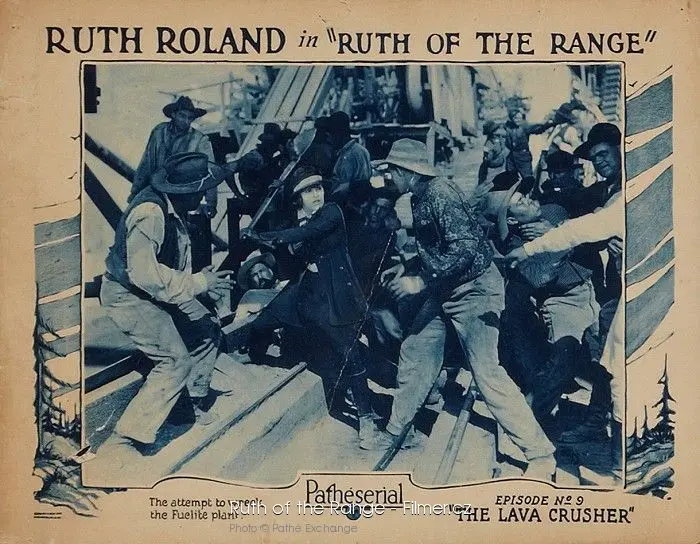
And what a heroine Ruth Roland proves to be! As Dr. Blaisdell's daughter, she embodies a proactive, resourceful spirit that was both aspirational and deeply engaging for audiences of the time. Roland wasn't just a damsel in distress; she was an active participant in her own rescue, and indeed, her father's. Her character, also named Ruth, is a whirlwind of action, whether she's galloping across the screen on horseback, scaling precarious cliffs, or engaging in hand-to-hand combat. This physical prowess, combined with an undeniable screen presence, is what cemented Roland's status as a 'serial queen.' Unlike some of her contemporaries who might have relied more on dramatic emoting, Roland brought a tangible athleticism to her roles, performing many of her own stunts. This authenticity resonated deeply, making her exploits feel more immediate and thrilling. Her portrayal here is a masterclass in silent film acting, conveying determination, fear, and triumph through expressive gestures and piercing gazes, all without a single spoken word.
The supporting cast, while often overshadowed by Roland's star power, contributes significantly to the serial's texture. Ernest C. Warde, a veteran of numerous films, likely played a key supporting role, perhaps a loyal friend or a love interest, providing a stable counterpoint to Ruth's frenetic energy. The villains, led by figures like Andre Peyre and Pat Harmon, are appropriately menacing, their theatrical wickedness a hallmark of the genre. Their exaggerated gestures and sinister expressions were vital in conveying threat without dialogue, creating a palpable sense of danger that kept audiences on the edge of their seats. It’s also fascinating to note the early appearance of Milton Berle in the cast list. While his role here would have been a minor one, a mere stepping stone in his illustrious career, it serves as a curious footnote to his later fame, a testament to the vast talent pools from which these serials often drew their performers. Omar Whitehead, Bruce Gordon, and Harry De Vere also contributed to the rich tapestry of characters, fleshing out the world in which Ruth's high-stakes drama unfolds.
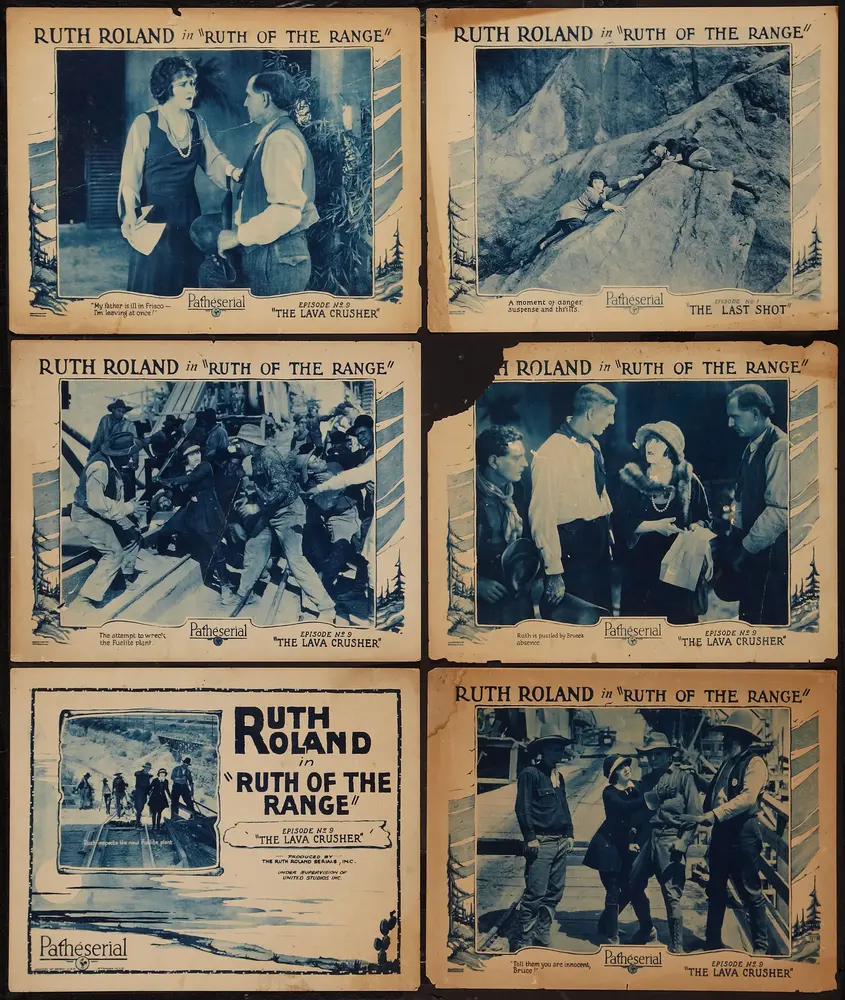
Crafting the Thrill: Writing and Direction
The intricate plotting and relentless pacing essential to a successful serial were the domain of writers Gilson Willets and Frank Leon Smith. Crafting a narrative that could sustain fifteen distinct chapters, each with its own mini-climax and a compelling cliffhanger, required a unique blend of creativity and structural discipline. They understood the mechanics of suspense, meticulously layering plot twists and reversals to maintain audience engagement. The challenge was not just to tell a story but to fragment it in such a way that each installment felt both complete and tantalizingly incomplete. Their work here is a testament to the ingenuity of early screenwriting, where the rules of episodic storytelling were still being written. The sheer volume of narrative required for a serial of this length often meant a certain degree of contrivance, but within the established conventions of the genre, Willets and Smith delivered a compelling framework for Roland's heroics.
Direction in silent serials often prioritized action and clear visual storytelling over nuanced character development or complex cinematic techniques. The goal was impact and clarity, ensuring that even without dialogue, the audience understood the stakes and the unfolding drama. While specific directorial credits for each episode might vary or be less emphasized in historical records, the overall aesthetic of Ruth of the Range would have been consistent with the fast-paced, action-oriented style prevalent in serials of the era. The use of location shooting, particularly for the 'range' elements, would have added a sense of grandeur and realism to the adventurous sequences, contrasting sharply with the more confined, conspiratorial settings of the villains. The visual language was direct, designed to elicit immediate emotional responses and maintain momentum, critical for a format that relied on weekly anticipation.
The Legacy of Serial Queens and Cinematic Comparisons
Ruth Roland's career, and indeed Ruth of the Range itself, stands as a significant marker in the history of female representation in cinema. Long before the modern action heroines, serial queens like Roland were demonstrating strength, intelligence, and agency on screen. This was a powerful image for audiences, particularly women, who saw in these characters a reflection of burgeoning independence. While the plots were often fantastical, the core message of a woman taking charge of her destiny resonated. This film can be seen as a direct predecessor to the strong female leads we still celebrate today, embodying a spirit of self-reliance that was revolutionary for its time. One might draw parallels to the spirited heroine in The Red Glove, another serial featuring a tenacious female protagonist navigating dangerous circumstances. The sheer audacity of these women, often outwitting and outfighting their male adversaries, was a thrilling departure from more passive female roles often seen in dramatic features.
Comparing Ruth of the Range to other films of its era reveals both its unique qualities and its place within broader cinematic trends. While films like The White Sister, released around the same time and starring the iconic Lillian Gish, focused on more dramatic and romantic narratives, Ruth of the Range carved out its niche in pure adventure. It wasn't about the internal struggles of a nun, but the external, physical struggle against tangible evil. This genre specialization was key to the serial's success. Even within the realm of thrillers, films like The Dragon's Net might offer similar espionage or mystery elements, but Ruth of the Range grounds its thrills in the more visceral, high-stakes pursuit of a kidnapped scientist and his invaluable invention. The simplicity of its core conflict — good versus evil, ingenuity versus greed — allowed for maximum action and minimal exposition, a formula perfected by the serial format.
The Enduring Allure of the Cliffhanger
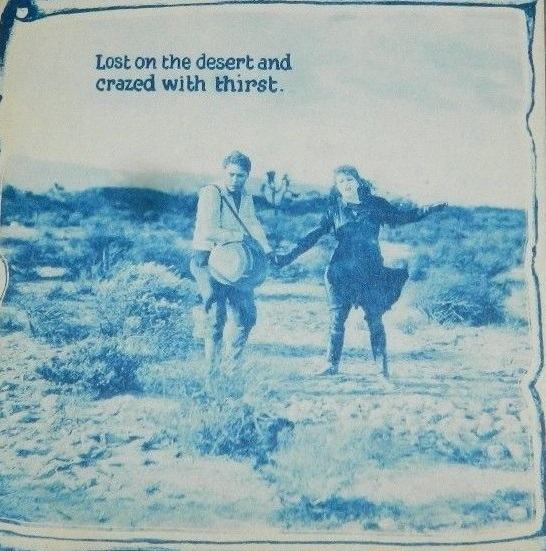
The very essence of a serial like Ruth of the Range lies in its meticulously crafted cliffhangers. Each chapter concludes with Ruth in an impossibly perilous situation – perhaps trapped in a burning building, dangling from a precipice, or facing down a firing squad. These moments were designed not just to surprise but to actively frustrate the audience, compelling them to return the following week to witness her miraculous escape. The ingenuity of these resolutions, often achieved through clever editing or a sudden, unexpected intervention, became a genre in itself. This deliberate manipulation of suspense is a psychological art form, a testament to the early filmmakers' understanding of audience engagement. It created a shared experience, a collective anticipation that united moviegoers in their weekly quest to see Ruth triumph over adversity. This format, though less common today, laid crucial groundwork for modern television series and even multi-part film franchises, demonstrating the power of serialized storytelling.
The themes explored, albeit implicitly, in Ruth of the Range also warrant consideration. Beyond the immediate thrills, there's a commentary on the rapid industrialization of the era and the ethical dilemmas posed by scientific advancement. Fuelite represents both progress and peril, a dual nature that adds a layer of depth to what might otherwise be a straightforward adventure. The film, through its narrative, asks questions about who controls vital resources and the lengths to which individuals and corporations will go to secure them. This underlying tension elevates the serial beyond mere escapism, hinting at broader societal concerns that remain relevant even a century later. The struggle for Fuelite isn't just a personal one for Ruth and her father; it's a battle for the future of energy, a struggle that resonates with contemporary discussions about sustainable resources and corporate power.
A Glimpse into Early Cinematic Spectacle
Watching Ruth of the Range today, for those fortunate enough to find preserved prints, is a journey back in time. It's a chance to appreciate the raw energy and pioneering spirit of early cinema. The special effects, while rudimentary by modern standards, were groundbreaking for their time, often relying on practical stunts, clever camera angles, and sheer daring. The pacing, though different from contemporary films, possesses a certain relentless momentum that is utterly captivating. It reminds us that storytelling, at its core, is about engaging an audience, and these early serials did so with an unvarnished enthusiasm that is infectious. The absence of sound forces a deeper engagement with the visual language, with the exaggerated expressions and physical actions becoming the primary conveyors of emotion and plot. This immersive visual experience is a unique aspect of silent cinema, demanding a different kind of spectatorship.
The impact of films like Ruth of the Range on popular culture cannot be overstated. They created the template for episodic narratives, established the archetype of the action heroine, and honed the art of suspense. While specific details about the film's production budget or box office performance might be scarce now, its very existence as a multi-chapter serial starring a prominent queen of the genre speaks volumes about its success and popularity. It was entertainment designed for the masses, accessible and thrilling, offering a weekly dose of adventure that provided a much-needed escape from everyday life. In an era before widespread radio or television, the cinema, and especially the serial, was a primary source of communal storytelling and excitement.
Conclusion: A Timeless Thrill
Ultimately, Ruth of the Range stands as more than just a historical curiosity; it is a vibrant testament to the power of early cinema and the magnetic appeal of its stars. Ruth Roland, with her unwavering determination and daring exploits, crafted a character that transcended the limitations of the silent screen, becoming an icon of strength and resilience. The film's thrilling plot, centered around the fight for a revolutionary energy source, remains surprisingly relevant, touching upon themes of innovation, greed, and heroism that continue to resonate. For cinephiles and historians alike, this serial offers a fascinating window into a pivotal moment in film history, showcasing the birth of serialized storytelling and the enduring legacy of its trailblazing stars. It's a reminder that even without dialogue, special effects, or color, a compelling story and a captivating performance can create a truly unforgettable cinematic experience. The range, in this context, is not just a geographical setting but a metaphor for the vast expanse of human courage and ingenuity, brilliantly captured in this thrilling silent masterpiece.
IMDb 6.9
1932
Community
Log in to comment.