DbcultAccessing Vault...
7/10
Senior Film Conservator
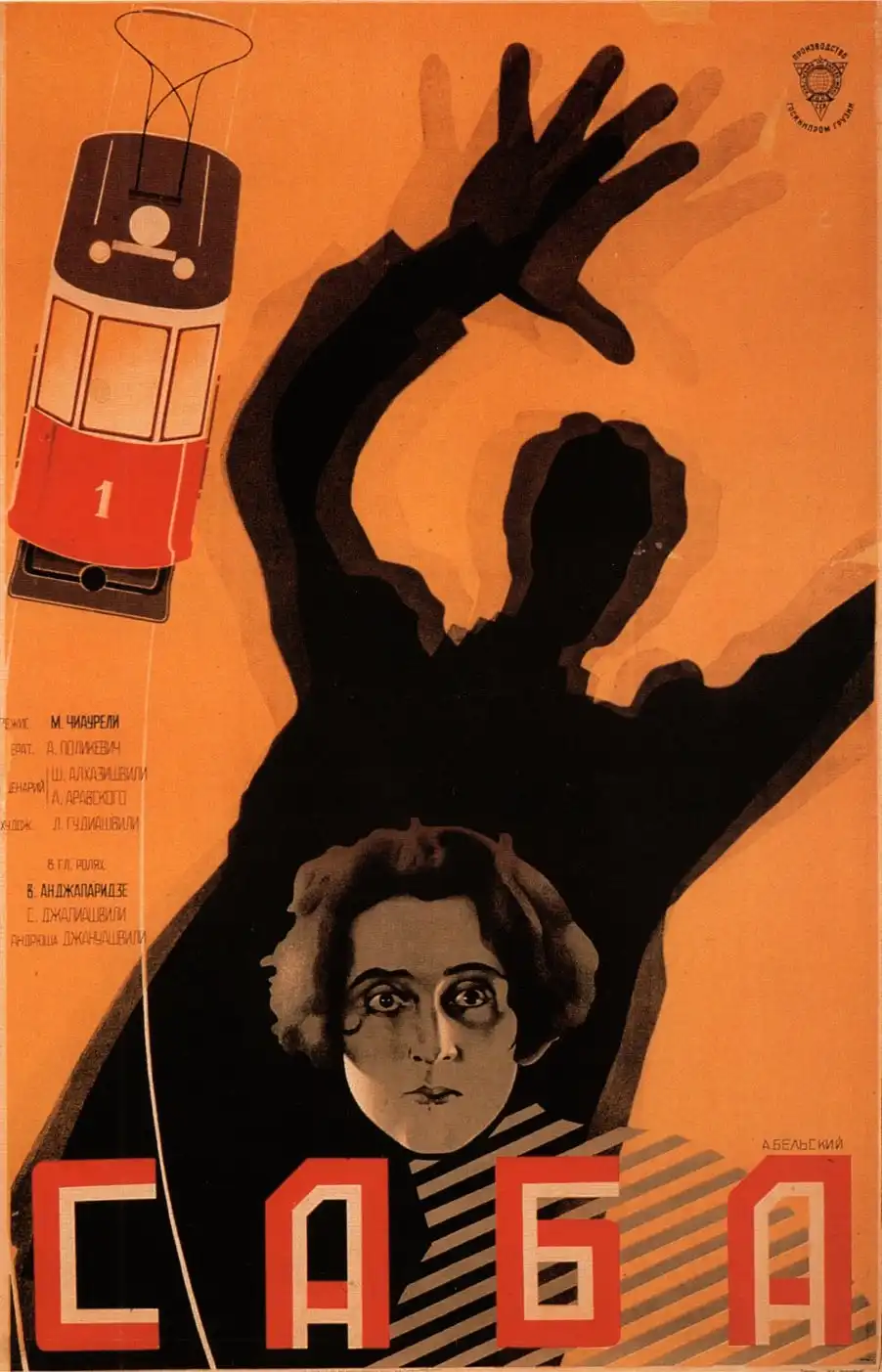
A definitive 7/10 rating for a film that redefined the boundaries of cult cinema. Saba remains a cornerstone of transgressive art.
If you have about an hour and want to see what 1920s Georgia looked like through a lens of regret and vodka, you should probably watch Saba.
It is perfect for people who like silent movies that feel a bit more grounded and less like a stage play. You will probably hate it if you can't stand being wagged a finger at for having a drink.
The story is simple. Saba is a tram driver who drinks too much, and his son is basically the hero of the new Soviet world who has to deal with his dad's nonsense.
The first thing I noticed was how much the camera loves the trams. There is something about the way those old metal boxes clatter through the streets of Tbilisi that feels heavier than modern movies.
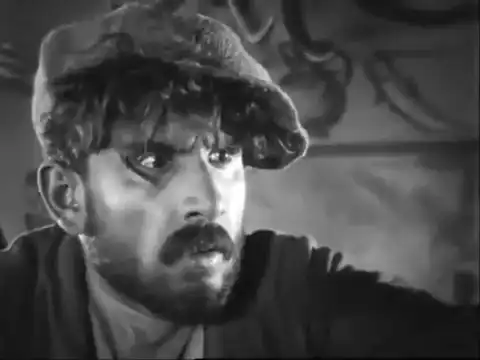
Saba himself is played by Aleksandre Jaliashvili. He has this face that looks like it has been folded too many times.
When he is drunk, he isn't that funny movie drunk. He is just... messy. It is kind of uncomfortable to watch him stumble around his family.
His wife, Maro, is played by Veriko Anjaparidze. She looks constantly tired in a way that feels very real for someone living with an alcoholic in 1929.
There is a scene where Saba is just staring at a bottle. The lighting makes the glass look almost like a monster.
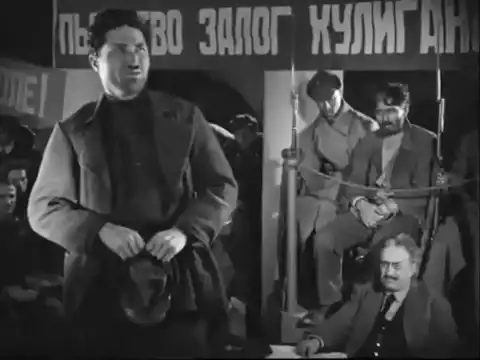
It reminded me a little of the heavy shadows in The Living Corpse, though this feels more like a street-level story than a grand tragedy.
The movie is supposed to be a "morality tale." That usually means it is going to be boring and preachy.
But there is this weird humor tucked into the corners. Like the way the neighbors poke their heads out to watch the drama.
It feels like the director really knew these neighborhoods. The clothes look itchy and the dust feels like it is actually on the lens.
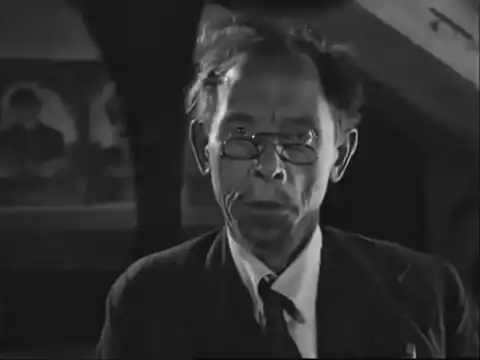
The son, Paata, is a bit of a bore though. He is so perfect and "correct" that you almost want him to mess up just once.
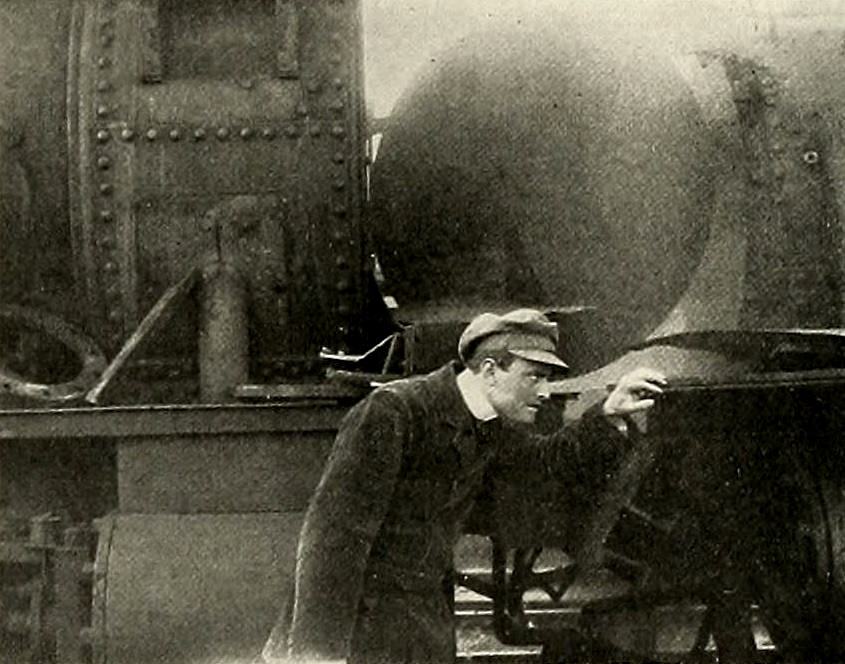
The movie gets really tense when Saba is at the controls of the tram while he is tipsy. You can almost feel the cold metal and the lack of brakes.
It’s not as trippy as something like Ballet mécanique, but it has these rhythmic moments with the machinery that get under your skin.
The subtitles (or intertitles, I guess) are pretty straightforward. No flowery language here.
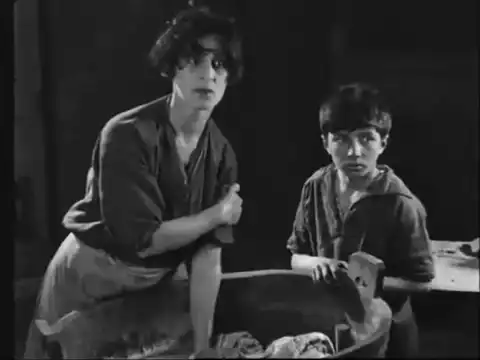
I found myself wondering about the extras in the background. They aren't actors, they’re just people from 1929 Tbilisi staring at a camera crew.
One guy in a big hat just stands there for like five seconds too long. It is great.
The pacing is actually pretty fast. It doesn't linger on sadness as much as I expected.
Sometimes the cuts are a bit jarring. One second he is at the bar, the next he is ruining a dinner.
It’s a bit like Day Dreams in that way, where the internal misery of the character drives everything forward.
Is it a masterpiece? Probably not. It’s a propaganda film at the end of the day.
But propaganda usually isn't this observant about how a house feels when the dad comes home late.
There is a specific shot of a glass of water that feels more important than it should be. 🚰
I liked it more than I thought I would. It’s short enough that the lecturing doesn't get too annoying.
You can tell the people who made it actually cared about the city. It isn't just a backdrop; it’s a character that is also fed up with Saba.
The ending is... well, it’s a 1920s Soviet ending. You can probably guess if it’s happy or not.
But the journey there is surprisingly human. Even when Saba is being a total jerk, you kind of get why he is tired.
Worth a watch if you find it on a dusty corner of the internet. It’s got more soul than most of the stuff they pump out now.

IMDb —
1923
Community
Log in to comment.