DbcultAccessing Vault...
4.7/10
Senior Film Conservator
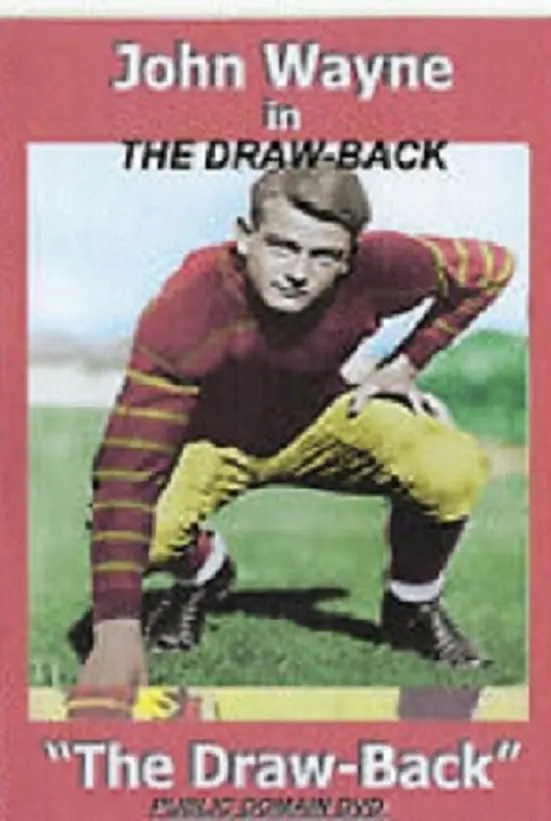
A definitive 4.7/10 rating for a film that redefined the boundaries of cult cinema. The Draw-Back remains a cornerstone of transgressive art.
Is The Draw-Back worth watching today? Short answer: yes, but with significant caveats. This early silent-era college romp offers a fascinating, if uneven, glimpse into a bygone comedic style, making it a peculiar delight for film historians and silent film enthusiasts, but likely a challenging watch for casual viewers accustomed to modern pacing and narrative sophistication.
It's a curious piece of cinematic history, perhaps most notable for featuring a very young John Wayne in one of his earliest, uncredited roles. If you appreciate the foundational elements of American comedy and don't mind a slower, more physical brand of humor, then this film might just be for you. If you're seeking polished gags or a compelling story, you're better off looking elsewhere.
Directed with the energetic, often frantic pace typical of silent comedies, The Draw-Back plunges us into the misadventures of a guileless country bumpkin, portrayed by Johnny Arthur, as he navigates the treacherous social landscape of college life. Arthur’s performance is a masterclass in physical comedy, relying heavily on exaggerated expressions and a pliable body to convey his character’s perpetual state of bewilderment and pain. He is the quintessential underdog, a figure frequently exploited by the campus bullies who find endless amusement in his naiveté.
The plot, thin as it is, serves primarily as a scaffold for a series of escalating gags. We see our protagonist repeatedly tricked into embarrassing encounters with the dean, each sequence building on the last with a predictable yet often amusing rhythm. This isn't groundbreaking storytelling, but it's effective in its simplicity, aiming for consistent laughter rather than complex character development. The humor is broad, relying on pratfalls, mistaken identities, and the sheer absurdity of the situations.
One of the more enduring comedic tropes, the misunderstanding by a loved one, is central here. The protagonist's wife, played by Kathryn McGuire, mistakenly believes him to be a star athlete, a delusion that propels him onto the football team. McGuire brings a charming earnestness to her role, providing a contrast to Arthur’s flustered antics. Her unwavering belief in her husband's non-existent athletic prowess is a source of both genuine sweetness and considerable comedic mileage.
For many, the primary draw of The Draw-Back lies in its historical significance, particularly the blink-and-you'll-miss-him appearance of a young John Wayne. Credited then as Duke Morrison, his role is undeniably minor, a background player in a football scene, far removed from the iconic, commanding presence he would later cultivate. It’s a fascinating footnote for fans, offering a rare opportunity to see the legendary actor in his nascent stages, before he became the Duke we know.
The film itself serves as a valuable artifact, showcasing the comedic sensibilities and production values of the late silent era. The cinematography, while not revolutionary, is competent, capturing the physical humor with clear framing and dynamic blocking, particularly during the chaotic football sequences. The pacing is typical of the period, often rapid-fire during the gags, but interspersed with slower moments that allow the audience to absorb the visual comedy.
It is important to view The Draw-Back through the lens of its time. Silent films operated on a different comedic language, one less reliant on dialogue and more on visual storytelling. The exaggerated expressions, the physical stunts, the clear delineation of good and bad characters – these were the conventions of the day. To judge it by modern standards of subtlety or wit would be unfair, missing the point entirely of its historical and entertainment value.
The film truly embraces the absurd in its climactic football game. This is where The Draw-Back distinguishes itself, moving beyond conventional slapstick into a realm of pure, unadulterated silliness. The decision to include a massive mud hole on the field, transforming the game into a messy, slippery spectacle, is inspired. It’s a clear precursor to countless comedic sequences in sports films that would follow, emphasizing the chaos and physical indignity of the sport for our hapless hero.
But the true stroke of genius, or perhaps madness, is the substitution of the football with a wasp nest. This single, audacious gag elevates the entire sequence, injecting a frantic, unpredictable energy. It’s a moment that defies logic, yet perfectly encapsulates the film's commitment to escalating comedic chaos. The image of grown men desperately trying to handle a buzzing, stinging ball is genuinely funny, pushing the boundaries of what was acceptable (and safe) for on-screen antics at the time.
This kind of creative, almost surreal humor is what makes certain silent comedies so memorable. It's a reminder that filmmakers were constantly experimenting, pushing boundaries, and finding new ways to elicit laughter without the aid of spoken words. The sheer audacity of the wasp nest gag is something that resonates even today, a testament to the enduring power of visual comedy when executed with confidence.
This film works because of its unpretentious commitment to physical comedy and its historical value as a snapshot of early Hollywood. Johnny Arthur’s performance is genuinely endearing, making his character’s misfortunes genuinely amusing rather than merely cruel. The film's energy, particularly in its latter half, is infectious, and the sheer audacity of its central gags – the mud pit, the wasp nest – ensures it leaves a lasting impression.
This film fails because its plot is undeniably thin, serving merely as a vehicle for gags. The humor, while effective for its time, can feel repetitive or overly simplistic to a modern audience. Furthermore, the lack of character depth means emotional investment is minimal, making the viewing experience more observational than immersive. The early portions, before the football game, can drag.
You should watch it if you have an interest in silent film history, a fondness for classic slapstick, or a desire to see John Wayne in his absolute earliest, unpolished form. It's also a good choice for those who appreciate the evolution of comedic tropes and enjoy dissecting how early films laid the groundwork for future genres. Think of it as an archaeological dig into cinematic humor.
It works. But it’s flawed. The charm is there, if you’re willing to look past the rough edges.
Johnny Arthur, as the hapless protagonist, carries the film on his scrawny shoulders. His rubbery face and gangly physique are perfectly suited for the role of the perpetual victim. He embodies the spirit of the era's comedic leads, reminiscent of figures like Harold Lloyd or Buster Keaton in his ability to convey emotion and reaction through physical means. While he lacks the profound melancholic depth of Keaton or the everyman relatability of Lloyd, Arthur's commitment to the bit is undeniable. Every stumble, every look of wide-eyed terror, is meticulously performed for maximum comedic effect.
Kathryn McGuire, though given less to do, provides a necessary anchor. Her character’s unwavering support and mistaken admiration offer a touch of warmth amidst the chaos. She represents the innocent, aspirational side of the narrative, contrasting sharply with the cynical pranksters and the protagonist's own clumsiness. Her performance is subtle, relying on gentle smiles and hopeful glances, a quiet counterpoint to Arthur’s more overt theatrics.
The direction, while uncredited for most early silent shorts, effectively orchestrates the comedic set pieces. The camera is mostly static, allowing the actors to perform within the frame, but it moves when necessary to follow the action, especially during the more dynamic football scenes. There's a clear understanding of comedic timing, with gags often building in intensity and culminating in a satisfying payoff. The use of intertitles is sparse but effective, conveying dialogue and crucial plot points without interrupting the visual flow.
Compared to more sophisticated silent comedies like The Half-Back of Notre Dame, which might have offered a more nuanced take on collegiate sports, The Draw-Back opts for pure, unadulterated farce. It doesn't aim for profundity, but rather for straightforward, accessible laughter. This directness is both its strength and, at times, its limitation.
The pacing of The Draw-Back is a mixed bag. The initial setup, introducing the protagonist and his tormentors, can feel a little slow. The humor relies on repetition, which, while characteristic of silent comedy, can test the patience of a modern viewer. However, once the football element is introduced, and especially during the game itself, the film picks up considerable momentum. The chaos becomes relentless, and the gags come thick and fast, creating a genuinely exhilarating finale.
The tone is overwhelmingly lighthearted and farcical. There’s no real malice in the bullying, merely mischievousness, which ensures the film remains an innocent comedy rather than straying into darker territory. Even the physical pain endured by the protagonist is played for laughs, never lingering long enough to evoke genuine sympathy. This commitment to a purely comedic tone is admirable, maintaining a consistent atmosphere of playful absurdity throughout.
My unconventional observation? The film inadvertently highlights the strange, almost ritualistic hazing culture that seems to have permeated collegiate narratives for decades, even in its earliest, most exaggerated forms. It’s a recurring theme in films about college, from the 1920s to today, suggesting a curious continuity in certain aspects of institutional life, albeit presented here through a comedic distorting lens. It’s a fascinating, if unintentional, sociological document.
The Draw-Back is more than just a historical curiosity; it's a spirited, if uneven, example of silent-era college comedy. While it won't resonate with everyone, its infectious energy and commitment to pure slapstick make it a worthwhile watch for those with a taste for the foundational elements of cinematic humor. Johnny Arthur delivers a genuinely commendable performance, and the sheer audacity of the film's climax is something to behold. It’s a good film, for what it is. It doesn't pretend to be more than a series of escalating gags, and in that, it largely succeeds. Don't go in expecting a profound narrative or a star turn from John Wayne, but do expect some hearty, if old-fashioned, laughs.
It’s a charming, if slightly dusty, artifact that proves laughter, in its simplest form, transcends time. For film students and those who appreciate the evolution of comedy, it’s a necessary stop. For everyone else, it’s a pleasant, if peculiar, diversion. It won't change your life, but it might just make you smile at the sheer ingenuity of early filmmakers. A solid 6.5/10 for its historical value and comedic high points, despite its structural weaknesses.
IMDb 5.5
1935
Community
Log in to comment.