DbcultAccessing Vault...
7.6/10
Senior Film Conservator
A definitive 7.6/10 rating for a film that redefined the boundaries of cult cinema. Men of Steel remains a cornerstone of transgressive art.
Is Men of Steel worth your time today? Short answer: yes, but only if you have a high tolerance for the absurd coincidences that fueled 1920s melodrama.
This film is for enthusiasts of silent-era industrial epics and fans of Milton Sills' rugged screen presence. It is definitely not for viewers who demand psychological realism or a plot that doesn't rely on deathbed confessions.
This film works because the industrial sequences are shot with a raw, tactile energy that makes the steel mill feel like a living, breathing monster.
This film fails because the third act collapses under the weight of too many convenient plot twists and a jarringly sudden change in the protagonist's romantic direction.
You should watch it if you want to see how silent cinema transitioned from simple morality plays to complex, large-scale productions that attempted to tackle labor relations.
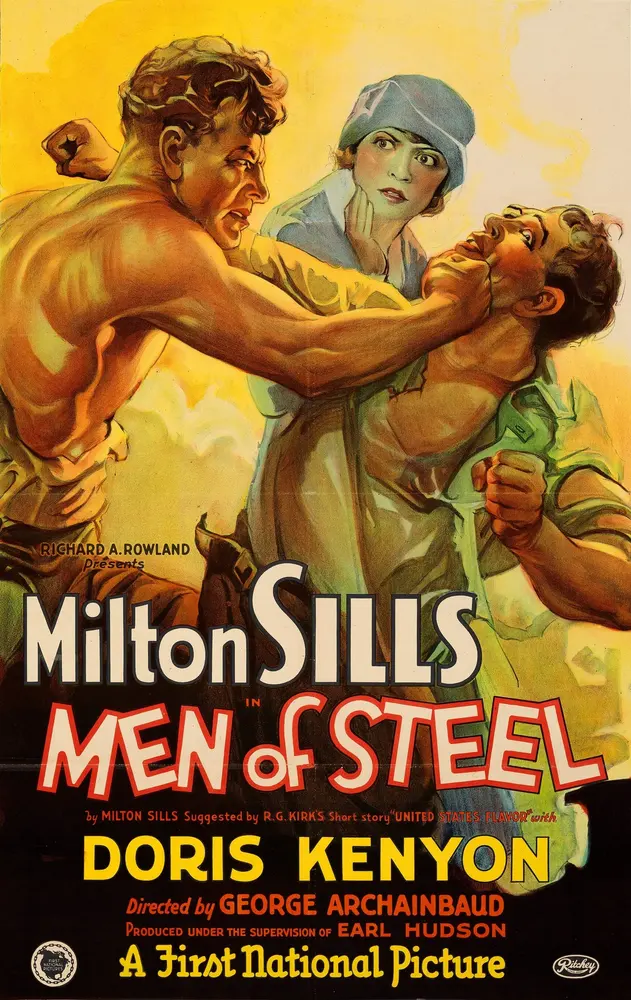
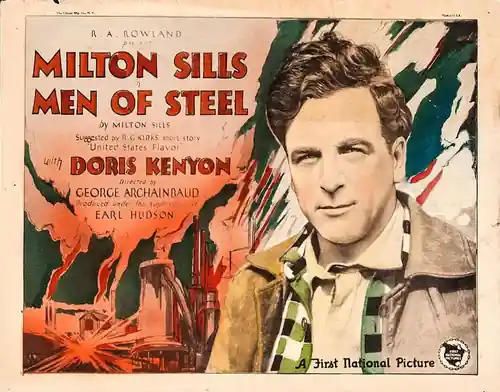
Men of Steel is a fascinating artifact of its time. It is a film that wants to be two things at once: a gritty look at the life of the working man and a high-stakes soap opera. Milton Sills, playing Jan Bokak, brings a physicality to the role that was rare for the era. Unlike the more polished stars of the mid-20s, Sills looks like he could actually operate a furnace.
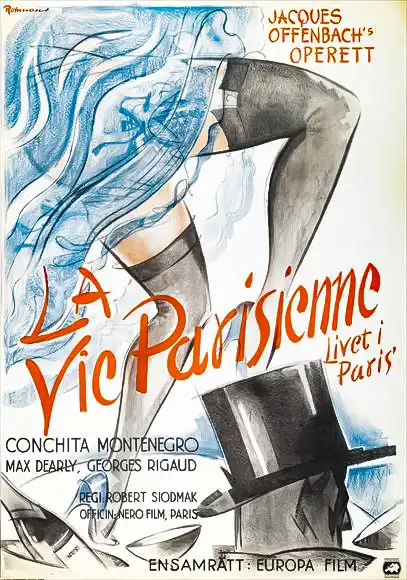
The early scenes in the mining town establish a sense of dread. When Jan takes the fall for the murder of Anton, it isn't played as a noble sacrifice in the traditional sense. It feels like a man being crushed by the weight of his environment. This is a recurring theme in films like Samhällets dom, where the social structure acts as a cage for the protagonist.
However, the film truly finds its footing when Jan moves to the steel mills. The cinematography here is exceptional. The way the light from the molten steel plays across the actors' faces creates a chiaroscuro effect that is more effective than any dialogue could be. It reminds me of the visual intensity found in Hei de Vencer, where the environment is as much a character as the humans.
One of the most surprising elements of Men of Steel is the portrayal of Cinder Pitt, the mill owner. In many films of this period, the owner would be a mustache-twirling villain. Here, George Fawcett plays Pitt with a degree of nuance. He isn't an enemy; he's a man who respects strength and competence. The friendship that develops between Jan and Pitt is one of the film's strongest narrative threads.
The labor agitators, on the other hand, are portrayed with the typical bias of the 1920s. They are the clear villains, seeking to wreck the mill for reasons that are never fully explored. This lack of nuance in the political subtext is a common flaw in films like Guarding Old Glory. The film chooses to focus on individual heroism rather than systemic change.
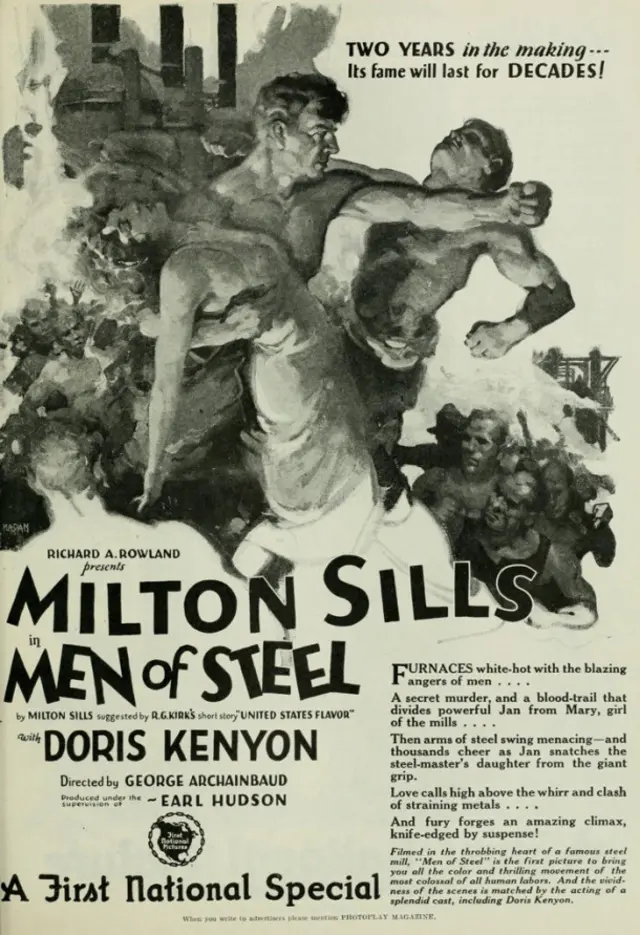
The scene where Jan saves Clare from the agitators is a standout moment of action. Sills handles the stunt work with a conviction that makes the danger feel real. It’s a punchy, well-edited sequence that highlights the film's high production values. It works. But it’s flawed in its simplicity.
Where Men of Steel begins to stumble is in its reliance on the "small world" trope. The revelation that Mary’s mother is the runaway wife of Cinder Pitt is a bridge too far. It’s the kind of twist that feels like it belongs in a different movie, perhaps something like The Moonstone, where mystery and lineage are the primary focus.
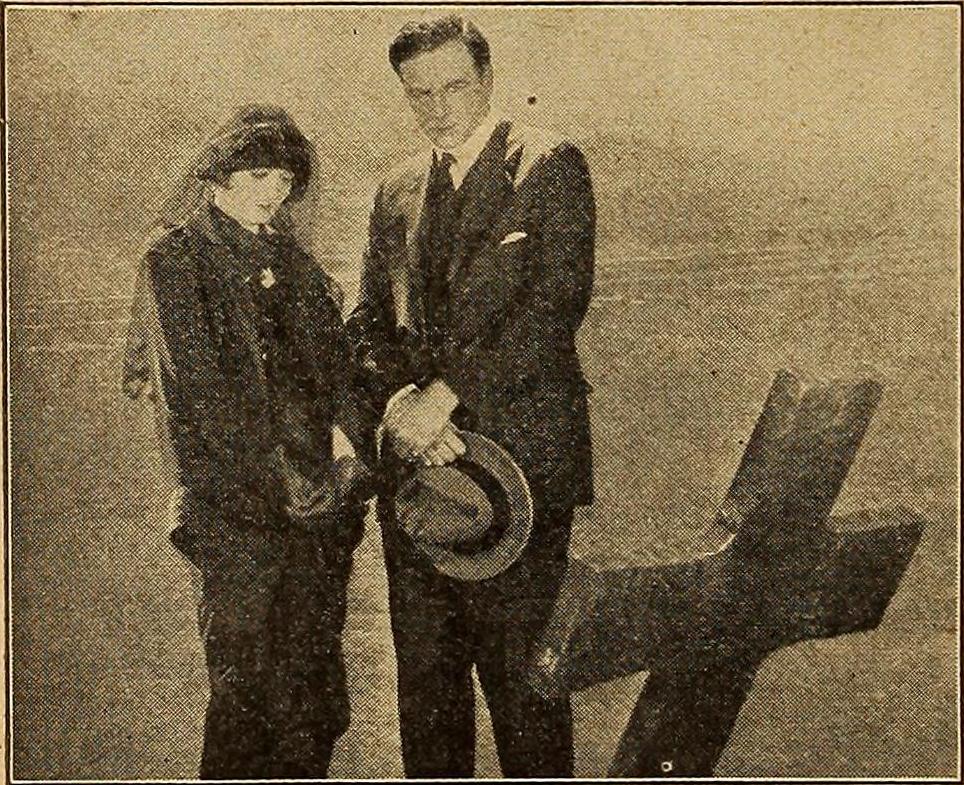
This shift into pure melodrama undercuts the gritty realism established in the first half. The film asks the audience to accept a series of coincidences that are mathematically impossible. When Mary arrives at the Pitt home just as Jan is about to marry Clare, the film moves from industrial epic to stagey tragedy. It is a jarring transition that requires a lot of patience from the viewer.
The pacing also suffers in these later stages. The film spends a significant amount of time on the deathbed confession and the subsequent fallout. Compared to the brisk, energetic pace of the mill sequences, these scenes feel stagnant. It’s a problem often seen in Lady Hamilton, where the historical weight slows down the personal drama.
If you are looking for a masterclass in silent film acting and industrial set design, then yes, Men of Steel is absolutely worth watching. The performance by Milton Sills is a highlight of the decade, and the visual representation of the steel industry is historically significant. However, if you are looking for a cohesive, logical story, you may find the ending incredibly frustrating.
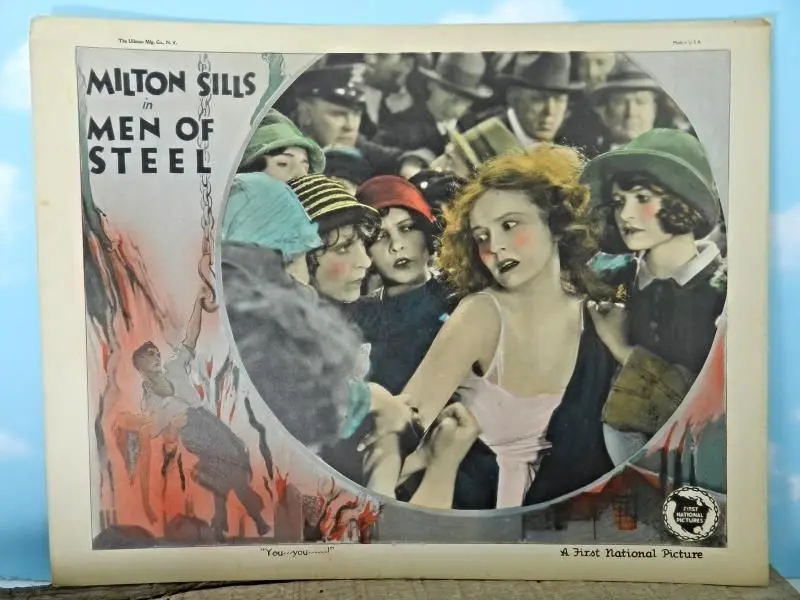
Milton Sills was known for his "man's man" persona, and Jan Bokak is the quintessential Sills role. He carries the film with a stoic intensity. Even when the plot becomes ridiculous, Sills remains grounded. His chemistry with Doris Kenyon is serviceable, but his scenes with Victor McLaglen are where the real sparks fly. McLaglen brings a rough-hewn charm that balances Sills' more serious tone.
Doris Kenyon, as Mary, has the difficult task of playing a character who is often the catalyst for Jan's misery. She does what she can with the material, but the script doesn't give her much depth beyond her role as the "abandoned woman." In contrast, May Allison’s Clare is a more modern figure, though she is eventually discarded by the plot in a way that feels unearned.
The supporting cast is filled with reliable character actors. George Fawcett as Pitt is particularly good, providing a paternal anchor for the story. The way he interacts with Sills suggests a mutual respect that transcends class lines, even if the script eventually solves their differences through a convenient blood relation.
Interestingly, Men of Steel functions as an unintentional critique of the American Dream. Jan works hard, rises to the top, and finds love, only to have his progress halted by the ghosts of his past. The film suggests that no matter how much steel you pour or how many lives you save, you are always bound to the social and moral debts of your origin. It’s a surprisingly cynical subtext for a film that ends with a wedding and a business partnership.
This cynicism is what makes the film more interesting than standard fare like The Perfect Flapper or Miss Nobody. It doesn't just want to entertain; it wants to grapple with the idea of identity. Jan Bokak is a man trying to outrun his own name, and the film's refusal to let him do so is its most honest moment.
When compared to other films of the era like Percy or Jes' Call Me Jim, Men of Steel stands out for its sheer scale. It feels "big" in a way that many 1920s dramas do not. While The Cricket on the Hearth focused on domestic intimacy, Men of Steel focuses on the clashing of gears and the roar of the furnace.
It shares some DNA with Battling Mason in its depiction of a man fighting against the odds, but it has a much higher level of technical sophistication. The direction by George Archainbaud is confident, even if he can't quite manage the tonal shifts of the script. The film is a bridge between the simple narratives of the early silent era and the complex social dramas that would follow in the 1930s.
Men of Steel is a flawed but fascinating piece of cinema. It is a film of immense physical power and questionable narrative logic. While the ending may leave a bitter taste in the mouth of modern audiences, the journey through the mines and mills is worth the price of admission. It is a testament to the charisma of Milton Sills and the artistry of the silent era's technical craftsmen. It is heavy. It is loud. It is iron-clad melodrama.
IMDb 6.7
1934
Community
Log in to comment.