DbcultAccessing Vault...
5.4/10
Senior Film Conservator
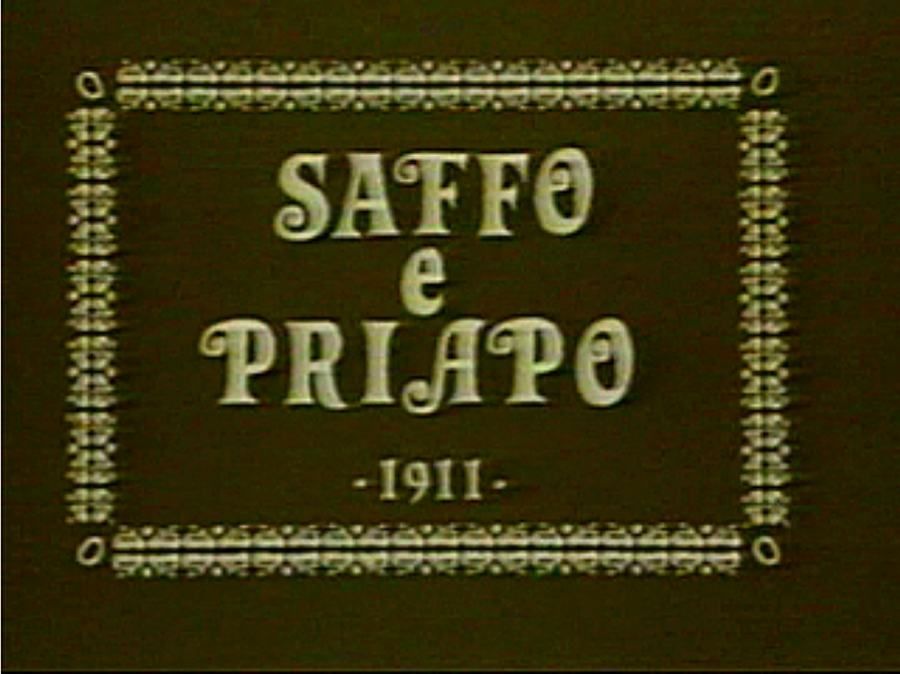
A definitive 5.4/10 rating for a film that redefined the boundaries of cult cinema. Saffo e Priapo remains a cornerstone of transgressive art.
The cinematic landscape of the early 20th century, particularly in Italy, was a fascinating crucible of burgeoning artistry, and within this fertile ground, a film like Saffo e Priapo emerges not merely as a historical artifact but as a vibrant, albeit often unsettling, testament to the era's audacious spirit. To truly appreciate this work, one must shed the shackles of modern narrative expectations and immerse oneself in its unique, almost operatic, cadence. Directed with a keen eye for psychological intensity and starring the enigmatic Gabriellino D'Annunzio, this film is less a straightforward story and more a visceral poem, an exploration of the primal forces that underpin human creativity and carnal desire. It is a work that deliberately blurs the lines between the sacred and the profane, the refined and the raw, challenging its audience to confront the untamed wilderness within themselves.
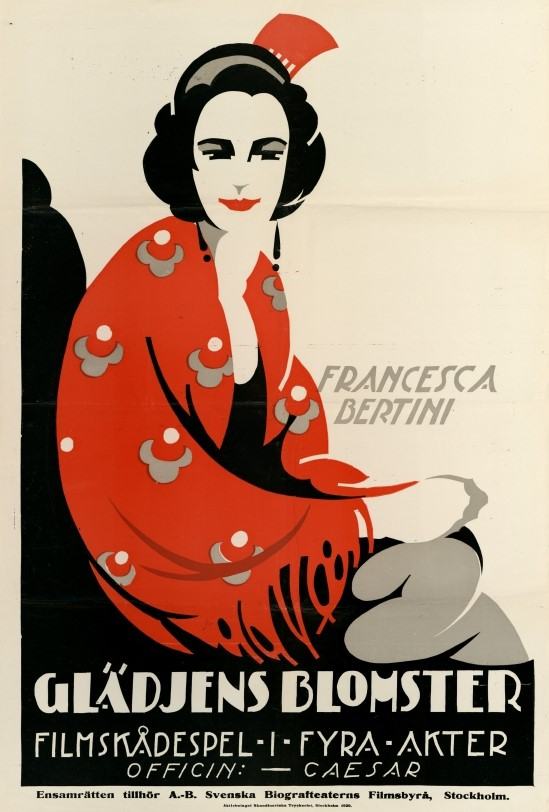
From its opening frames, Saffo e Priapo establishes an atmosphere steeped in a heady mix of classical allusion and decadent romanticism. We are introduced to Elara, a poetess whose soul, we are led to believe, is as exquisite as her verses. Yet, there's a palpable ennui about her, a languid weariness that suggests an artistic wellspring on the verge of exhaustion. Her villa, a sun-drenched relic perched precariously above a rugged coastline, mirrors her internal state: beautiful, yet crumbling, filled with echoes of past glories but lacking a vital, present pulse. Her existence is one of exquisite melancholy, a self-imposed exile from the mundane world in pursuit of a higher, purer art. This is a common trope in early cinema, where the artist's struggle often takes center stage, but here it is infused with a particularly Italianate passion, a sensibility that perhaps finds a distant echo in the more overt emotionalism seen in films like The Panther Woman, though Saffo e Priapo trades the urban jungle for a more elemental, primeval one.
The catalyst for Elara’s awakening, or perhaps her undoing, arrives in the form of Leone, portrayed with an arresting, almost feral intensity by Gabriellino D'Annunzio. D'Annunzio, inheriting a certain theatricality and poetic sensibility from his illustrious father, brings to the role a raw, untamed energy that is utterly captivating. Leone is not merely a man; he is a force of nature, a living embodiment of the earth's untrammeled fecundity, a modern-day Priapus. His hands, accustomed to shaping crude but vibrant effigies of nature from clay and wood, are a stark contrast to Elara's delicate fingers, which glide over parchment. He moves with a primal grace, an animalistic magnetism that shatters the fragile serenity of Elara's world. His very presence is a challenge, an affront to her carefully cultivated aesthetic, yet it is precisely this jarring discord that ignites a dormant spark within her.
The dynamic between Elara and Leone is the beating heart of the film. It is a relationship born not of gentle affection, but of a magnetic repulsion and a desperate, almost intellectual, fascination. Elara, the Apollonian artist, sees in Leone's Dionysian chaos a potential salvation for her flagging muse. She attempts to civilize him, to channel his raw, untamed energy into the structured elegance of her poetry, believing that by taming the wild, she can harness its power. She envisions him as her new muse, a living, breathing wellspring of inspiration, a stark contrast to the more conventional, often idealized, romantic figures found in contemporary melodramas like Mother o' Mine. But Leone, for his part, seeks to strip away Elara's intellectualized sorrow, to reconnect her with the visceral pulse of life, to drag her back to an uninhibited, earthy existence. He represents the call of the wild, the seductive allure of instinct over intellect, a theme that resonates through many silent films grappling with societal constraints, though rarely with such explicit, almost pagan, undertones.
The cinematography throughout this tumultuous courtship is nothing short of extraordinary for its time. The director employs evocative lighting and striking compositions to heighten the emotional intensity. Shadows play a crucial role, often enveloping Leone, emphasizing his mysterious, elemental nature, while shafts of light illuminate Elara, highlighting her ethereal, almost fragile, beauty. The close-ups on their faces, particularly during moments of intense emotional exchange, are remarkably intimate, conveying a wealth of unspoken feeling. One can almost feel the tension crackling between them, a silent dialogue of conflicting desires played out through glances and gestures. The landscape itself becomes a character, mirroring their internal struggles: the wild, windswept cliffs reflecting Leone's untamed spirit, the enclosed, ornate rooms of the villa symbolizing Elara's cloistered world.
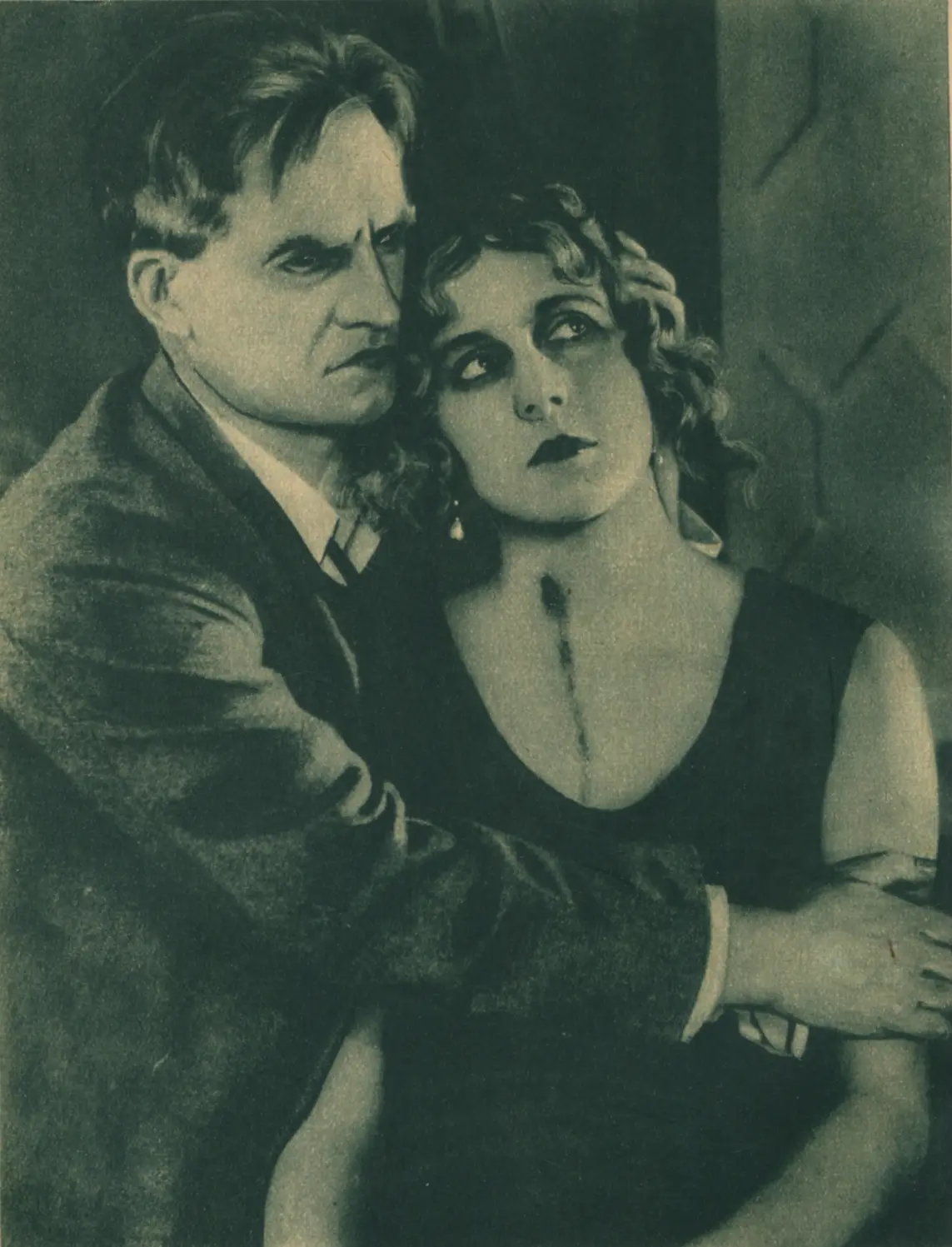
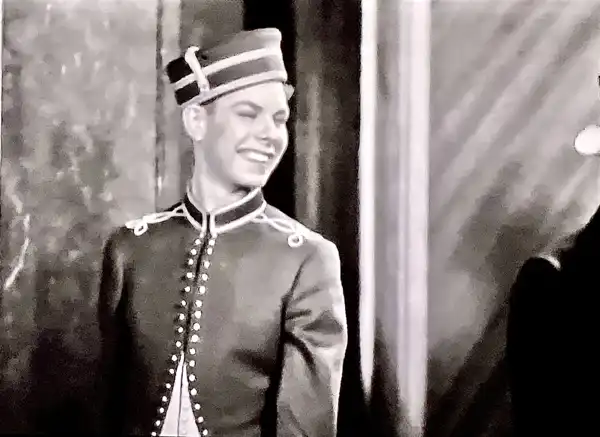
Gabriellino D'Annunzio's performance as Leone is a revelation, especially when viewed through the lens of early cinematic acting. He eschews the broader, often exaggerated gestures common in many silent films, opting instead for a more internalized, yet powerfully expressive, portrayal. His eyes, in particular, convey a depth of emotion, shifting from primal curiosity to possessive intensity, from raw anger to a surprising tenderness. He embodies the paradox of his character: both savage and sensitive, destructive and creative. It's a performance that transcends mere acting, becoming a force of nature in itself. This kind of nuanced, physically expressive acting was groundbreaking, setting a precedent that few of his contemporaries, save perhaps for the most celebrated European actors, could match. One might draw a tenuous line to the more physical comedic performances in films like The Bell Hop, but D'Annunzio's physicality is imbued with a far greater, almost spiritual, weight.
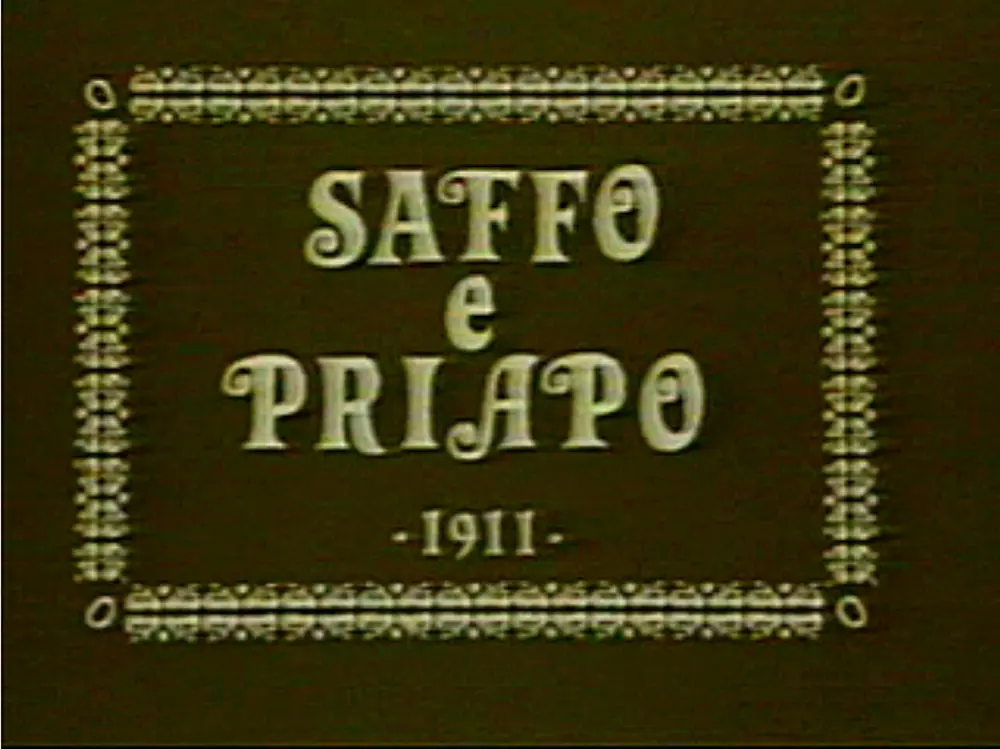
The film's exploration of sexuality, while necessarily veiled by the conventions of its era, is remarkably bold. The tension between Elara and Leone is unmistakably erotic, a dance of magnetic attraction and primal urges. It's less about explicit acts and more about the simmering undercurrents of desire, the psychological and emotional landscapes of passion. This indirect approach, relying on suggestion and symbolism, often makes the film's sensuality more potent, leaving much to the audience's imagination. This contrasts sharply with the moralistic undertones often present in American films of the period, such as Missing Millions, which tended to punish illicit desires, or even the more lighthearted explorations of romance in Fourteenth Lover. Here, desire is presented as an elemental force, neither inherently good nor evil, but simply powerful.
At its core, Saffo e Priapo is a profound meditation on the nature of art and inspiration. Is true art born from refined intellect and careful craftsmanship, or does it spring from the untamed depths of instinct and raw emotion? Elara's initial struggle suggests the former, but her transformation under Leone's influence points to the latter. The film argues for a synthesis, perhaps, or at least a recognition that both forces are vital, even if their collision is destructive. This philosophical underpinning elevates the film beyond a simple melodrama, imbuing it with a gravitas that resonates long after the credits roll. It delves into the very essence of creation, questioning whether the artist must sacrifice a part of their soul, or even their sanity, to achieve true greatness. This struggle for artistic integrity and societal acceptance is a recurring theme in cinema, seen in various forms from the dramatic arcs of characters in The Faith Healer to the more satirical take on ambition in A Little Brother of the Rich.
The decadent aesthetic, a hallmark of the fin-de-siècle movement, permeates every frame of Saffo e Priapo. There is a preoccupation with beauty, decay, and the exquisite agony of heightened sensation. The film luxuriates in its visual splendor, from Elara's flowing gowns to the rugged beauty of the Italian landscape, yet there's always an underlying sense of impending doom, a melancholic awareness that such intense beauty and passion are inherently fleeting, perhaps even self-destructive. This blend of beauty and unease gives the film a unique texture, distinguishing it from more straightforward romantic or dramatic fare. One can see echoes of this aesthetic in German Expressionist cinema that would follow, though Saffo e Priapo retains a distinctly Mediterranean warmth, even in its darkest moments. Even in the more lighthearted, if still visually striking, German films like Wenn Colombine winkt, there is a clear difference in the underlying philosophical weight.
Set against the backdrop of a Europe on the cusp of profound change, Saffo e Priapo can also be read as a commentary on the tensions between tradition and modernity, reason and instinct, that defined the era. The film’s embrace of primal forces and its critique of overly refined sensibilities can be seen as a reaction against the perceived sterility of industrialization and the intellectualization of art. It’s a call back to a more elemental existence, a longing for a connection to the earth that feels both ancient and remarkably prescient for its time. While other films of the era, such as Darkest Russia, explored political and social turmoil, Saffo e Priapo delves into a more internal, psychological upheaval, reflecting a different facet of the same societal anxieties.
The film's resolution, if one can call it that, is far from conventional. It avoids easy answers or simplistic moralizing, instead opting for a profound, almost tragic, transformation. Both Elara and Leone are irrevocably altered by their audacious dance on the precipice of instinct and intellect. The beauty of Saffo e Priapo lies in its refusal to neatly package its themes, leaving the audience to grapple with the ambiguities and complexities of its characters' journey. It is a film that demands active engagement, inviting contemplation rather than passive consumption. Its daring narrative structure and bold thematic choices make it a standout work of its time, a testament to the adventurous spirit of early Italian cinema. It stands in stark contrast to the more straightforward action of something like The Trail of the Holdup Man, prioritizing emotional and philosophical depth over kinetic excitement.
For contemporary viewers, approaching Saffo e Priapo requires a willingness to engage with a different cinematic language, one where symbolism and atmosphere often take precedence over linear plot progression. It is a film that rewards patience and an open mind, offering a glimpse into a world where art and life were inextricably intertwined, often with devastating consequences. Gabriellino D'Annunzio's contribution, both as an actor and as a figure embodying the decadent artistic spirit of the age, is indispensable to its lasting impact. His presence alone elevates the film from a mere curiosity to a significant piece of cinematic history. While other films like How the Telephone Talks focused on technological marvels, Saffo e Priapo explored the enduring, often terrifying, marvels of the human soul. It's a challenging watch, certainly, but one that offers immense rewards for those willing to journey into its passionate, poetic depths.
Ultimately, Saffo e Priapo transcends its status as a silent film, offering a timeless exploration of the human condition. It reminds us that the most profound art often emerges from the collision of disparate worlds, from the perilous dance between light and shadow, intellect and instinct. It is a film that continues to provoke thought and stir the senses, a true triumph of early cinematic expression that deserves a place of honor in the annals of film history, far more than a fleeting curiosity like Looney Lions and Monkey Business or even the more commercially driven The Lure of Millions. It is a work that dares to ask difficult questions and offers no easy answers, reflecting the complex tapestry of human experience itself.
IMDb —
1935
Community
Log in to comment.