DbcultAccessing Vault...
6.1/10
Senior Film Conservator
A definitive 6.1/10 rating for a film that redefined the boundaries of cult cinema. Sailor Beware remains a cornerstone of transgressive art.
Is Sailor Beware worth watching today? Short answer: yes, but with significant caveats. This 1920s silent short film is a fascinating, if sometimes baffling, relic that offers genuine laughs for those attuned to the era's particular brand of slapstick and absurdism. It's a quick, punchy ride that, for all its narrative simplicity, manages to leave a memorable, albeit peculiar, impression.

This film is unequivocally for fans of early cinema, particularly those who appreciate the physical comedy and exaggerated reactions that defined the silent era. If you enjoy the works of Mack Sennett or the early two-reelers that prioritized rapid-fire gags over intricate plots, you'll find something to enjoy here. However, if you prefer nuanced character development, sophisticated humor, or stories that unfold with logical progression, Sailor Beware will likely test your patience. It's a period piece through and through, demanding a certain generosity from its modern audience.
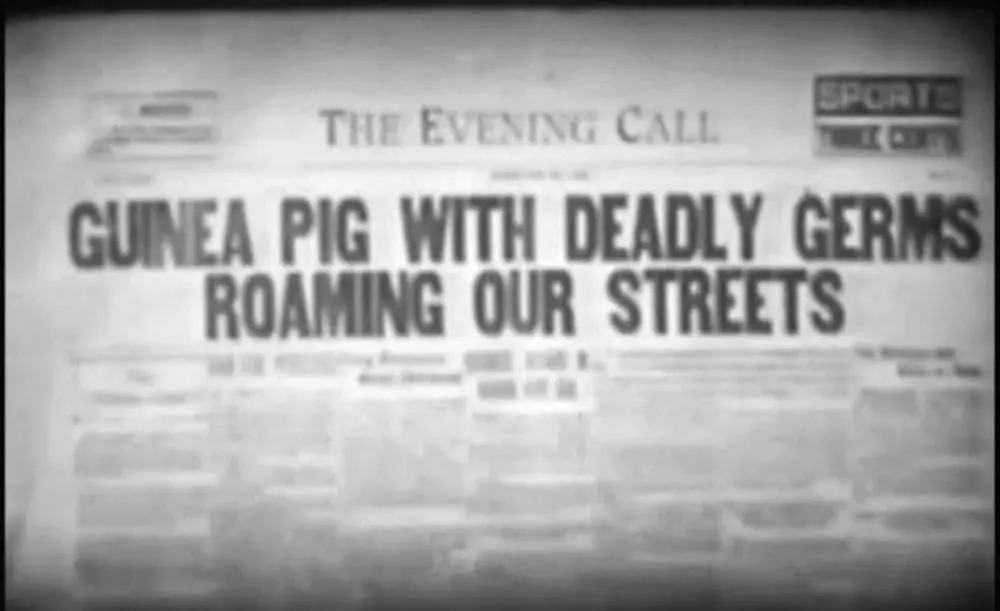
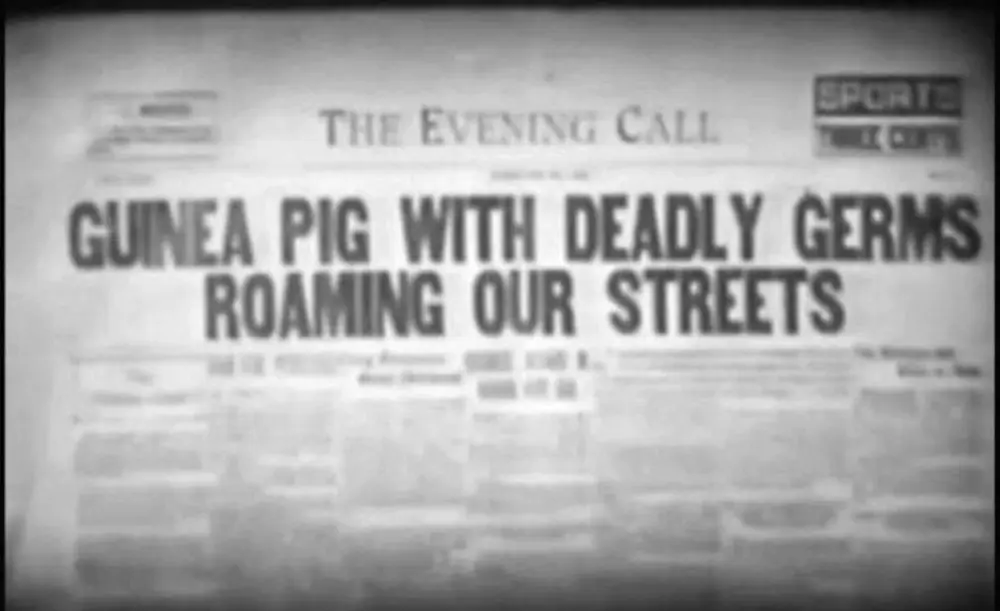
Hal Conklin, the credited writer, crafts a narrative that feels less like a story and more like a series of increasingly outlandish domino effects. The setup is brilliantly simple: sailor Billy Epsom (Max Asher) arrives from New Guinea with a seemingly innocuous guinea pig for his sweetheart, only to find the city in a frenzy over a newspaper headline warning of a deadly, escaped guinea pig. This immediate, almost theatrical irony sets the stage for the film’s comedic engine.
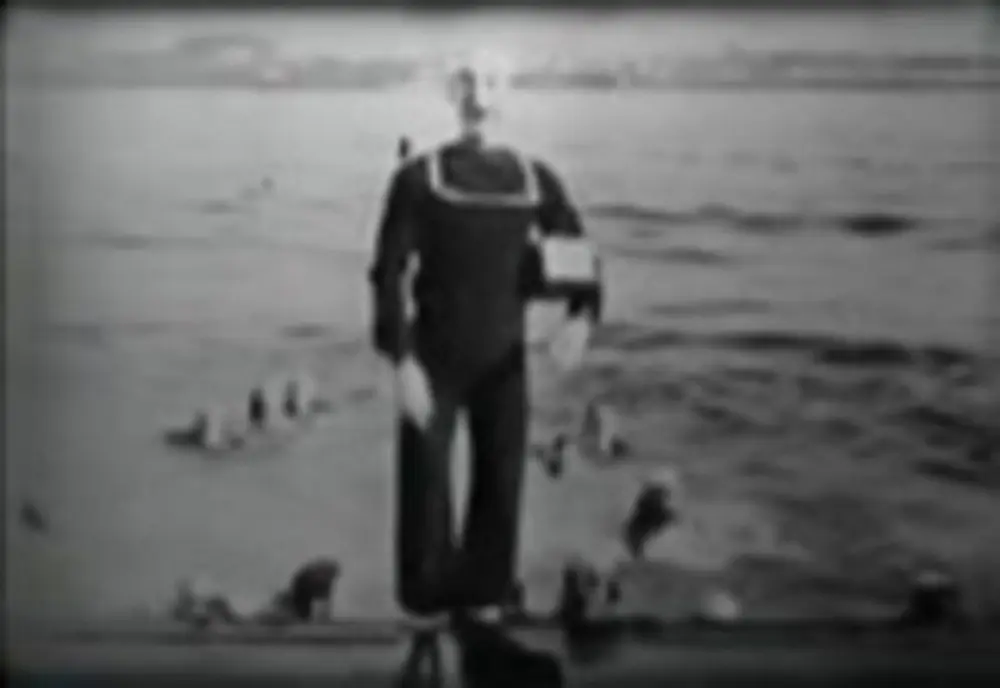
The film’s central premise, the widespread panic over a possibly diseased guinea pig, cleverly taps into societal anxieties, even if unintentionally. It’s a hyperbolic portrayal of public hysteria, where a sensational headline trumps logic and leads to complete societal breakdown. The moment a cab driver spots Billy’s 'piggy' and devolves into a panicked frenzy at the Yellow Cab stand is a masterclass in silent film exaggeration, perfectly illustrating the rapid spread of fear.
As Billy proceeds to his sweetheart's mansion, the chaos intensifies. The streetcar sequence is the film’s undisputed highlight, a masterclass in escalating absurdity. When Billy, in a misguided attempt at affection, removes the guinea pig from its box, the ensuing stampede of passengers and the driver abandoning their posts is both hilarious and genuinely shocking. The image of a runaway streetcar, driverless, gaining on a dynamite truck is a perfectly calibrated comedic crescendo, a testament to the era's fearless approach to physical comedy and peril.
The resolution, involving a public health assault squad armed with gas masks and disinfectant spray

IMDb 7.3
1937
Community
Log in to comment.