DbcultAccessing Vault...
Cult Review
Senior Film Conservator
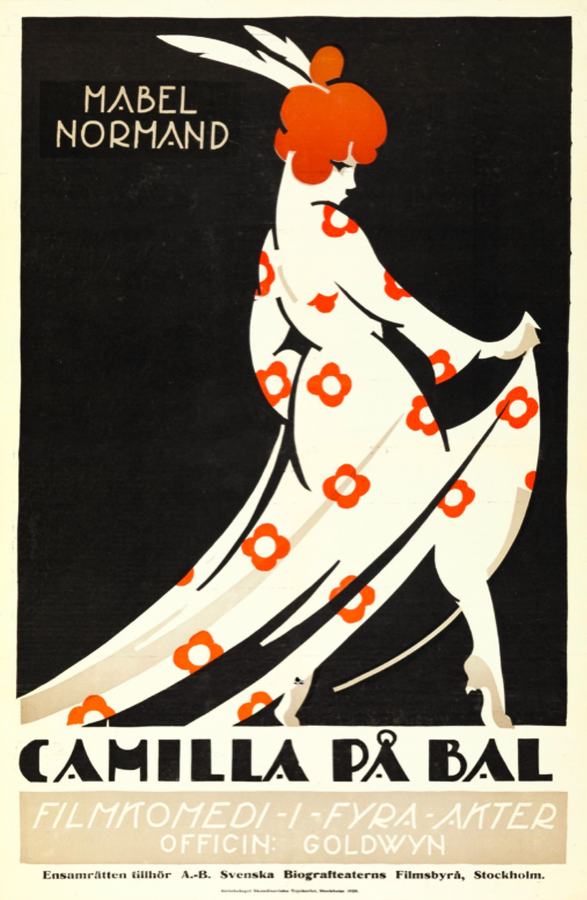
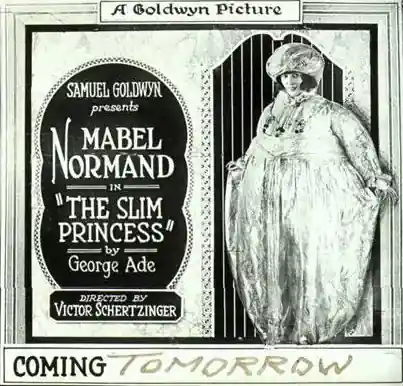
Stepping into the world of "The Slim Princess," a delightful cinematic confection from 1920, is like unearthing a forgotten treasure from the golden age of silent film. This charming vehicle for the effervescent Mabel Normand, a true luminary of the era, offers far more than mere slapstick. It presents a satirical look at societal absurdities, particularly the arbitrary nature of beauty standards, wrapped in a genuinely engaging romantic comedy. The premise itself is wonderfully whimsical: imagine a fictional kingdom, Morevana, where plumpness is not just admired, but practically a prerequisite for social standing and marital eligibility. Into this peculiar cultural milieu steps Princess Kalora, played with an irresistible blend of vulnerability and vivacity by Normand, whose chief "affliction" is her decidedly svelte figure.
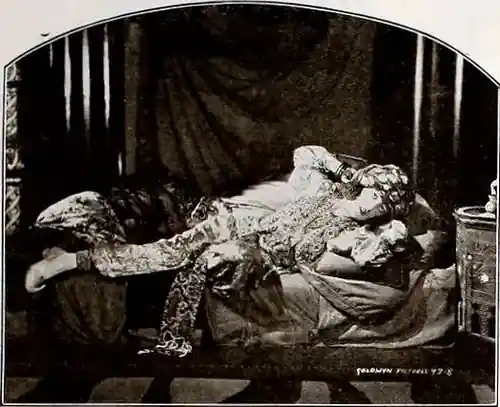
Mabel Normand, often overshadowed by her male contemporaries in later cinematic histories, was an absolute powerhouse during the silent era. Her comedic genius, a blend of physical dexterity and expressive facial work, is on full display here. As Kalora, she navigates the indignities of her predicament with a captivating blend of pathos and spirited defiance. Watch her subtle eye rolls and the way her body language conveys an entire internal monologue, even without spoken dialogue. Normand’s performance transcends the simple comedic beats; she imbues Kalora with a palpable longing for acceptance and genuine connection, making her plight surprisingly resonant. It’s a testament to her skill that a character whose central conflict revolves around her body shape manages to feel so utterly human and relatable. Her chemistry with Hugh Thompson, playing the American suitor Pike, is understated yet undeniable, building through shared glances and gestures that speak volumes. This isn’t just a performance; it’s a masterclass in silent film acting, reminding us why she was one of the most beloved figures of her time. Her ability to pivot from broad physical comedy to moments of quiet emotional depth is what truly sets her apart, elevating "The Slim Princess" from a mere novelty to a memorable viewing experience.
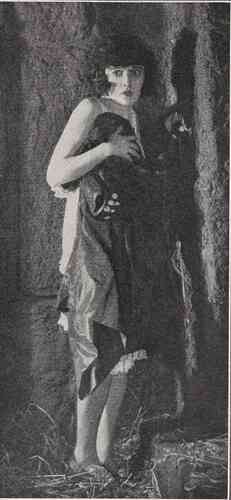
The film’s central conceit – a society that prizes corpulence above all else – is a brilliant stroke of satirical genius. It flips conventional beauty standards on their head, forcing the audience to consider the inherent arbitrariness of such dictates. Morevana isn't just a quirky backdrop; it's a mirror reflecting our own often-absurd fixations on physical appearance. Kalora's family, particularly her father, the Governor General (Russ Powell, delivering a wonderfully over-the-top portrayal), is in a state of perpetual panic over her "condition." The urgency to marry off Kalora before her delightfully rotund younger sister, Papova (Lillian Sylvester, embodying the ideal Morevanian physique with charming gusto), can wed, highlights the societal pressures placed upon women to conform. This preposterous rule serves as the engine for much of the film's early comedy, showcasing the lengths to which a family will go to uphold tradition, even when that tradition is utterly nonsensical.
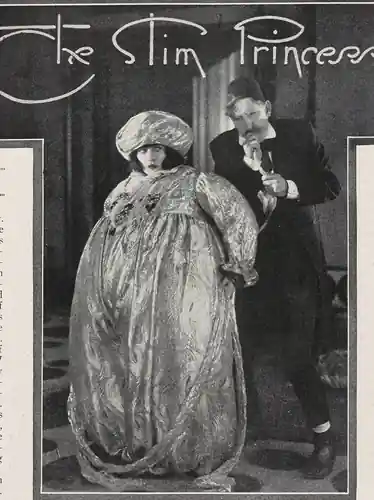
The infamous rubber suit scene is a prime example of this satirical edge. The spectacle of Kalora, disguised in an inflated costume to appear suitably plump at a garden party, is simultaneously hilarious and poignant. It’s a visual gag that speaks volumes about the performative nature of identity when societal expectations are so rigid. The inevitable rupture of the suit, deflating Kalora back to her natural form, is a moment of both comedic release and symbolic truth. It's a blunt revelation that external facades can never truly mask one's authentic self. The script, penned by Gerald C. Duffy and George Ade, demonstrates a keen understanding of comedic timing and a subtle critique of superficiality, themes that remain remarkably relevant a century later. One might draw parallels to other films that challenge societal norms through humor, though "The Slim Princess" stands out for its unique inversion of beauty ideals, rather than a direct critique of specific economic or social classes as seen in a film like Men, Women, and Money, which explores the complexities of wealth and social climbing. Here, the currency is flesh, not finance, making its commentary distinctively body-centric.
The narrative, while driven by its comedic setup, is ultimately a sweet and straightforward romance. Kalora's chance encounter with Pike, the American, provides her with an escape from Morevana's oppressive standards. Their connection is immediate and genuine, unburdened by the superficial judgments of her homeland. The subsequent journey to America, ostensibly for a "cure" for slimness, ingeniously serves as a vehicle for the lovers to reunite and deepen their bond away from the prying eyes and expectations of Morevana. This transatlantic segment allows for a change of scenery and a shift in cultural perspective, highlighting the refreshing openness of American ideals compared to Morevana's rigid traditions. Pike’s decision to follow Kalora back to her homeland, despite the initial misunderstanding and the Governor General’s attempts to pawn off Papova, underscores the sincerity of his affection. His wealth, initially a factor that makes him desirable to the pragmatic Governor, ultimately becomes secondary to his devotion to Kalora. It's a classic romantic trope, but executed with such charm and sincerity that it feels fresh.
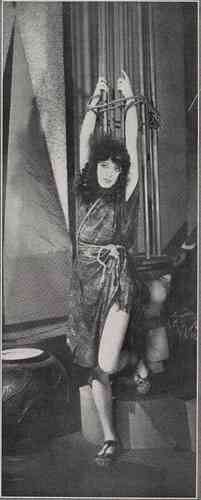
The progression of the story is paced effectively, moving from farcical setup to earnest romance without losing its comedic thread. The supporting cast, including Tully Marshall as the slightly befuddled King, and Harry Lorraine, adds layers of character and humor to the Morevanian court. The film manages to maintain a lighthearted tone throughout, even when addressing themes that could easily become heavy-handed. It’s a testament to the directorial vision, likely influenced heavily by Normand herself and the creative team, to keep the narrative buoyant and engaging. The resolution, where Pike unequivocally declares his love for Kalora despite the Governor’s attempts to redirect him to Papova, is deeply satisfying. It affirms the film’s central message: true love sees beyond superficialities and societal constructs. This narrative arc, focusing on genuine connection over perceived physical perfection, is a timeless one, echoing sentiments found in many romantic comedies across eras, even if the specific cultural context of "The Slim Princess" is uniquely its own.
"The Slim Princess" is a fantastic example of the visual storytelling prowess of the silent era. Without dialogue, filmmakers relied heavily on exaggerated expressions, physical comedy, intertitles, and inventive cinematography to convey narrative and emotion. The film's direction effectively utilizes these tools, creating a vibrant and understandable world. The costumes, particularly the Morevanian attire designed to emphasize plumpness, are visually striking and contribute significantly to the film's comedic atmosphere. The settings, whether the opulent palace gardens or the bustling American scenes, are well-realized, providing a rich backdrop for the unfolding drama. The editing maintains a brisk pace, ensuring that the comedic beats land and the romantic developments feel natural. For those accustomed to modern cinema, experiencing a silent film like this is a fascinating journey into a different mode of storytelling, one that demands a different kind of engagement from the viewer. It's a reminder of the foundational elements of film language, where every gesture, every prop, and every camera angle held immense significance.
The film’s enduring charm lies not just in its historical significance but in its timeless themes. The pressure to conform to societal beauty standards, the desperation of parents to see their children settled, and the triumph of authentic love over superficiality are all elements that resonate deeply, regardless of the century. While the specific comedic device of the "fat-worshipping" kingdom might seem quaint today, its underlying message about self-acceptance and challenging arbitrary norms remains potent. It's a film that, despite its age, feels remarkably fresh in its social commentary, albeit delivered with a light touch. This enduring quality is what elevates films like "The Slim Princess" beyond mere historical artifacts into works of art that continue to entertain and provoke thought. It's a delightful counterpoint to films that might focus on more dramatic or intense societal critiques, such as Sunken Rocks, where the conflicts are far more grim. Here, the critique is gentle, wrapped in laughter and romance, making it an accessible entry point for new silent film enthusiasts.
"The Slim Princess" solidifies Mabel Normand's status as an unparalleled comedic talent and a significant figure in early cinema. Her ability to command the screen with her presence, whether she's performing a physical gag or conveying a moment of quiet reflection, is truly remarkable. The film itself, while perhaps not as widely known as some of Chaplin's or Keaton's masterpieces, certainly deserves a place in the pantheon of classic silent comedies. It offers a unique blend of cultural satire and heartfelt romance, demonstrating the versatility and sophistication of early filmmaking. For cinephiles, it’s an essential watch to appreciate the evolution of comedic storytelling and the groundbreaking performances that defined an era. For casual viewers, it's simply a joyous and charming experience that will leave a smile on your face.
In a world that still grapples with body image issues and the pressures of conformity, "The Slim Princess" offers a surprisingly prescient message wrapped in a century-old package. It reminds us that true value lies not in outward appearance, but in genuine character and sincere affection. The film's lighthearted approach to serious themes makes it an accessible and enjoyable piece of social commentary. It’s a testament to the power of storytelling that a film from 1920 can still resonate so strongly today, proving that laughter and love are indeed timeless. Its gentle mockery of superficiality finds common ground with any age, encouraging us to look beyond the surface. This film, much like a beautifully preserved antique, retains its luster and relevance, offering insights into human nature that transcend its historical context. It's a delightful discovery for anyone interested in the foundational narratives of cinema and the enduring appeal of a good, honest laugh coupled with a heartwarming romance.
IMDb 6.6
1929
Community
Log in to comment.