DbcultAccessing Vault...
Cult Review
Senior Film Conservator
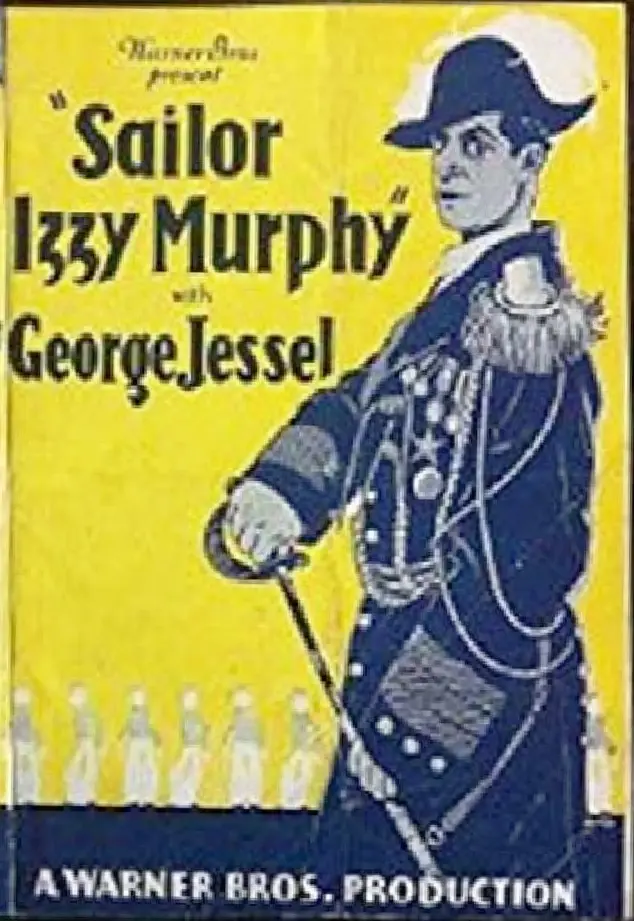
Is Sailor Izzy Murphy worth watching today? Short answer: yes, but with significant caveats. This 1927 silent film is a fascinating, if undeniably peculiar, artifact that offers a window into the nascent art of cinematic storytelling and comedic timing from nearly a century ago. It is unequivocally for dedicated silent film enthusiasts, film historians, and those with a high tolerance for early cinema's unique brand of melodrama and broad humor. It is decidedly NOT for viewers seeking modern pacing, nuanced character development, or a narrative that adheres to contemporary logical constructs.
From its premise alone, Sailor Izzy Murphy signals its intent as a lighthearted, almost surreal romantic comedy with a dash of unexpected suspense. For those willing to adjust their expectations to the rhythmic cadence of intertitles and the expressive physicality of silent acting, there are genuine moments of charm and a certain undeniable historical value. But make no mistake, it’s a film that demands an appreciation for its context, not just its content.
Sailor Izzy Murphy, directed by Edward T. Lowe Jr., is a cinematic curio that perfectly encapsulates the transitional period of American filmmaking just before the talkie revolution. It’s a film that flirts with absurdity, embracing a plot so outlandish it almost feels like a dream sequence. At its core, it’s a romantic comedy, but one where the stakes are suddenly amplified by an environmentalist antagonist whose motivations are as bizarre as they are earnest.
This film works because it commits wholeheartedly to its own peculiar logic, delivering a narrative that, while simple, manages to surprise with its sudden shifts in tone. It's a testament to the era's willingness to experiment and entertain without the crutch of dialogue. The physical comedy, while broad, is often effective, and George Jessel’s Izzy Murphy is a character whose earnestness is infectious.
This film fails because its narrative contrivances occasionally stretch credulity to its breaking point, even for a silent film. The villain's motivation, while unique, feels tacked on, and the romantic payoff, while sweet, lacks the depth that even some contemporary silent films managed to achieve. The pacing, typical of the era, can feel sluggish to modern eyes, with scenes often lingering longer than necessary.
You should watch it if you possess a genuine curiosity for the origins of cinematic storytelling, appreciate the art of physical performance, and are prepared for a film that prioritizes whimsical charm over narrative rigor. It’s an acquired taste, certainly, but one that rewards the patient viewer with a glimpse into a very different comedic landscape.
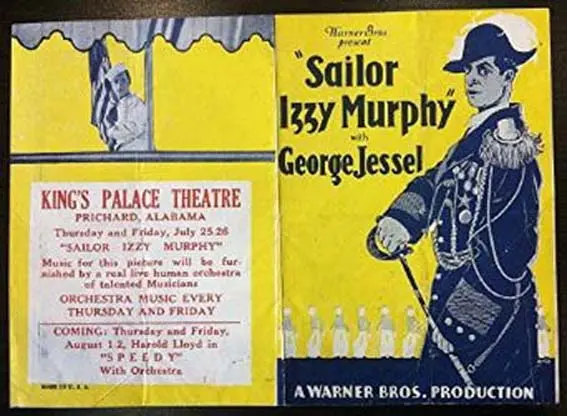
The story centers on Izzy Murphy, a street vendor with a talent for selling perfume and an even greater talent for falling in love with an image. The object of his affection is the woman depicted on the very perfume bottles he peddles – an idealized, unattainable beauty. This romantic obsession, while bordering on stalker-ish by today’s standards, is portrayed with a guileless charm characteristic of the era. George Jessel brings a wide-eyed sincerity to Izzy, making his pursuit feel more endearing than unsettling.
Izzy’s ingenuity leads him to discover that his muse is the daughter of a wealthy perfume manufacturer, Warner Oland, a detail that grounds the fantasy in a surprisingly practical way. His subsequent infiltration of the family’s luxury yacht is a comedic highlight, showcasing the kind of resourceful antics that define many silent film protagonists. It’s here that the film takes its most dramatic, and frankly, most bizarre turn. The introduction of John Miljan as an escaped lunatic, driven by a profound, almost philosophical, hatred for the perfume industry, is a narrative curveball that redefines the film’s tone.
This 'Green New Deal loony,' as the plot summary so aptly puts it, is not merely a madman but an ideologue, a proto-environmentalist whose vendetta against the perfume manufacturer is framed as a righteous retaliation for the 'lost flowers.' This character is, without question, the film’s most memorable and confounding element. He embodies a fascinating, if misguided, idealism that feels both ahead of its time and utterly of its time in its dramatic exaggeration. The confrontation between the unassuming Izzy and this flower-avenging maniac forms the climax, with Izzy ultimately saving the day through quick thinking and physical prowess. The reward? The hand of the grateful daughter, a rather transactional conclusion typical of many period romances.
In silent cinema, performance is a language of grand gestures, expressive faces, and physical comedy. George Jessel, as Izzy Murphy, embodies this perfectly. His portrayal is a masterclass in silent-era charm, combining earnestness with a knack for physical slapstick. He’s the everyman hero, a figure easy to root for, even when his actions are driven by a somewhat superficial infatuation. Jessel's ability to convey Izzy's determination and occasional bewilderment without a single spoken word is genuinely commendable. Consider the scene where he first spots the yacht; his eyes widen, his jaw drops, and his subsequent frantic movements convey an entire internal monologue of ambition and longing. It's not subtle, but it's effective.
Audrey Ferris, as the unnamed romantic interest, fulfills the role of the beautiful ingenue with grace, though her character is largely a passive object of affection. Her reactions are appropriately demure or distressed, serving primarily to reflect Izzy’s heroism. Warner Oland, later famous for playing Charlie Chan, brings a solid, if somewhat generic, paternal authority to the perfume manufacturer. He’s the archetypal patriarch, a figure of wealth and mild bewilderment.
However, the true standout performance
IMDb 6.3
1931
Community
Log in to comment.