DbcultAccessing Vault...
7.6/10
Senior Film Conservator
A definitive 7.6/10 rating for a film that redefined the boundaries of cult cinema. The Unwanted remains a cornerstone of transgressive art.
The Unwanted, directed by Walter Summers, presents a complex narrative that probes the depths of familial loyalty, deception, and the pursuit of honor. The film features a cast including Mary Dibley, Lillian Hall-Davis, and C. Aubrey Smith, delivering performances that add layers to this intricate tale.
The story centers around a colonel's illegitimate son, played by Francis Lister, who finds himself entangled in a desperate situation when his cowardly brother, presumably deceased, is to be honored for his supposed heroism. The protagonist, driven by a mix of guilt and a desire to rectify his brother's dishonor, embarks on a perilous journey to maintain the illusion of his brother's heroic demise. This decision sets the stage for a series of events that challenge the characters' moral compass and their ability to navigate the blurred lines between truth and deception.
One of the most striking aspects of The Unwanted is its exploration of the theme of honor, particularly in the context of military valor and familial legacy. The film critiques the societal pressure to conform to certain ideals of heroism and masculinity, as embodied by the character of the cowardly brother. This character's journey, or rather, his lack thereof, serves as a poignant commentary on the consequences of failing to meet these expectations and the desperate measures individuals might take to avoid shame.
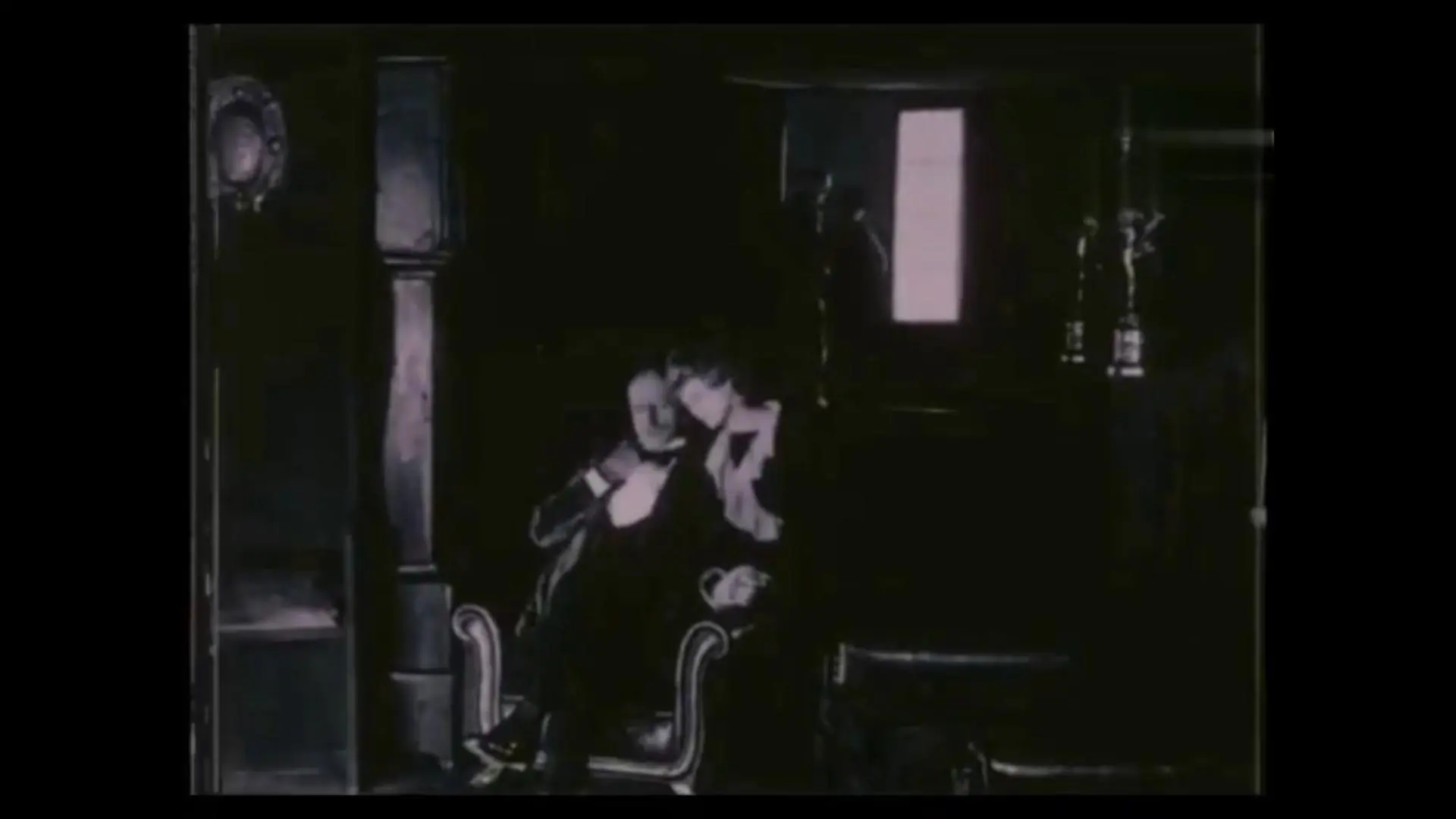
The cinematography and direction by Walter Summers are noteworthy, employing a dramatic flair that enhances the emotional weight of the narrative. The use of shadows and lighting adds a cinematic quality that was ahead of its time, immersing the viewer in the world of the film. The performances, particularly by the lead actors, bring a nuanced depth to the story, making the characters' struggles and motivations believable and relatable.
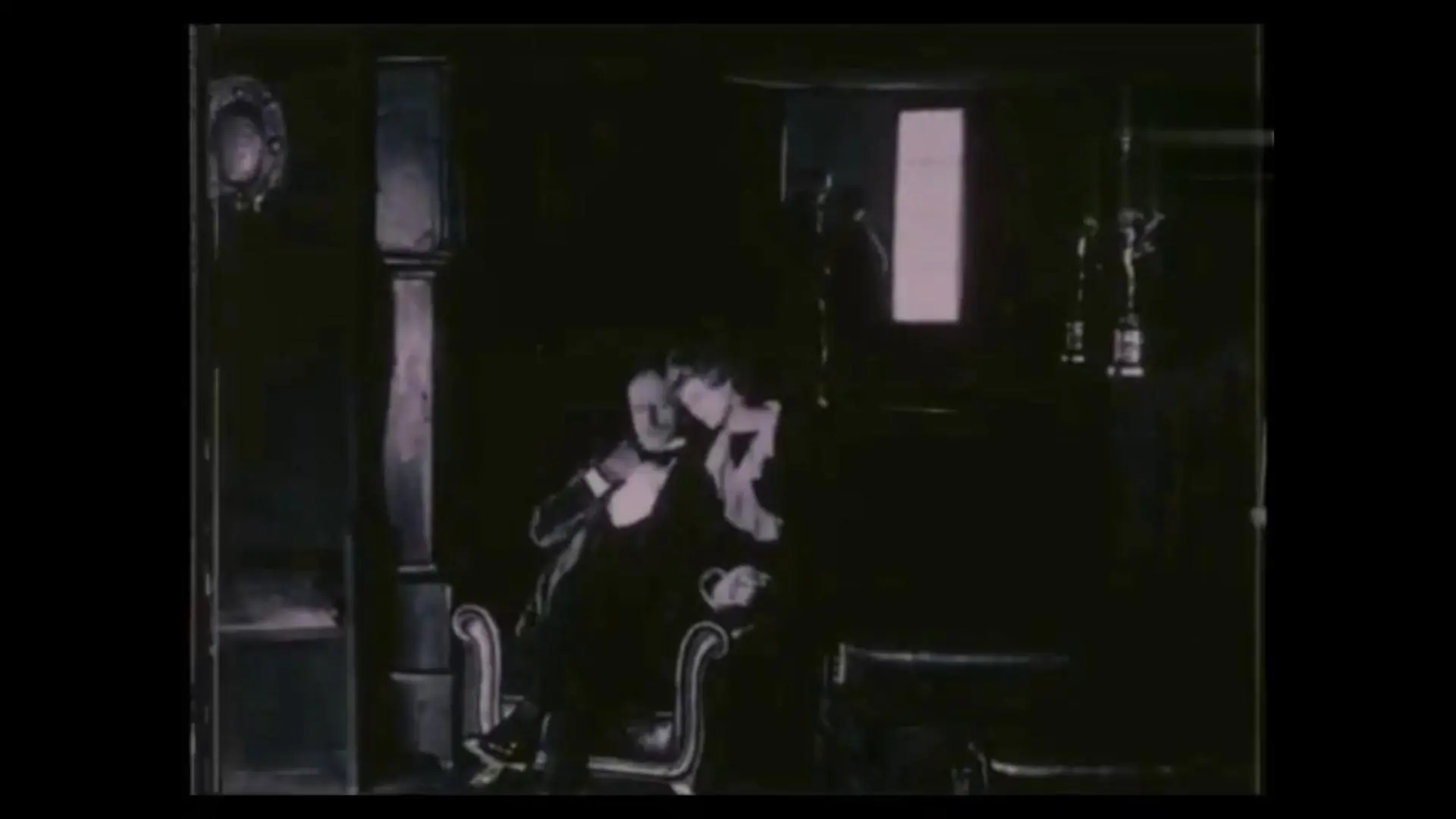
In comparison to other films of its era, such as Richelieu and Dangerous Days, The Unwanted stands out for its unique approach to storytelling and character development. While those films may focus on themes of power, morality, and social commentary, The Unwanted delves into the personal and often painful consequences of deception and the quest for redemption.
The film's portrayal of its characters' inner turmoil and the external pressures they face resonates with other works like Solomon in Society and The Silent Witness, which also explore the complexities of human nature and the societal expectations that shape individual actions. However, The Unwanted's focus on the dynamics of family, honor, and deception sets it apart as a thought-provoking drama that lingers in the mind long after the curtain closes.
The Unwanted is a film that challenges its audience to reflect on the nature of truth and the consequences of our actions. Through its compelling narrative, strong performances, and effective direction, the film offers a cinematic experience that is both engaging and emotionally resonant. It is a testament to the power of silent cinema to convey complex themes and emotions, making it a must-see for fans of classic films and those interested in the evolution of storytelling in cinema.
In conclusion, The Unwanted is a masterful exploration of the human condition, moral ambiguity, and the pursuit of honor. Its relevance to contemporary themes and its artistic merit make it a significant work in the history of cinema. For those interested in classic films and cinematic history, The Unwanted is an essential watch, offering insights into the art of filmmaking and the enduring power of storytelling.
IMDb 4.8
1935
Community
Log in to comment.