DbcultAccessing Vault...
6.2/10
Senior Film Conservator
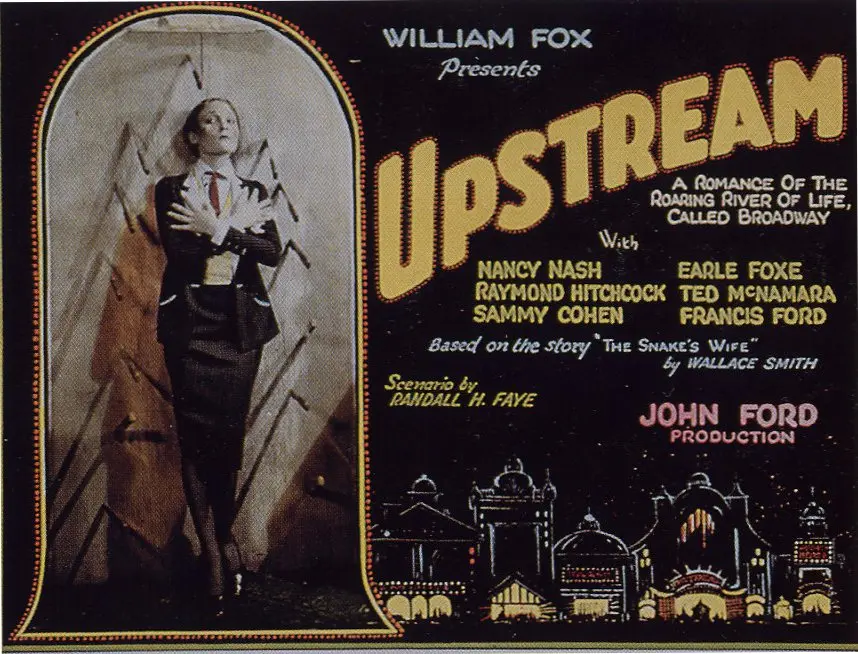
A definitive 6.2/10 rating for a film that redefined the boundaries of cult cinema. Upstream remains a cornerstone of transgressive art.
Is 'Upstream' worth watching today? Short answer: yes, but with significant caveats. This film is a fascinating, if uneven, journey for silent film aficionados and those interested in early Hollywood's self-reflection, yet it will likely test the patience of viewers accustomed to modern pacing and narrative sophistication.
It’s a rare glimpse into the anxieties of a burgeoning industry, a period piece that feels both timely in its themes and dated in its execution. This film is absolutely for anyone who appreciates the historical context of early cinema, enjoys character-driven melodramas, and has a high tolerance for silent film conventions, including exaggerated gestures and title cards. However, it is decidedly NOT for those seeking fast-paced action, complex narrative twists, or a lighthearted, easily digestible viewing experience.
This film works because of its surprisingly nuanced character study of ambition's cost and its evocative portrayal of a specific theatrical milieu. This film fails because its narrative predictability and occasional tonal missteps prevent it from achieving true greatness, feeling more like a stage play adapted directly rather than fully cinematic. You should watch it if you appreciate the historical context of early cinema, enjoy character-driven melodramas, and have a high tolerance for silent film conventions.
'Upstream,' penned by Randall Faye and Wallace Smith, presents a familiar yet timeless narrative: the corrupting influence of success. At its core is Eric, portrayed by Earle Foxe, a young actor residing in a theatrical boarding house, a crucible of shared dreams and dashed hopes. This setting is perhaps the film's most potent character, a vibrant, bustling ecosystem of performers, each clinging to their own fragile aspirations. The early scenes establish a palpable sense of camaraderie, a collective struggle against obscurity, making Eric's eventual betrayal all the more poignant.
The plot, while straightforward, serves as an effective vehicle for exploring human nature. Eric, a scion of an acting dynasty, carries the weight of expectation without the immediate talent to match. His big break comes in the form of Hamlet, a role that demands both technical skill and emotional depth. The film charts his transformation, not just as an actor, but as a person. It’s a classic Faustian bargain, albeit one where the devil is simply the allure of the spotlight itself.
The tutelage under a faded actor, a mentor figure whose own glory days are long past, adds a layer of bittersweet irony. This dynamic, though somewhat clichéd, provides 'Upstream' with its most compelling emotional beats. It’s a story about rising, but more importantly, about what gets left behind in the ascent. The title itself is a clever metaphor, suggesting a difficult journey against the current, but also a movement away from the source, away from one's origins.
What makes this narrative particularly intriguing for its era is its focus on the theatre world. It’s a backstage drama that offers a glimpse into the lives of performers, a world often romanticized, but here depicted with a degree of gritty realism, at least for a silent film. The tension between artistic integrity and commercial success, though not explicitly stated, underpins Eric's journey. His initial humility and dedication are slowly eroded by the intoxicating taste of applause and adoration, a transformation that Foxe portrays with commendable subtlety for the period.
The story’s strength lies in its universal themes. Who hasn't seen someone change with success? Who hasn't felt the sting of a friend's forgetfulness? These are not new ideas, but 'Upstream' presents them with a directness that bypasses the need for complex dialogue, relying instead on visual storytelling and the expressive power of its actors. It works. But it’s flawed. The moralizing, at times, leans into melodrama, a common pitfall of the era, but one that could have been handled with a lighter touch to achieve greater impact.
In the silent era, an actor's face and body were their most powerful tools, and 'Upstream' showcases this vividly. Earle Foxe, as Eric, carries the film's emotional weight. His portrayal of the luckless, aspiring actor is initially endearing. We see his struggles, his earnest attempts, and the quiet desperation in his eyes as he navigates the cutthroat world of the theatre. The transformation, from humble artist to arrogant star, is a nuanced arc that Foxe handles with remarkable control.
There's a specific moment, early in the film, where Eric fumbles a line during an audition, his shoulders slumping in defeat. This small, human gesture immediately grounds his character. Later, when he performs Hamlet, Foxe manages to convey both the theatricality of the stage performance and the character's internal shift. His Hamlet is not just a role; it’s a mirror reflecting Eric’s own rising ego. The subtle changes in his posture, the newfound haughtiness in his gaze when interacting with his old friends, speak volumes without a single spoken word.
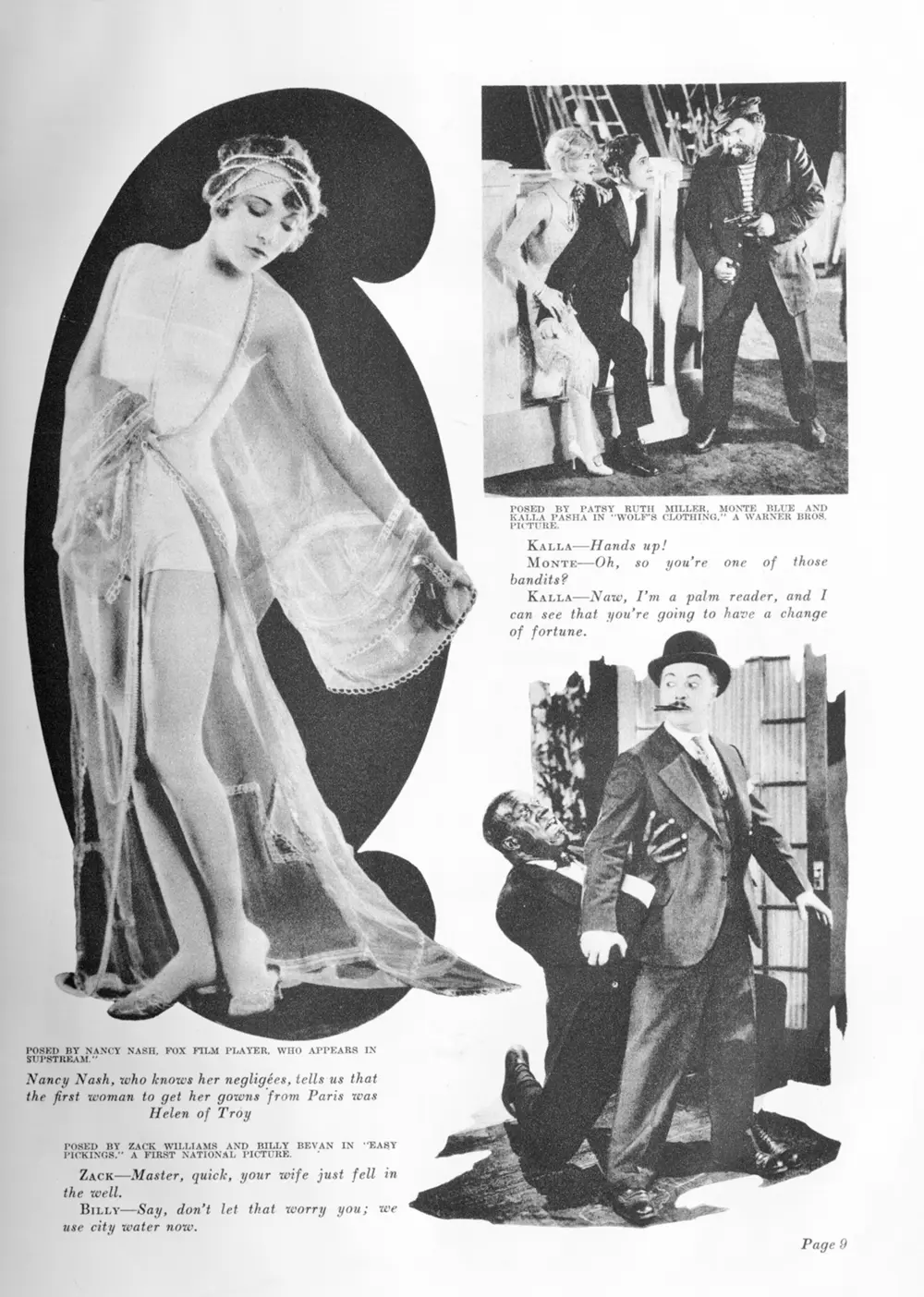
Francis Ford, in the role of the faded actor who mentors Eric, delivers a performance that is both poignant and commanding. Ford, a veteran actor and director, brings a gravitas to the screen that anchors the more melodramatic elements of the plot. His character, a repository of forgotten glory, serves as a stark reminder of the ephemeral nature of fame. The scenes between Ford and Foxe are the film's strongest, a masterclass in silent film acting where wisdom and youthful ambition clash and coalesce.
Consider Ford's expressions during Eric's initial struggles versus his triumphant Hamlet performance. His pride is evident, but also a hint of melancholy, perhaps seeing a younger version of himself, or foreseeing Eric's inevitable fall into hubris. This layered emotionality is a testament to Ford's skill. The supporting cast, while not given as much depth, contribute effectively to the bustling atmosphere of the boarding house. Sammy Blum and Harry A. Bailey, among others, create a convincing ensemble of theatrical hopefuls, each with their own distinct, if briefly sketched, personalities. Their collective reactions to Eric's success and subsequent coldness are vital in conveying the emotional stakes of the story.
It’s a minor miracle, then, that Foxe’s portrayal transcends the script’s occasional simplistic turns, making Eric a character we can both root for and, eventually, lament. His final moments, as he grapples with the consequences of his ambition, are genuinely affecting, demonstrating the power of silent acting when executed with precision and emotional honesty. The silent screen demanded an almost balletic grace, a heightened physicality that could communicate complex emotions without dialogue, and Foxe, alongside Ford, largely succeeds in this challenging task.
The direction in 'Upstream,' while not groundbreaking, is competent and effectively tells its story. The film’s director, who remains uncredited in many records but was likely a collaborative effort typical of the era, demonstrates a clear understanding of space and character interaction within the frame. The blocking of actors in the cramped boarding house scenes, for instance, creates a sense of bustling intimacy, a visual representation of their shared existence. This contrasts sharply with the expansive, often isolating, grandeur of the theatrical stage.
Cinematography, for a silent film of this vintage, is functional rather than overtly artistic. The camera largely remains static, capturing scenes with a theatrical sensibility, almost as if watching a play from a fixed audience perspective. However, there are moments where the framing becomes more deliberate. Close-ups are employed sparingly but effectively, often to emphasize a character's emotional state or a key reaction. For example, a tight shot on Eric's face as he reads the Hamlet offer reveals his mix of disbelief and burgeoning hope.
The lighting, too, serves the narrative. The boarding house is often lit with a softer, more naturalistic glow, suggesting warmth and camaraderie, even in poverty. The stage, conversely, is brightly lit, almost starkly so, highlighting the artificiality and heightened drama of performance. This visual distinction underscores the film's central conflict between genuine human connection and the superficiality of fame. One scene, in particular, captures the essence of this: Eric’s old friends gathered in the shadows of the wings, watching his triumphant Hamlet, their faces a mixture of pride and dawning realization of his detachment. The contrast between their humble, shadowed presence and his brightly lit, celebrated figure on stage is a powerful visual metaphor.
While 'Upstream' doesn't boast the visual poetry of a Murnau or the innovative camera work of a Griffith, it nonetheless offers a valuable insight into the visual language of its time. The reliance on clear, legible staging and expressive acting over complex camera movements is a hallmark of many films from the mid-to-late 1920s. It’s a style that prioritizes storytelling clarity above all else, making the film accessible despite its age. The visual composition often reinforces the themes, such as shots of Eric literally looking down on his former companions, a simple but effective way to convey his changed perspective.
The film's visual approach is perhaps best described as unpretentious. It doesn't distract with flamboyant techniques but rather supports the character-driven drama. This directness can be refreshing, allowing the audience to focus entirely on the performances and the unfolding narrative. While it may not win awards for its visual flair today, it effectively served its purpose in its own time and remains a clear window into early cinematic techniques.
The pacing of 'Upstream' is, like many silent films, a mixed bag. The initial sequences establishing the boarding house and its residents are leisurely, allowing the audience to absorb the atmosphere and connect with the ensemble. This slow burn is effective in building empathy for Eric and his friends, making their bond feel genuine. We witness their daily routines, their small joys, and their shared disappointments, all contributing to a rich tapestry of communal life. This deliberate setup makes Eric's eventual abandonment of them feel like a genuine loss, not just a plot device.
However, once Eric's career takes off, the pacing shifts. His rise to stardom feels somewhat accelerated, almost montage-like in its rapidity. While this effectively conveys the suddenness of fame, it also means that some of the emotional beats surrounding his transformation and the growing distance from his friends are compressed. The film could have benefited from lingering a bit longer on these moments of internal conflict or external friction, allowing the audience to fully process the subtle shifts in Eric’s character and his relationships. It creates a slight imbalance, where the setup feels more fleshed out than the payoff of his success.
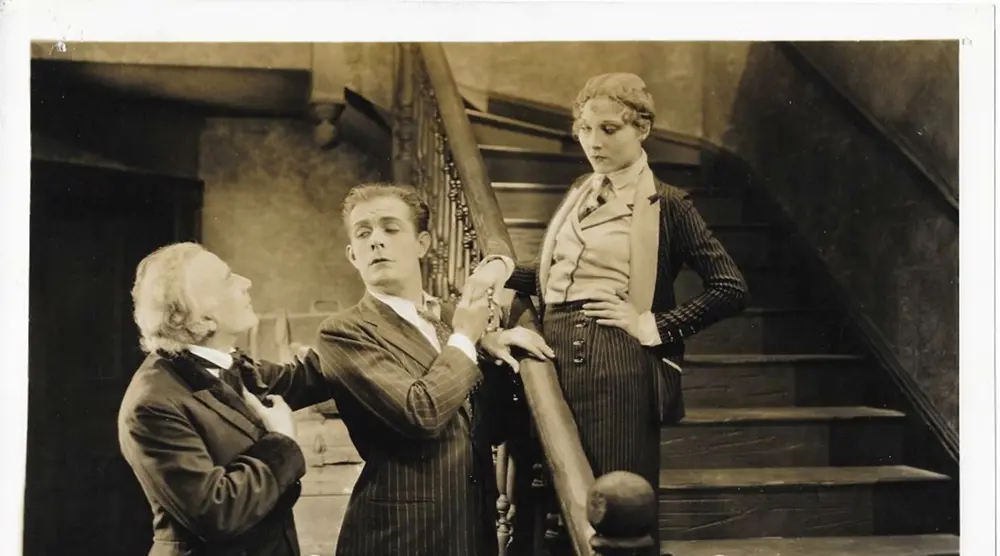
The tone of 'Upstream' is predominantly melodramatic, as is characteristic of many films from the era. There are moments of lighthearted comedy within the boarding house, stemming from the quirky personalities of its residents, but these are quickly overshadowed by the more serious themes of ambition, loyalty, and betrayal. Frankly, the film’s moralizing feels a touch heavy-handed, particularly in the latter half. The message that fame corrupts is delivered with an almost didactic earnestness that leaves little room for ambiguity.
This unwavering commitment to its moral message, while clear, sometimes sacrifices nuance. A more complex portrayal of Eric’s internal struggle, rather than a seemingly straightforward descent into arrogance, might have elevated the film. However, one could argue that for a silent film, directness was often preferred for clarity, given the limitations of the medium. The film aims for emotional impact, and in many instances, it achieves it through the sheer force of its actors' expressions and the clarity of its narrative arc. While it lacks the emotional punch of a film like A Child of God in its depiction of moral decline, it still delivers its message effectively for its time.
Despite these tonal choices, the film remains engaging because of its human core. The universal struggle for recognition and the painful lessons learned from success resonate, even if the delivery feels a little dated. The shift from collective joy to individual isolation is handled with a certain grace, even when the pacing feels rushed. It's a film that asks you to invest in its characters' journeys, and for the most part, it earns that investment.
'Upstream' might be a product of the silent era, but its central themes echo with a surprising contemporary relevance. The film serves as a potent, albeit simple, cautionary tale about the perils of ambition and the corrosive nature of unchecked success. In an age where fleeting fame is sought through various digital avenues, Eric's rapid ascent and subsequent forgetting of his roots feels remarkably prescient. Ambition corrupts. It's a truth as old as storytelling itself, and 'Upstream' delivers it with a straightforward clarity.
The dynamic between Eric and his mentor, the faded actor, is particularly rich. It explores the bittersweet reality of succession, where new talent often eclipses the old, sometimes with little gratitude. This relationship speaks to the cyclical nature of creative industries, a constant flow of rising stars and forgotten legends. The mentor's quiet dignity in the face of Eric's success, and later his indifference, is one of the film's most affecting elements. It highlights the often-unspoken sacrifices made by those who pave the way.
Furthermore, the film subtly critiques the superficiality of fame itself. Eric's success on stage is celebrated, but his personal growth seems to regress. He gains adoration but loses genuine connection. This dichotomy, between public triumph and private hollowness, is a theme that continues to resonate in countless narratives about celebrity. The film suggests that true value lies not in applause or accolades, but in the bonds forged in shared struggle and mutual support.
The boarding house itself acts as a microcosm of society, a place where dreams are nurtured and sometimes shattered. It represents community, a stark contrast to the isolating pedestal of stardom. When Eric abandons this community, he effectively severs himself from his humanity, a powerful visual statement about the price of singular focus on personal gain. It's a simple message, perhaps, but one that is delivered with emotional conviction.
While the film's execution might feel a little dated to a modern audience, its core message remains robust. It forces us to consider what we value most: fleeting glory or lasting relationships. 'Upstream' is a reminder that the path to success is often fraught with moral compromises, and the greatest victories can sometimes lead to the deepest personal losses. It’s a compelling, if somewhat predictable, exploration of the human condition, packaged within the unique aesthetic of early Hollywood.
Yes, 'Upstream' is worth watching, especially for specific audiences. It offers a valuable historical perspective on silent cinema. It’s a solid example of early character-driven drama. The performances, particularly Earle Foxe and Francis Ford, are commendable. The film’s themes of ambition and loyalty remain relevant. It's a clear window into Hollywood's self-reflection during its nascent years. However, be prepared for silent film conventions. The pacing can feel slow by modern standards. The melodramatic tone might not appeal to everyone. Its narrative is largely predictable. It lacks the complex characterizations of later films.
Cons:
Upstream is a film that, despite its age and certain genre conventions, manages to hold a mirror to enduring human flaws and aspirations. It's not a forgotten masterpiece, nor does it strive to be. Instead, it offers a solid, if somewhat straightforward, exploration of ambition's seductive pull and its often-painful consequences. The performances are largely strong, especially from its leads, and the atmosphere of the theatrical boarding house feels genuinely lived-in. While its pacing and predictable moralizing might test the patience of some modern viewers, 'Upstream' remains a valuable piece of cinematic history, offering a poignant look at the cost of success. It’s a film that asks us to reflect on our own values, and for that, it deserves to be seen, even if it requires a slight adjustment to one's viewing habits. Go in with an open mind and an appreciation for the era, and you’ll find a surprisingly resonant story.

IMDb 5.3
1912
Community
Log in to comment.