DbcultAccessing Vault...
6/10
Senior Film Conservator
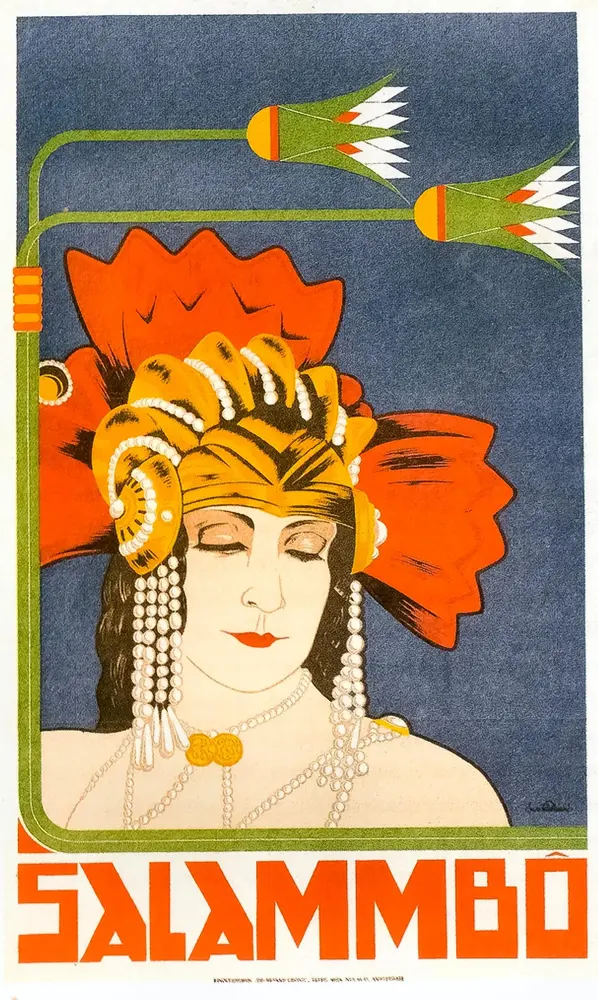
A definitive 6/10 rating for a film that redefined the boundaries of cult cinema. Salammbô remains a cornerstone of transgressive art.
Gustave Flaubert's Salammbô, a monumental work of historical fiction, plunges readers into the brutal, opulent, and utterly alien world of ancient Carthage, specifically the Mercenary War that followed the First Punic War. The film adaptation, though perhaps less widely known today, attempts to capture the novel's ferocious spirit and intricate tapestry of political intrigue, personal obsession, and devastating conflict. It is a narrative steeped in the kind of fatalistic romance and visceral violence that only the most ambitious historical epics dare to tackle. The story, at its core, is a tragic helix of love, war, and sacrilege, spiraling towards an inevitable, harrowing conclusion that leaves no character untouched by its grim embrace.
The narrative pivots around Matho, portrayed with a potent blend of ruggedness and naive passion by Albert de Kersten, the chieftain of the Libyan Mercenaries. Matho is a man of action, a warrior whose strategic prowess is matched only by his susceptibility to overwhelming emotion. His world, defined by the stark realities of combat and loyalty to his men, is irrevocably shattered the moment he beholds Salammbô, the ethereal daughter of Hamilcar, Carthage's most formidable general. Jeanne de Balzac embodies Salammbô with a captivating, almost otherworldly detachment, her beauty a silent, destructive force. This initial encounter, set against the backdrop of a grand Carthaginian feast, is a masterstroke of dramatic tension, instantly establishing the insurmountable chasm between the mercenary and the priestess-princess. It's a love at first sight that feels less like romantic destiny and more like a curse, a fatal flaw introduced into Matho's otherwise unyielding character.
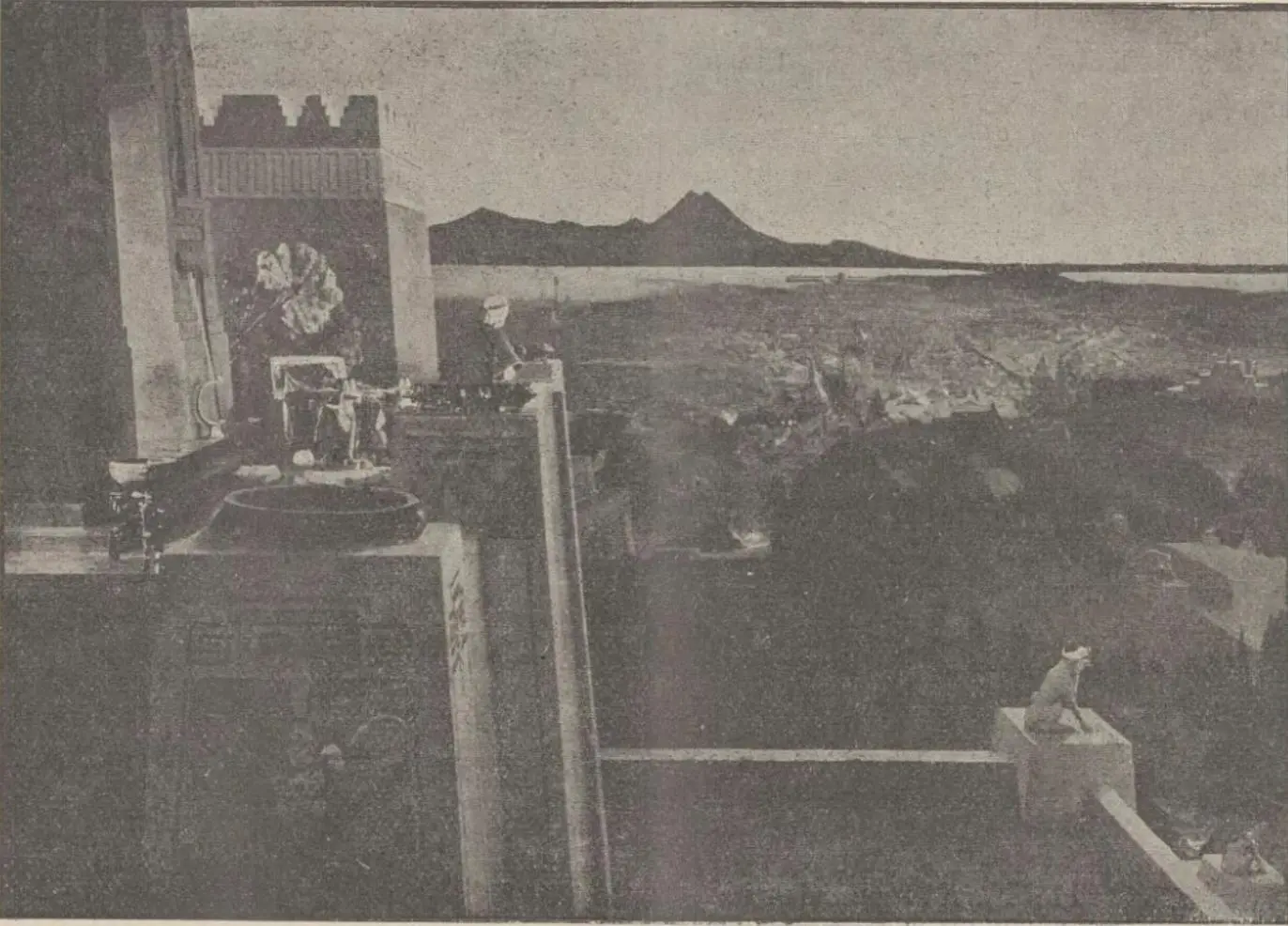
The complexity deepens with the introduction of Narr' Haras, the Numidian chief, played by Victor Vina, whose smoldering ambition and cunning provide a stark contrast to Matho's more direct, if reckless, approach. Narr' Haras is not merely a rival for Salammbô's hand but a symbol of the pervasive political treachery that riddles Carthage. His presence ensures that Matho's path to Salammbô is not just obstructed by Hamilcar's formidable will, but by a web of deceit and self-interest. This love triangle is less about romantic competition and more about the geopolitical chess game being played out in the shadow of war. The film, in its depiction of this rivalry, manages to convey the high stakes involved, where personal affections are inextricably linked to the fate of nations.
Matho's love for Salammbô is so profound, so utterly consuming, that it drives him to an act of unimaginable sacrilege: the theft of the sacred Veil of Tanit. This is not merely a crime but a transgression against the very fabric of Carthaginian religious and social order. Incited by a renegade Greek, whose motives are purely to inflame the Mercenary War, Matho’s act is a testament to the destructive power of blind devotion. Raphaël Lievin, as the insidious Greek, provides a chilling portrayal of manipulative cynicism, a puppet master pulling strings in a world already on the brink of chaos. The scene of the veil's theft, while perhaps limited by the cinematic techniques of its era, carries immense symbolic weight, representing Matho's complete abandonment of reason and self-preservation for the sake of an idealized love. This pivotal moment sets in motion the irreversible chain of events that will culminate in his downfall.
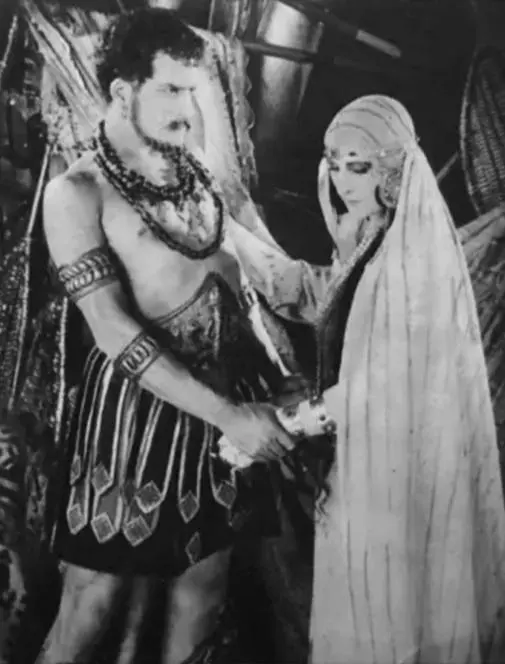
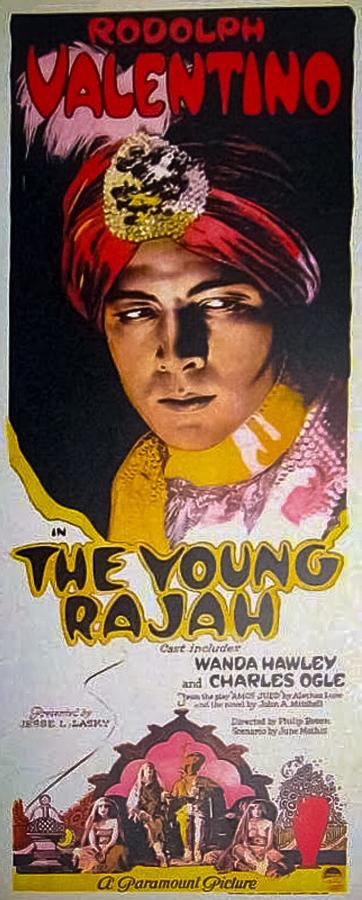
The irony is bitter: Matho's sacrilege, intended to win Salammbô, does indeed seem to draw her to him, a reward of fleeting, dangerous affection. Yet, it simultaneously galvanizes Hamilcar, played by Rolla Norman with an imposing gravitas, into a vengeful fury. Hamilcar is not just a general; he is the embodiment of Carthaginian resolve, and the desecration of Tanit's veil is an insult he cannot ignore. His pursuit of Matho becomes a personal vendetta intertwined with national honor. The ensuing battles, though perhaps depicted with the constraints of early cinema, would have aimed to convey the brutal scale of the conflict, the clash of civilizations and loyalties. The film here, like The Eagle (1925) with its sweeping historical romance and military backdrop, attempts to marry grand spectacle with intimate, tragic character arcs. However, where The Eagle often revels in its romantic heroics, Salammbô leans into the grimmer realities of its source material, embracing a more fatalistic outlook.
The Mercenaries, despite their initial ferocity, are ultimately defeated by Hamilcar's superior strategy and resources. Matho, the embodiment of their defiance, is treacherously captured by Narr' Haras, a moment that underscores the pervasive betrayal woven into the narrative. This act of perfidy secures Narr' Haras his coveted prize: Salammbô's hand in marriage, a political alliance forged in blood and deceit. The film expertly uses this development to heighten the sense of impending doom. The wedding day, traditionally a symbol of joy and new beginnings, is transformed into a macabre spectacle, a stage for Matho's final, agonizing ordeal. This inversion of expectation is a hallmark of tragic storytelling, echoing the bleakness found in narratives like Othello, where love and betrayal lead to a devastating climax.
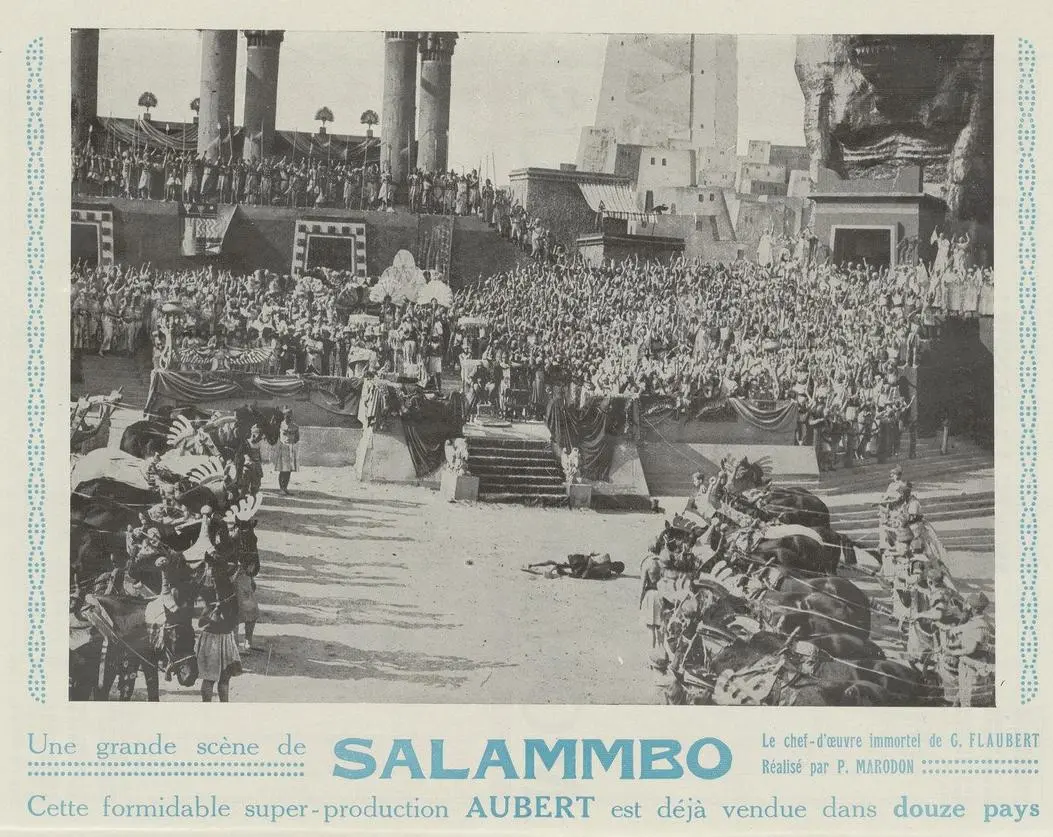
The climax is a harrowing portrayal of public vengeance. Matho is compelled to run the gauntlet, a brutal ordeal where he faces the wrath of a vast, incensed Carthaginian crowd, fueled by religious fervor and political hatred. This scene, even through the lens of early cinema, must have been designed to shock and horrify, showcasing the raw brutality of ancient justice. The mob, incited against him for the sacrilege of the Veil, becomes a monstrous entity, tearing at his flesh and spirit. Henri Baudin and Adolf Weisse, likely portraying key figures in the Carthaginian establishment or military, would have contributed to the atmosphere of implacable judgment. Matho's journey through this human gauntlet is a visceral representation of his utter dehumanization, stripped of his warrior pride, reduced to a sacrificial lamb for the masses. It's a moment that resonates with a primal fear of mob rule, a theme that remains disturbingly relevant.
Near death, utterly broken, Matho collapses at the feet of Salammbô, his erstwhile beloved, now a bride to his rival. This moment is the narrative's cruelest twist. Salammbô, who had seemed so distant, so enigmatic, makes a final, chilling claim. She demands Matho's life from the Elders, not out of love or mercy, but as a consideration for having restored the sacred veil. Her actions solidify her place as a figure of enigmatic power, a woman whose agency, though seemingly constrained, ultimately dictates the fate of the man who loved her so desperately. This final act of claiming Matho's life, rather than saving it, is a profound statement on the nature of sacrifice and the cold calculus of power in Carthage. It's a resolution that defies conventional romance, opting instead for a bleak, almost nihilistic conclusion where love is punished, and order is restored through the extinguishing of passion.
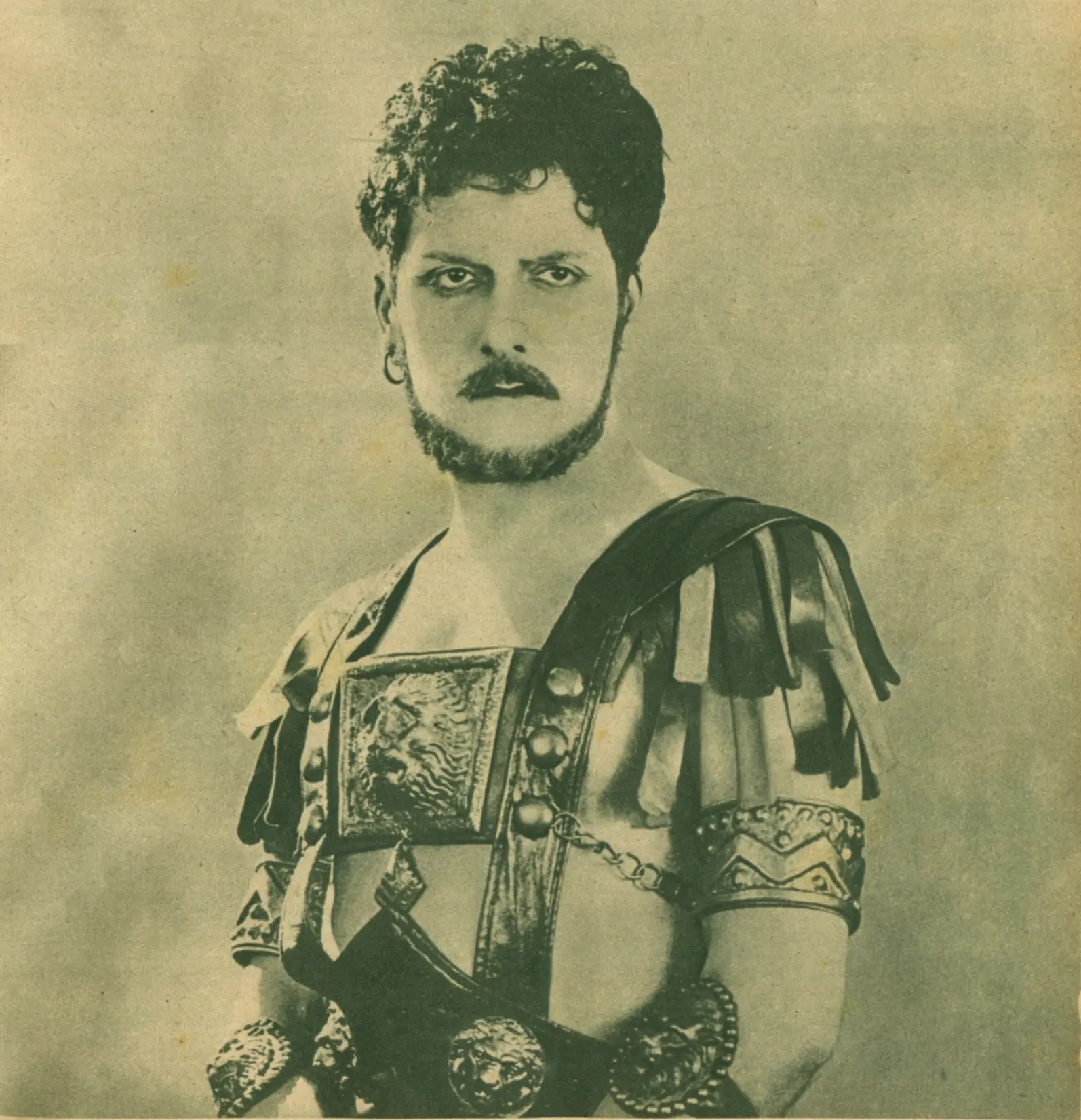
The film, by adhering to Flaubert's devastating ending, distinguishes itself from more saccharine historical dramas. It refuses to offer a comforting resolution, instead choosing to highlight the tragic futility of Matho's grand passion against the implacable forces of state, religion, and personal ambition. While films like Desire or The Self-Made Wife might explore the complexities of romance within social structures, Salammbô elevates its conflict to an epic, almost mythological plane, where human will is ultimately crushed by an indifferent, brutal world. The performances, particularly from Albert de Kersten and Jeanne de Balzac, must have been crucial in conveying the intense emotional landscape of these characters, Matho's raw vulnerability and Salammbô's perplexing allure.
Adapting Gustave Flaubert's novel is an undertaking of immense difficulty. Flaubert’s Salammbô is renowned for its meticulous historical detail, its sensuous, almost hallucinatory descriptions of ancient Carthage, and its unflinching portrayal of violence and exoticism. The novel's prose is dense, its atmosphere suffocatingly rich. Translating this literary density into a visual medium, especially in the early days of cinema, presents formidable challenges. The film, in its attempt, must have focused on the dramatic arc and the visual spectacle, leveraging the exotic settings and grand costumes to evoke the novel's distinctive world. While films like Das Grand Hotel Babylon might capture a sense of opulent grandeur in a different era, Salammbô had to build its world from the ground up, relying on set design and crowd management to convey the scale of Carthage.
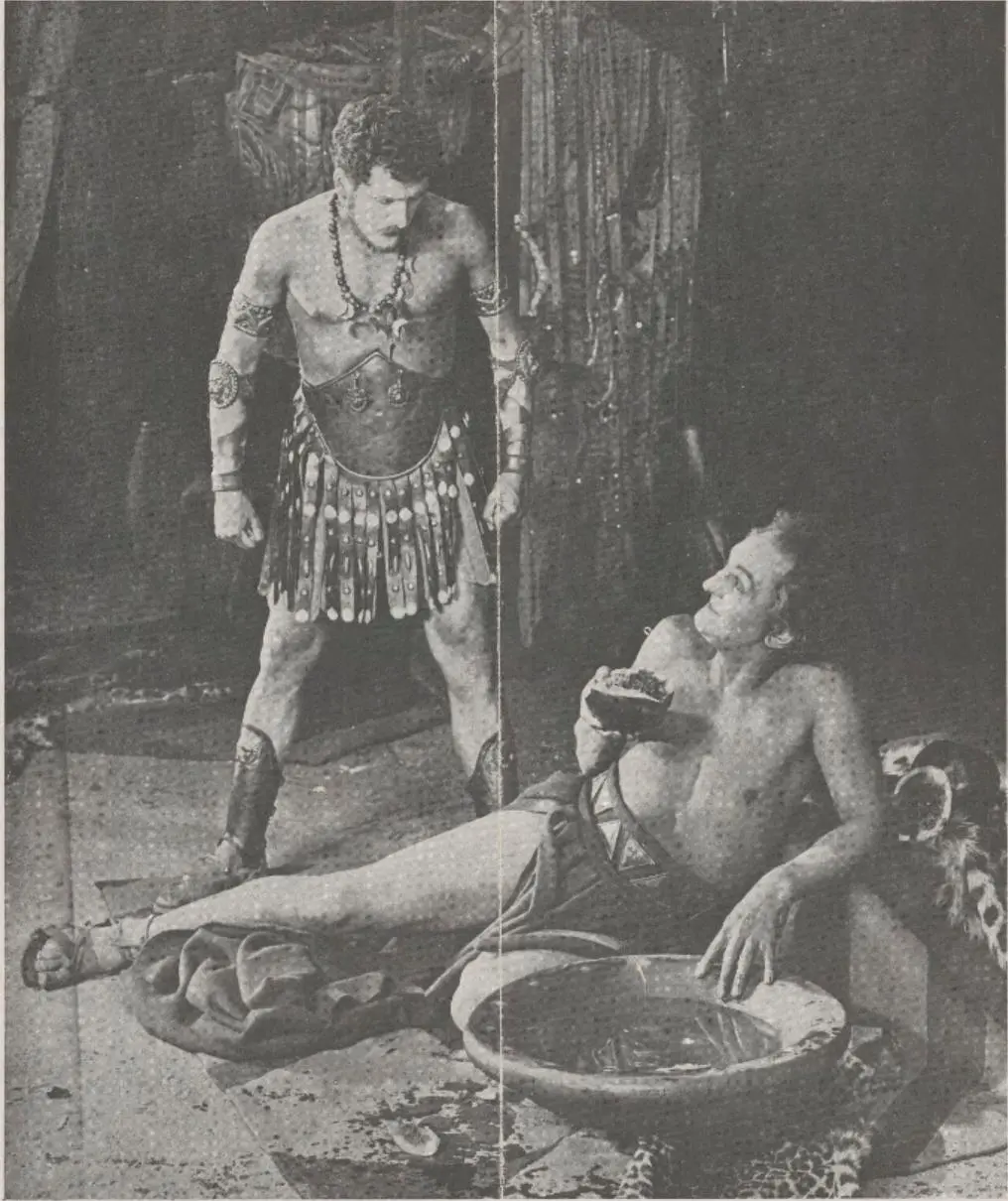
The film's success, therefore, lies not just in its adherence to the plot points, but in its ability to channel the novel's spirit. Did it manage to convey the suffocating heat, the cloying perfumes, the barbaric rituals, and the deep-seated religious fanaticism that permeates Flaubert's text? These are questions that a contemporary audience might ask, but for its time, the film likely aimed for a grand, visually impressive spectacle that would transport viewers to this lost civilization. The cast, under the direction of an unnamed filmmaker (as is common for earlier works, where the literary source often overshadows the director), would have been tasked with bringing these larger-than-life characters to life without the benefit of extensive psychological exposition often found in modern cinema. Their performances would have relied more on physicality, facial expressions, and grand gestures to convey the characters' internal struggles and motivations.
Salammbô, both as a novel and its cinematic interpretation, resonates with themes that remain timeless. It explores the destructive nature of obsessive love, the corrupting influence of power, the clash between different cultures and belief systems, and the brutal realities of war. Matho's tragic arc is a cautionary tale about the perils of allowing passion to override reason, while Salammbô remains an enigmatic figure, a priestess caught between her sacred duties and the violent desires of men. Hamilcar, the pragmatic leader, represents the cold, calculating logic of statecraft, willing to sacrifice personal feelings for the greater good of Carthage.
The film’s historical significance lies in its attempt to adapt such a complex and visually demanding literary work in an era when cinematic language was still evolving. It stands as a testament to the ambition of early filmmakers to tackle epic narratives, striving to create immersive experiences for their audiences. While we might not have the full context of its original reception, the mere existence of such an adaptation speaks volumes about the enduring power of Flaubert’s story. It is a narrative that, much like the ancient city of Carthage itself, is built on layers of beauty, brutality, and ultimate tragedy. Its echoes can be found in subsequent historical epics, demonstrating how a foundational story can influence cinematic storytelling for generations.
In a cinematic landscape often dominated by clear-cut heroes and villains, Salammbô offers a more nuanced, albeit bleak, vision. It reminds us that history, especially ancient history, was often a crucible of conflicting desires, where personal destinies were inextricably tied to the rise and fall of empires. The film, in its tragic scope and uncompromising conclusion, serves as a powerful, if somber, reminder of the indelible mark left by passion, betrayal, and war on the human spirit.
IMDb 6.1
1922
Community
Log in to comment.