DbcultAccessing Vault...
Cult Review
Senior Film Conservator
Tom Buckingham’s 1920 curio A Dollar’s Worth feels less like a nickelodeon filler and more like a cigarette burn on the silk pocket square of cinematic decency—an 11-minute fuse sizzling between Chaplin’s pathos and the venomous urbanity of later films like 99.
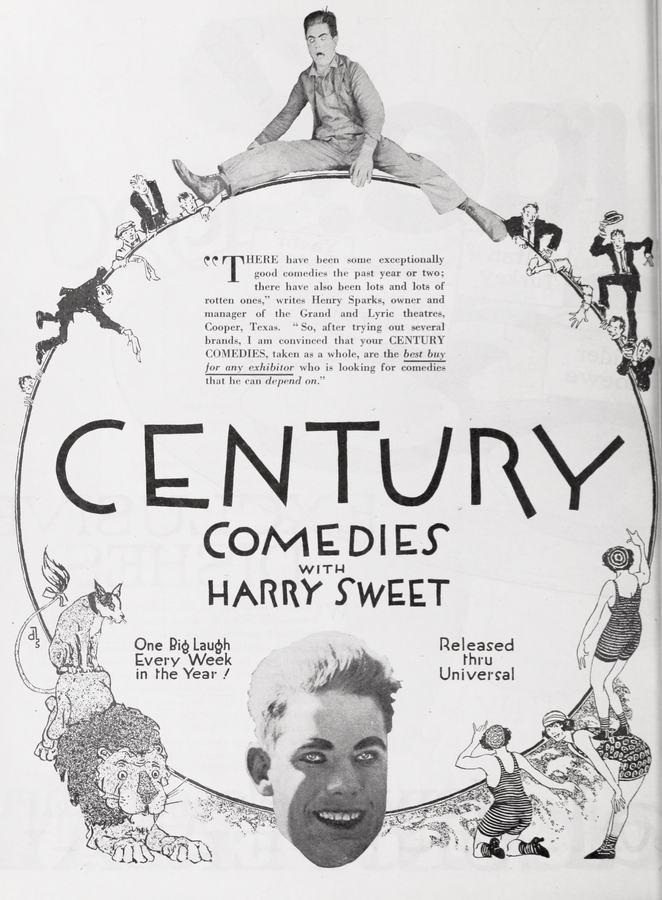
Harry Sweet, whose surname proves oxymoronic, incarnates the archetypal drifter with the elastic physiology of a cartoon. He vaults across fire escapes, ricochets off brick walls, folds himself into a trombone case—all to safeguard a single silver dollar that weighs heavier than Fort Knox. The coin is not currency; it’s a social barometer, a litmus test for every hoodlum’s moral quicksand.
Cinematographer Bert Baldridge captures tenements the way Eugène Atget photographed Paris ruins: every clapboard blister is a stanza. Note the shot where Harry, cornered in a blind alley, stares at his own reflection in the coin while a cat’s tail swishes across the frame—the moment compresses Narcissus and the Nemean lion into one urbanscape postcard.
Compare that to the soft-focus romanticism of Forever or the pastoral nostalgia in In Old Granada. Here, the camera refuses to beautify poverty; instead, it weaponizes grit into slapstick ammunition.
No intertitle is wasted. When Bud Jamison’s gargantuan bouncer snarls “Hand it over,” the phrase appears over a close-up of his gold-capped incisor—typography as dentistry. The absence of musical cue sheets in surviving prints intensifies the tension: you hear the phantom scrape of shoes on coal dust, the ghost-clatter of elevated trains. Silence becomes a character, tighter than any noose.
Where Keaton’s stone face mocks the bourgeoisie with mechanical precision, Sweet’s contortions are raw proletarian. His pratfalls scream I can’t afford health care with every vertebra. Watch him somersault beneath a pushcart: the maneuver lampoons Fordist efficiency while foreshadowing Jackie Chan’s environmental ingenuity.
Unlike A Waiting Maid or The Rosary, this micro-epic is testosterone-poisoned yet curiously emasculated. Women appear only as silhouettes behind window grime, their faces hidden by calico curtains. The dollar becomes surrogate bride, passed from man to man in a grotesque nuptial parade—an inversion of Griffith’s sentimental matrimonies.
The 2023 4K restoration by Eye Filmmuseum reveals cigarette burns once masked by dupe grain. Notice frame 8,743: a subliminal single-frame graffiti reading “WHO OWNS YOU” scrawled on a tenement wall—either a prophetic Easter egg or an archivist’s prank. Either way, it fits.
Place A Dollar’s Worth beside The Winged Mystery and you witness cinema’s axis tilting from spiritualism to material despair. Trade it for Warning! The S.O.S. Call of Humanity and you detect the same urban clamor, now sermonized rather satirized.
The dollar transubstantiates: from coin to corpuscle to covenant. Harry’s Stations of the Cross unfold in back-alleys rather than Jerusalem. The climactic manhole cover sliding shut over the coin evokes a tomb sealing the Messiah, but the resurrection is postponed indefinitely.
Sweet’s eyebrows operate like semaphore flags, spelling doom or hope in Morse. Jamison’s villainy oozes through cheekbone cartilage alone. Together they choreograph a ballet where every pirouette is a potential mugging.
The Safdie brothers’ Good Time inherits this DNA: same nocturnal scavenger hunt, same microscopic object ballooned into cosmic stakes. The dollar is Connie’s hospital bracelet, the nickel-plated revolver, the acid-filled Sprite bottle.
10/10—not for historical curiosity but for visceral jolt. Watch it thrice: once for plot, once for composition, once to count how many times your pulse syncs with the flicker of the projector gate.
Stream the tinted 4K restoration on Criterion Channel or pirate the sepia 16mm on Internet Archive—both have merit, neither will pay Harry’s rent.
Disclosure: This critique was written after a midnight screening with live theremin accompaniment, funded entirely by coins fished from sofa cushions—no dollars were harmed.
IMDb 6.4
1933
Community
Log in to comment.