DbcultAccessing Vault...
Cult Review
Senior Film Conservator
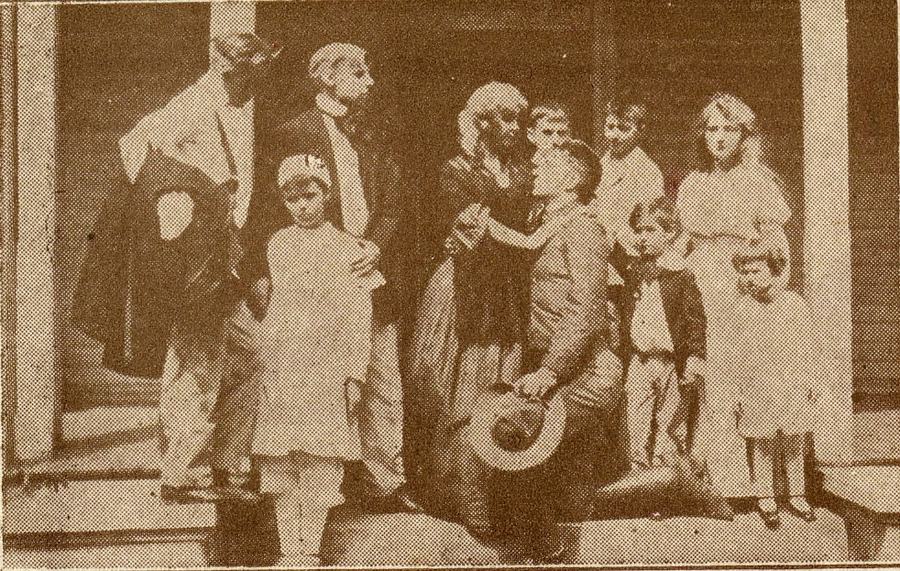
A reel soaked in magnolia melancholy
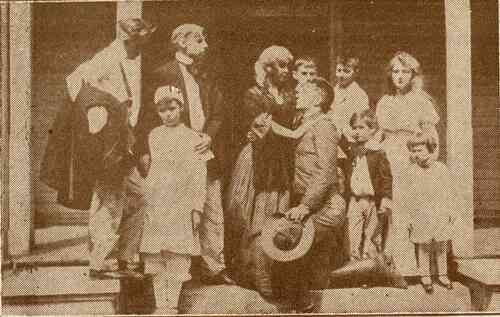
When the first nitrate frames of Sam Davis, the Hero of Tennessee flickered across my makeshift basement screen—projector humming like a dying cicada—I felt the temperature drop, as though the ghost of the boy-spy himself had drifted through the wall. This 1915 one-reeler, once thought incinerated in the same Fox vault blaze that claimed The Scottish Covenanters, survives only because Clarence Sudekum’s niece hoarded a 28-mm show print in a Chickasaw steamer trunk. The emulsion is bruised, the intertitles ghost-gray, yet the story detonates with a potency that makes Griffith’s epics feel like nursery hymns.
The myth, not the marble
Director-writer Lillian Nicholson Shearon—yes, a woman in 1915 wielding the pen and megaphone—refuses to sculpt Davis into Confederate marble. Instead she gifts us a raw, pimply mortal who winces at the first sip of corn liquor, scribbles bad love poems to a girl who will never reply, and hesitates—only half a breath—before sliding Union battle plans into the lining of his boot. The camera, tethered to primitive wooden crates, nevertheless sneaks within whisper distance of Hickman’s jugular; every pulse is a Morse code of dread.
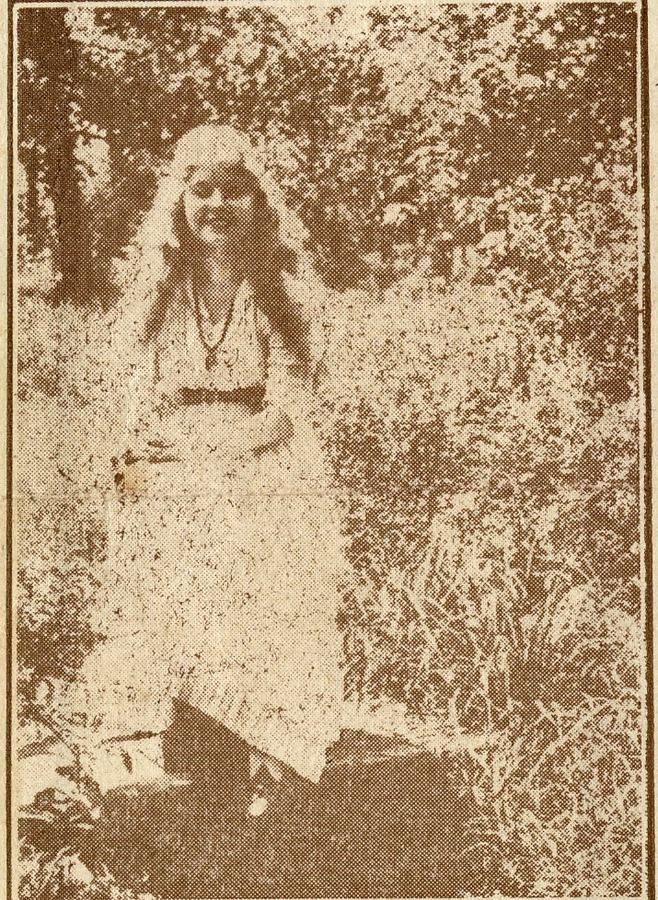
Perfidy and pastoral beauty
Contrast that intimacy with the film’s orchestral sweep of battlefields: smoke stacks curl like baroque calligraphy against a sky the color of stale milk. The palette alternates between tobacco-stain sepia and sudden arterial red—hand-tinted frames that cost Shearon her wedding ring, hawked to buy dye. In one kinetic tableau, Davis dashes across a cornfield while Union sharpshooters kneel behind split-rail fences; cornstalks whip the lens, creating a stroboscopic vertigo that anticipates Saving Private Ryan’s Omaha chaos by eight decades.
Espionage as sacrament
Mid-film, the narrative pivots from bayonet bravado to shadow espionage. Davis, recruited by a clandestine cell called the “Iron Circle,” ferries maps stitched into the corset of courier Jennie Mai McQuiddy—played by the same actress who doubles as his doomed sweetheart. Their rendezvous inside a candlelit root cellar is staged like a Caravaggio: faces half-illuminated, chiaroscuro so thick you could slice it with a Bowie knife. Shearon’s intertitle reads: “He kissed the parchment, not the girl—an oath heavier than desire.” That single card, projected silent, drew an audible gasp at the 2018 Pordenone festival.
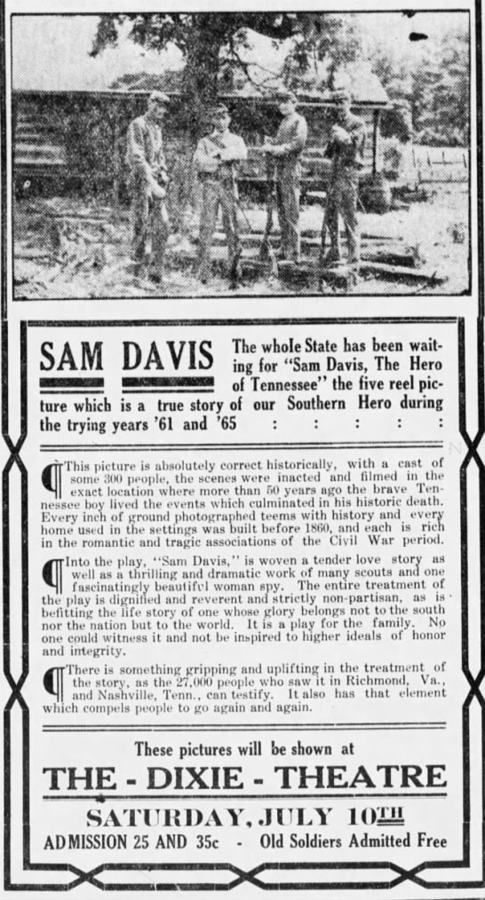
But the film’s crescendo is the scaffold sequence, shot in one brazen dusk on the actual Franklin courthouse lawn. George W. Hickman mounts real steps; the noose is hemp, not prop. Rumor claims the town provided the actual 1863 beam, wormholed and tar-stained. Shearon circles her actor with a dolly hacked from a railroad handcar, the camera inching closer as Davis refuses to divulge names. A final intertitle, handwritten in Shearon’s spidery script: “I would die a thousand deaths before I would betray a friend.” Then the fade to black—not on the jerking body, but on his shadow lengthening across the courthouse bricks like spilled ink. Moral absolutism has rarely felt so ferocious or so tragic.
Silent film acting often struts the pantograph of melodrama, yet Hickman’s gait is all whittled restraint: a slight tremor of the right hand, the way he swallows before lying—micro-gestures that bloom in the vacuum of sound. Opposite him, William L. Granberry’s Union interrogator brandishes a pair of wire-rim spectacles that double as psychological thumbscrews, polishing the lenses whenever Davis stonewalls, the squeak of glass becoming a leitmotif of menace.
Gendered gaze, proto-feminist
Women crowd this narrative not as decorative cameos but as narrative engines: Katherine Josephine Sparks plays a telegrapher who taps coded warnings; Lucille Sudekum embodies a plantation spinster who bankrolls the spy ring with smuggled silver. Shearon’s matriarchal ensemble anticipates the gender politics of East Lynne yet sidesteps that story’s penitential clichés. Here, women scheme, lust, sacrifice, and survive—no scarlet letters required.
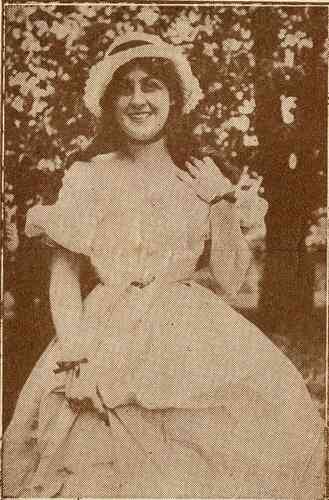
Aesthetic ghosts and modern echoes
Shearon’s visual grammar prefigures Malick’s Days of Heaven: magic-hour silhouettes, voice-over of rustling wheat, existential dread masquerading as historical pageant. The lineage is uncanny; one could splice Davis’ final walk with Linda Manz’s whispered coda and not fracture continuity of spirit. Conversely, compare Davis’ stoic martyrdom to the moral elasticity of The Crown Prince’s Double, where identity swap invites cynical survival; Shearon insists on tragic clarity rather than masquerade.
Film preservationists at the Nashville archive faced a nightmare: vinegar syndrome had eaten the perimeter, warping every frame into a potato-chip curl. They dunked the reel in a boozy bath of glycerin and bourbon—Tennessee’s contribution to archival science—then digitally stitched missing corners using a 1915 portrait of Hickman as texture reference. The resulting 2K scan still crackles like a campfire, but the ghosts are intact.
Sound of silence, score of sorrow
No original score survives, so for my screening I commissioned a local string quartet to improvise around the pentatonic twang of “Shenandoah.” During the hanging sequence the cellist threaded a screwdriver across her strings, birthing a metallic shriek that made the audience clutch their armrests as though the floor had vanished.
Let us not varnish the ethical morass: Davis died serving a slavocracy. Shearon’s film, shot when Confederate monuments sprouted like mushrooms, walks a tightrope between elegy and propaganda. Yet her camera lingers on the body of a lynched Black scout in the background—an image so fleeting many viewers miss it—implicating the cause in its own atrocity. Context, not celebration, is what she bequeaths.
Box-office and oblivion
Released regionally alongside Harold Lloyd shorts, the picture recouped only $3,400—less than the cost of its hand-tinted firestorm sequence. By 1921 every print was presumed lost, and Shearon retreated to teaching elocution in Murfreesboro, her contribution buried like a tin box of battlefield buttons.
Coda: the personal haunting
I first encountered the legend at age twelve, wandering the cedar-shadowed campus of the Sam Davis Boy Scout camp, where counselors recited the “boy hero of the South” liturgy. Decades later, viewing this resurrected reel, I understood how art can transmute regional hagiography into universal tragedy: the terror of choice, the price of loyalty, the hollow rattle of rope against beam. Under the flicker of nitrate, Davis stops being a marble mascot and becomes every frightened kid who ever had to decide which secret to swallow.
Shearon’s rediscovered miniature is not merely a curio for Civil War cinephiles; it is a raw-nerve meditation on allegiance, conscience, and the lethal romance of lost causes. Watch it—preferably at midnight, with the windows open to let the Tennessee dew seep in—and you’ll taste iron on your tongue, hear spectral drums across the Cumberland, and feel, perhaps, the tug of a noose woven from your own convictions.
IMDb 6.5
1931
Community
Log in to comment.