Australia
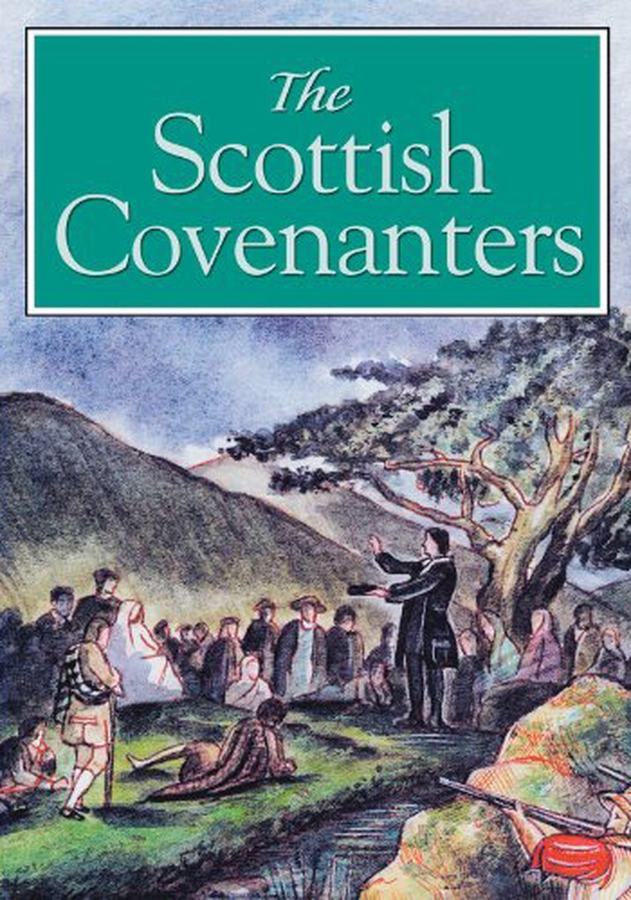
Seventeenth-century Scotland has rarely been conjured with such incandescent ferocity as in this austere miracle. The Scottish Covenanters refuses the tweedy heritage filter: instead it delivers a chiaroscuro fever dream where psalms echo like ricochets and every shaft of light seems sharpened on a whetstone of persecu...
still_frame
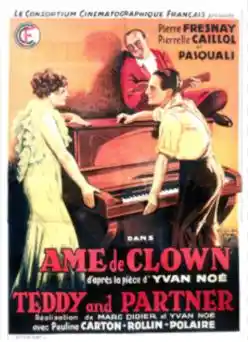
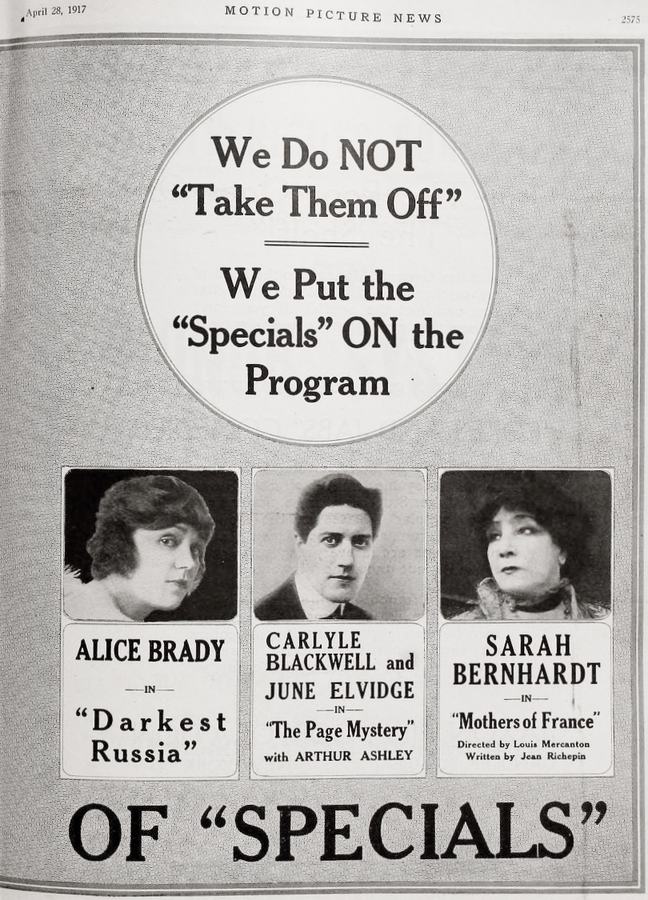
Comparing the cinematic DNA and archive impact of two defining moments in cult history.
Joseph Perry
Joseph Perry
Community
Log in to comment.
"Seventeenth-century Scotland has rarely been conjured with such incandescent ferocity as in this austere miracle. The Scottish Covenanters refuses the tweedy heritage filter: instead it delivers a chiaroscuro fever dream where psalms echo like ricochets and every shaft of light seems sharpened on a whetstone of persecution.Form as InsurgencyDirector-cinematographer duo eschew tripod orthodoxy; cameras glide on rope-pulleys across peat-smoke chapels, plunge into lochs, or dangle from kirk rafters..."
Deep dive into the cult classic
Discover similar cinematic experiences
A Directorial Spotlight on Joseph Perry
