DbcultAccessing Vault...
Cult Review
Senior Film Conservator
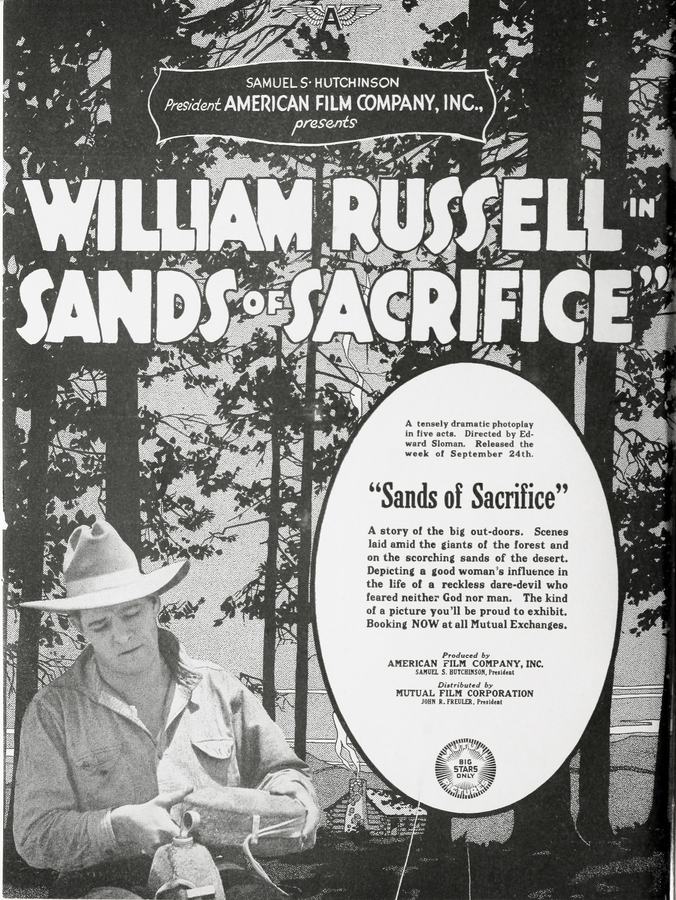
In the bustling, nascent era of cinema, when flickering images and orchestral scores wove narratives without uttered words, certain films etched themselves into the collective consciousness with an indelible power. Sands of Sacrifice, a 1917 production, stands as a testament to this unique artistry, delivering a saga of human frailty, betrayal, and the arduous journey towards redemption. It’s a compelling narrative that strips away the superficialities of polite society, exposing the raw, visceral emotions that govern our actions when pushed to the brink. This isn't merely a historical artifact; it's a vibrant, emotionally charged experience that resonates with timeless themes, proving that the human heart's complexities have always been prime cinematic fodder.
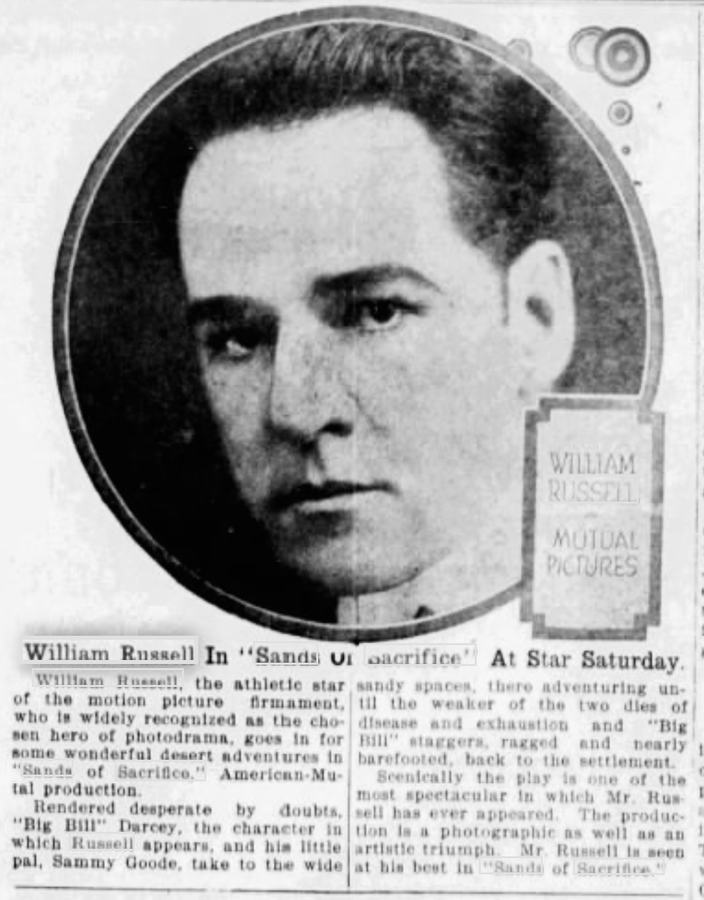
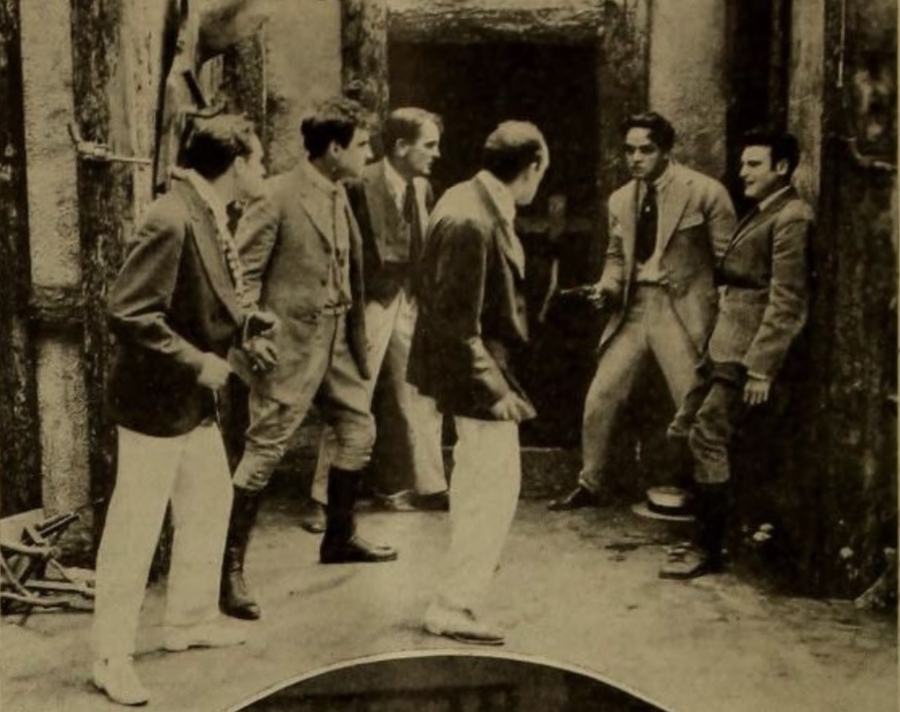
Our journey commences amidst the boisterous revelry of 'Big Bill' Darcey's hunting lodge, a scene painted with the broad strokes of indulgence and carefree abandon. Bill, portrayed with robust charisma by William Russell, initially embodies the quintessential man of leisure, his days seemingly dedicated to pleasure and the pursuit of fleeting gratification. Yet, the narrative's ingenious catalyst arrives not as a grand pronouncement but as a mundane inconvenience: the depletion of the liquor supply. This seemingly trivial event propels the unruly party from Bill's sanctuary to the adjacent lodge of his agent, Enoch Foyle. It is here, in Foyle's domain, that the film’s true dramatic engine ignites, setting Bill on an unforeseen trajectory of moral awakening. His initial encounter with Nora Farnes, found alone and vulnerable, yet armed and resolute, marks a pivotal turning point. The film cleverly subverts expectations; instead of another conquest, Bill becomes her unlikely protector. This shift from detached enjoyment to active defense is a masterstroke in character development, hinting at a deeper moral core beneath Bill's hedonistic veneer.
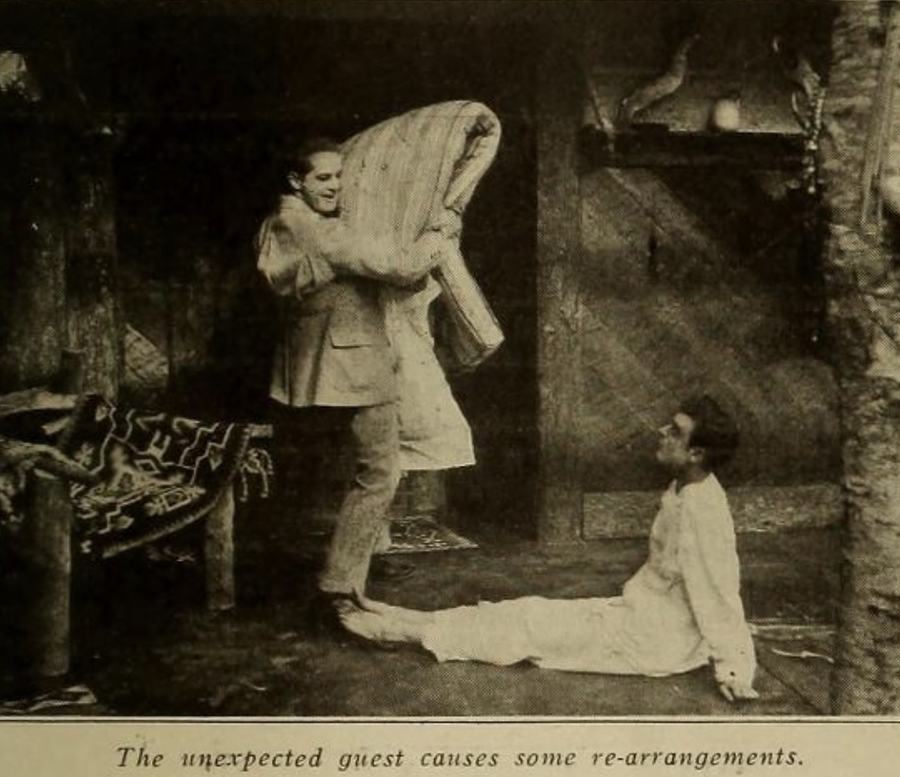
The impromptu marriage, ostensibly a shield for Nora's reputation, solidifies Bill's transformation, or at least, his commitment to a path less self-serving. This act, born of a nascent love and a sense of chivalry, mirrors the sudden, life-altering decisions seen in narratives like The Lady of Lyons; or, Love and Pride, where societal pressures and personal honor collide with romantic entanglements. However, Bill's newfound purpose is quickly tested and brutally shattered by the revelation of Foyle's betrayal – the embezzlement of his entire fortune. This financial ruin is not just a loss of wealth; it's a profound blow to Bill's trust, particularly when he discovers Nora, seemingly complicit, at Foyle's lodge. The ensuing flight into the unforgiving desert with his consumptive friend, Sammy Goode, isn't just an escape; it's a symbolic journey into the wilderness of his own despair, a profound test of character that echoes the soul-searching voyages found in epic literature. William Russell's physicality, a hallmark of silent era acting, conveys this crushing disillusionment and subsequent arduous struggle with compelling authenticity, making his internal turmoil palpable even without dialogue.
Francelia Billington's portrayal of Nora Farnes is a revelation, defying the often-passive archetypes of early cinema heroines. Nora is introduced not as a weeping victim, but as a woman of fierce resolve, armed with a revolver and a clear, singular purpose: to confront Enoch Foyle for defrauding her mother. Her initial vulnerability is tempered by a steely determination, making her an active agent in her own narrative rather than a mere object of protection. This proactive stance immediately elevates her beyond the conventional damsel, aligning her more with the spirited independence seen in characters from films like The Big Sister or The College Orphan, where female protagonists often navigate complex challenges with agency. Her willingness to take matters into her own hands, even to the point of violence, speaks volumes about her character and the desperate circumstances she faces. The minor wound she inflicts upon Foyle is not gratuitous; it's a powerful statement of her refusal to be a silent victim.

Nora's intelligence and resourcefulness are further underscored in the film's climax. Her presence at Foyle's lodge, initially a source of Bill's profound despair and misunderstanding, is revealed to be a meticulously planned stratagem. Her hidden detectives, poised to record Foyle's confession, transform what appears to be a betrayal into a clever act of justice-seeking. This twist showcases Nora's strategic mind, her ability to play a long game, and her unwavering commitment to clearing her mother's name and, by extension, her own. It's a testament to the film's nuanced writing by Harvey Gates that such a character, operating within the constraints of the silent era, emerges as so fully formed and compelling. Her journey is one not just of survival, but of active pursuit of truth and vindication, making her one of the most memorable figures in this early cinematic landscape.
No compelling drama is complete without a formidable antagonist, and George Periolat's Enoch Foyle perfectly embodies the insidious nature of betrayal. Foyle is not a mustache-twirling caricature but a calculating individual whose duplicity runs deep, reaching into the very foundations of trust and friendship. His position as Bill's agent makes his betrayal all the more heinous, shattering the implicit bond of loyalty and responsibility. Foyle represents the dark undercurrent of human greed, a force capable of unraveling lives and fortunes with cold indifference. His actions, from defrauding Nora's mother to fleecing Bill, serve as the primary engine of conflict, driving the protagonists through their respective trials.
The film masterfully uses Foyle as a catalyst for growth in Bill and a test of Nora's resilience. Without his malevolence, their true characters might never have been fully revealed. The quiet menace Periolat imbues Foyle with, through subtle gestures and piercing gazes, is a remarkable feat for a silent film, conveying villainy without a single spoken word. His eventual unmasking, orchestrated by Nora, provides a cathartic release, not just for the characters, but for the audience, eager to see justice served. The theme of betrayal, so central to this film, finds echoes in other morally complex narratives, such as The Chattel, where personal integrity is pitted against unscrupulous forces, or even The Devil's Pay Day, if that film similarly explores the dire consequences of moral compromise. Foyle's character, therefore, serves not just as a villain, but as a critical narrative device, pushing the boundaries of human endurance and moral fortitude.
Joe King's Sammy Goode, Bill's consumptive friend, is arguably the moral compass and sacrificial heart of Sands of Sacrifice. His loyalty to Bill is unwavering, even as Bill spirals into despair. The journey into the desert, necessitated by Sammy's illness and Bill's broken spirit, transforms into a profound crucible for Bill's character. The vast, indifferent expanse of the desert, a silent witness to their suffering, strips away all pretense, forcing Bill to confront his deepest fears and regrets. It's a classic cinematic trope, the wilderness as a place of purification and revelation, a journey not unlike the spiritual quests found in films that explore profound personal transformation, albeit in different settings. The desert here is not merely a backdrop; it's an active participant, pushing the characters to their physical and emotional limits.
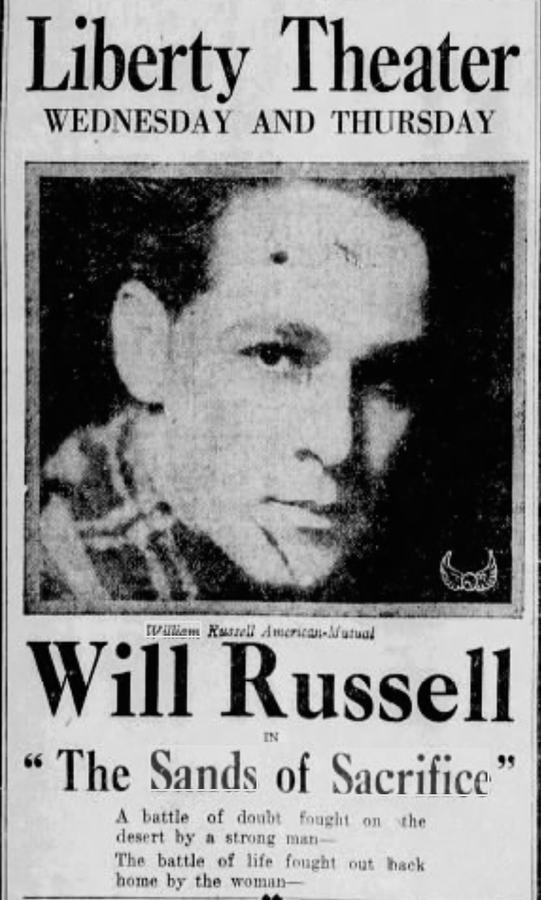
Sammy's dying request—that Bill return and listen to Nora's explanation—is the emotional core of the film's redemptive arc. It's a moment of profound selflessness and wisdom, a plea for understanding that transcends the immediate pain of betrayal. Sammy, even in his final moments, sees beyond Bill's rage and hurt, recognizing the potential for truth and reconciliation. This selfless act serves as the ultimate catalyst for Bill's return, a spiritual reawakening that propels him out of the desert and back into the world of human connection. Without Sammy's intervention, Bill might have been lost forever, consumed by his bitterness. His sacrifice underscores the film's thematic exploration of friendship, loyalty, and the enduring power of empathy. It’s a poignant reminder that sometimes, the greatest wisdom comes from the most unexpected sources, guiding us back from the brink of self-destruction. This kind of guiding hand, even in death, reminds one of the profound impact supporting characters can have, much like the moral awakening central to The Heart of Lincoln, where moral principles steer the protagonist.
While Harvey Gates is credited as the writer, the narrative's intricate structure and emotional depth suggest a profound understanding of cinematic storytelling, typical of those who often wore multiple hats in the early studio system. The pacing of Sands of Sacrifice is remarkably sophisticated for its time, building tension with measured precision, allowing character motivations to unfold organically, and culminating in a satisfying, yet earned, resolution. The script avoids simplistic morality, instead delving into the grey areas of human perception and the destructive power of misunderstanding. The plot twists, particularly Nora's elaborate scheme, are not cheap tricks but rather intelligent developments that elevate the narrative beyond a straightforward tale of good versus evil.
Gates' ability to craft such a compelling story, one that relies heavily on visual storytelling and the nuanced performances of its cast, is a testament to his skill. In an era without spoken dialogue, the clarity of the narrative, the emotional arcs, and the precise timing of revelations were paramount. The film’s success in conveying betrayal, despair, love, and ultimately, reconciliation, without the crutch of audible conversation, highlights the power of pure cinematic language. The use of intertitles, while necessary, never feels intrusive, seamlessly guiding the audience through the story's complexities. This level of narrative craftsmanship is a benchmark for silent cinema, demonstrating how effective storytelling can be achieved through visual means alone, much like the compelling narrative drive found in Life Without Soul, where profound questions are explored through visual metaphor and character struggle.
At its core, Sands of Sacrifice is a profound meditation on trust – its fragility, its destruction, and its eventual, hard-won restoration. Bill's journey from blind faith to bitter disillusionment, and finally to enlightened understanding, forms the emotional backbone of the film. The theme of redemption, often explored through self-sacrifice and arduous trials, is beautifully rendered here, not as an easy path, but as a journey fraught with pain and self-discovery. Nora's steadfast pursuit of justice, even in the face of Bill's initial rejection, speaks to her indomitable spirit and her unwavering belief in truth. Her actions ultimately pave the way for a reconciliation that is deeply satisfying precisely because it is earned through mutual suffering and understanding.
The film's resolution, with Bill and Nora finishing their dinner, the shadows of deceit lifted, is a quiet triumph. It's not a grand, dramatic flourish, but a return to normalcy, imbued with the weight of shared experience and a renewed, deeper bond of trust. This understated ending speaks volumes, suggesting that true happiness lies not in the absence of conflict, but in the ability to overcome it together. The lessons learned in the desert, the sacrifices made, and the truths uncovered culminate in a reconciliation that feels both authentic and enduring. Sands of Sacrifice, therefore, transcends its silent film origins to offer a powerful and timeless exploration of the human condition, making it a compelling watch for anyone interested in the foundational narratives of cinema and the enduring quest for justice and love.
In an era of rapid cinematic experimentation, Sands of Sacrifice stands out not just for its engaging plot, but for its emotional depth and its compelling performances. It's a reminder that even without the benefit of synchronized sound, film could, and did, tell stories of immense power and resonance. It invites us to consider how much of human communication lies beyond words, in the subtle shifts of expression, the urgency of movement, and the universal language of the heart. For those eager to delve into the rich tapestry of early American cinema, this film offers a journey well worth taking, leaving an impression that lingers long after the final fade to black.
IMDb —
1929
Community
Log in to comment.