DbcultAccessing Vault...
Cult Review
Senior Film Conservator
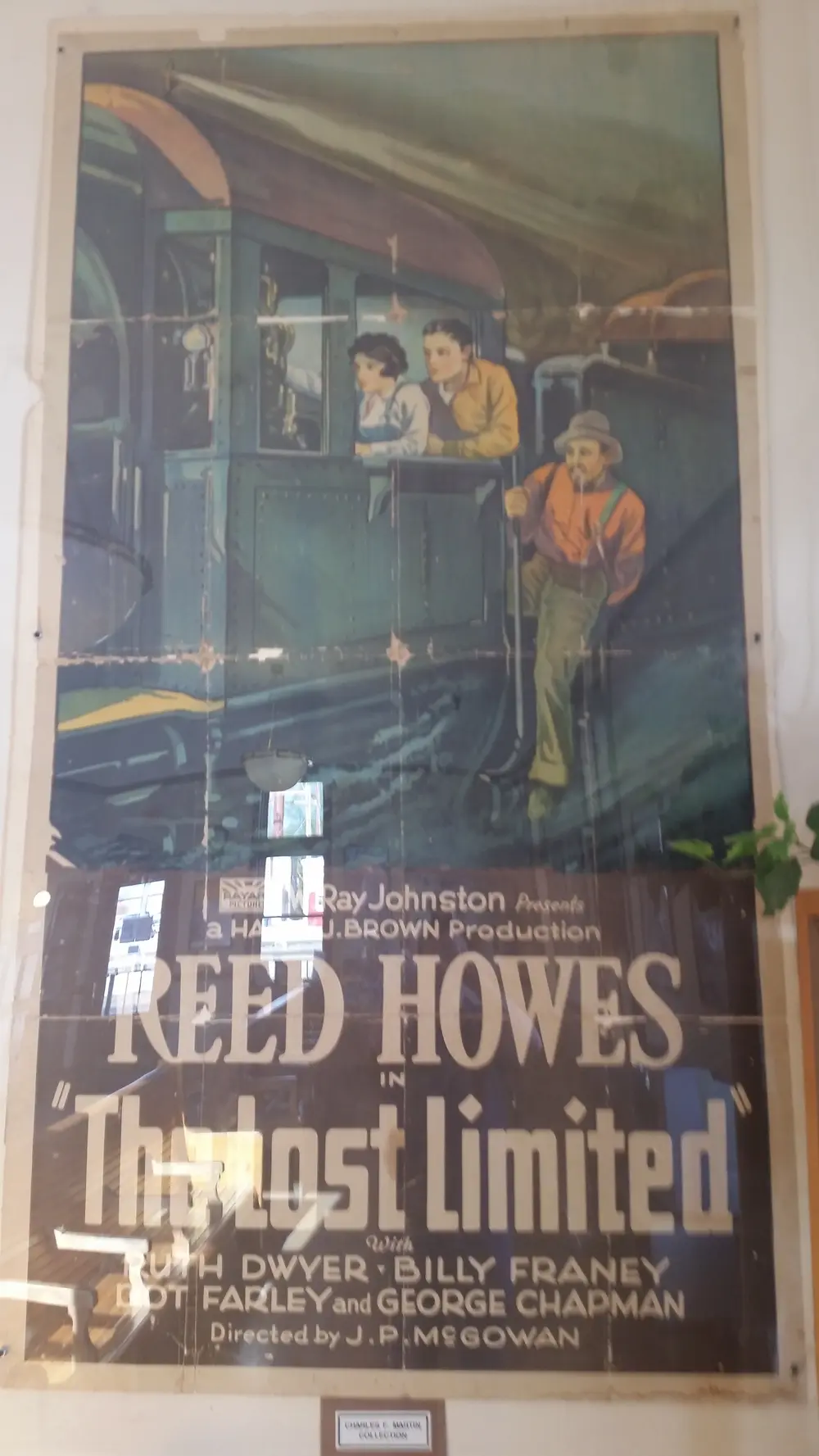
Is The Lost Limited worth watching today? Short answer: yes, but with significant caveats. This 1927 silent film offers a fascinating glimpse into early cinematic storytelling, delivering a surprisingly effective blend of industrial drama and competitive thrills that still holds a certain charm. However, its pacing, narrative simplicity, and reliance on silent film conventions will undoubtedly test the patience of modern viewers accustomed to more sophisticated storytelling.
This film is primarily for silent film enthusiasts, cinephiles interested in railroad history, or those looking to understand the foundations of cinematic conflict. It is decidedly NOT for viewers seeking fast-paced action, complex character development, or dialogue-driven drama.
J.P. McGowan’s The Lost Limited plunges us into an era where industrial might was king and the railroads were its undisputed monarchs. The film, a product of 1927, predates the talkie revolution, relying entirely on visual storytelling, intertitles, and the audience’s imagination to convey its narrative. It’s a foundational piece of cinema, perhaps not a groundbreaking one, but certainly a representative example of the genre films that captivated audiences nearly a century ago.
At its core, it’s a story of redemption and corporate warfare, centered around Leonard Hathaway, played by Reed Howes. Hathaway, initially portrayed as a man of leisure, is thrust into the harsh realities of his family's railroad business. His father's company is struggling, and its salvation hinges on securing a major ore-hauling contract. This isn't just about business; it's about reputation, legacy, and the very survival of an enterprise.
The dramatic tension is expertly provided by Thomas Webber, the antagonist, whose ruthless ambition drives much of the plot. Webber, portrayed by George B. French, is a delightful, mustache-twirling villain in the classic silent film mold, employing every trick in the book to undermine Hathaway's efforts. The conflict between these two men forms the backbone of the story, elevating what could have been a dry business drama into a compelling race against time and sabotage.
This film works because of its clear, high-stakes conflict and the compelling visual language used to convey the industrial power of the era. The train sequences, though rudimentary by today's standards, carry a palpable sense of speed and danger.
This film fails because its narrative simplicity and reliance on melodramatic tropes can feel dated, leading to predictable character arcs and an emotional depth that rarely ventures beyond the surface.
You should watch it if you appreciate the historical context of early cinema and the visual storytelling techniques of the silent era, especially if you have an interest in railroad lore or underdog narratives.
The plot of The Lost Limited is refreshingly straightforward, a characteristic common to silent films that needed to convey information without spoken dialogue. Leonard Hathaway, initially a playboy, is forced to mature quickly. His journey from an inexperienced heir to a savvy businessman is the central arc, driven by the need to win a crucial ore-hauling contract. This contract isn't just a business deal; it's a test of his worth, both to his family and to himself.
The villain, Thomas Webber, is a master of industrial espionage and sabotage. His machinations provide a constant source of tension, ranging from tampering with equipment to outright deceit. This creates a compelling cat-and-mouse game, with Leonard constantly having to outwit Webber’s schemes. The film doesn't shy away from depicting the cutthroat nature of business, even if it does so with a certain theatrical flourish.
Pacing in silent films can be a contentious point for modern audiences. The Lost Limited, like many of its contemporaries, has moments that feel deliberate, almost languid, interspersed with bursts of frantic action. The sequences depicting the trains themselves, striving for speed and efficiency, are where the film truly picks up momentum. These scenes, though lacking the sophisticated CGI of today, still manage to convey a sense of genuine urgency and mechanical power.
One particular sequence, where Leonard must thwart Webber’s attempt to derail the 'fastest train,' stands out. The tension builds through rapid cuts between the sabotaged track and Leonard’s desperate race to prevent disaster. This kind of visual storytelling, reliant on editing and performance, is a testament to the ingenuity of silent era filmmakers. It's a foundational technique that would influence countless action films to follow, even if it feels a bit quaint now compared to, say, the intricate chase scenes in The Unguarded Hour's more complex narrative.
The acting in silent films is a unique art form, relying heavily on exaggerated facial expressions, body language, and pantomime to convey emotion and intent. Reed Howes, as Leonard Hathaway, embodies the classic hero archetype. His transformation from a carefree individual to a determined leader is conveyed through increasingly resolute stances and focused expressions. While not a performance that delves into deep psychological complexity, it serves the narrative effectively, making him a sympathetic figure.
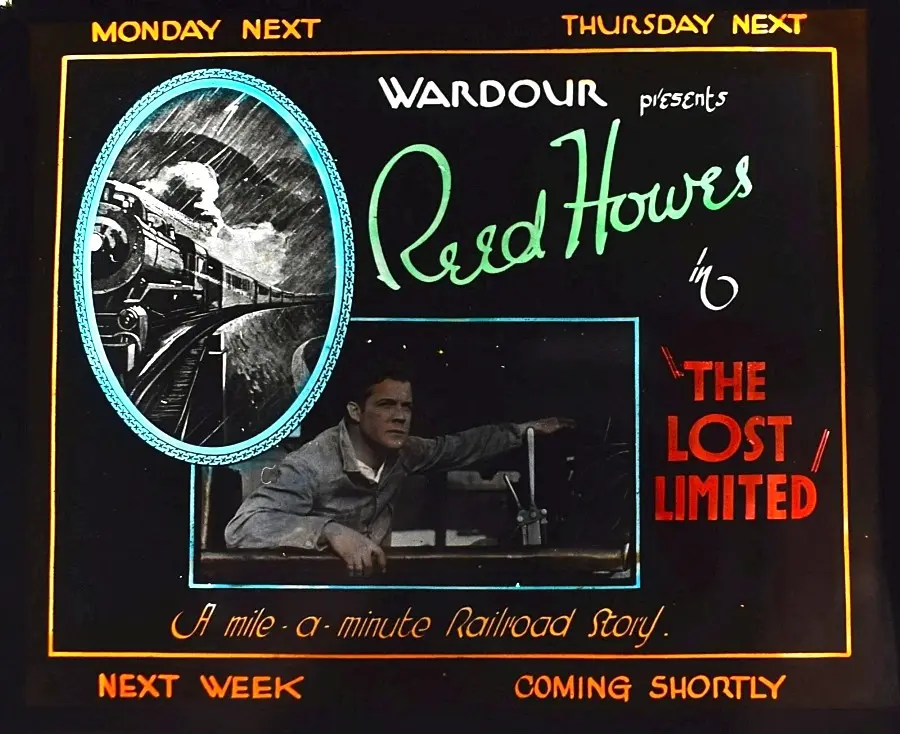
Dot Farley, whose role is somewhat understated in the provided plot, likely serves as a supportive figure or love interest, a common trope of the era. Her presence would have added a layer of emotional grounding, providing a contrast to the industrial machinations. Silent film actresses often excelled at conveying vulnerability and strength through subtle gestures, and one can infer Farley would have brought a similar sensibility.
However, the true standout performance, if one can call it that, comes from George B. French as Thomas Webber. Webber is pure, unadulterated villainy. His sneers, his conniving glances, and his overall demeanor are perfectly calibrated for a silent antagonist. He's not meant to be nuanced; he's meant to be an obstacle, and French plays him with a relish that is almost infectious. In many ways, Webber's theatrical villainy is far more engaging than Hathaway's relatively straightforward heroism, a surprising observation that often holds true for silent cinema.
The supporting cast, including Georgie Chapman and Billy Franey, fill out the world, providing additional texture. Their performances, while not central, contribute to the overall atmosphere of a bustling railroad company under siege. The collective effort ensures that despite the lack of spoken words, the emotional beats of rivalry, determination, and peril are clearly communicated to the audience.
J.P. McGowan, who also features in the cast, directs The Lost Limited with a clear understanding of its strengths: the power of the railway and the visual drama of industrial competition. McGowan’s direction is functional, prioritizing narrative clarity and visual impact over artistic flourishes. He knows his audience wants to see trains, and he delivers, capturing the immense scale and raw power of these machines.
The cinematography, while not groundbreaking compared to experimental works like Autour de la roue, effectively uses the available technology to create a sense of place and action. Shots of trains thundering down tracks, smoke billowing from their stacks, are a constant reminder of the stakes. The camera often emphasizes the machinery, treating the locomotives almost as characters themselves, vital to the story's progression.
McGowan uses standard silent film techniques like cross-cutting to build suspense, particularly during the sabotage sequences. When Webber’s men tamper with a switch or cut a brake line, the film cuts rapidly between their nefarious actions and Leonard’s growing realization of danger, culminating in a tense chase or a dramatic rescue. This is efficient filmmaking, designed to keep the audience engaged without relying on complex visual metaphors.
The film's tone oscillates between earnest drama and heightened melodrama. The stakes are presented as incredibly high, yet the solutions often involve heroic, almost simplistic victories over clear-cut evil. This isn't a flaw for its time; it's a characteristic. The visuals reinforce this, with clear distinctions between the noble, hardworking Hathaway camp and the shadowy, underhanded Webber faction. It works. But it’s flawed.
The Lost Limited, despite its age and silent format, explores themes that remain remarkably relevant. The most prominent is the classic underdog story: a protagonist, initially underestimated and inexperienced, rising to the challenge to save his family's enterprise. This narrative arc is timeless, resonating with audiences who appreciate tales of perseverance and self-improvement.
Another significant theme is industrial competition and the moral compromises often made in the pursuit of profit. Webber’s character embodies the darker side of capitalism, where integrity is sacrificed for advantage. This provides a clear moral compass for the audience, distinguishing between ethical business practices and ruthless ambition. It’s a simple dichotomy, but effective.
The film also serves as a historical document, offering a window into the industrial era and the romanticism surrounding railroads. Trains were symbols of progress, speed, and connectivity, and The Lost Limited taps into that cultural fascination. It’s a celebration of engineering prowess and human ingenuity, even amidst the drama of corporate rivalry. This fascination with the mechanics of the world is a common thread in many films of the era, from documentaries to dramas like The Heart of a Police Officer, which also focused on industrial settings.
Its legacy is not that of a groundbreaking artistic achievement, but rather as a solid genre piece that contributed to the development of early cinematic storytelling. It proves that compelling narratives, even without dialogue, could captivate audiences and lay the groundwork for future generations of filmmakers. It's a reminder that fundamental story structures endure, regardless of technological advancements.
For those curious about the roots of cinema, The Lost Limited offers a valuable historical experience. Its straightforward plot and clear hero-villain dynamic make it accessible, even for those new to silent films. The film’s focus on railroad mechanics and corporate intrigue provides a unique snapshot of a bygone era.
However, temper your expectations. The pacing can feel slow by modern standards, and the acting, while effective for its time, might appear overly theatrical. If you can appreciate the historical context and the unique challenges of silent film production, there's enjoyment to be found. If you demand fast-paced action and complex psychological drama, this is not your film.
The Lost Limited is a competent, if not exceptional, silent film that holds its own as a piece of cinematic history. It’s a testament to the ingenuity of early filmmakers who crafted engaging stories without the benefit of spoken dialogue. While it won't redefine your understanding of cinema, it offers a solid, entertaining experience for those willing to engage with its particular period charm. It's a film that demands patience but rewards it with a window into a bygone era of industrial ambition and cinematic simplicity. For a true film enthusiast, it’s a journey worth taking, even if only once.
IMDb 6.7
1930
Community
Log in to comment.