DbcultAccessing Vault...
6.5/10
Senior Film Conservator
A definitive 6.5/10 rating for a film that redefined the boundaries of cult cinema. Santa Claus remains a cornerstone of transgressive art.
In the flickering pantheon of early silent cinema, few artifacts possess the peculiar, haunting charm of Frank E. Kleinschmidt’s 1925 production, Santa Claus. This is not the sanitized, department-store Saint Nick we have grown accustomed to in the age of digital saturation. Instead, Kleinschmidt—a man whose primary vocation was that of an intrepid Arctic explorer—delivers a vision of the North Pole that feels startlingly tangible, rooted in the grit of real-world expeditions yet elevated by a childlike sense of wonder. To watch this film in the modern era is to undergo a form of temporal displacement, where the simplicity of the plot serves as a canvas for some of the most evocative location photography of the mid-twenties.
What distinguishes this version of the Christmas legend from contemporaneous works like The Man in the Moonlight or the more theatrical The Triumph of Venus is its commitment to a quasi-documentary aesthetic. Kleinschmidt utilized actual footage from his Arctic travels, integrating scenes of indigenous wildlife and vast, undulating ice floes that lend the film an atmospheric weight often missing from the period's studio-bound fantasies. The children at the center of the story—surrogates for an audience hungry for the exotic—function as our guides through this sub-zero labyrinth.
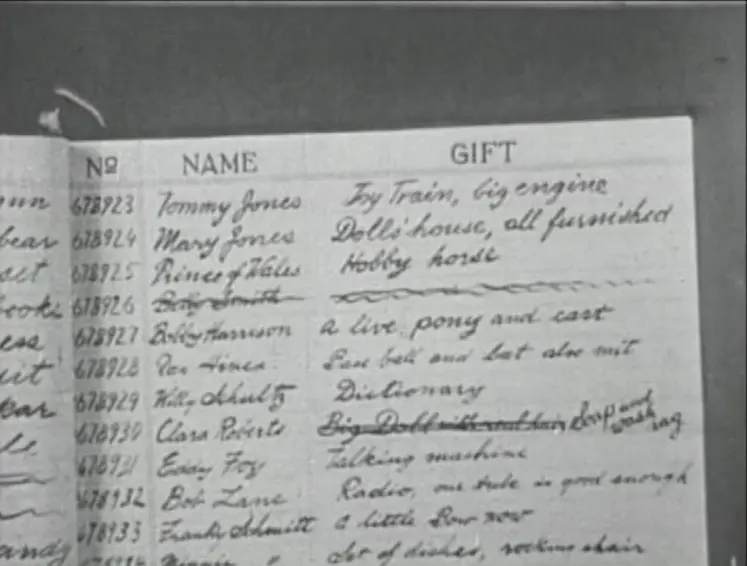
The premise is deceptively simple: two children, gripped by the existential weight of a holiday mystery, decide to confront the source. They want to know the 'how' and the 'why' of the Clausian operation. In an era where cinema was still defining its narrative grammar, this direct interrogation of folklore was revolutionary. While films like Sir Arne's Treasure used the frozen landscape as a backdrop for tragedy and retribution, Kleinschmidt uses it as a playground for the inquisitive spirit.
The cinematography in Santa Claus is nothing short of miraculous given the technical constraints of 1925. The silver halide crystals of the film stock seem to vibrate with the cold. There is a sequence involving the reindeer that, while primitive by today’s standards, carries a visceral authenticity that modern CGI cannot replicate. We are seeing real animals in a real environment, a feat that echoes the ruggedness of The Railroader or the stark realism found in Istoriya grazhdanskoy voyny.
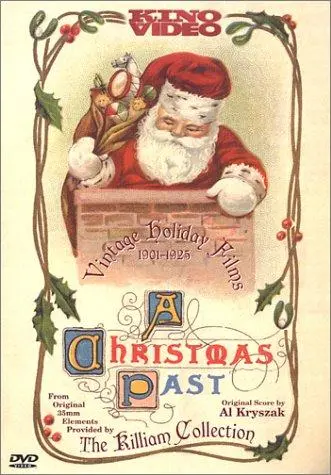
"The film operates on a frequency of pure sincerity, eschewing the cynical commercialism that would later define the genre. It is a celluloid fever dream of ice and altruism."
One cannot help but compare the lighting choices here to the moody, expressionistic shadows of Phantom Fortunes. However, where that film sought to evoke dread, Kleinschmidt seeks to evoke awe. The way the light hits the snow—often overexposed to create a celestial, blinding whiteness—suggests a realm that exists just beyond the reach of the mundane world. It is a visual language of purity, contrasting sharply with the urban grit seen in Das Mädel von Picadilly, 2. Teil.
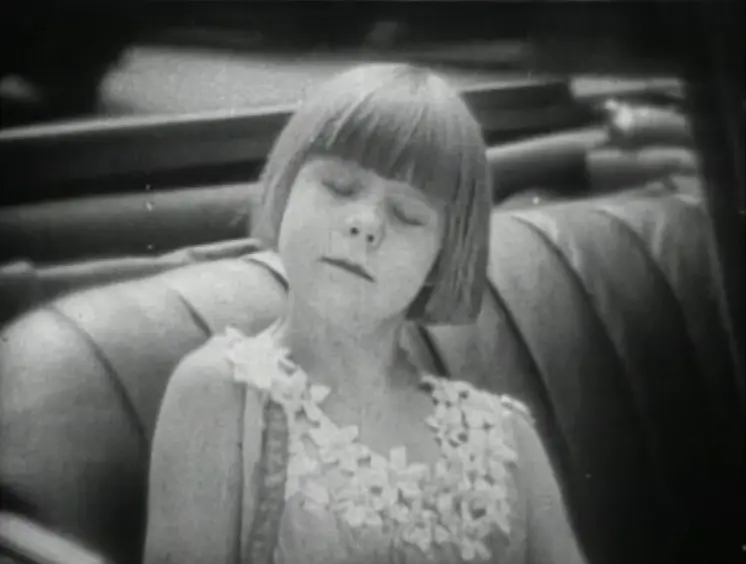
Critics of the time might have dismissed the plot as thin, but they would be missing the forest for the frozen trees. The children’s journey is a metaphor for the human condition—the drive to seek out the architect of our joys. When they ask Santa where he lives and what he does during the fallow months of the year, they are asking questions about the nature of purpose and the hidden machinery of the world. This thematic depth is subtly woven into the fabric of the film, much like the underlying social critiques in Gengældelsens ret.
The portrayal of Santa himself is fascinating. He is depicted as a laborer of love, a craftsman whose 'off-season' is spent in a state of perpetual preparation. This elevates the character from a magical entity to a figure of industry. It’s a fascinating reflection of the 1920s work ethic, perhaps even mirroring the relentless production schedules of silent-era studios. Unlike the protagonists in Out of Luck, Kleinschmidt’s Santa is the master of his own destiny, carved out of the permafrost through sheer willpower.
When placed alongside other 1920s releases, the unique positioning of Santa Claus becomes even more apparent. While The Wrong Woman or The Divorcee focused on the shifting domestic landscape of the post-war era, Kleinschmidt looked outward, toward the horizon. There is an escapism here that is not about fleeing reality, but about expanding it. Even the more action-oriented films of the day, such as The Western Musketeer or The Desert Sheik, relied on established tropes of heroism. Kleinschmidt’s hero is a benevolent patriarch whose only weapon is a sack of toys and a team of caribou.
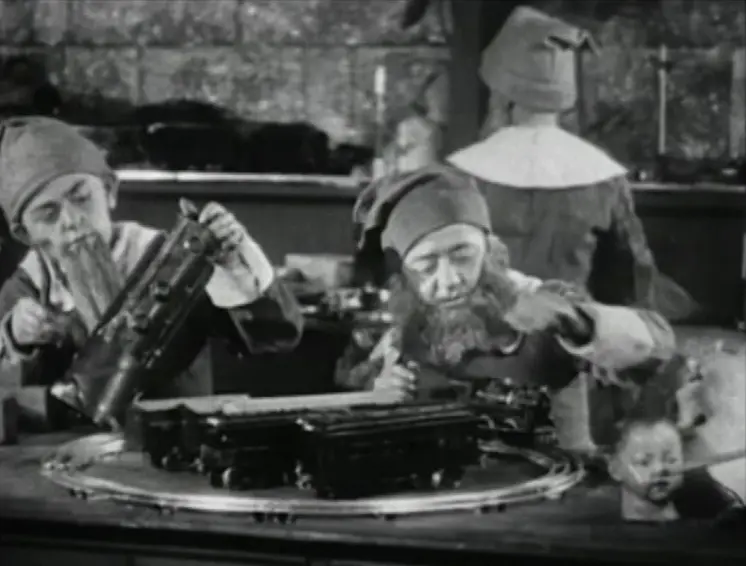
The film also avoids the melodramatic pitfalls of Chained to the Past. There is no villain in this Arctic world, save perhaps for the elements themselves. The conflict is purely internal—the tension between doubt and belief. This makes the eventual payoff, when the children finally witness the inner workings of Santa’s workshop, feel like a spiritual epiphany rather than just a narrative resolution. It’s a tonal achievement that shares more with the ethereal quality of A Widow's Camouflage than with the standard holiday fare of the decade.
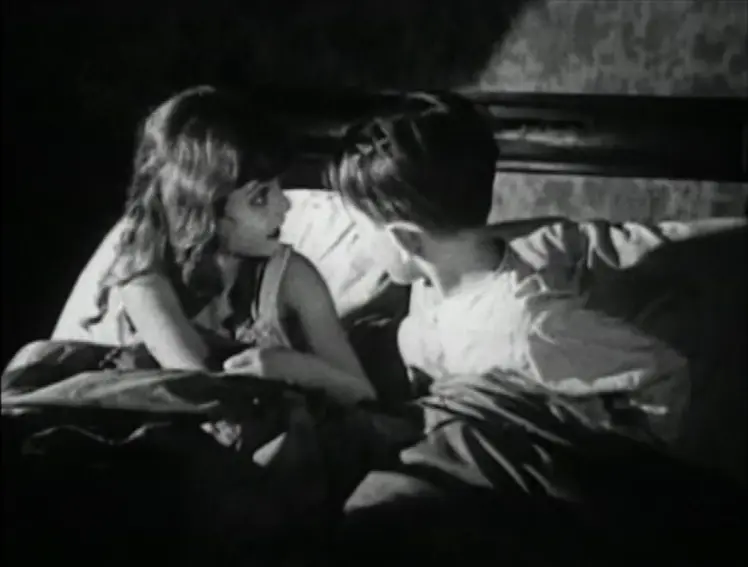
As we dissect the film’s structure, we must acknowledge its pacing. To a modern viewer, the rhythm may feel languid, almost meditative. Yet, this is precisely where its power lies. Kleinschmidt allows the camera to linger on the vastness of the snow, the breath of the reindeer, and the quiet concentration of the children. It is a cinema of observation. In an age where we are bombarded by rapid-fire editing, there is something profoundly healing about the steady, unhurried gaze of this 1925 masterpiece.
The film’s historical value cannot be overstated. It serves as a time capsule of both early 20th-century Arctic exploration and the evolving mythology of Christmas. By bringing his camera to the ends of the earth, Kleinschmidt did more than just tell a story; he validated a dream. He showed a generation of children that the North Pole was not just a point on a map or a figment of a poem, but a living, breathing landscape of ice and possibility.
Ultimately, Santa Claus (1925) stands as a testament to the power of the silent image. It doesn't need synchronized dialogue to convey the warmth of the holiday spirit or the biting chill of the Arctic wind. It relies on the universal language of curiosity and the timeless appeal of the unknown. While it may lack the narrative complexity of modern cinema, it possesses a soul that is often absent in high-budget spectacles.
For those willing to look past the occasional flicker and the grain of aged nitrate, there is a world of wonder waiting to be rediscovered. It is a film that invites us to put on our metaphorical coats and join those two children as they step out of their bedroom and into the vast, white unknown. In doing so, we might just find ourselves asking the same questions—and, for a brief hour, finding the answers in the silent, shimmering snows of Frank E. Kleinschmidt’s imagination.
Critic's Rating: 4.5/5 Reindeer
A must-watch for historians of the genre and anyone who still harbors a sliver of belief in the magic that happens when the world goes quiet on December 24th.
IMDb 5.4
1923
Community
Log in to comment.