DbcultAccessing Vault...
Cult Review
Senior Film Conservator
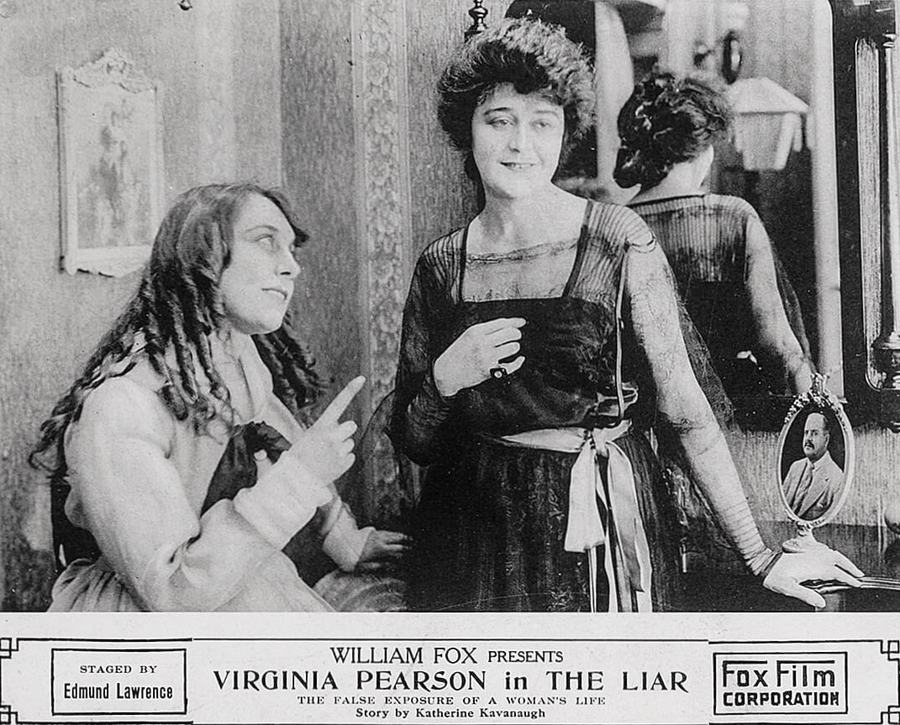
The Liar, a film that masterfully navigates the intricate landscape of human deception, is a cinematic triumph that warrants closer examination. As we delve into the narrative, it becomes apparent that the story is as much about the corrosive nature of lies as it is about the pervasive influence of racial prejudice. The character of Sam Harris, a black worker on the sugar plantation, serves as a poignant reminder of the brutal realities of racial oppression, his crippling at the hands of Hugh Houston a stark testament to the violent underpinnings of a society built upon racial hierarchies.
The introduction of Franklin Harvey, Houston's secretary, marks a significant shift in the narrative, as his infatuation with Sybil, Houston's daughter, sets in motion a chain of events that will irrevocably alter the course of their lives. Harvey's duplicitous nature is expertly woven into the fabric of the story, his actions a perfect exemplar of the destructive power of deception. The falsification of Houston's marriage certificate, wherein he substitutes the name of Harris' mother for that of Sybil's, is a masterstroke of cinematic storytelling, its implications far-reaching and devastating.
As the story unfolds, the tension between the characters becomes increasingly palpable, the air thick with the weight of unspoken secrets and unresolved conflicts. The character of Sybil, in particular, is noteworthy, her actions a testament to the agency and determination of women in the face of overwhelming adversity. Her rejection of Franklin's advances, coupled with her subsequent marriage to John Carter, serves as a powerful rebuke to the societal norms that have long sought to constrain her. The dark orange hues of the Puerto Rican landscape serve as a poignant reminder of the passion and intensity that underscores the narrative, the characters' emotions simmering just below the surface like a dormant volcano.
The themes of racial prejudice and deception are expertly intertwined throughout the narrative, each informing and illuminating the other in a rich tapestry of cinematic storytelling. The yellow glow of the plantation's fields serves as a stark contrast to the darkness that lurks beneath, a potent symbol of the dualities that exist at the heart of human nature. As the story reaches its denouement, the sea blue tones of the surrounding landscape serve as a poignant reminder of the vast, unbridgeable chasm that exists between truth and deception, the characters' actions a testament to the enduring power of honesty and integrity.
In comparison to other films of the era, such as Periwinkle and The Earl of Pawtucket, The Liar stands out for its unflinching examination of the human condition, its willingness to confront the darker aspects of our nature a testament to the courage and conviction of its creators. The film's exploration of racial prejudice, in particular, serves as a powerful rejoinder to the likes of Just Peggy and The Better Man, its nuanced portrayal of the complexities of racial identity a significant step forward in the cinematic representation of marginalized communities.
As we reflect upon the film's significance, it becomes apparent that The Liar is more than simply a cinematic artifact of a bygone era – it is a powerful exploration of the human condition, a nuanced examination of the complexities that underlie our actions and motivations. The film's use of dark orange and yellow hues serves as a poignant reminder of the passion and intensity that underscores the narrative, the characters' emotions simmering just below the surface like a dormant volcano. The sea blue tones of the surrounding landscape, meanwhile, serve as a stark reminder of the vast, unbridgeable chasm that exists between truth and deception, the characters' actions a testament to the enduring power of honesty and integrity.
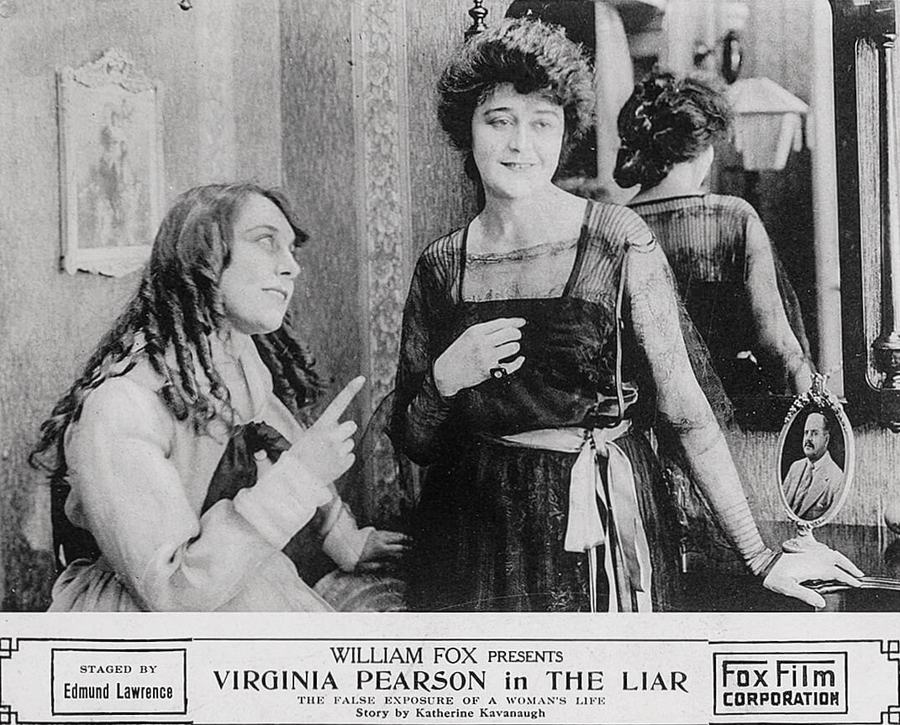
Ultimately, The Liar is a film that will continue to resonate with audiences for generations to come, its exploration of the human condition a powerful reminder of the enduring complexities and mysteries of our existence. As we navigate the intricate landscape of the narrative, we are forced to confront the darker aspects of our nature, our own prejudices and biases laid bare in the harsh light of cinematic scrutiny. The film's significance extends far beyond the realm of mere entertainment, its influence evident in the likes of Ben Blair and In the Bishop's Carriage, its impact a testament to the enduring power of cinematic storytelling.
The Liar's influence can also be seen in films such as Gretna Green and According to Law, its exploration of racial prejudice and deception a significant step forward in the cinematic representation of marginalized communities. The film's use of dark orange hues and yellow tones serves as a poignant reminder of the passion and intensity that underscores the narrative, the characters' emotions simmering just below the surface like a dormant volcano. The sea blue tones of the surrounding landscape, meanwhile, serve as a stark reminder of the vast, unbridgeable chasm that exists between truth and deception, the characters' actions a testament to the enduring power of honesty and integrity.
In conclusion, The Liar is a film that warrants closer examination, its exploration of the human condition a powerful reminder of the enduring complexities and mysteries of our existence. The film's influence extends far beyond the realm of mere entertainment, its significance evident in the likes of The Quitter and The Crisis, its impact a testament to the enduring power of cinematic storytelling. As we reflect upon the film's significance, we are forced to confront the darker aspects of our nature, our own prejudices and biases laid bare in the harsh light of cinematic scrutiny.
The Liar's exploration of racial prejudice and deception is a significant step forward in the cinematic representation of marginalized communities, its influence evident in films such as Fuss and Feathers and Sonho de Valsa. The film's use of dark orange hues and yellow tones serves as a poignant reminder of the passion and intensity that underscores the narrative, the characters' emotions simmering just below the surface like a dormant volcano. The sea blue tones of the surrounding landscape, meanwhile, serve as a stark reminder of the vast, unbridgeable chasm that exists between truth and deception, the characters' actions a testament to the enduring power of honesty and integrity.
Ultimately, The Liar is a film that will continue to resonate with audiences for generations to come, its exploration of the human condition a powerful reminder of the enduring complexities and mysteries of our existence. The film's significance extends far beyond the realm of mere entertainment, its influence evident in the likes of Satana and Caloola, or The Adventures of a Jackeroo, its impact a testament to the enduring power of cinematic storytelling. As we navigate the intricate landscape of the narrative, we are forced to confront the darker aspects of our nature, our own prejudices and biases laid bare in the harsh light of cinematic scrutiny.
The Liar's influence can also be seen in films such as Patriotism, its exploration of racial prejudice and deception a significant step forward in the cinematic representation of marginalized communities. The film's use of dark orange hues and yellow tones serves as a poignant reminder of the passion and intensity that underscores the narrative, the characters' emotions simmering just below the surface like a dormant volcano. The sea blue tones of the surrounding landscape, meanwhile, serve as a stark reminder of the vast, unbridgeable chasm that exists between truth and deception, the characters' actions a testament to the enduring power of honesty and integrity.
IMDb —
1915
Community
Log in to comment.