DbcultAccessing Vault...
Cult Review
Senior Film Conservator
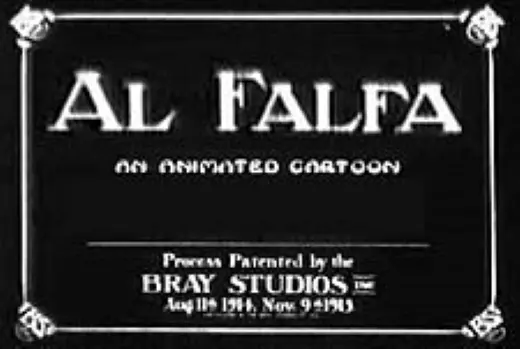
When the flickering frames of Farmer Al Falfa's Bride first burst onto the silver screen over a century ago, they did more than simply amuse; they carved a niche for the archetype of the earnest countryman in the pantheon of animated protagonists.
Paul Terry’s direction, complemented by Frank Moser’s deft hand, conjures a world where the bucolic serenity of a farm is perpetually on the brink of comic disaster. The film’s opening tableau—a sprawling, sun‑kissed meadow dotted with clucking chickens and a lone, creaking windmill—establishes an atmosphere of pastoral innocence that is swiftly subverted by the arrival of a flamboyant matchmaker, whose garish attire and exaggerated gestures are rendered in the bold palette of early cel animation.
From the outset, the narrative stakes are simple yet resonant: Al Falfa, a figure whose very name has become synonymous with naïve optimism, seeks a bride. The matchmaker’s rolodex of potential spouses is a parade of caricatures, each more outlandish than the last, echoing the visual humor found in Terry’s later work, Black Orchids, where exaggerated femininity serves as a foil for male protagonists.
Al Falfa’s selection of a demure, wide‑eyed maiden—her design a study in delicate curves contrasted against his angular silhouette—sets the stage for a cascade of escalating gags. The first obstacle arrives in the form of a runaway hay wagon, its wheels clattering like a percussion ensemble. The wagon’s momentum propels a stray goat into the scene, whose frantic bleats trigger a chain reaction: the goat knocks over a stack of barrels, which in turn splashes a bucket of water onto Al Falfa’s polished boots. This sequence, choreographed with meticulous timing, showcases Terry’s mastery of cause‑and‑effect comedy, a technique later refined in Wanted for Murder where the tension between intention and outcome reaches a darker pitch.
Beyond the physical comedy, the film subtly interrogates the social expectations of marriage in the early 1900s. Al Falfa’s earnest attempts to impress his bride—presenting a freshly harvested pumpkin, arranging a bouquet of wildflowers—are juxtaposed against the unpredictable forces of nature, embodied by an ill‑timed thunderstorm that transforms the courtyard into a frothy, mud‑laden arena. The storm’s visual motif, rendered in stark black‑and‑white contrast, underscores the precariousness of romantic aspirations when confronted by the capriciousness of the environment.
As the ceremony approaches, the pacing accelerates. The groom’s attempts to don a tuxedo result in a slapstick wardrobe malfunction: a button pops off, flies across the screen, and lands comically on the bride’s head. The bride, initially poised, erupts into a fit of laughter, her mirth dissolving the veneer of propriety. This moment, captured in a lingering close‑up, reveals an emotional depth rarely afforded to animated characters of the era; the audience is invited to share in the characters’ vulnerability.
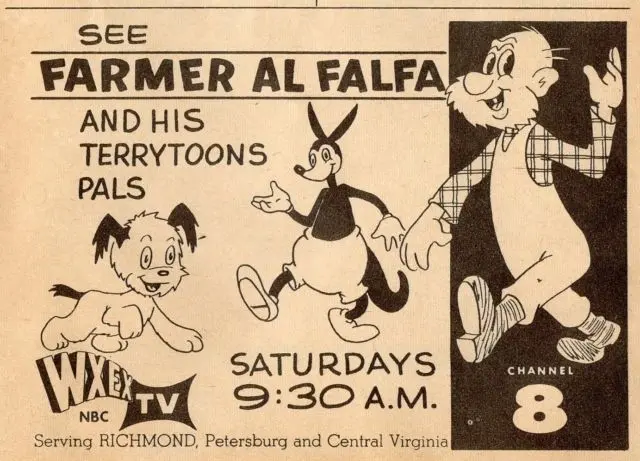
The climax—an exuberant, mud‑splattered kiss—functions as both resolution and thematic statement. The mud, once a symbol of chaos, becomes a unifying element, coating the couple in a shared experience that transcends superficial concerns. The sun’s descent behind rolling hills, rendered in a gradient of amber and teal, casts a warm glow that bathes the final frame in a nostalgic hue, echoing the film’s underlying sentiment: love thrives amid imperfection.
From a technical standpoint, the animation exhibits the hallmarks of early 20th‑century craftsmanship: fluid hand‑drawn lines, limited but purposeful background detail, and a reliance on exaggerated facial expressions to convey emotion. The use of squash‑and‑stretch, particularly in the hay wagon’s bounce and the bride’s giggle, demonstrates an embryonic understanding of the principles later codified by Disney’s animators.
Comparatively, the film’s comedic rhythm bears resemblance to the anarchic energy of Mackó úr kalandjai, though Terry’s narrative restraint yields a more cohesive storyline. Where The Mystery Ship revels in episodic adventure, Farmer Al Falfa's Bride maintains a singular emotional arc, allowing viewers to invest in the characters’ journey from isolation to companionship.
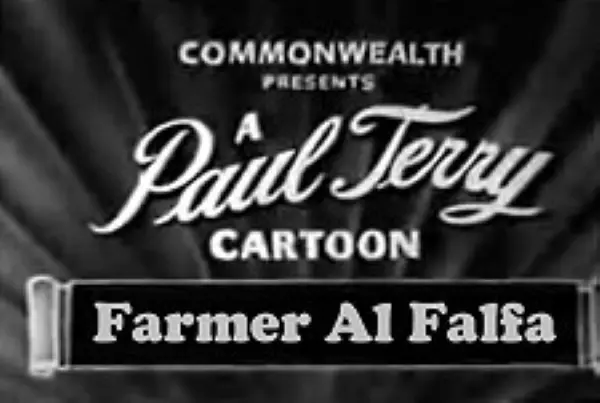
Critically, the film’s legacy lies in its influence on subsequent depictions of rural romance in animation. The trope of the bumbling farmer seeking love resurfaces in later works such as Heroic France, where the protagonist’s earnestness is juxtaposed with nationalistic overtones. Moreover, the film’s visual language—bold outlines, high‑contrast shading—prefigures the aesthetic choices of the 1920s German Expressionist cartoons, establishing a cross‑cultural dialogue that enriches the medium’s evolution.
Audience reception at the time of release was overwhelmingly positive, with contemporary trade papers lauding its “whimsical charm” and “universal humor.” Modern scholars, however, note an undercurrent of gendered stereotypes; the bride’s role is largely reactive, serving as a catalyst for the groom’s slapstick endeavors. This critique aligns with current discourse on representation in early animation, prompting a reevaluation of the film’s cultural significance.
In terms of preservation, the original nitrate prints have suffered degradation, yet recent restoration efforts by the National Film Archive have yielded a digitally remastered version that retains the original’s contrast while enhancing frame stability. The restoration process involved meticulous frame‑by‑frame cleaning, color correction—though the film is monochrome, the grayscale tones were balanced to accentuate depth—and the addition of a subtle, period‑appropriate musical score that mirrors the jaunty, piano‑driven motifs typical of Terry’s oeuvre.
From a thematic perspective, the film explores the tension between order and chaos, a motif that resonates in contemporary storytelling. The farmer’s attempts to impose structure—through courtship rituals and domestic preparations—are continually undermined by external forces, suggesting an existential commentary on humanity’s perpetual struggle to control fate.
For cinephiles seeking a comparative analysis, the narrative structure of Farmer Al Falfa's Bride can be juxtaposed with the more somber melodrama of Crime and Punishment. While the latter delves into moral ambiguity and psychological torment, Terry’s short embraces levity, yet both share an underlying preoccupation with personal transformation.
In conclusion, Farmer Al Falfa's Bride endures as a seminal work that encapsulates the nascent potential of animated storytelling. Its blend of visual wit, narrative clarity, and emotional resonance positions it as a cornerstone of early cinema, inviting both nostalgic appreciation and scholarly inquiry. The film’s capacity to elicit laughter while subtly interrogating societal norms ensures its relevance across generations, reaffirming the timeless allure of a simple farmer’s quest for love.
For further exploration of early animated romances, consider viewing Rübezahls Hochzeit and Desert Love, which expand upon the themes of cultural collision and romantic idealism introduced herein.

IMDb 6.3
1930
Community
Log in to comment.