DbcultAccessing Vault...
6.5/10
Senior Film Conservator
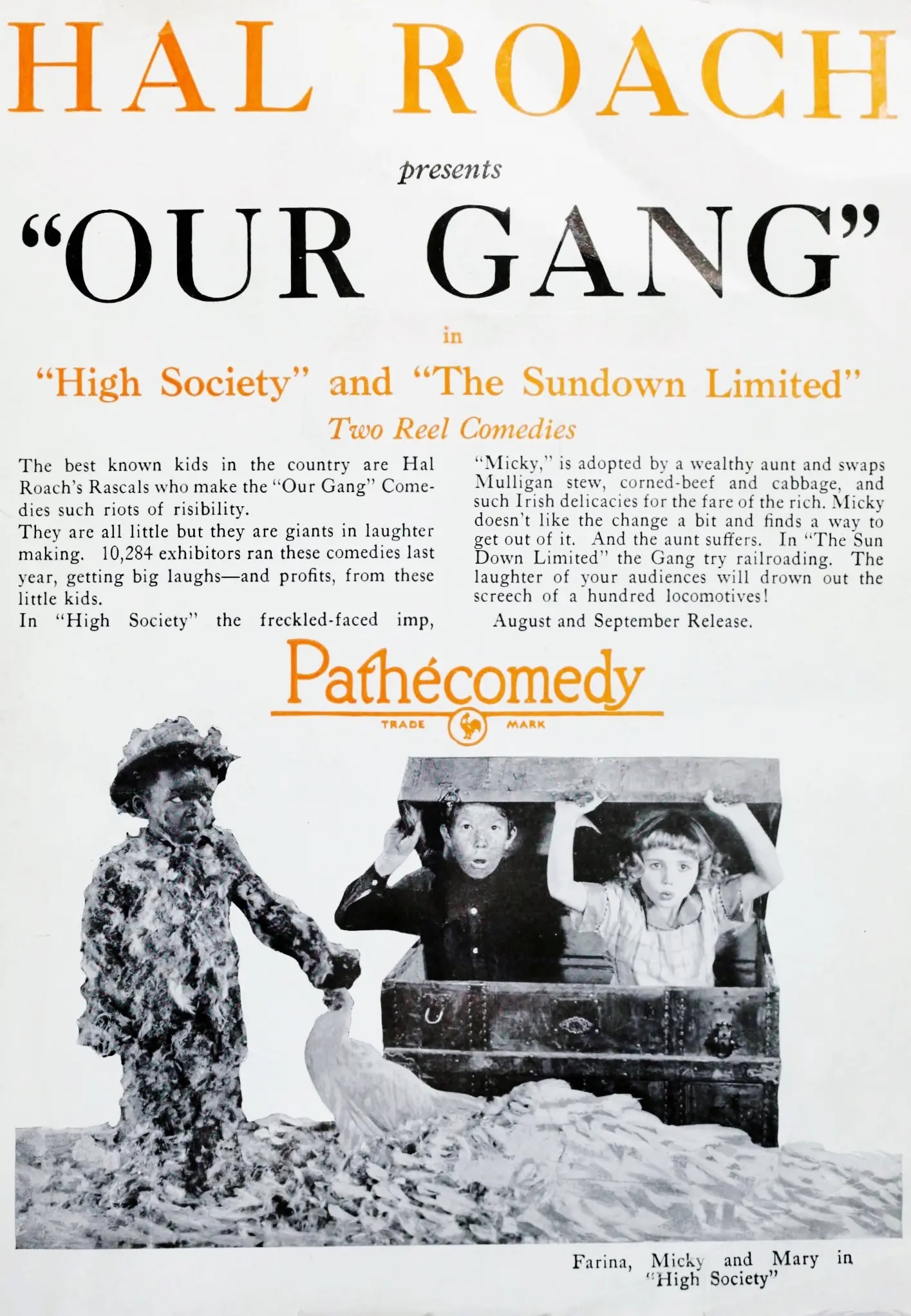
A definitive 6.5/10 rating for a film that redefined the boundaries of cult cinema. High Society remains a cornerstone of transgressive art.
High Society, a film directed by the esteemed Frank Capra and Hal Roach, is a poignant commentary on the human experience, one that delves into the complexities of wealth, relationships, and the struggles of growing up. Through the eyes of its protagonist, Mickey, we are transported to a world of opulence and extravagance, where the boundaries between class and status are constantly blurred.
As Mickey navigates his new surroundings, he is forced to confront the harsh realities of his new life, one that is devoid of the love and companionship he once knew. His Aunt Kate, though well-intentioned, is a distant figure, more concerned with her social standing than with the well-being of her nephew. This sense of isolation is palpable, and Mickey's struggles to adapt to his new environment are deeply relatable.
The film's portrayal of wealth and privilege is also noteworthy, as it highlights the empty, superficial lives of the affluent. Aunt Kate's world is one of shallow relationships and frivolous pursuits, where the accumulation of material possessions is the ultimate goal. In contrast, Uncle Pat and the gang represent a more authentic, down-to-earth way of living, one that values relationships and experiences over material wealth.
The cinematography in High Society is also deserving of praise, as it captures the grandeur and opulence of the wealthy elite with precision and nuance. The use of light and shadow is particularly effective, as it creates a sense of depth and texture that draws the viewer into the world of the film. The production design is also noteworthy, as it recreates the lavish interiors and exteriors of the wealthy with remarkable accuracy.
In comparison to other films of the era, such as The Greyhound and Lovesick at Sea, High Society stands out for its thoughtful commentary on the human condition. While these films may have focused on more lighthearted, comedic themes, High Society tackles complex issues with sensitivity and nuance. Similarly, films like Other Men's Daughters and A Fool There Was may have explored similar themes, but High Society's unique perspective and thoughtful approach set it apart from its contemporaries.
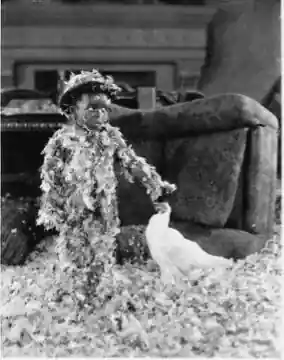
The cast of High Society is also deserving of praise, as they bring a level of depth and nuance to their characters that is remarkable for a film of this era. Mickey Daniels shines as the protagonist, bringing a sense of vulnerability and sensitivity to the role. The supporting cast, including Allen 'Farina' Hoskins and Mary Kornman, is also excellent, as they add a level of complexity and depth to the film that is essential to its success.
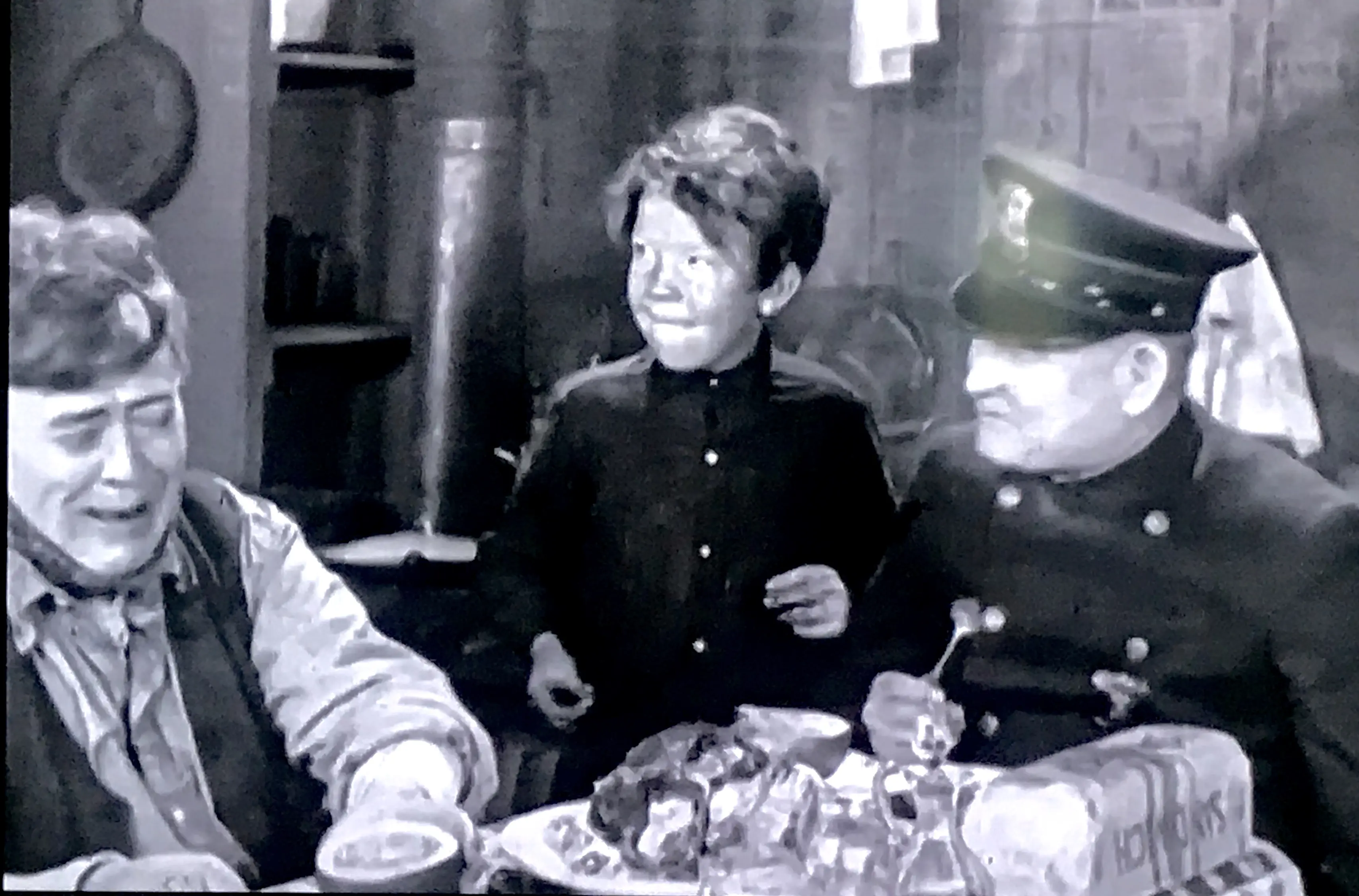
In addition to its thoughtful commentary on wealth and relationships, High Society is also a film about the power of friendship and the importance of human connection. As Mickey navigates his new life, he is fortunate to have a supportive group of friends who are always there to lend a helping hand. This sense of camaraderie is a powerful antidote to the loneliness and isolation that can often accompany wealth and privilege, and it is a testament to the enduring power of human relationships.
In terms of its historical context, High Society is a film that reflects the societal values and norms of its time. The Roaring Twenties were a period of great social change and upheaval, as the old certainties of the pre-war era gave way to a new era of modernity and experimentation. High Society captures the essence of this era, with its portrayal of the wealthy elite and their extravagant lifestyles. At the same time, the film also offers a commentary on the limitations and superficiality of this world, highlighting the need for more meaningful and authentic relationships.
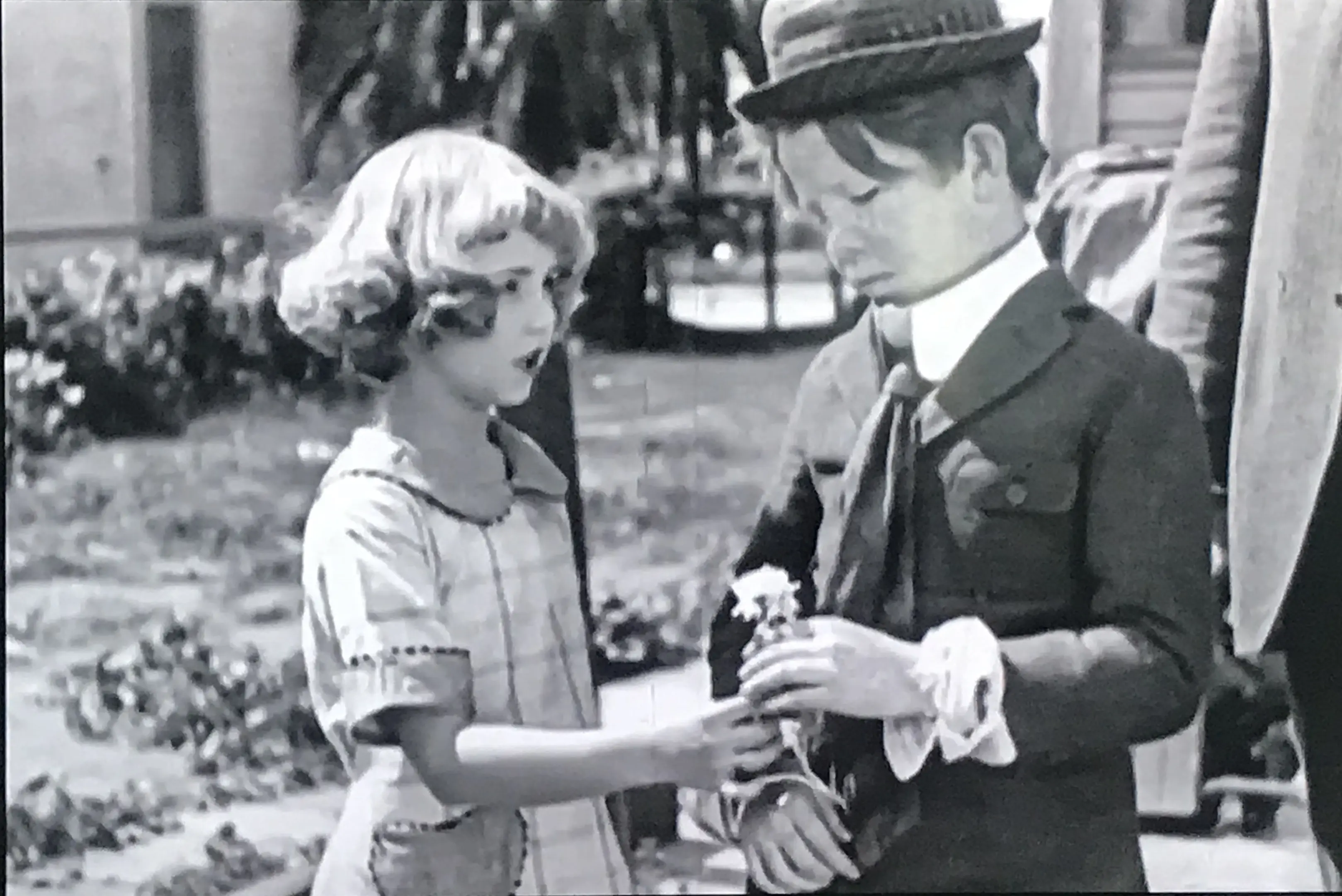
Furthermore, High Society can be seen as a film that explores the tensions between old and new, tradition and modernity. Aunt Kate's world is one of traditional values and social conventions, where the rules of etiquette and propriety are strictly adhered to. In contrast, Uncle Pat and the gang represent a more modern, unconventional way of living, one that values freedom and spontaneity over tradition and conformity.
The film's use of symbolism is also noteworthy, as it adds a layer of depth and complexity to the narrative. The contrast between light and dark is a powerful symbol of the conflict between good and evil, while the image of the isolated mansion serves as a potent symbol of the loneliness and disconnection that can accompany wealth and privilege.
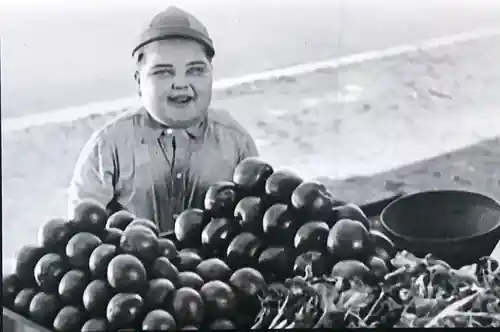
In conclusion, High Society is a film that offers a nuanced and thoughtful commentary on the human experience. With its poignant portrayal of a young boy's struggle to adapt to a new environment, the film provides a powerful exploration of the complexities of wealth, relationships, and growing up. The cinematography, production design, and cast are all deserving of praise, as they bring a level of depth and nuance to the film that is remarkable for a movie of this era. As a classic film, High Society continues to resonate with audiences today, offering a timeless commentary on the human condition that is both deeply relatable and profoundly moving.
For fans of classic cinema, High Society is a must-see film that offers a unique perspective on the era and its values. The film's historical context, symbolism, and themes are all worthy of further exploration, and its influence can be seen in many later films, including On the Firing Line with the Germans and The Spendthrift. As a work of cinematic art, High Society is a testament to the power of film to capture the human experience and to comment on the social and cultural norms of its time.
Overall, High Society is a film that will resonate with audiences of all ages, offering a powerful exploration of the human condition that is both deeply relatable and profoundly moving. With its thoughtful commentary on wealth, relationships, and growing up, the film provides a nuanced and complex portrayal of the human experience that is essential viewing for anyone interested in classic cinema.
In terms of its place within the broader cinematic landscape, High Society can be seen as a film that reflects the societal values and norms of its time. The film's portrayal of the wealthy elite and their extravagant lifestyles is a commentary on the excesses of the Roaring Twenties, and the film's use of symbolism and themes adds a layer of depth and complexity to the narrative. As a classic film, High Society continues to influence contemporary cinema, with its themes and motifs appearing in films such as Réhabilitée and At Your Service.
The film's legacy can also be seen in its influence on later filmmakers, who have drawn inspiration from its themes and motifs. The use of light and shadow in High Society, for example, has been cited as an influence by numerous filmmakers, including those behind Trail of the Rails and In Search of Arcady. As a work of cinematic art, High Society is a testament to the power of film to capture the human experience and to comment on the social and cultural norms of its time.
In addition to its influence on later filmmakers, High Society has also had a lasting impact on the film industry as a whole. The film's use of location shooting, for example, was a departure from the traditional studio-based filmmaking of the time, and it paved the way for later films to experiment with location shooting. The film's portrayal of the wealthy elite also added a new level of complexity to the traditional narrative of the rags-to-riches story, and it influenced the development of later films such as The Amateur Liar and What Happened to Jones.
In conclusion, High Society is a film that offers a nuanced and thoughtful commentary on the human experience. With its poignant portrayal of a young boy's struggle to adapt to a new environment, the film provides a powerful exploration of the complexities of wealth, relationships, and growing up. The cinematography, production design, and cast are all deserving of praise, as they bring a level of depth and nuance to the film that is remarkable for a movie of this era. As a classic film, High Society continues to resonate with audiences today, offering a timeless commentary on the human condition that is both deeply relatable and profoundly moving.
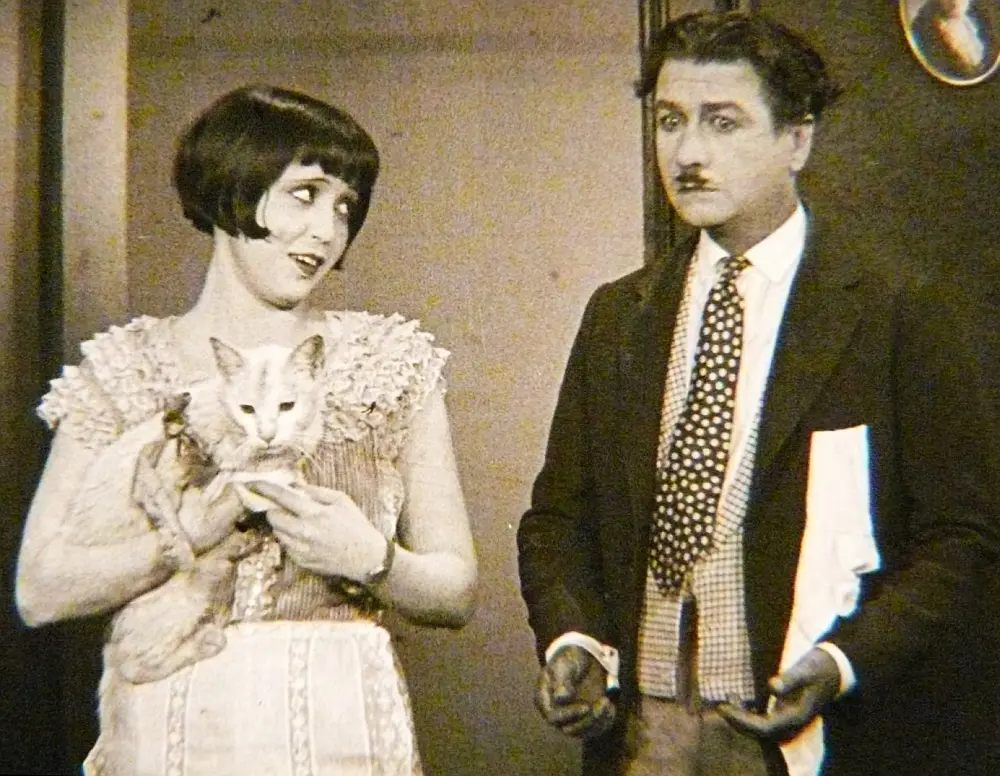
IMDb —
1925
Community
Log in to comment.