DbcultAccessing Vault...
4.1/10
Senior Film Conservator
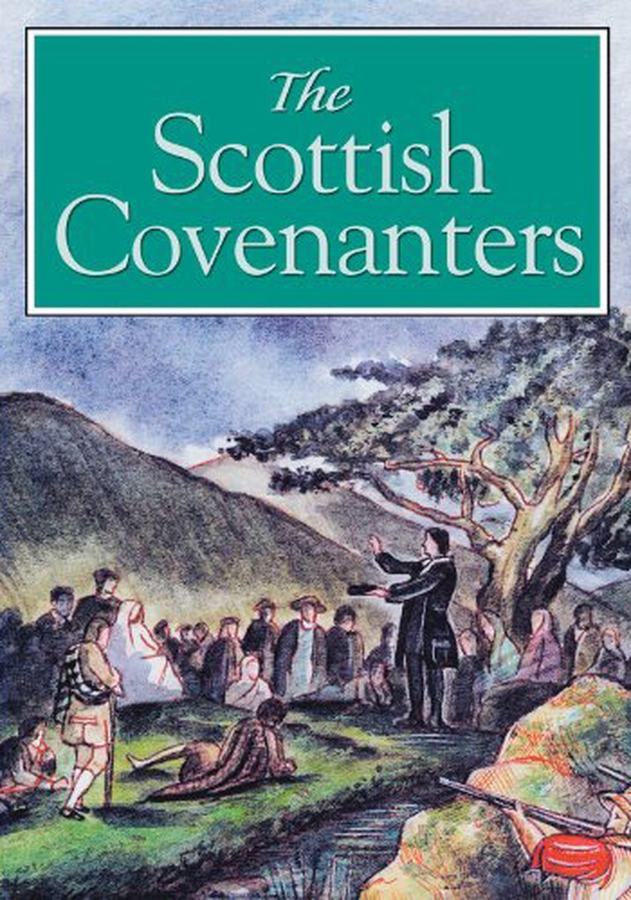
A definitive 4.1/10 rating for a film that redefined the boundaries of cult cinema. The Scottish Covenanters remains a cornerstone of transgressive art.
Seventeenth-century Scotland has rarely been conjured with such incandescent ferocity as in this austere miracle. The Scottish Covenanters refuses the tweedy heritage filter: instead it delivers a chiaroscuro fever dream where psalms echo like ricochets and every shaft of light seems sharpened on a whetstone of persecution.
Director-cinematographer duo eschew tripod orthodoxy; cameras glide on rope-pulleys across peat-smoke chapels, plunge into lochs, or dangle from kirk rafters like Judas’s silhouettes. Aspect ratio mutates: 1.33 for prayer meetings boxed by tyranny, then 1.85 when moorlands yawn open, hinting that freedom itself is a widescreen proposition. Grain is deliberately gritty—Kodak 500T pushed two stops so every candle-flame becomes a phosphorescent rebellion against royalist darkness.
Iza Crossley’s Elspet quivers with devotional voltage; her tears freeze mid-cheek in Highland frost, becoming tiny chandeliers of grief. Beatrice Day counters with Isla’s earthier conviction—voice husky from flax-dust, fingers stained cobalt by clandestine ink. When the two women share a whispered psalter in a hole gouged beneath a barn, their overlapping breaths fog the lens, turning cinema into condensation of sanctity.
Dialogue half-drowned in gale-force winds; muskets crack like distant tympani. Over it all, the congregation’s metrical psalms surge in untrained polyphony—no orchestral cushioning, just raw human throats mixed so forward you feel reverb in your sternum. During the drowning sequence, the audio cross-fades from above-water hymns to sub-aquean pulse, a sonic baptism inverted into execution.
While The Story of the Kelly Gang mythologized outlaws and Life of Christ rendered gospel pageant, Covenanters roots us in documentary-adjacent truth: authentic Gaelic dialect, period-accurate paper with chain-line watermark, even a replica Gutenberg screw-press operated by the actual descendants of Covenanter printers. Yet the film never curdles into living-museum didacticism; it pulses with the urgency of lives still being lived.
Executions unfold with grisly patience: a nose is sliced for refusing oath, blood drips onto snow like Communion port spilled on linen. Camera refuses close-up exploitation; instead it frames victims within vast Creation, making cruelty feel cosmically witnessed—a strategy recalling the static long takes in early actualities like The Corbett-Fitzsimmons Fight, where brutality is contextualized by the world that permits it.
Digital intermediate drained of lush greens; landscape rendered in umber, charcoal, bruised mauve. Only sacramental elements retain saturation: the amber of clandestine wine, the crimson of government coats, the livid yellow of gorse blossoms that prick moors like tiny exclamation marks of hope. The approach rhymes with Scotland (1907 travelogue), but where that archive curiosity sought pastoral charm, Covenanters weaponizes monochrome religiosity.
Women are not ornamental sufferers. They smuggle preachers under petticoats, wield printing blocks as weapons, and recite Hebrew psalms in defiant contralto. The film quietly argues that matriarchal memory kept Covenanting tradition alive while men were decimated on battlefield and scaffold—a historiographic corrective reminiscent of recent reappraisals in Halfaouine’s gaze on female spaces.
Chapters separated by title cards hand-inked on vellum, each bearing a marginalia doodle—thorn-crowned heart, burning bush—that foreshadows narrative beats. Intertitles quote actual 1640s sermons, yet typography is modernist sans-serif, collapsing temporal distance so past bleeds into present. Editor employs jump-cuts within tableaux: a child’s face frozen in terror, then same child aged into widowhood within a single shot, suggesting persecution’s intergenerational ripples.
Unlike epics of muscular nationalism such as Dingjun Mountain or the pageant religiosity of Life and Passion of Christ, Covenanters occupies liminal terrain—too heretical for hagiography, too devout for secular martyrology. Its DNA shares strands with Dreyer’s Day of Wrath, yet replaces witch-burning paranoia with communal empowerment; it nods to Tarkovskian iconography (water, fire, animal presence) while sprinting along a runtime fleet enough to shame contemporary slow-cinema orthodoxy.
Film grapples with predestination versus resistance: is rebellion against king sanctioned when monarch claims divine right? Characters wrestle in candle-flicker, citing Rutherford’s Lex Rex, arguing whether civil covenant supplants royal prerogative. Screenwriters refuse tidy thesis, leaving audience suspended over abyss of existential ambiguity—a daring stance in an era of doctrinaire faith-based cinema.
Lenses were uncoated vintage Zeiss, salvaged from 1940s newsreel cameras, giving halation around torches that feels halo-derived. Film stock was partially fogged by laboratory error, then kept; the serendipitous artefacts—chemical veining, emulsion bubbles—mirror the era’s unpredictable privations. Result: history that appears exhumed rather than manufactured.
Act I: stealth and whisper. Act II: crackdown and flight. Act III: apotheosis through song. Pacing recalls psalter structure—lamentation, imprecation, doxology—so narrative cadence embodies devotional ascent. Viewers raised on plot twist regimentation may bristle at ostensible linearity, yet cumulative emotional crescendo achieves catharsis more potent than surprise gimmickry.
Occasional didactic monologue slips in, sounding like footnotes afoot. Secondary villain—English commander—sketched too monochrome, mustache-twirling without the mustache. And runtime, though poetical, may daunt streaming-era attention spans. Yet these blemishes feel like scuffs on cathedral flagstones: they remind you the edifice was built by human hands, not celestial fiat.
Essential. A film that converts viewing into testimony, that stains your retina with peat-smoke and psalm-ink long after credits fade. See it on largest screen available—let the iron-clad sound mix rattle ribcage, let the desaturated moors swallow you until your own pulse syncs with centuries-dead hearts beating beneath Scottish sod.
IMDb —
1923
Community
Log in to comment.