DbcultAccessing Vault...
5/10
Senior Film Conservator
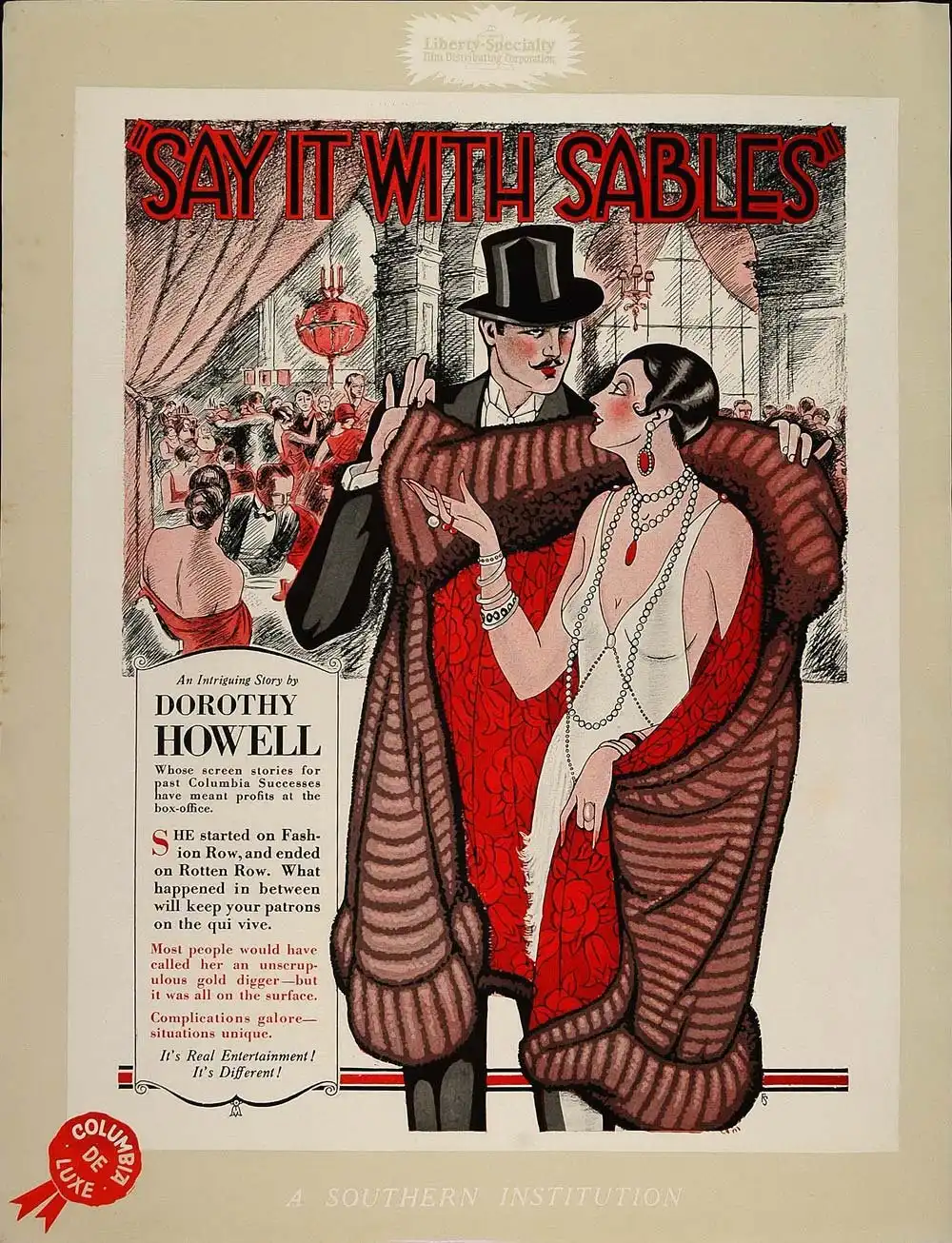
A definitive 5/10 rating for a film that redefined the boundaries of cult cinema. Say It with Sables remains a cornerstone of transgressive art.
If you're someone who thinks silent films are just dusty old relics, then Say It with Sables probably isn't for your weekend watch list. But for those of us who appreciate a good old-fashioned melodrama, complete with dramatic glances and grand gestures, this one's a surprisingly engaging little piece. It's not for everyone – the pacing can feel glacial if you're used to modern quick cuts – but if you lean into its specific kind of charm, there’s something genuinely captivating here. It really hits for classic film buffs and anyone curious about the emotional storytelling of the era.
Okay, so the premise is pure early Hollywood scandal. Young Doug Caswell, played by Francis X. Bushman, falls hard for Irene Gordon (Rita Claire). You can see it in the way he leans in during their early scenes, all eager puppy dog. The problem, a rather large one, is that Irene is already cozy with his father, John. And not just cozy, but full-on mistress territory. It's a triangle that feels both antiquated and, somehow, timelessly messy.
The film spends a good chunk of time setting up this uncomfortable dynamic. There's a scene where Doug and Irene are clearly smitten, and then almost immediately, you cut to Irene with John, receiving some ridiculously lavish gift. That contrast really hammers home the awkwardness. You almost feel bad for everyone involved, even John, who seems a bit oblivious to the emotional bomb ticking away.
Helene Chadwick as Helen, Doug’s stepmother, is the real standout here for me. She’s not some villainess; she's the one who sees the train wreck coming. Her expressions are often so subtle, just a slight tightening around the mouth, a worried flicker in her eyes. There's a moment when she realizes the full extent of Doug's feelings for Irene, and it's not a big, tearful scene. It's just a slow, dawning horror on her face. That hit harder than any of the more overt dramatic beats. You can tell she's carrying the weight of this whole dysfunctional family.
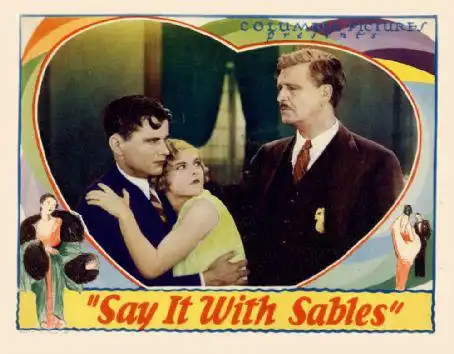
The “sables” in the title? They pop up, naturally, as a symbol of John's wealth and how he “buys” Irene's affection. It’s not just a coat; it’s a whole statement. When Irene wears them, you feel this tension, this sense of being owned, even if she looks glamorous. It’s a nice touch that the film doesn't over-explain this symbolism. It trusts you to get it.
There are a few scenes that drag a bit, like one long shot of a character just... walking away, which feels a tad over-extended. You just want them to get on with it. But then you get a fantastic shot, like a close-up on a handwritten letter being read, and you remember the intimacy silent films could achieve. The way the intertitles are used, too. Sometimes they're quite blunt, spelling out emotions that a modern film might leave unsaid. “His heart ached with a love he could not deny!” Yeah, we got it, movie! 😂 But it's part of the charm, honestly.
Doug’s initial naiveté about Irene's situation feels almost painful to watch. He’s so earnest. Francis X. Bushman has this youthful energy that makes his eventual heartbreak really land. You want to shake him, tell him to open his eyes.
Alphonse Ethier as John Caswell is fascinating because he's not an outright villain. He’s more like a bull in a china shop, unaware of the delicate emotional vases he’s shattering. There's a scene where he's just so pleased with himself, completely oblivious to the turmoil brewing. It's a testament to the acting that you can feel that without a single spoken word.
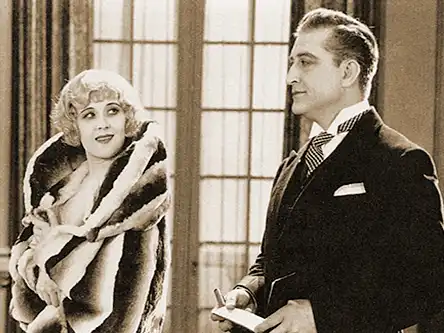
And the costumes! They're just so period, aren't they? The flapper dresses for Irene, the sharp suits for the men. It really grounds you in that specific Roaring Twenties vibe, a time of big money and changing morals, but still with a strict social code simmering underneath. It’s not just clothes; it’s a whole statement about where everyone stands.
The way the film handles discretion, or the lack of it, is also interesting. Everyone seems to be aware, or becomes aware, of John and Irene's arrangement, but it's all handled with this public politeness that barely masks the underlying judgment. It’s like a whisper that echoes through every social gathering.
The ending, without giving anything away, ties things up in a way that feels true to the era’s sensibilities. It's not a neat, Hollywood-perfect bow, but it definitely aims for a certain kind of moral resolution. Helen's role in this, again, is crucial. She's the quiet strength, the one who actually tries to do something constructive rather than just wallow.
You get a real sense of a specific kind of world here, where reputation and family honor meant everything. The tension isn't just about who loves who, but about what society would say. It's a reminder of how much things have changed, and also, how some human dramas really don't. This movie, for all its silent-era quirks, still holds up as a solid, if slightly heavy, watch. It’s a good one to put on if you’re in the mood for some serious period drama and don’t mind a bit of a slow burn.
IMDb 6.3
1934
Community
Log in to comment.