DbcultAccessing Vault...
Cult Review
Senior Film Conservator
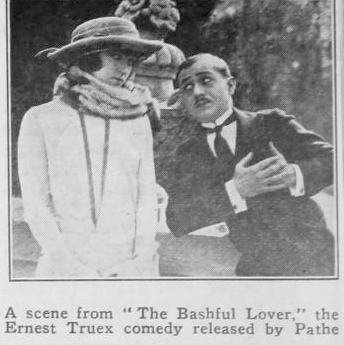
In the nascent years of American cinema, the archetype of the 'bashful' man emerged not merely as a comedic trope but as a poignant reflection of a shifting masculine identity. The Bashful Lover, written by and starring the incomparable Ernest Truex, stands as a seminal exploration of this persona. Unlike the swashbuckling bravado of contemporary action stars or the slapstick chaos of the Keystone Cops, Truex offers a performance rooted in internal conflict and the subtle choreography of hesitation. The film operates as a delicate clockwork mechanism, where every nervous twitch and averted gaze serves to dismantle the rigid structures of early 20th-century social hierarchies.
The narrative engine is fueled by the classic conflict of generational imposition. Our hero is trapped within the gravitational pull of a formidable aunt whose vision for his future is entirely transactional. This matriarchal figure represents the vestigial remains of a Victorian sensibility that viewed marriage as a tool for socioeconomic consolidation rather than a pursuit of emotional fulfillment. In this regard, the film shares a thematic DNA with Princess Jones, where the performance of identity is inextricably linked to one's perceived status and the expectations of one's elders. However, where other films might lean into melodrama, Truex utilizes a sharp, satirical edge to expose the absurdity of such forced alliances.
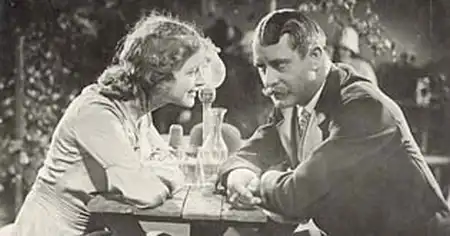
Julia Mills, portraying the dancer who captures our hero's heart, provides the perfect kinetic counterpoint to Truex’s static anxiety. In the world of silent film, movement is the primary vessel for characterization, and Mills’ portrayal of a stage performer suggests a level of freedom and modernity that is diametrically opposed to the aunt's drawing-room politics. Their union, conducted behind locked doors, is a masterful use of space as a narrative device. The physical act of locking a door becomes a profound political statement—a reclaiming of the private sphere from the intrusions of the public eye. This motif of the 'private sanctuary' is a recurring fascination in the era, reminiscent of the thematic underpinnings in The Belle of New York, where the clash between the sacred and the profane is negotiated through romantic entanglement.
The tension of the film is derived from the constant threat of discovery. The 'bashfulness' of the title is not just a personality trait; it is a survival strategy. By appearing submissive and indecisive, the protagonist creates a smokescreen behind which he can execute his most daring act of rebellion. It is a nuanced psychological layer that elevates the film above mere farce. We see a similar exploration of the 'underdog' who must navigate treacherous social waters in Sally's Blighted Career, though Truex’s approach is notably more focused on the interiority of the male experience.
“The camera does not merely record Truex’s trepidation; it participates in it, utilizing tight framing and rapid cutting to simulate the claustrophobia of his social obligations.”
Technically, the film employs the visual grammar of its time with surprising sophistication. The lighting in the scenes involving the aunt is often harsh and uncompromising, highlighting the rigidity of her world. In contrast, the scenes between Truex and Mills are imbued with a softer, more ethereal quality, suggesting a dreamlike escape from reality. This visual dichotomy reinforces the film’s central theme of the two worlds in conflict. One might compare this visual storytelling to the starker, more dramatic contrasts found in The Tyranny of the Mad Czar, though applied here to the domestic rather than the geopolitical stage.
Furthermore, the writing—handled by Truex himself—displays a keen understanding of the 'slow burn' comedy. He understands that the humor lies not in the eventual escape, but in the agonizingly long moments of hesitation that precede it. This is a far cry from the more overt action of Johnny Get Your Gun, where conflict is resolved through externalized vigor. In The Bashful Lover, the battle is won through the endurance of the spirit and the tactical application of silence.
Beneath the surface of this charming comedy lies a biting critique of the wealth-driven marriage market. The aunt’s obsession with a 'suitable' bride is a thinly veiled desire for capital accumulation. The protagonist’s rejection of this path is a rejection of the materialist ethos that was beginning to define the American Dream. We see echoes of this struggle for personal integrity against the backdrop of wealth in The Spender, where the protagonist must also navigate the corrupting influence of inheritance and expectation. Truex’s character, however, finds his wealth in the emotional authenticity of his secret marriage rather than the coffers of his lineage.
The film also touches upon the concept of the 'modern woman' through the character of the dancer. She is not a passive prize to be won, but an active participant in the subterfuge. Her willingness to marry behind 'locked doors' indicates a shared understanding of the need for a private life that is entirely separate from one's professional or social persona. This theme of the 'hidden life' is a powerful motif that resonates across many films of the era, from the gritty realism of Between Men to the more fantastical elements of Sophy of Kravonia; or, the Virgin of Paris.
Ultimately, The Bashful Lover is a testament to the power of subtle performance. Ernest Truex’s ability to convey a universe of anxiety through a simple adjustment of his tie or a furtive glance toward a doorway is a masterclass in screen acting. The film avoids the pitfalls of being a mere period piece by rooting its conflict in the universal human desire for autonomy. It is a story that could be transposed to any era where tradition seeks to stifle the individual heart.
In comparison to the more grandiose productions of its time, such as Titanenkampf or the rugged landscapes of The Crimson Skull, this film might seem modest in scope. Yet, its impact is arguably more enduring because it deals with the micro-politics of the household—the quiet wars fought in parlors and behind closed doors. It captures a specific moment in cultural history where the old world was crumbling and the new world was being built on the foundations of personal choice and romantic love.
The pacing of the film is another highlight. It possesses a rhythmic quality that mimics the heartbeat of its nervous protagonist. There are moments of stillness that are almost unbearable, followed by bursts of frantic energy as the couple attempts to stay one step ahead of the aunt. This ebb and flow of tension is reminiscent of the narrative structure in The Moment of Victory, though applied here to a much more intimate victory—the triumph of love over social obligation.
As we look back at the film through a modern lens, we can appreciate the bravery of its central conceit. To portray a 'bashful' man as a hero was a radical departure from the hyper-masculine ideals of the early century. It paved the way for the neurotic protagonists of later decades, from the screwball comedies of the 1930s to the modern indie darlings of today. Truex’s contribution to the evolution of the screen hero cannot be overstated, and The Bashful Lover remains the purest expression of his artistic vision.
The film concludes not with a grand public declaration, but with the quiet satisfaction of a secret kept. It is a subversive ending that suggests the most meaningful parts of our lives are often those that the world never sees. This sentiment is echoed in the atmospheric storytelling of While the Billy Boils, where the interior lives of the characters are treated with a similar reverence. In the end, our bashful lover is not so bashful when it comes to defending his happiness, proving that even the most hesitant heart can find the courage to lock the door against the world.
Note: For those interested in the broader context of 1910s and 20s cinema, exploring the stylistic differences between this film and works like Graf Festenberg or the comedic timing in Ambrose in Turkey provides a comprehensive view of the era's diverse cinematic landscape.
IMDb 5.7
1932
Community
Log in to comment.