DbcultAccessing Vault...
6.7/10
Senior Film Conservator
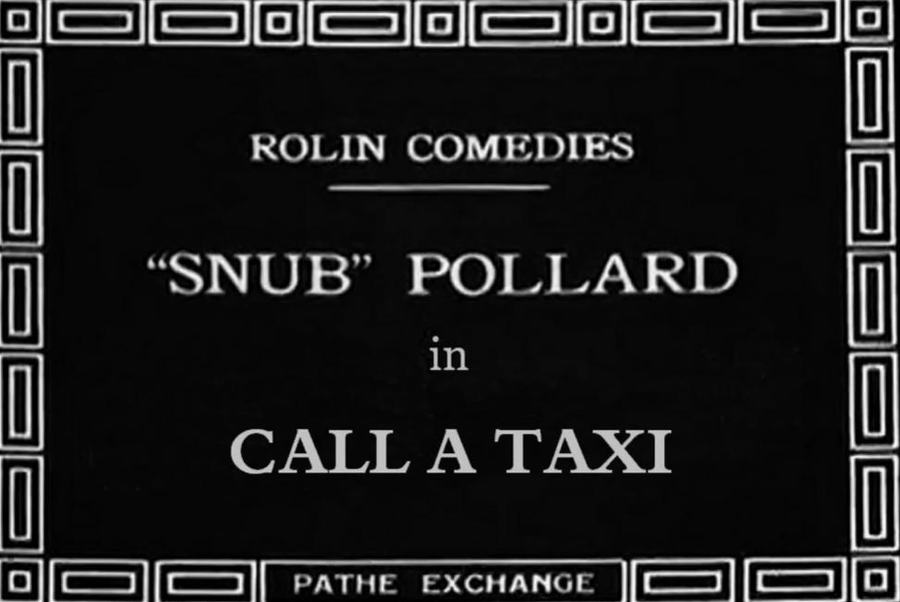
A definitive 6.7/10 rating for a film that redefined the boundaries of cult cinema. Call a Taxi remains a cornerstone of transgressive art.
The annals of early cinema are replete with fleeting glimpses into a bygone era of entertainment, a time when the universal language of physical comedy reigned supreme. Among these cherished, often ephemeral, relics stands 'Call a Taxi' (1921), a short film that, despite its brevity, offers a surprisingly rich tapestry of slapstick humor, dream logic, and subtle social commentary. It’s a delightful vignette, a testament to the ingenuity and pure, unadulterated fun that characterized the silent film era. Far from the sprawling epics like The Diamond from the Sky, this film embraces its concise format, delivering a concentrated dose of mirth.
At its core, 'Call a Taxi' is a narrative born from excess and its subsequent consequences. We are introduced to two protagonists, Eddie Boland and Sammy Brooks, navigating the treacherous post-club haze. Their state of profound inebriation is rendered with a charming authenticity, a wobbly, disoriented grace that immediately sets the comedic tone. The filmmakers waste no time in establishing their condition; their very posture and gait speak volumes about the evening's indulgences. They are figures of universal recognition, the slightly too-merry revelers on the cusp of a truly spectacular crash. This initial setup, a common trope in early comedies, is executed with a refreshing directness that avoids unnecessary exposition, relying instead on the visual cues so essential to silent storytelling.
What follows is the film's most inventive and memorable segment: the dream sequence. As Boland and Brooks succumb to their liquor-induced stupor on a desolate curb, their unconscious minds conjure a fantastical realm. This isn't merely a simple dream; it's a meticulously crafted escapist fantasy, a 'land where there are no wives.' This particular conceit, while potentially problematic through a contemporary lens, serves as a fascinating window into the societal anxieties and domestic dynamics of the early 20th century. It speaks to a certain male yearning for unencumbered freedom, a playful rebellion against perceived marital constraints. The film doesn't preach or judge; it simply presents this fantasy with a whimsical, almost childlike innocence. It's a stark contrast to the more serious dramatic explorations of domestic life found in films like Nearly a Lady, showcasing the divergent paths cinema could take even then.
The visual execution of this dream world is where the film truly shines. The transition from the gritty reality of the curb to the surreal, almost theatrical, dreamscape is handled with a charming simplicity that belies its effectiveness. The world within the dream is subtly different, its logic slightly askew, creating an atmosphere of playful disorientation. Boland and Brooks, freed from the constraints of their everyday lives, navigate this new reality with a bewildered glee, their expressions a mixture of confusion and childlike wonder. The 'land without wives' isn't just an abstract concept; it's a tangible, if ephemeral, place that allows for a different kind of comedic interaction.
The introduction of a 'bunch of Indians' in their dream provides the catalyst for the film's central comedic action: a merry chase. Again, the portrayal of indigenous peoples in early cinema often falls short of modern sensibilities, reflecting the prevalent stereotypes of the time. However, within the context of this specific dream sequence, their role is purely functional and comedic. They are not antagonists in a malicious sense, but rather a source of playful mischief, leading our protagonists on a delightful, physically demanding pursuit. This chase sequence is a masterclass in silent slapstick, leveraging the actors' physical prowess and comedic timing to great effect.
The choreography of the chase is impressively intricate for a short film of this vintage. Characters tumble, narrowly avoid collisions, and engage in a series of exaggerated movements that elicit genuine laughter. Eddie Boland, a seasoned comedic actor, demonstrates a remarkable facility for physical humor, his reactions to the unfolding chaos both authentic and uproarious. Sammy Brooks complements him perfectly, often playing the slightly more bewildered or put-upon of the pair. The supporting cast, including Charles Stevenson, Hughie Mack, and particularly 'Snub' Pollard, contribute to the frenetic energy, each adding their unique flavor to the ensemble. Pollard, known for his distinctive appearance and agile movements, undoubtedly adds a layer of visual interest to the pursuit, making it more dynamic than a simple run-and-chase. Unlike the often intense and desperate pursuits seen in action-dramas like To the Death, this chase is infused with an undeniable lightness, a sense of joyous absurdity.
The dream sequence allows for a suspension of disbelief that amplifies the comedic potential. Gravity seems less insistent, logic more pliable. This freedom from realistic constraints enables gags that would feel forced in a more grounded narrative. The 'Indians' are not a threat, but rather playful instigators, their presence serving to propel the narrative forward through a series of increasingly absurd predicaments. It’s a delightful exploration of how the mind, when unshackled by consciousness, can construct elaborate scenarios for its own amusement or, in this case, for the amusement of an audience.
The success of any silent comedy hinges almost entirely on the expressive capabilities of its cast. 'Call a Taxi' is no exception, and its ensemble delivers. Eddie Boland, a prolific character actor of the era, truly shines as one of the inebriated dreamers. His facial expressions, ranging from drunken stupor to wide-eyed wonder and panicked flight, are perfectly calibrated for the silent medium. He possesses that rare ability to convey complex emotions and comedic intent without uttering a single word, a skill that was paramount in those early days of cinema. His partnership with Sammy Brooks, another familiar face in silent comedies, creates a classic comedic duo dynamic – one slightly more assertive, the other a touch more bewildered, yet both equally committed to the unfolding absurdity.
The supporting players, including the aforementioned 'Snub' Pollard, Marie Mosquini, Ernest Morrison, and George Rowe, all contribute to the film's vibrant energy. 'Snub' Pollard, with his distinctive physical comedy and often energetic portrayals, adds a layer of kineticism to the chase sequences. Marie Mosquini's role, though perhaps smaller, would have added to the overall visual texture, embodying some aspect of the dream's fantastical elements. Even in a film where the plot is propelled by physical action, the nuances of individual performance elevate it beyond mere spectacle. These actors understood the grammar of silent film, using exaggerated gestures and precise timing to communicate directly with the audience, bypassing the need for spoken dialogue entirely. Their ability to elicit laughter through purely visual means is a testament to their craft, making even a simple chase feel engaging and full of character, much like the detailed character studies in films such as The Aryan, albeit with vastly different aims.
The dream, like all good things, must eventually come to an end. The abrupt transition back to reality is delivered with a classic comedic punchline: a policeman, the quintessential symbol of order and authority, shakes our protagonists awake. The sudden jolt from their fantastical escapade back to the cold, hard curb is jarringly effective. The contrast between the vibrant, uninhibited dream world and the mundane, slightly shameful reality of being discovered passed out on a public street is played for maximum comedic impact. Their expressions, upon awakening, shift from bewildered joy to sheepish embarrassment, a perfectly executed comedic beat.
This moment serves as a clever commentary on the transient nature of indulgence and the inevitable return to accountability. The dream was a temporary reprieve, a fleeting escape from the responsibilities and realities of life. The policeman, a silent sentinel of societal norms, brings them back down to earth, quite literally. It’s a simple, elegant resolution that reinforces the film’s lighthearted moral: too much of a good thing, or perhaps, too much of a potent thing, leads to consequences, even if those consequences are merely a stern look and a sudden return to sobriety. This narrative structure, moving from reality to fantasy and back again, is a surprisingly sophisticated device for a short comedy, elevating it beyond mere sequential gags.
In an era dominated by the evolving artistry of Charlie Chaplin, Buster Keaton, and Harold Lloyd, 'Call a Taxi' might not stand as a monumental work, but it certainly holds its own as a charming and effective piece of silent comedy. Its strength lies in its simplicity, its clear narrative arc, and its unwavering commitment to eliciting laughter through physical antics and relatable situations. It's a film that reminds us of the sheer joy and unpretentious entertainment that early cinema offered, a stark contrast to the often complex narratives of later films like The Secret of the Swamp or the moral dilemmas of The Failure.
The film's enduring appeal rests in its universal themes: the allure of escapism, the consequences of overindulgence, and the humorous clash between fantasy and reality. While the 'land without wives' concept is a product of its time, the broader strokes of two friends getting into trouble and dreaming their way out of it before a rude awakening remain timeless. It's a testament to the power of visual storytelling, demonstrating how much can be conveyed without a single spoken word, relying instead on the actors' physicality and the director's clever staging. This film, like many of its contemporaries, serves as an invaluable historical document, showcasing the evolving comedic sensibilities and technical innovations of the early 1920s.
Watching 'Call a Taxi' today is akin to unearthing a delightful, forgotten treasure. It offers a glimpse into the foundational elements of cinematic comedy, showcasing the raw talent and boundless creativity that defined the silent era. It's a reminder that sometimes, the most profound laughter comes from the simplest, most human of predicaments. The film, in its own modest way, contributes to the rich tapestry of early American cinema, a period of immense experimentation and innovation. It’s a joyous, unpretentious ride that, much like the dream it portrays, leaves a lingering sense of amusement and a gentle nudge back to the realities of life, perhaps with a newfound appreciation for a good night's rest.
The silent film era, often romanticized, was a crucible of creativity, forcing filmmakers and performers to communicate solely through imagery, gesture, and music. 'Call a Taxi' exemplifies this artistry, transforming a simple premise into an engaging visual narrative. The absence of dialogue compels the audience to pay closer attention to every nuance of expression, every exaggerated movement, and every cleverly staged gag. This immersive quality is perhaps one of the most underrated aspects of silent cinema, demanding a different kind of engagement from the viewer. It's a form of storytelling that speaks directly to the subconscious, much like the dream itself in the film.
This film, while lighthearted, also touches upon a timeless human desire: the yearning for escape. Whether it's escaping from the mundane, from societal expectations, or simply from a hangover, cinema has always offered a portal to other worlds. In 'Call a Taxi,' this portal is quite literally a dream, a temporary suspension of reality. This theme resonates even today, as audiences continue to seek out films that transport them, whether to the thrilling adventures of The Sunset Trail or the intricate mysteries of A Melbourne Mystery. The medium itself is a collective dream, and 'Call a Taxi' playfully explores this meta-narrative, even if inadvertently.
The technical aspects, though basic by today's standards, were cutting-edge for their time. The camera work, editing, and set design, while serving the story without drawing undue attention, are efficient and effective. The pacing of the chase sequence, for instance, is surprisingly brisk, maintaining a high level of energy throughout. This demonstrates a keen understanding of comedic rhythm, a crucial element that separates effective slapstick from mere chaos. The film doesn't overstay its welcome, delivering its laughs with precision and then gracefully concluding, leaving the audience with a smile. It's a masterclass in economy, proving that sometimes, less truly is more, a lesson perhaps even grander productions like When Arizona Won could appreciate in terms of narrative focus.
Ultimately, 'Call a Taxi' is more than just a historical curiosity; it's a testament to the enduring power of laughter and the inventive spirit of early filmmakers. It’s a small, sparkling gem in the vast treasury of silent cinema, deserving of recognition for its charming humor, its clever narrative device, and the spirited performances of its cast. It invites us to pause, reflect, and perhaps, even dream a little ourselves, reminding us that sometimes, the most profound insights into the human condition can be found within the most whimsical and absurd of scenarios. This little film, like a quiet chuckle in a bustling room, continues to resonate with a gentle, timeless charm, a delightful echo from a bygone era that still manages to tickle the funny bone and warm the heart.
IMDb 5.8
1934
Community
Log in to comment.