DbcultAccessing Vault...
4.9/10
Senior Film Conservator
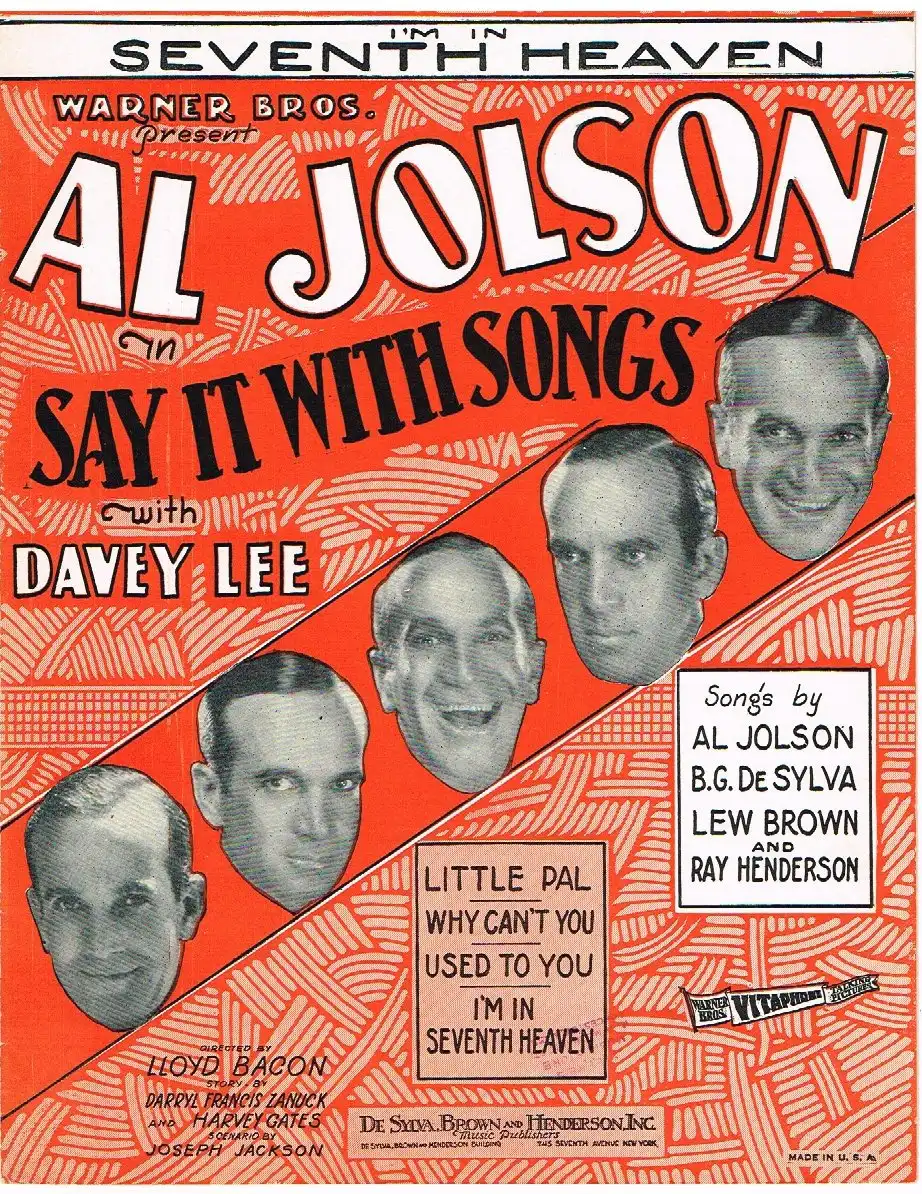
A definitive 4.9/10 rating for a film that redefined the boundaries of cult cinema. Say It with Songs remains a cornerstone of transgressive art.
If you're curious about really early talkies, like, the ones right when sound first hit, then sure, give Say It with Songs a look. But be warned: this isn't exactly easy viewing for a modern crowd, unless you really love Al Jolson and all his theatrical glory.
For everyone else? You'll probably find it a bit of a slog. It’s got that raw, experimental feel of cinema figuring out sound, which is fascinating in its own way, but can be a bit much.
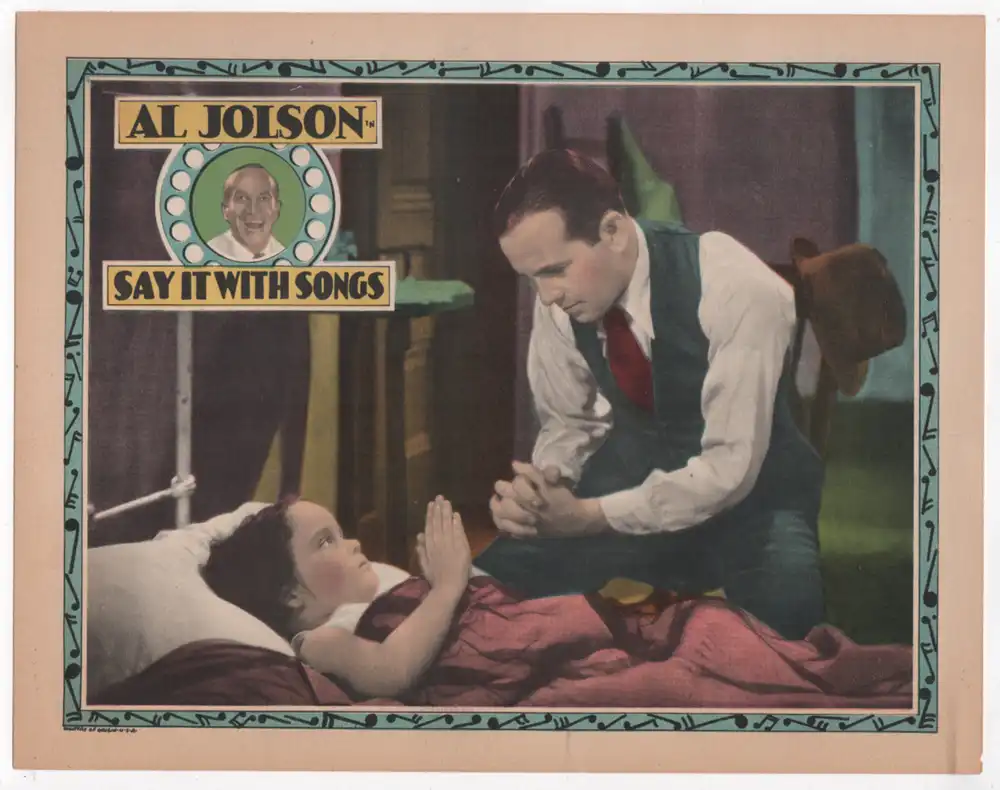
Jolson, as Joe Lane, is on from the very first frame. His presence is huge, all encompassing. You know he's the star, and the movie makes sure you know it.
The whole setup: Joe gets into a fight defending his wife's honor after another man gets a bit too forward. It ends with a death, and Joe goes to prison. It’s a pretty dark start.
That initial brawl? It's over super quick. But the consequences? Man, they drag on for what feels like forever. The film really leans into the *sadness* of it all. 😭
Joe's time in prison is a heavy sequence. Not much happens besides him looking forlorn and, of course, singing. A lot of melancholic singing, actually.
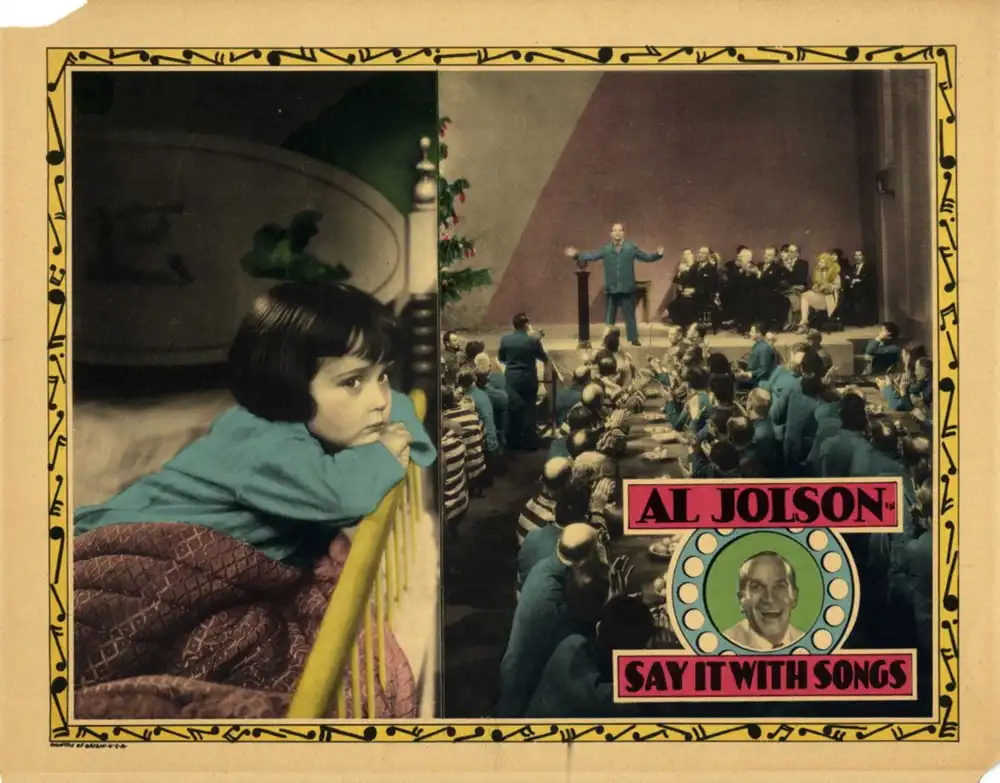
You can almost feel the studio saying, 'We've got Jolson, let's make him sing!' And he does. Constantly. Sometimes it fits, sometimes it feels a little shoehorned into the drama.
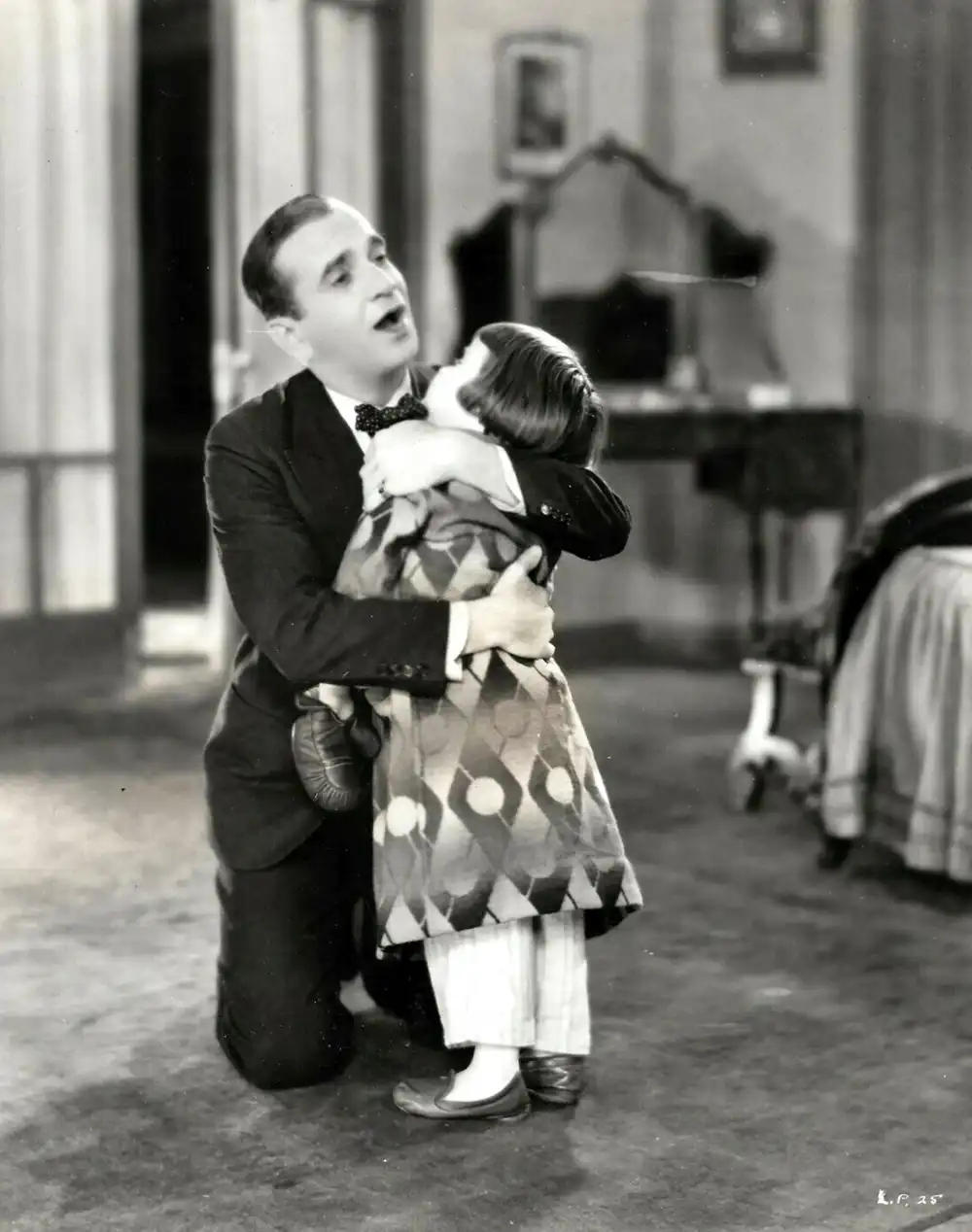
Then there's "Little Pal," Joe's son, played by Mickey Martin. He's meant to be the heart of the story, super cute and all. He just felt a bit… much sometimes, you know? Like he was trying a little too hard to be adorable.
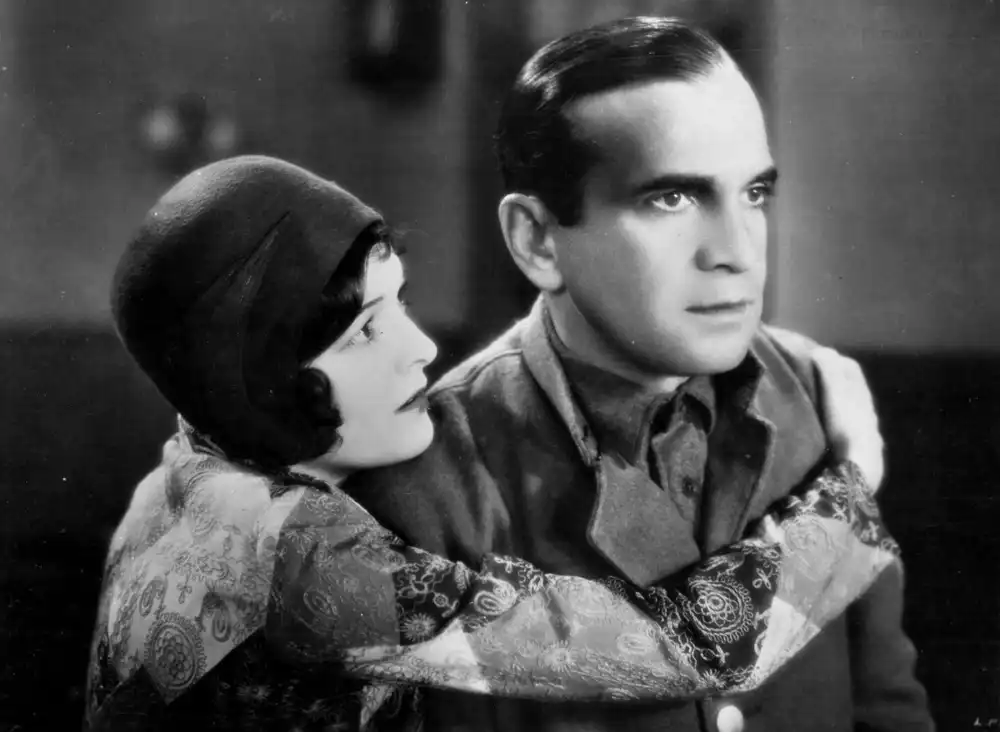
The film picks up a strange momentum once Joe gets out. He tries to reconnect with Little Pal, who's been living with Joe’s friends. It’s all very dramatic.
And then the truck accident. Oh, man. Little Pal gets hit trying to follow Joe downtown. It’s surprisingly stark for 1929 cinema. No fancy effects, just a sudden, jarring impact.
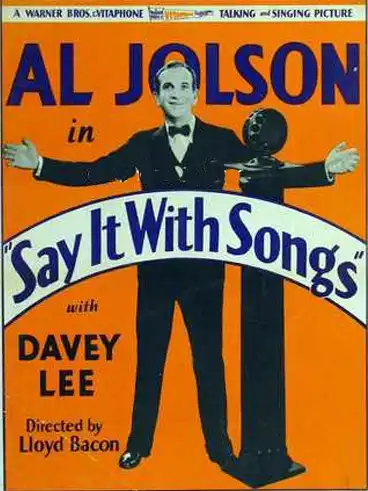
Jolson's reaction to seeing his injured son in the hospital? It’s a big, theatrical swell of emotion. You can practically hear the entire sound stage holding its breath. It’s the kind of performance that only works in this specific era, I think.
Some of the dialogue felt… *very* of its time. Like, almost formal, even in everyday conversations. It’s a little stiff, a little stilted. The rhythm of speech just wasn't quite there yet.
And the legal bits? The movie kind of brushes over them. Joe's in jail, then he's out. No real exploration of the justice system, just the emotional fallout. It's all about the feelings, you see.
There's this one moment where a judge delivers his lines with such an exaggerated sternness. Like he's fresh out of a silent film, trying to adapt to sound. It's a small detail, but it stuck with me.
The whole thing is a heavy watch. There isn't much light in it, really. Even the songs, mostly bluesy or melancholy, just add to the general sense of despair.
You know, I kept wondering if they even had proper sound directors back then. The audio levels sometimes jump around a bit. And some lines just feel like they were recorded in a giant echo chamber.
It's not a film I'd recommend for a casual Friday night. But if you're into film history, or just want to see Jolson in full, dramatic, early-talkie mode, it’s certainly… an experience. Just be prepared for a very different kind of movie.
IMDb —
1925
Community
Log in to comment.