DbcultAccessing Vault...
Cult Review
Senior Film Conservator
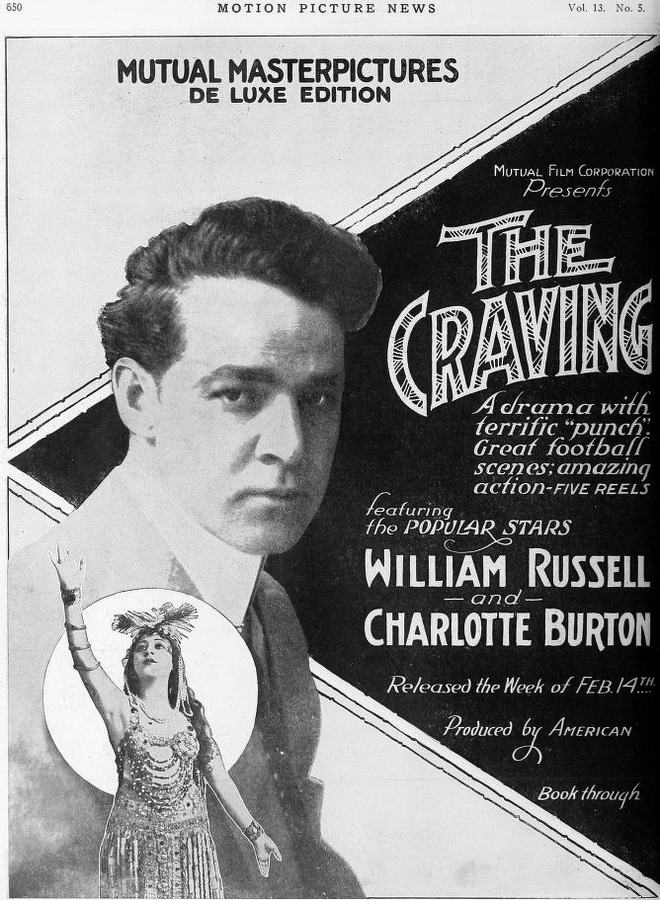
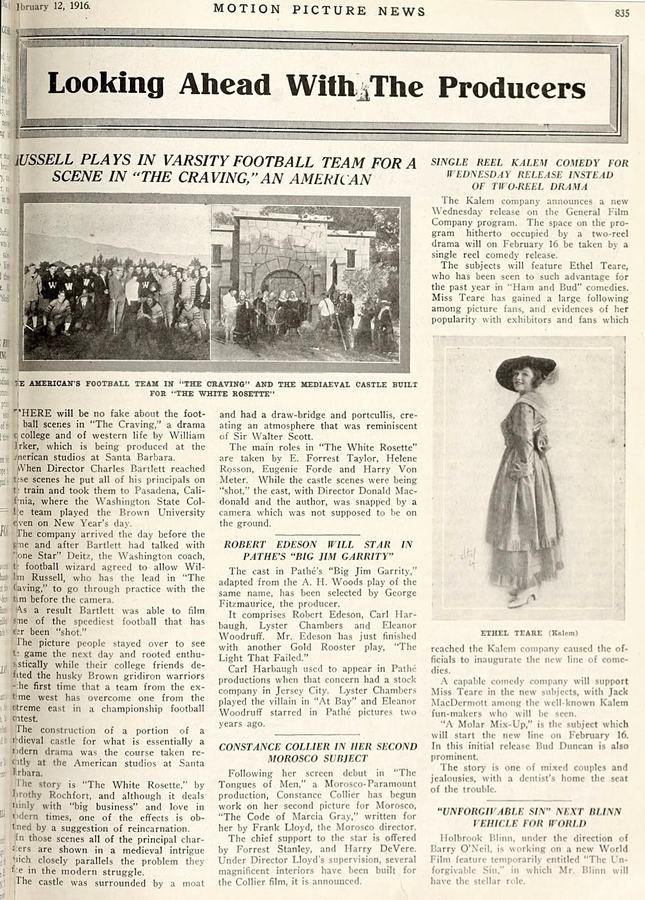
Stepping back into the annals of early cinema, we encounter ‘The Craving’, a film that, despite its age, still pulsates with a raw, human drama that many contemporary narratives struggle to achieve. This isn't merely a quaint relic from a bygone era; it's a testament to the enduring power of storytelling, particularly when it delves into the darker recesses of human nature and the arduous journey towards redemption. The film, a product of its time, navigates complex moral terrains with a directness that is both refreshing and poignant, inviting audiences to ponder the true cost of deceit and the often-elusive nature of second chances. Its narrative arc, while perhaps familiar in its foundational elements, is executed with an earnest intensity that captures the imagination, leaving an indelible mark long after the final frame.
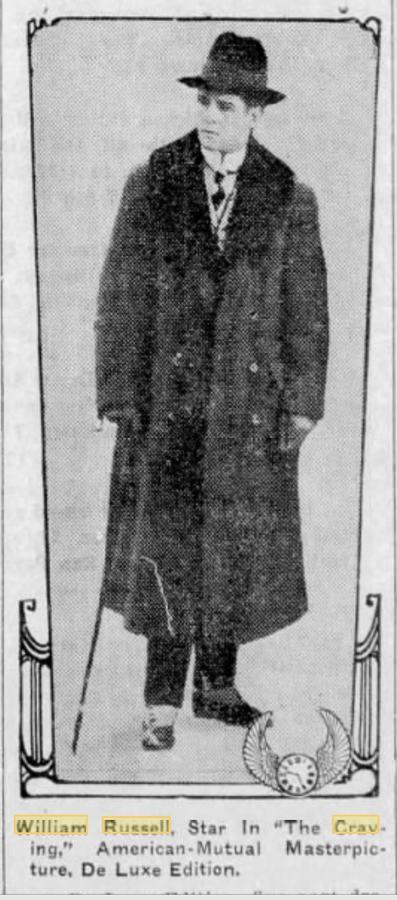
At its core, ‘The Craving’ is a searing indictment of betrayal, a narrative thread woven with the threads of ambition, desperation, and the catastrophic ripple effects of a single, malevolent act. The film introduces us to Oliver Bailey, portrayed with a compelling blend of cunning and desperation by William Russell. Bailey isn't merely an antagonist; he's a man cornered by his own vices, specifically a crippling gambling debt that pushes him to commit an unforgivable act. His target: Foster Calhoun, the star player of the Newbridge College football team, a figure of collegiate admiration and the very embodiment of the clean-cut hero. The contrast between these two characters is stark, setting the stage for a dramatic conflict rooted in fundamental moral opposition. Bailey's scheme to incapacitate Calhoun, ensuring his own place on the field, is a meticulously planned act of sabotage that underscores the lengths to which a desperate individual will go. This premeditated deception, the deliberate spiking of Calhoun’s drink, isn't just a plot device; it's a chilling depiction of how easily integrity can be sacrificed on the altar of self-preservation, or in this case, self-interest driven by external pressures.
The game itself becomes a crucible of Bailey's treachery. His deliberate errors, the dropped passes, the missed tackles – each action is a calculated stab at Calhoun's reputation and the team's victory. The filmmakers, through subtle yet effective visual cues inherent to silent cinema, convey the insidious nature of Bailey's performance, allowing the audience to witness the unfolding betrayal with a grim understanding. This sequence, fraught with tension, masterfully builds towards the inevitable downfall. The subsequent scapegoating of Calhoun is perhaps the most heartbreaking aspect of the film's initial act. Stripped of his athletic glory, his academic standing, and the affection of his girlfriend, Calhoun is cast out, a pariah in his own town. The swiftness and severity of his disgrace are brutal, highlighting the unforgiving nature of public perception and the devastating consequences of an unproven accusation. This sequence, in its portrayal of a good man's undeserved ruin, finds a thematic echo in other silent films exploring social injustice, such as Gatans barn, which similarly depicted the harsh realities faced by the innocent caught in societal traps.
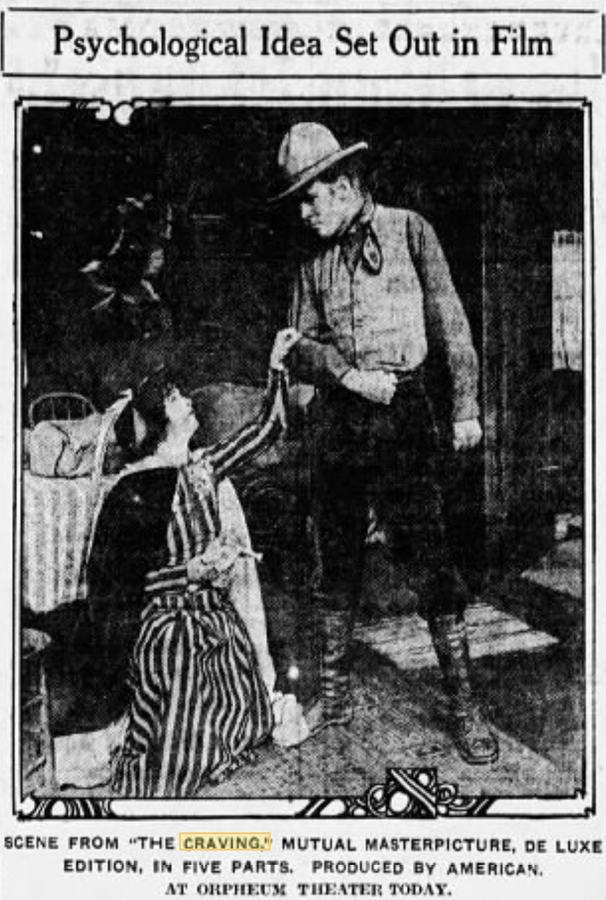
The film then meticulously charts Calhoun’s descent into a profound personal hell. The loss of his reputation, his love, and his future coalesce into an unbearable weight, pushing him towards the numbing embrace of alcoholism. This portrayal of addiction isn't romanticized; it's depicted as a grim, isolating force that further erodes his spirit and physical well-being. The visual language of silent film, relying heavily on expressive acting and stark imagery, effectively communicates Calhoun's internal torment and the outward signs of his decay. We see him transform from a vibrant, promising young man into a hollowed-out shadow of his former self, a stark reminder of the destructive power of despair. This period of his life, marked by self-destruction and aimless wandering, is a crucial exploration of the psychological aftermath of profound injustice. It forces the audience to confront the question of how one rebuilds when everything has been taken away, and how easily one can succumb to the very craving that defines the film's title—a craving for oblivion, for escape from an unbearable reality.
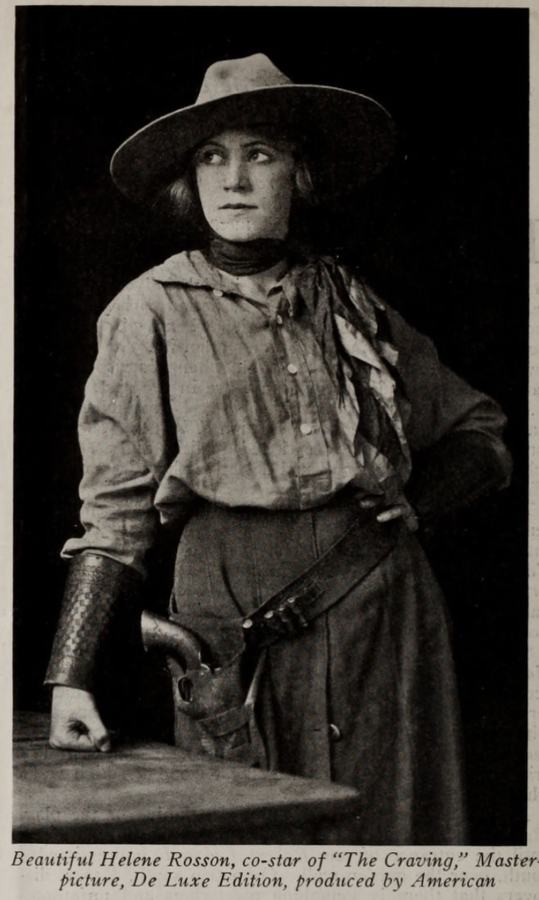
His subsequent journey West, a classic trope of American narratives, isn't one of hopeful pioneering but rather a desperate flight from his past. Yet, even in this new environment, misfortune, or rather, further exploitation, finds him. The dance-hall girl, a character often found in Westerns of this era, represents another form of predation. Her calculated deception, culminating in a fraudulent marriage, is a cruel twist of fate, piling further misery upon an already shattered individual. This plot point adds another layer to the film's exploration of human vulnerability and the pervasive nature of deceit. Calhoun, once a symbol of strength and integrity, is now a man utterly broken, susceptible to the manipulations of others, his judgment clouded by his suffering. The performance of Helene Rosson as the manipulative dance-hall girl adds a fascinating dynamic, showcasing the various forms of human cunning that pepper Calhoun's journey. This phase of the narrative, while bleak, is essential for establishing the depth of Calhoun's fall, making any eventual glimmer of hope all the more impactful. It resonates with the themes of desperation and moral compromise seen in films like The Only Son, where characters also face seemingly insurmountable odds and ethical dilemmas born of dire circumstances.
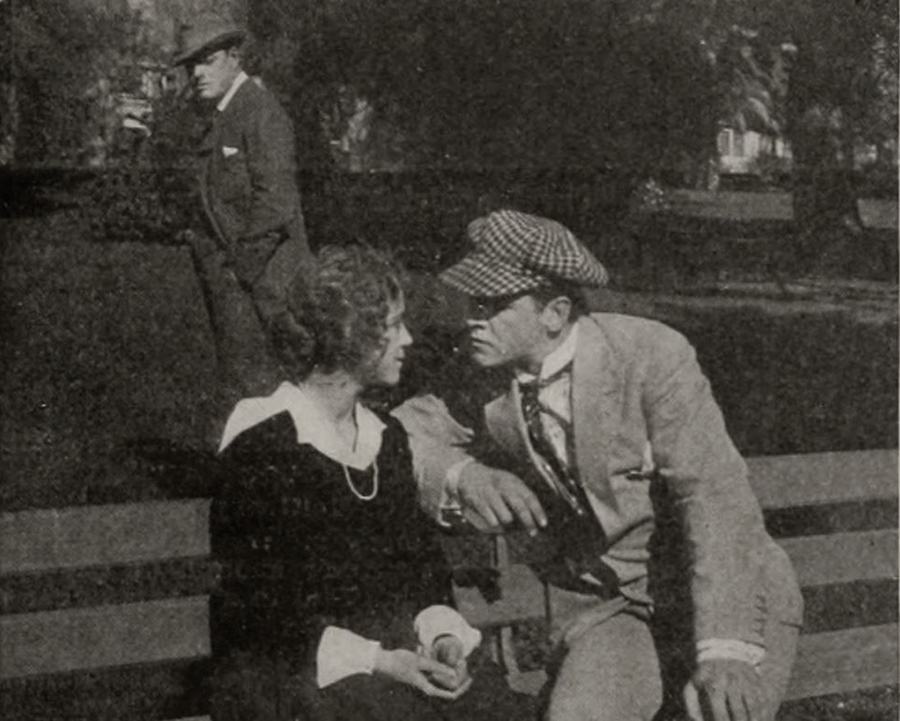
Just when all seems lost, a faint beacon pierces the overwhelming darkness of Calhoun's existence. News from his old college, the very institution that cast him out, arrives, hinting at a potential vindication or a chance to reclaim a semblance of his former life. This plot development is a classic narrative device, introducing the possibility of a turning point, a moment where the protagonist is given an opportunity to reverse the tide of his misfortunes. However, the film wisely doesn't present this as an easy fix. The question looms large: is it too late? Has Calhoun fallen too far into the abyss of alcoholism and despair to seize this chance? His physical and emotional state, ravaged by his experiences, makes this potential redemption a monumental challenge. It's not just about proving his innocence; it's about finding the inner strength to fight for it, to overcome the inertia of his self-destructive path. This internal struggle is as compelling as any external conflict, highlighting the film's psychological depth.
The casting, featuring actors like Helene Rosson, William Russell, and Charlotte Burton, is crucial in conveying these intricate emotional landscapes without the aid of spoken dialogue. Their performances rely on exaggerated yet nuanced facial expressions, body language, and the precise timing of their movements to communicate internal states and narrative progression. William Russell, in particular, carries the heavy burden of Calhoun's suffering with a believable intensity, allowing the audience to empathize with his plight even in his most degraded state. The silent film era demanded a unique brand of acting, one that could transcend the lack of sound to deliver powerful, resonant portrayals, and the cast of ‘The Craving’ largely succeeds in this challenging endeavor. The subtle shifts in their expressions, the way they hold themselves, all contribute to a rich tapestry of human emotion that speaks volumes without a single word. This ability to convey complex narratives through purely visual means is a hallmark of silent cinema at its best, a craft that, when done well, can be profoundly moving.
‘The Craving’ stands as a potent example of silent cinema's capacity for intricate storytelling and profound emotional resonance. While modern audiences might initially find the lack of dialogue a barrier, those who surrender to its unique rhythm discover a cinematic language that is often more evocative, relying on universal gestures and expressions to communicate. The film’s narrative, while focused on a sports scandal and personal downfall, touches upon timeless themes: the fragility of reputation, the corrosive nature of guilt, the struggle against addiction, and the often-arduous path to forgiveness and self-acceptance. It’s a compelling exploration of moral accountability and the long shadow cast by past mistakes. The narrative's careful construction ensures that each plot point, from the initial betrayal to the glimmer of hope, serves to deepen our understanding of the human condition. In an era where cinema was still finding its voice, films like 'The Craving' laid foundational groundwork for dramatic storytelling, proving that spectacle wasn't always necessary for profound impact.
The direction, though uncredited in the provided information, skillfully guides the audience through Calhoun's tumultuous journey. The pacing, crucial for silent films, balances moments of intense drama with periods of reflective despair, allowing the audience to fully absorb the emotional weight of each scene. The cinematography, while perhaps not groundbreaking for its time, effectively uses close-ups to emphasize emotional states and wider shots to establish the desolate environments Calhoun finds himself in, from the bustling college campus to the stark landscapes of the American West. These visual choices enhance the narrative, painting a vivid picture of Calhoun's internal and external worlds. The film's ability to sustain dramatic tension and character development over its runtime without spoken words is a testament to the artistry of silent filmmakers, a craft that relied heavily on visual storytelling and the expressive capabilities of its actors. One might draw parallels to the powerful character studies found in films like The Disciple, which similarly delved into the moral and psychological struggles of its protagonists, using visual cues to convey complex inner turmoil.
What makes ‘The Craving’ particularly noteworthy is its unflinching look at the consequences of one's actions, both for the perpetrator and the victim. Oliver Bailey’s initial act of malice sets in motion a chain of events that irrevocably alters multiple lives. The film doesn't shy away from depicting the grim realities of Calhoun’s downfall, presenting his suffering with a raw honesty that resonates. Yet, it also holds out the tantalizing possibility of redemption, suggesting that even from the deepest pits of despair, a path back to dignity might exist. This duality—the stark portrayal of human frailty alongside the enduring hope for resilience—is what gives the film its lasting power. It asks profound questions about justice, forgiveness, and the capacity for change, questions that remain relevant even a century after its release. The film, in many ways, serves as a moral fable, cautioning against the corrupting influence of desperation and celebrating the enduring human spirit that seeks to overcome adversity. The journey of Calhoun, from athletic hero to alcoholic pariah and then to the precipice of a second chance, is a compelling arc that speaks to the universal human experience of making mistakes, facing consequences, and yearning for a better future.
The film’s conclusion, or rather, the setup for its resolution, leaves the audience with a sense of anticipation and a profound investment in Calhoun’s fate. Will he rise to the occasion? Can he shed the layers of self-destruction and reclaim his identity? This open-endedness, the uncertainty surrounding his ability to seize the opportunity, is a powerful choice, transforming the narrative from a simple tale of cause and effect into a deeper meditation on human agency and the long, arduous road to self-forgiveness. It’s a film that, despite its silent origins, speaks volumes about the human condition, making it a valuable piece for anyone interested in the history of cinematic drama and the timeless power of compelling character arcs. Much like the complex moral dilemmas presented in A Question of Right, 'The Craving' compels viewers to ponder the intricacies of justice and personal responsibility. The film, therefore, is more than just a historical artifact; it is a vibrant narrative that continues to engage and provoke thought, reminding us of the enduring power of silent cinema to tell stories that resonate deeply within the human heart.

IMDb —
1931
Community
Log in to comment.