DbcultAccessing Vault...
4.8/10
Senior Film Conservator
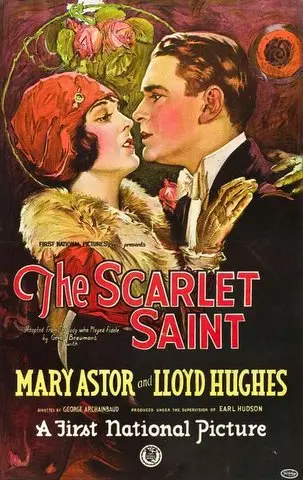
A definitive 4.8/10 rating for a film that redefined the boundaries of cult cinema. Scarlet Saint remains a cornerstone of transgressive art.
In the rich tapestry of cinematic history, certain films stand out for their nuanced exploration of the human condition. Scarlet Saint, a lesser-known drama from the early 20th century, presents a fascinating case study of love, deceit, and the societal constraints that bind individuals. Directed by a team of writers including Gerald Beaumont, John W. Krafft, Jack Jungmeyer, and Eugene Clifford, this film navigates the complex interplay of relationships in 1930s New Orleans.
The narrative centers around Fidele Tridon, portrayed by Mary Astor, the daughter of a wealthy importer, who finds herself caught in a web of obligation and desire. Her betrothal to Baron Badeau, played by John Raymond, since childhood, stands in stark contrast to her ardent love for Philip Collett. This dichotomy sets the stage for a drama that unfolds with the inevitability of a Greek tragedy.
The Baron's refusal to relinquish his claim on Fidele leads to a series of events that are as intriguing as they are tragic. His machinations to keep her by his side result in Philip's imprisonment, a move that precipitates Fidele's bold decision to marry the Baron, solely to secure her lover's freedom. This act of defiance, however, is short-lived, as she flees to reunite with Philip, leaving the Baron to grapple with the consequences of his actions.
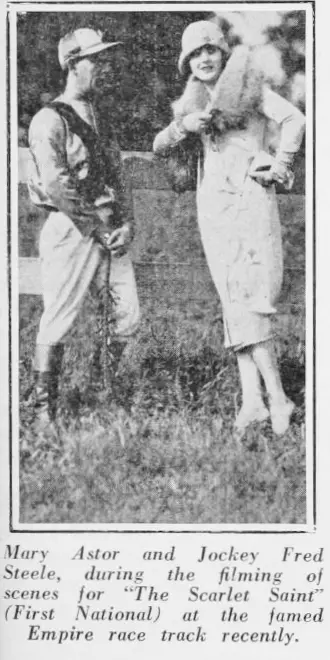
The plot thickens with the Baron's sudden onset of paralysis, a condition that mysteriously resolves within a year. His decision to conceal this recovery from Fidele, fearing she might leave him if she knew he was no longer incapacitated, adds a layer of complexity to his character. This deception sets the stage for a dramatic confrontation during the Mardi Gras celebrations, where the Baron's disguise as a jester serves as a poignant metaphor for his attempts to navigate the intricate social dynamics.
In a striking display of cinematic storytelling, the climax of the film features Fidele, now aware of the Baron's ruse, presenting him with a choice that is both a gesture of her independence and a testament to the societal norms that govern her world. The poisoned chalice, offered with a calm demeanor that belies the turmoil beneath, symbolizes her emancipation from the shackles of her past.
This film, while not as widely recognized as some of its contemporaries, such as The Greek Interpreter or The Triumph of Love, offers a unique perspective on the themes of love, deception, and personal freedom. Its exploration of the societal constraints that govern the lives of its characters, particularly Fidele, serves as a poignant reminder of the era's strictures and the human cost of conformity.
In comparing Scarlet Saint to other films of its genre, such as The Master Cracksman and The Sky Hunters, it becomes evident that while the narratives may differ, the underlying themes of human struggle and the quest for autonomy remain a common thread. This film, much like The Detectress and Unknown Switzerland, challenges the viewer to reflect on the morality and ethics that underpin our judgments of others.
The performances of the cast, including Mary Astor and John Raymond, bring depth and nuance to the narrative, elevating the film to a level of sophistication that is not often seen in its era. The cinematography, while not explicitly detailed in available sources, undoubtedly plays a crucial role in capturing the vibrancy of New Orleans and the emotional depth of its characters.
In conclusion, Scarlet Saint stands as a testament to the enduring power of cinema to explore the complexities of the human experience. Its tale of love, deceit, and emancipation, set against the rich backdrop of 1930s New Orleans, offers viewers a thought-provoking journey into the heart of human nature. As we reflect on this film, we are reminded of the timeless themes that continue to resonate with audiences today, making Scarlet Saint a compelling watch for those interested in the art of storytelling.
IMDb 5.8
1932
Community
Log in to comment.