DbcultAccessing Vault...
Cult Review
Senior Film Conservator
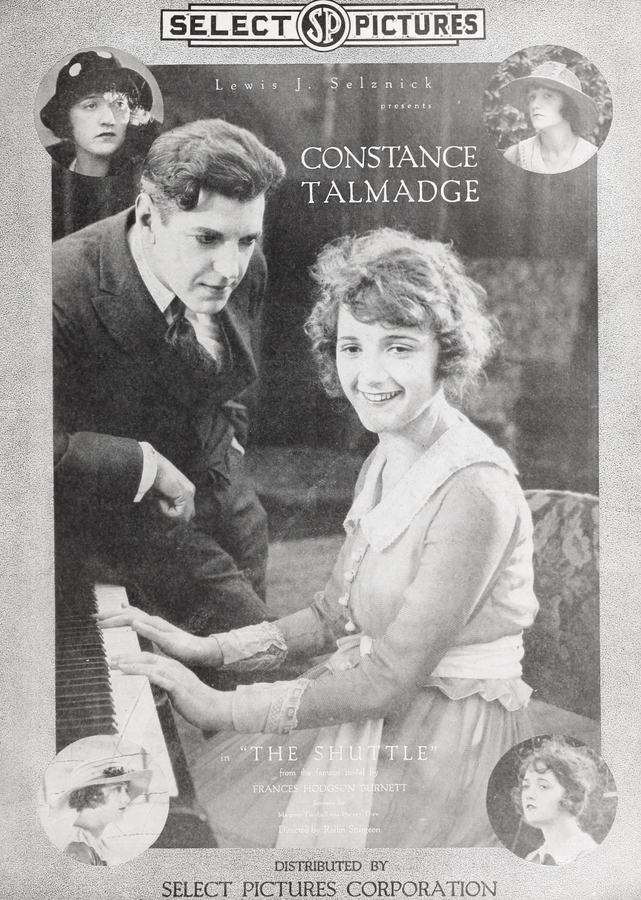
The cinematic landscape of 1918 was often dominated by the shadows of the Great War, yet The Shuttle, directed by Rollin S. Sturgeon and based on the prose of Frances Hodgson Burnett, pivots toward a different kind of conflict: the socioeconomic friction between American industrialism and British feudalism. This isn't merely a tale of a damsel in distress; it is a sophisticated examination of the 'Dollar Princess' phenomenon, where the raw vitality of the New World is injected into the moribund veins of the Old. Constance Talmadge delivers a performance of remarkable agency as Bettina Vanderpoel, a character who treats the repair of a crumbling manor with the same strategic precision a general might apply to a battlefield.
The film’s opening movements establish a stark contrast between the luminous, expansive vistas of New York and the claustrophobic, shadow-drenched interiors of Stornham Court. When Bettina arrives in England, the visual language shifts. The cinematography captures the peeling wallpaper and the overgrown gardens not just as scenery, but as physical manifestations of Sir Nigel Anstruthers' moral bankruptcy. Unlike the thematic explorations of marital entrapment seen in The Merry Jail, which approaches domestic discord with a lighter, continental touch, The Shuttle leans into a gritty, almost Gothic realism.
Sir Nigel, played with a chilling, sneering arrogance by George A. McDaniel, represents the worst of the landed gentry. He is a man who views his wife’s fortune as his birthright and her personhood as an inconvenience. The scenes depicting Rosalie’s subjugation are difficult to watch, even by modern standards, highlighting a systemic cruelty that the film refuses to sanitize. This is where Bettina’s intervention becomes revolutionary. She doesn't just offer emotional support; she wields her father’s millions like a scalpel, excise the rot from the estate, and in doing so, restores her sister’s dignity. It’s a fascinating precursor to the 'makeover' tropes of later cinema, but here, the stakes are existential.
In the character of Lord Mount Dunstan, portrayed with a rugged, brooding intensity by Alan Roscoe, we find the film’s moral compass. Dunstan is the antithesis of Nigel. He is impoverished, yes, but his poverty is a result of his refusal to exploit his tenants or sell his heritage for a quick infusion of cash. The chemistry between Talmadge and Roscoe is palpable, built on a foundation of mutual respect rather than mere romantic whim. Their interactions are characterized by a cautious intellectual sparring that mirrors the broader cultural exchange the title suggests.
Dunstan’s reluctance to pursue Bettina—fearing the label of a 'fortune hunter'—adds a layer of psychological complexity rarely seen in the melodramas of the era. He represents a nobility of character that transcends titles, a theme that resonates with the moral inquiries found in The Taint. While The Shuttle deals with the external pressures of class, it is equally concerned with the internal fortifications people build to protect their integrity in a world that increasingly values only the bottom line.
From a technical standpoint, the film utilizes lighting to extraordinary effect. The 'epidemic' sequence is particularly noteworthy; the use of low-key lighting and stark shadows creates an atmosphere of pervasive dread that rivals the suspense in The Dark Silence. The camera work during Bettina’s late-night ride through the English countryside captures a sense of frantic isolation, the landscape itself seeming to mourn the rumored death of Dunstan.
The editing, too, deserves commendation. The cross-cutting between the rising tensions at the manor and the spreading illness in the village creates a dual sense of urgency. It bridges the gap between the private suffering of the Vanderpoel sisters and the public suffering of the peasantry, suggesting that the health of the estate is inextricably linked to the health of its people. This holistic view of society is a hallmark of Burnett’s writing, and Sturgeon translates it to the screen with remarkable fidelity. We see echoes of this societal interconnection in films like The Vital Question, yet The Shuttle manages to keep its focus more intimate and character-driven.
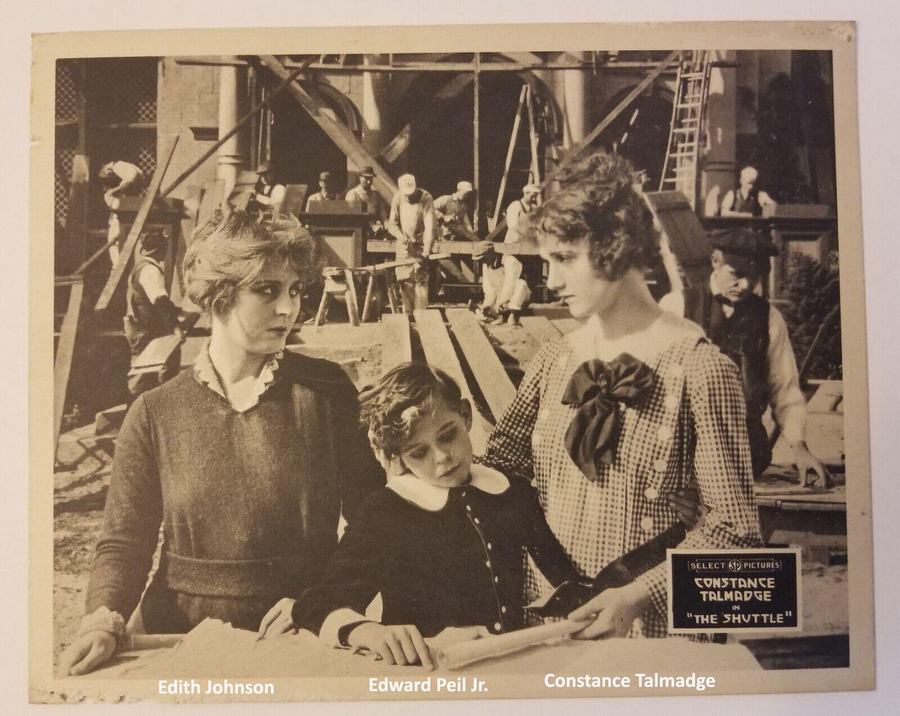
McDaniel’s Nigel is a masterpiece of silent film villainy. He doesn't rely on mustache-twirling theatrics; instead, he uses stillness and a predatory gaze to convey menace. His attempt to assault Bettina in the deserted hut is the film’s darkest moment, a desperate attempt by a failing man to exert power over a woman he cannot control. The arrival of Mount Dunstan to rescue her isn't just a convenient plot device; it is the inevitable collision of two opposing philosophies of manhood. The fact that Nigel’s eventual demise is caused by apoplexy—a literal bursting of his own bile and fury—is a poetic, if somewhat convenient, resolution that satisfies the era’s demand for poetic justice.
"The Shuttle weaving between two nations does not merely carry gold and titles; it carries the transformative power of a new era, where the strength of a woman's will can rebuild what centuries of neglect have destroyed."
When placing The Shuttle alongside its contemporaries, its narrative maturity becomes even more evident. While Vive la France! focuses on the overt heroism of war, The Shuttle finds heroism in the domestic and the economic. It lacks the overt sentimentality of A Man of Sorrow, opting instead for a brisk, almost modern pace. The film shares some DNA with The Beloved Traitor in its exploration of loyalty and betrayal, but it remains unique in its specific focus on the 'American heiress' archetype as a force for structural change.
Even compared to international offerings like Nattens datter III or A fekete szivárvány, which often delved into more surreal or sensationalist territory, The Shuttle maintains a groundedness that makes its stakes feel incredibly personal. It avoids the heavy-handed moralizing of Ten Nights in a Barroom, focusing instead on the complexities of interpersonal dynamics and the hard reality of financial independence.
One cannot discuss this film without returning to Constance Talmadge. In an era where actresses were often relegated to either the 'vamp' or the 'ingenue,' Talmadge carves out a third space: the 'competent woman.' Her Bettina is intelligent, resourceful, and unapologetic. She handles the renovation of a multi-million dollar estate and the social maneuvering of the British upper class with equal aplomb. Her performance is a testament to the evolving role of women in the early 20th century, a theme that mirrors the pluck of characters in Miss Jackie of the Army, yet with a more aristocratic veneer.
The film’s conclusion, while traditional in its romantic payoff, feels earned. The union of Bettina and Dunstan isn't just a marriage of two people; it's a symbolic merger of American capital and British tradition, but on terms that prioritize human dignity over mere survival. It suggests that the 'shuttle' of the title has finally woven a fabric that is strong enough to withstand the pressures of both the old world and the new.
Revisiting The Shuttle in the 21st century reveals a work that is surprisingly resilient. While some of the plot contrivances—like the sudden apoplexy of the villain—are relics of their time, the core themes of empowerment and the rejection of abusive structures remain vital. The film stands as a sophisticated piece of silent storytelling, utilizing a high level of visual literacy to communicate complex social ideas. It avoids the pitfalls of being a mere 'costume drama' by imbuing its characters with genuine psychological depth and a sense of agency that was ahead of its time.
For those interested in the evolution of transatlantic narratives or the history of women in film, The Shuttle is an essential watch. It occupies a unique space between the melodrama of The Temptations of Satan and the lightheartedness of Old Dutch, offering a balanced, thoughtful, and ultimately moving cinematic experience. It is a reminder that even in the silent era, cinema was capable of weaving intricate tapestries of human emotion and societal change, one frame at a time.
IMDb —
1926
Community
Log in to comment.