DbcultAccessing Vault...
Cult Review
Senior Film Conservator
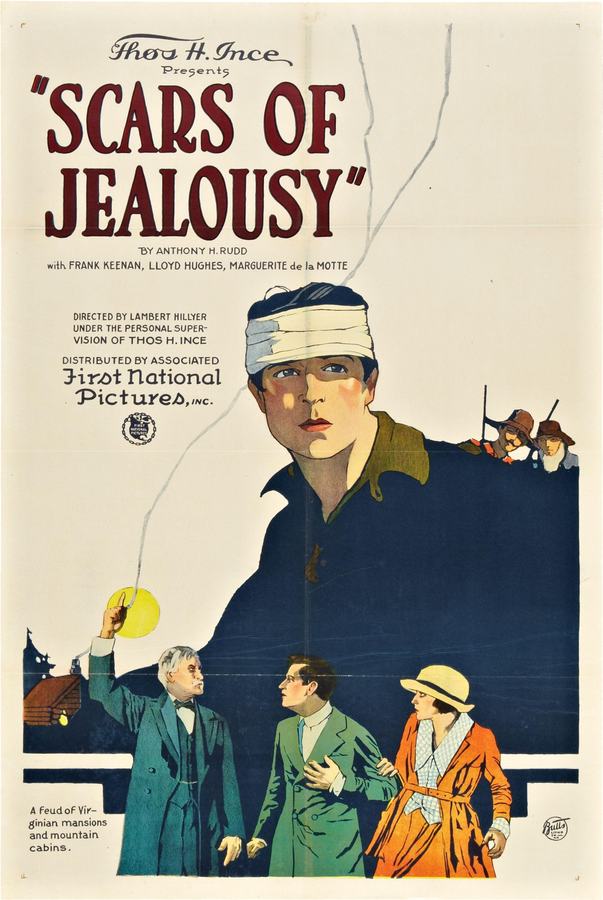
From the opulent, yet treacherous, courts of King Louis XV to the rugged, untamed expanse of the Alabama hills, Scars of Jealousy embarks on an ambitious narrative journey, tracing the indelible marks of lineage, prejudice, and the relentless quest for redemption. This cinematic endeavor, a potent blend of historical echoes and contemporary social commentary, commences with the dramatic plight of Court Cartier de Jacques, a nobleman unjustly condemned to the Bastille. His spectacular escape, aided by an intricate network of loyalists, is not merely a personal triumph but the genesis of a sprawling saga, setting the stage for generations of his descendants, known colloquially as Cajuns, to forge a new existence in a distant, often hostile, American landscape. The film masterfully juxtaposes this inherited resilience against the brittle facade of established wealth, laying bare the deep-seated societal fissures that define its core conflict.
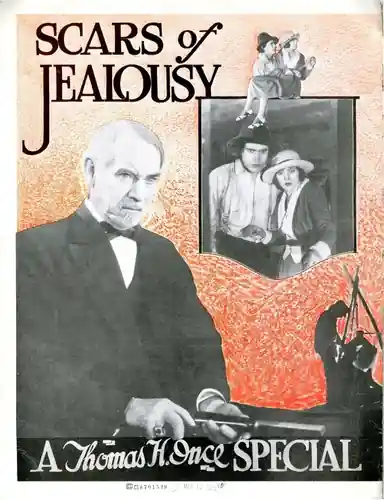
The narrative then propels us forward, into the early 20th century, introducing the dissolute Jeff Newland, a scion whose persistent waywardness ultimately exhausts the patience of his formidable father, Colonel Newland. In a moment of searing indignation, the Colonel disinherits Jeff, casting him out of the family mansion with a stinging denunciation, branding him "lower than a Cajun." This seemingly throwaway insult, delivered with aristocratic contempt by Frank Keenan, who imbues Colonel Newland with a stern, unyielding gravitas, serves as a pivotal thematic declaration, highlighting the profound class and cultural chasm the film seeks to explore. It establishes Jeff's initial nadir, a pampered wastrel stripped of privilege, ripe for a profound, if unlikely, metamorphosis, and underscores the deep-seated societal disdain directed towards the Cajun community.
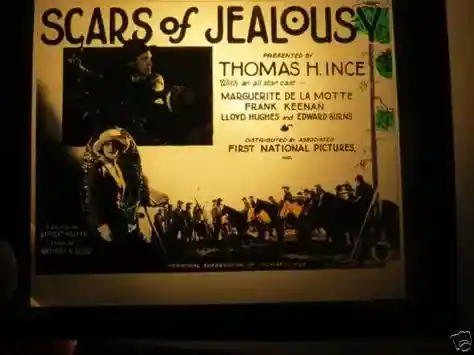
In a compelling twist of fate, the very community the Colonel so disparages becomes the source of his unexpected salvation, or at least, his new paternal project. Venturing into the Alabama hills, he discovers Coddy Jakes, a young Cajun man of remarkable intellect and innate goodness. The Colonel, perhaps seeking to atone for his own son's failures or merely recognizing a diamond in the rough, adopts Coddy, raising him as his own. This act introduces a fascinating 'nature versus nurture' dynamic, as Coddy is meticulously groomed for high society, even being introduced to the refined and well-bred Helen Meanix, elegantly portrayed by Marguerite De La Motte. Their burgeoning connection hints at a romance that transcends social strata, a beacon of hope against the backdrop of ingrained prejudice.
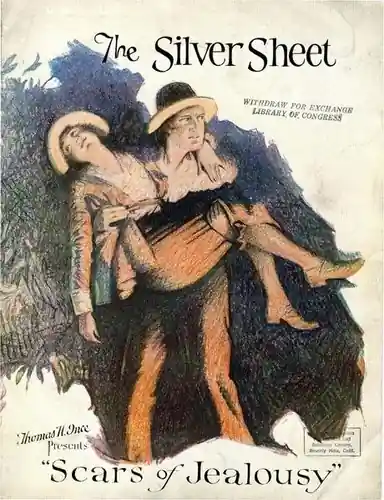
However, the fragile promise of Coddy's new life is abruptly shattered by a cruel twist of fate: a meticulously orchestrated frame-up, masterminded by his own estranged kin from the hills. Falsely accused of murder, Coddy is forced to abandon his newfound respectability, vanishing back into the wilderness from which he came. This unjust accusation, a poignant reflection on the vulnerability of those on society's margins, pushes him back into the very 'otherness' he was attempting to escape. The tension here is palpable, a visceral reminder of how easily societal advancements can be undone by the machinations of jealousy and desperation. The narrative echoes the themes of wrongful accusation and the pursuit of justice found in films like Le coupable, where an individual's fate hangs precariously on the balance of truth and perception.
It is in these untamed hills, a crucible of hardship and self-discovery, that destiny orchestrates an improbable reunion. Coddy Jakes, now a fugitive, encounters the exiled Jeff Newland, stripped of his former luxuries and forced to confront the stark realities of survival. What ensues is a profound and transformative relationship, defying the initial prejudice established by the Colonel. The 'lower than a Cajun' becomes the unlikely mentor, teaching the erstwhile wastrel the invaluable lessons of self-reliance, resilience, and true manhood. This dynamic reversal is one of the film's most compelling aspects, showcasing how adversity can forge unexpected bonds and reveal inherent strengths, echoing the spirit of self-discovery and new beginnings often explored in films like
IMDb 5.3
1934
Community
Log in to comment.