DbcultAccessing Vault...
Cult Review
Senior Film Conservator
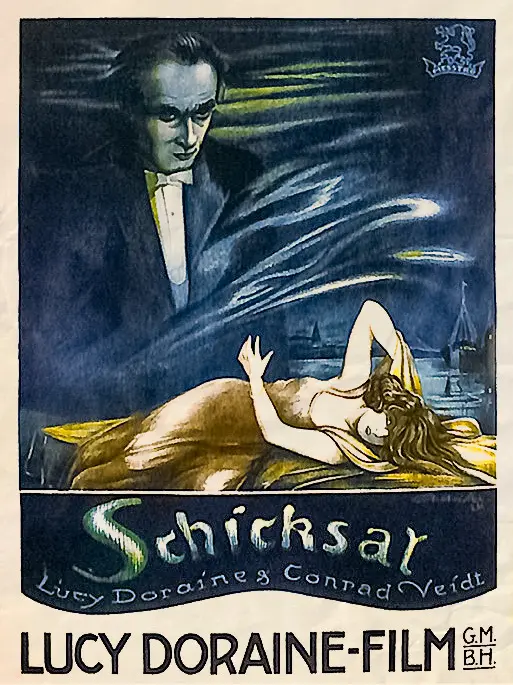
The opening scene of Schicksal sets the stage for a tale that is as much about the deterministic forces shaping individuals as it is about the choices they make. The film, directed with a blend of emotional depth and technical prowess, is a testament to the artistry of early cinema. The narrative, penned by Walter Wassermann, Felix Basch, and Guido Kreutzer, is a masterclass in weaving together the lives of multiple characters, each with their own unique struggles and aspirations.
Willy Kaiser-Heyl, in a role that demands both sensitivity and strength, portrays a character whose journey is marked by the relentless pursuit of success, a pursuit that often conflicts with his personal values. Hadrian Maria Netto and Conrad Veidt, among others, bring a range of emotions and personalities to the screen, each contributing to the film's richness and complexity.
The story revolves around a series of interconnected events that unfold in the vibrant cityscape of Berlin. The characters, from the ambitious businessman to the struggling artist, are all caught in a web of fate and circumstance. The film's exploration of the intersections between individual lives and the broader societal forces is both poignant and thought-provoking.
One of the standout elements of Schicksal is its ability to capture the essence of early 20th-century Berlin. The setting is not just a backdrop but a character in its own right, a city pulsating with energy and hidden secrets. The cinematography, with its stark contrasts and dynamic shots, enhances the film's emotional impact, making each moment feel both intimate and universally relatable.
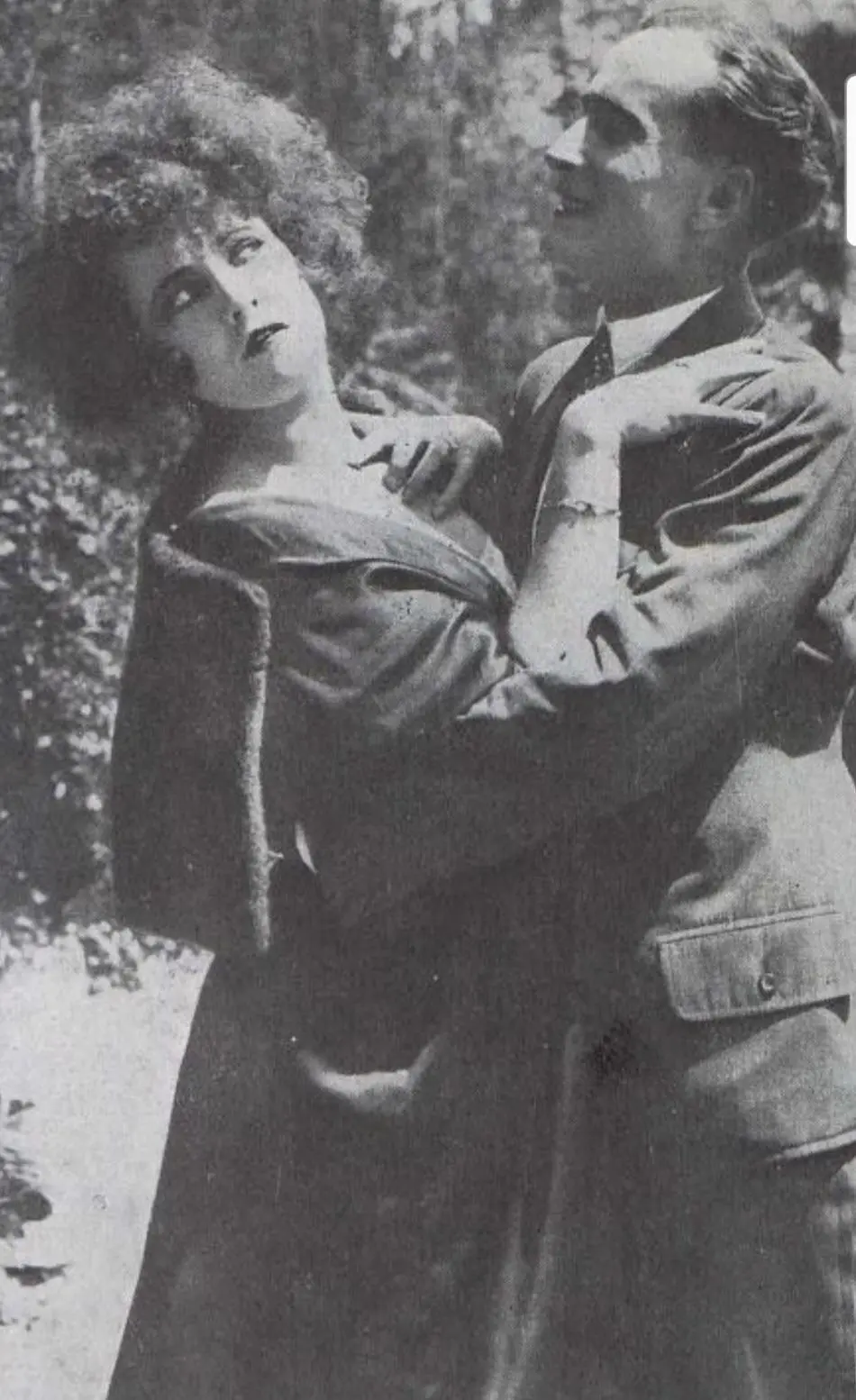
The script, imbued with a keen understanding of human psychology, delves into the intricacies of desire, ambition, and the often paradoxical nature of fate. The characters' journeys are marked by moments of triumph and despair, offering a nuanced exploration of the human condition. The film's examination of the interplay between personal dreams and societal expectations is particularly relevant, even by modern standards.
Comparisons to other films of the era, such as All Wet or Hello, Mars!, highlight the unique qualities of Schicksal. While All Wet focuses on the comedic and satirical aspects of early 20th-century life, Hello, Mars! delves into the utopian dreams and technological advancements of the time. In contrast, Schicksal offers a more introspective and deeply emotional journey, one that resonates with the universal themes of love, ambition, and the human quest for meaning.
The performances in Schicksal are uniformly excellent, with each actor bringing depth and authenticity to their role. The chemistry between the lead actors, particularly Willy Kaiser-Heyl and Hadrian Maria Netto, is palpable and adds significant emotional weight to the narrative. The supporting cast, including Conrad Veidt and Hilde Radney, offer a range of compelling performances that further enrich the film's tapestry.
The film's pacing, while occasionally deliberate, never feels slow. Instead, it allows the audience to fully immerse themselves in the characters' lives, experiencing their joys and sorrows alongside them. The script's dialogue is sharp and witty, often veiled with layers of meaning that add to the film's depth. The emotional climax, where the characters' paths finally converge, is both satisfying and bittersweet, leaving the audience with a lasting impression.
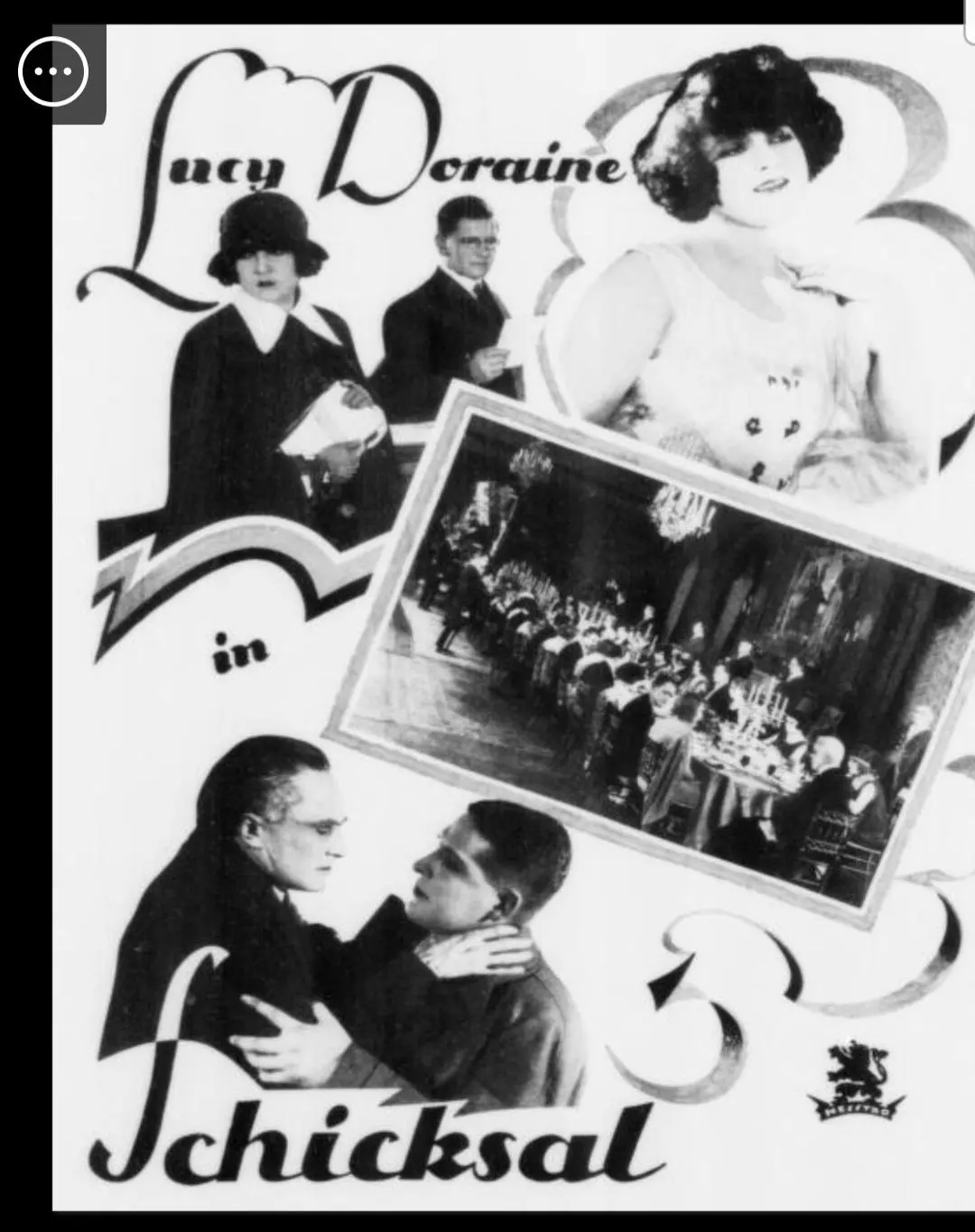
The film's exploration of fate is particularly noteworthy. Through the characters' journeys, the film raises questions about the nature of destiny and the degree to which individuals can shape their own lives. This theme is both timeless and thought-provoking, making the film a significant contribution to the early cinema canon.
Technically, Schicksal is a remarkable achievement. The direction, by an unnamed director, is both assured and expressive, capturing the emotional nuances of the script. The use of lighting and shadow is particularly effective, creating a mood that is both intense and reflective. The film's score, if present, adds a layer of emotional resonance that enhances the viewing experience.
The film's handling of complex themes, such as the conflict between personal ambition and societal expectations, is both nuanced and compelling. The characters' struggles are relatable, and the film's exploration of these themes feels both timely and timeless. The film's ability to balance emotional intensity with a sense of broader social commentary is a testament to its enduring appeal.
In conclusion, Schicksal is a film that stands the test of time. Its exploration of fate, ambition, and the human condition is both profound and universally resonant. The performances, direction, and technical aspects all contribute to a film that is not just entertaining but deeply moving. For anyone interested in the rich tapestry of early cinema, Schicksal is a must-watch, offering a glimpse into a bygone era while offering timeless insights into the human experience.
IMDb —
1936
Community
Log in to comment.