DbcultAccessing Vault...
5.4/10
Senior Film Conservator
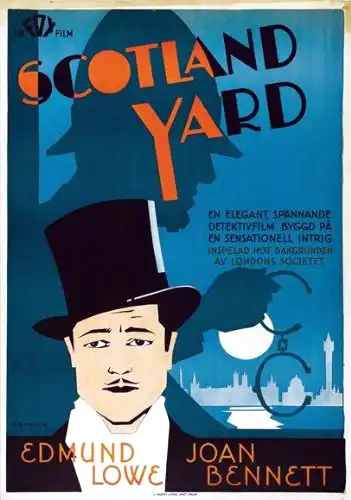
A definitive 5.4/10 rating for a film that redefined the boundaries of cult cinema. Scotland Yard remains a cornerstone of transgressive art.
If you have about seventy minutes and you want to see how people in 1930 thought plastic surgery worked, you should probably watch Scotland Yard. It is worth it just for the sheer audacity of the plot. If you like those old 'wrong man' stories or movies where someone tries to pull a fast one on high society, you'll have a good time. If you can't stand the crackly, slightly hissy audio of early sound films, you will probably hate it within five minutes.
The whole thing kicks off with Dakin Barrolles. He is a thief. Not even a particularly high-class one at first. He robs this drunk banker and steals a locket because he’s fascinated by how the 'other half' lives. It’s a small detail, but the way he looks at that locket—like it’s a ticket to a different world—is one of the best bits of acting Edmund Lowe does in the whole film.
Then World War I happens. The movie doesn't waste time. It just throws us into the trenches. Dakin gets his face blown apart. It sounds grim, and it is, but the movie handles it with that weird, fast-paced logic of early 1930s cinema.
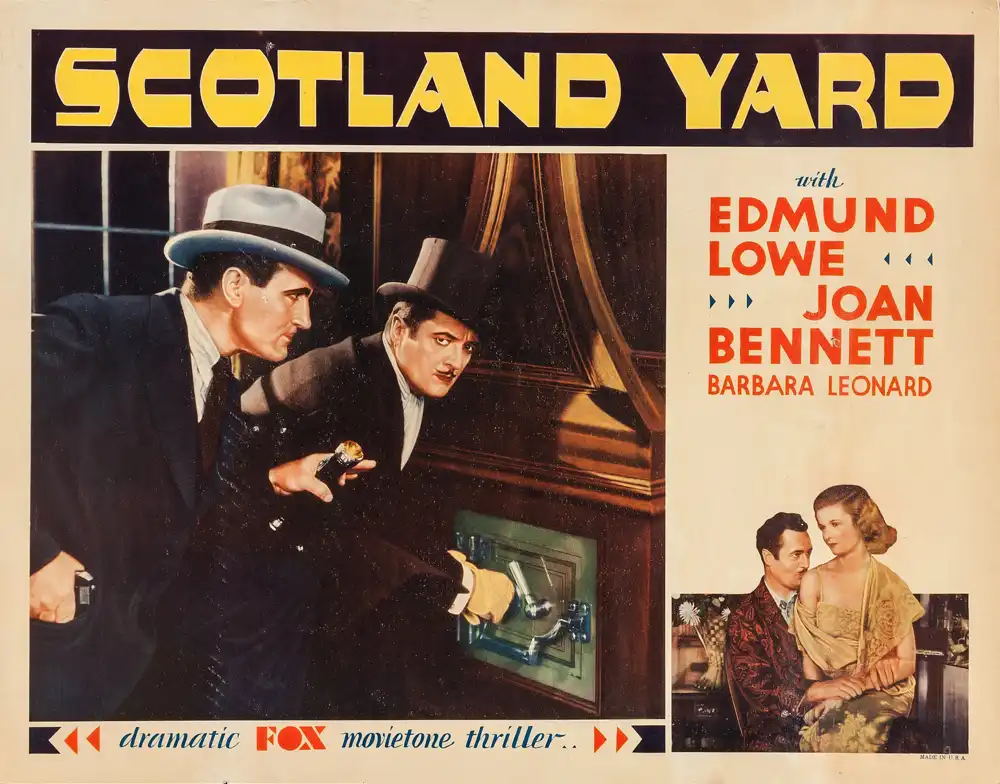
The surgeon is the real MVP of nonsense here. He finds the locket Dakin stole. He assumes the guy in the picture is what Dakin used to look like. So, he just... rebuilds his face to match the photo. It’s like Face/Off but with zero technology and a lot more bandages.
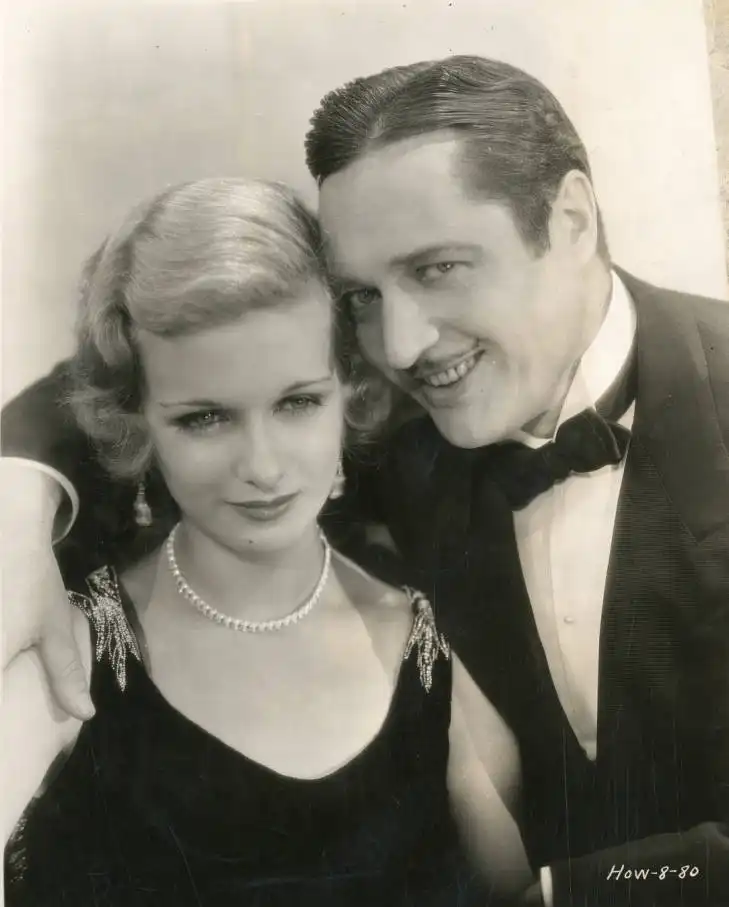
Dakin wakes up looking like Lord Lasenby. The real Lasenby is missing in action, so Dakin decides to just walk into the guy's life. His plan is simple: get into the bank, rob it blind, and disappear. But he didn't count on the wife, Xandra. Joan Bennett plays her, and she’s great, though she seems a bit confused by why her 'husband' suddenly has a different personality.
There is a scene where Dakin is trying to act like a gentleman at dinner. You can see him struggling with which fork to use. It’s super tense but also kind of funny. He’s a guy who used to sleep in back alleys now trying to talk about tea and investments.
I noticed the sets are oddly tall. Like, the ceilings in the bank and the house are massive, making the actors look like tiny ants. It adds to the feeling that Dakin is way out of his league. It reminds me a bit of the weirdly empty vibes in The Squall, where the atmosphere feels more important than the actual logic of the room.
The movie gets much better once the police start sniffing around. There’s this one detective who just stares. He doesn't say much. He just hovers in the background of scenes, watching Dakin fumbling through his new life. It’s actually quite creepy for a movie this old.
You can tell they were still figuring out where to put the microphones. Sometimes a character will walk two steps to the left and their voice just... thins out. It makes the dialogue feel very grounded, though. Like you're eavesdropping on a conversation in a giant, cold hallway.
It isn't as polished as something like Beauty and the Beast, obviously. It’s clunky. People stand very still when they talk. But that stiffness actually works for the story because Dakin should be stiff. He’s terrified of being caught.
The ending comes out of nowhere. It’s very abrupt. One minute they’re arguing about the bank, and the next, it’s basically over. I wish they had spent more time on the internal struggle Dakin was having. He starts to actually like being a 'good' person, which is a trope we see all the time now, but back then it felt a bit fresher.
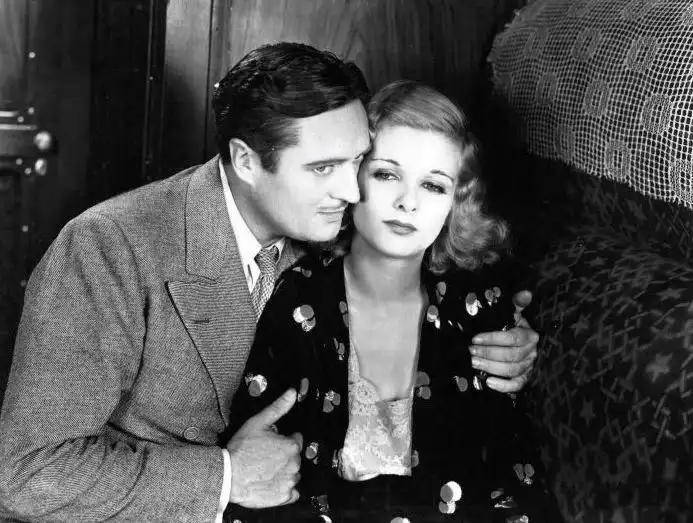
I kept thinking about The Painted Angel while watching this, mostly because of how these early 30s movies tried to mix crime with a weird sort of high-society romance. It doesn't always blend perfectly. Sometimes it tastes like orange juice and toothpaste.
One specific moment that stuck with me: Dakin looks in the mirror after the bandages come off. There’s no music. Just the sound of his breathing. It’s a long shot. He touches his nose and his chin, and you can see the realization that he’s literally lost himself. It’s a bit too long, maybe five seconds too long, but it’s the most 'human' part of the film.
Don't expect a masterpiece. It’s a B-movie with an A-movie premise. It’s the kind of thing you’d find on a late-night TV channel in 1994 and stay up to finish even though you have work the next day.
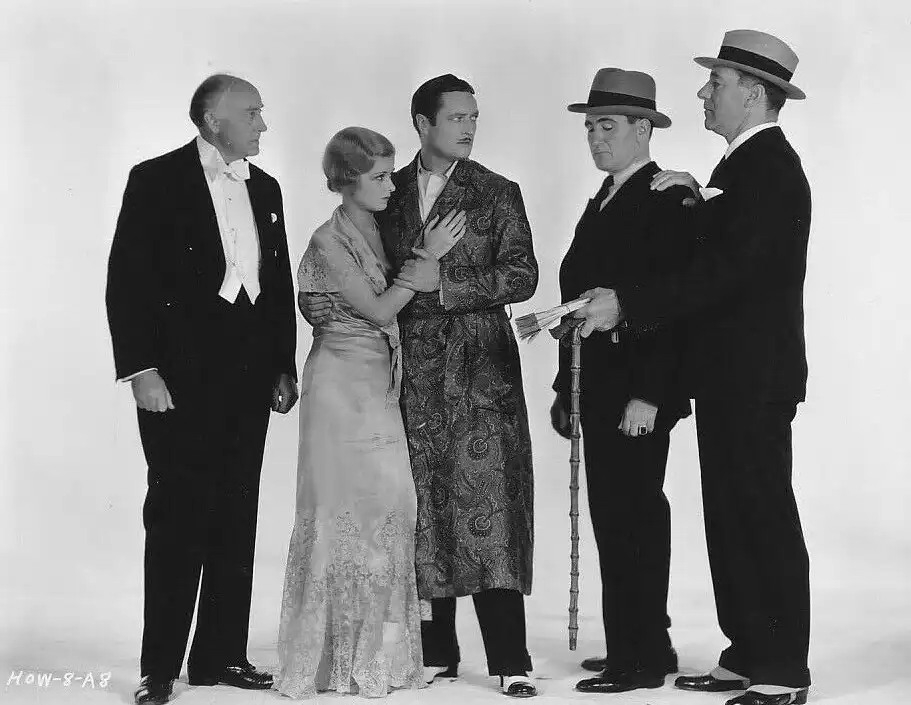
The supporting cast is full of 'Oh, that guy!' actors from the era. Donald Crisp is in there, and he always brings a bit of weight to things. Even when the script is asking him to believe a guy just happened to get a face transplant of his best friend.
Is it realistic? No. Is the plastic surgery scene medically accurate? Absolutely not. But it’s got a lot of heart. And it’s much more interesting than a lot of the stuff that came out a few years later when everything got too polished. It has that raw, experimental energy of a studio trying to figure out what people wanted to hear now that they could actually hear it.
If you're into the history of how we got to modern thrillers, this is a cool stepping stone. Plus, seeing Joan Bennett in her early days is always a treat. She has this way of looking at the camera like she knows the whole plot is ridiculous but she's going to play it straight anyway.
Just don't go in expecting Fabiola levels of scale. This is a small, intimate, and very weird story about a thief who got a second chance because a doctor had a photo and some surgical tools.
IMDb —
1916
Community
Log in to comment.