DbcultAccessing Vault...
5.3/10
Senior Film Conservator
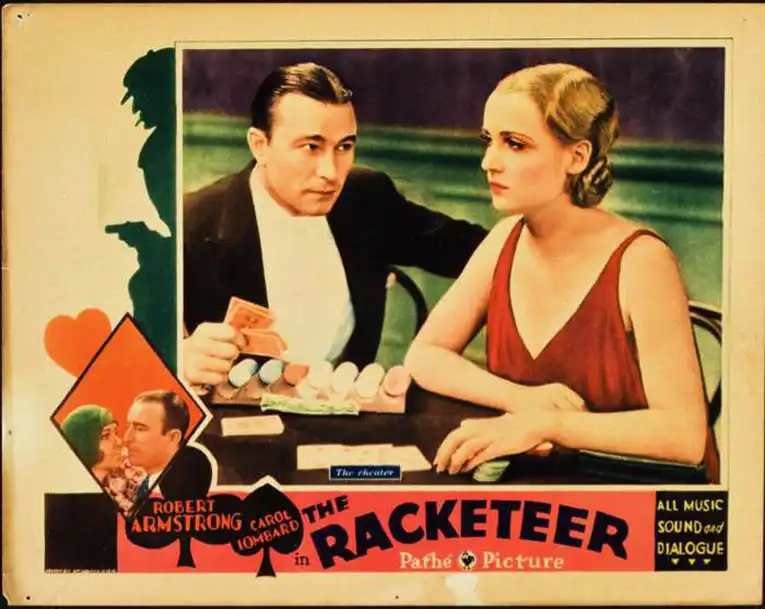
A definitive 5.3/10 rating for a film that redefined the boundaries of cult cinema. The Racketeer remains a cornerstone of transgressive art.
If you have about an hour to kill and you like seeing famous actors before they were actually famous, The Racketeer is worth a look. It is mostly for people who don't mind the hiss and crackle of 1929 audio or the way actors back then used to stand very still so they could talk into a hidden microphone.
If you hate movies that feel like filmed stage plays, you are going to absolutely hate this. But for everyone else, it’s a pretty decent look at how Hollywood was trying to figure out what a 'talkie' was supposed to be.
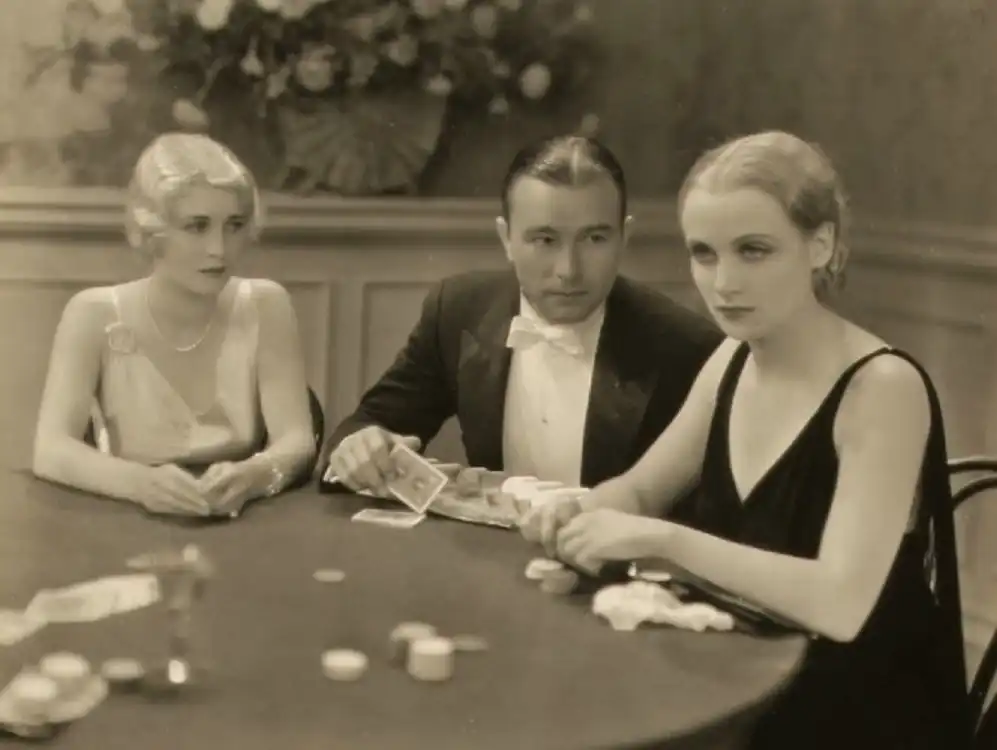
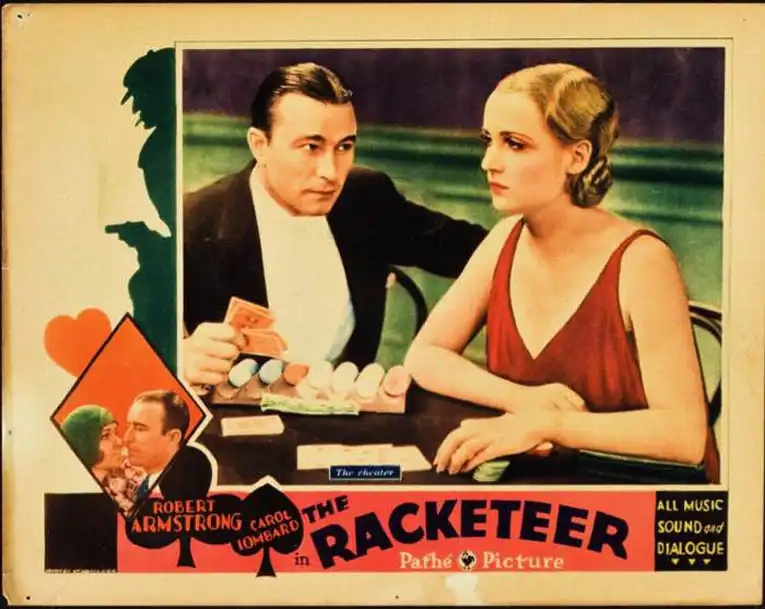
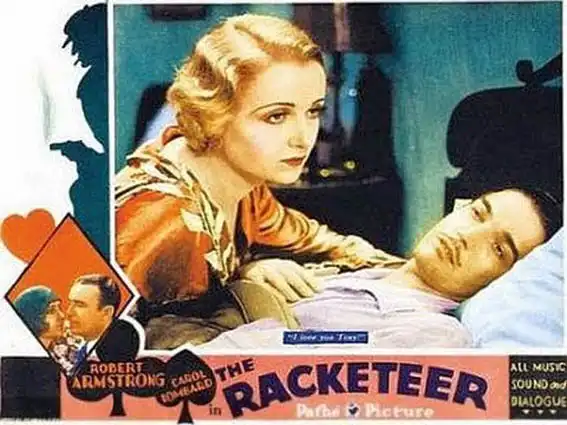
Robert Armstrong plays Mahlon Keane, who is a racketeer with a very shiny head of hair and a tuxedo that looks like it cost more than my first car. He is the kind of 'nice' criminal who only seems to break the law off-camera so we can still like him.
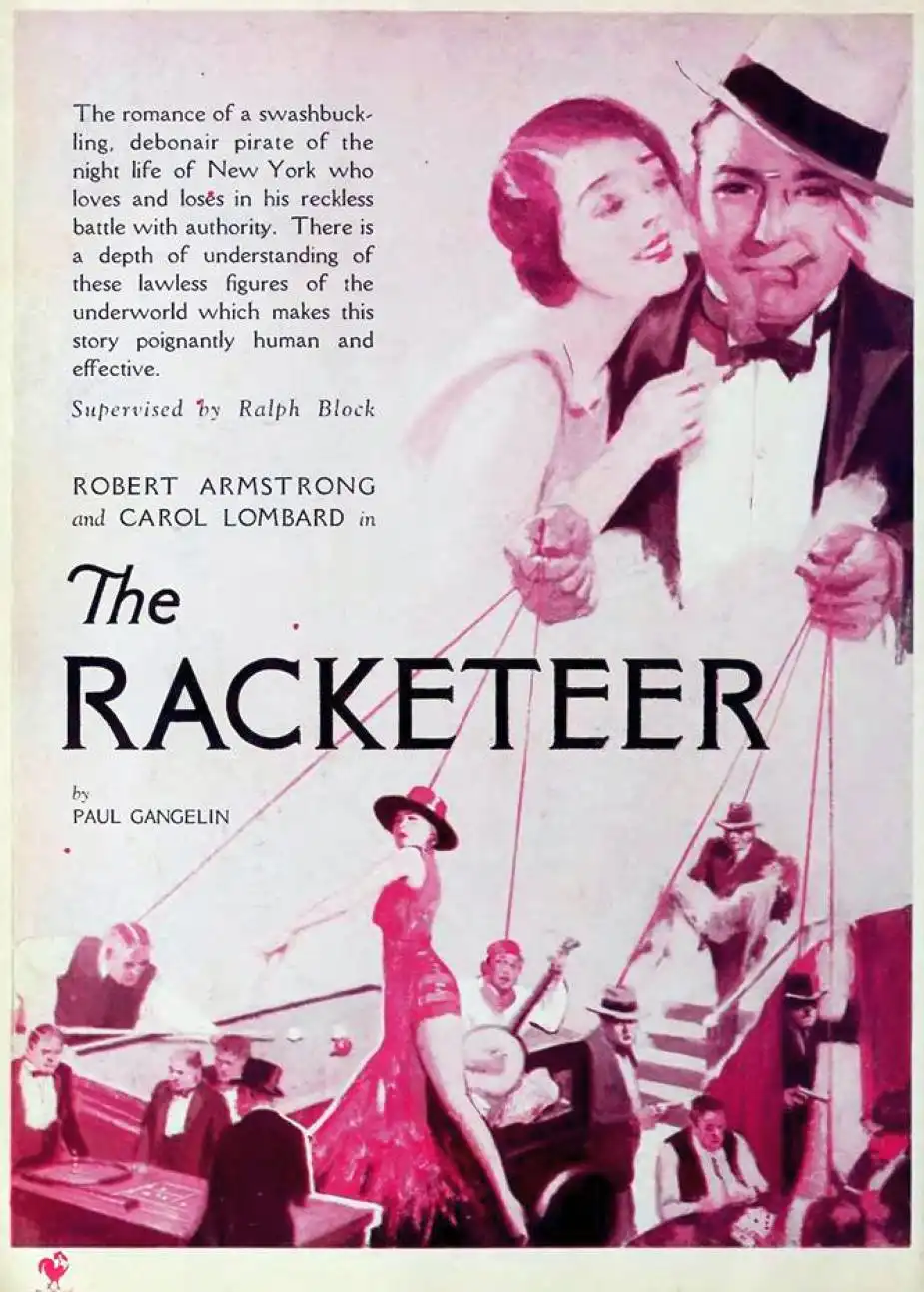
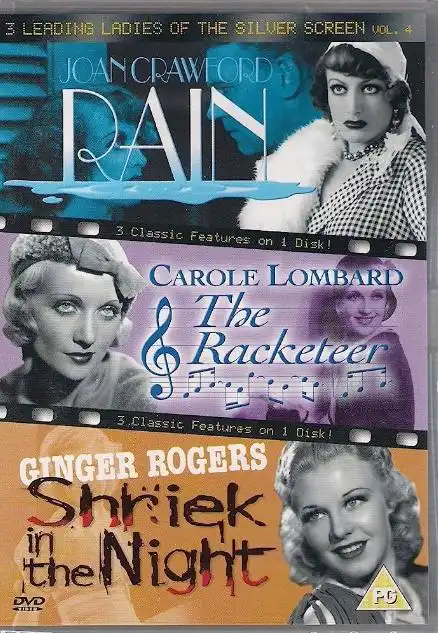
He falls for Rhoda, played by a very young Carole Lombard. This was way before she became the queen of screwball comedy, and you can tell she is still figuring out how to act with her voice instead of just her face. 🎬
The plot is honestly a bit weird. Mahlon wants Rhoda, but Rhoda is worried about this guy Tony, an alcoholic violinist who has basically lost his mind and his talent.
So, what does our gangster do? He decides to fund the violinist's comeback, thinking that if he saves the guy Rhoda loves, she will love him instead. It is a very round-about way to get a date.
The scene where Tony is 'drunk' is maybe my favorite part just because of how over-the-top it is. He leans against things like he’s made of rubber, and it reminds me a bit of the silent acting in The Great Divide from the same year.
There is a lot of standing around in fancy living rooms. You can almost feel the director screaming at them not to move too fast or they'll go out of focus. 🎥
I noticed that in the big party scenes, the background extras just sort of mouth words to each other without making sound. It gives the whole movie a slightly ghostly feeling, like everyone is pretending to be human but forgot how.
Mahlon’s henchmen are also kind of funny because they don't seem particularly dangerous. They mostly just stand in the back and look slightly annoyed, which is how I feel when I'm waiting for a bus. 🚌
The movie is much better when it stops trying to be a romance and remembers it's a crime story. There’s a bit of tension toward the end that actually works, even if the resolution feels like it was written on a napkin five minutes before they filmed it.
I kept thinking about The New York Peacock while watching this, mostly because of how these old movies treated 'bad' women and 'good' criminals. It’s a very specific vibe that died out once the Hays Code started ruining everyone's fun.
One specific thing—Armstrong has this habit of adjusting his cuffs whenever he’s nervous. It is a small detail, and I don't know if he meant to do it, but it made his character feel a lot more real than the script allowed.
The violinist, Tony, is played by Roland Drew, and he is a lot. Every time he picks up the violin, the movie stops dead so we can listen to him play, and it feels like a variety show for a second.
The dialogue is clunky, sure. People say things like "I'm a racketeer, and I'm proud of it!" which nobody has ever said in real life, probably.
But there is something sweet about it. It’s a movie about a guy trying to be better than he is, even if he’s doing it for the wrong reasons. 🎻
I did find myself checking the progress bar around the forty-minute mark. It isn't exactly a thriller, and the middle section drags because of all the talk about 'art' and 'sacrifice.'
If you're looking for something with the energy of The Silent Flyer, you won't find it here. This is a much slower, talkier affair that relies on whether or not you like Robert Armstrong's face.
I think I liked his face. He has this weary look, like he knows the movie is almost over and he’s ready for a drink. 🥃
There is one shot of Lombard near a window that is actually quite beautiful. It makes you realize why she became such a massive star later on; she just glows, even in a grainy 1929 print.
The ending is... well, it’s an ending. It happens very fast and then the 'The End' card pops up before you can really process if anyone learned a lesson.
It’s not a masterpiece, but it’s a good 'Sunday afternoon with a coffee' kind of movie. It doesn't ask much of you, and it gives you a glimpse of a Hollywood that was still trying to find its feet. ☁️
IMDb —
1936
Community
Log in to comment.