DbcultAccessing Vault...
6.4/10
Senior Film Conservator
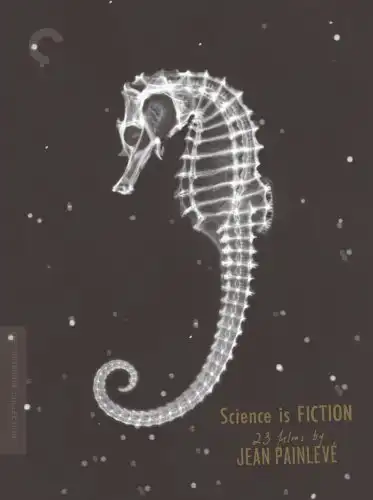
A definitive 6.4/10 rating for a film that redefined the boundaries of cult cinema. Sea Urchins remains a cornerstone of transgressive art.
Okay, so, “Sea Urchins.” If you’re looking for a thrilling narrative or a deep character study, this is absolutely not it. But if you’ve got a quiet afternoon and a real soft spot for observing the tiny, alien wonders of our world, then yeah, you should totally give this a watch. Skip it if you need constant action or are just here for a Hollywood blockbuster feel. This is pure, unadulterated nature observation, almost like a moving scientific sketch. 🐚
Jean Painlevé, who directed this, really knew how to make the microscopic feel huge. Right off the bat, we’re on a beach. Some guy just casually digs up a sand urchin. You know, just pulling it out like it’s no big deal. The way it burrows back into the sand, disappearing almost instantly, is surprisingly quick. It’s a good reminder how much goes on right under our feet, hidden away.
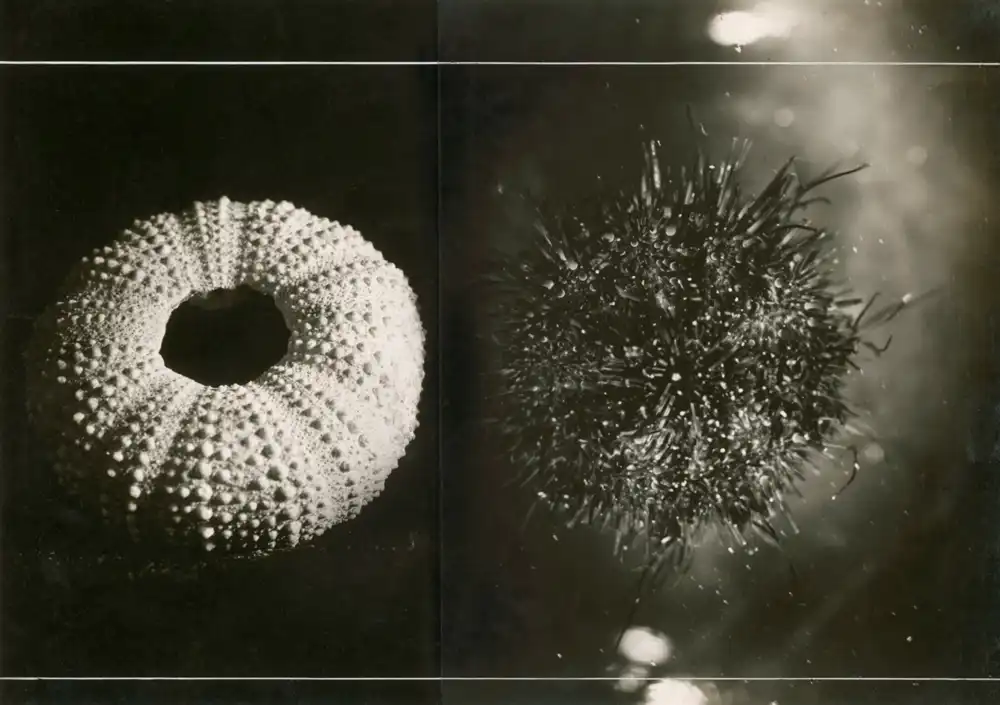
Then we’re suddenly inside the urchin, almost. The narration, or rather, the occasional French title cards, tell us about its intestines. How they just filter nutrients right out of the sand. It’s pretty wild to think about. That’s its whole life: eat sand, live. Simple, really. 🏖️
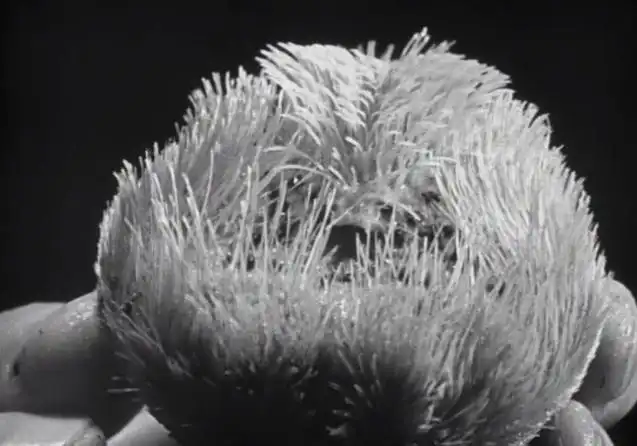
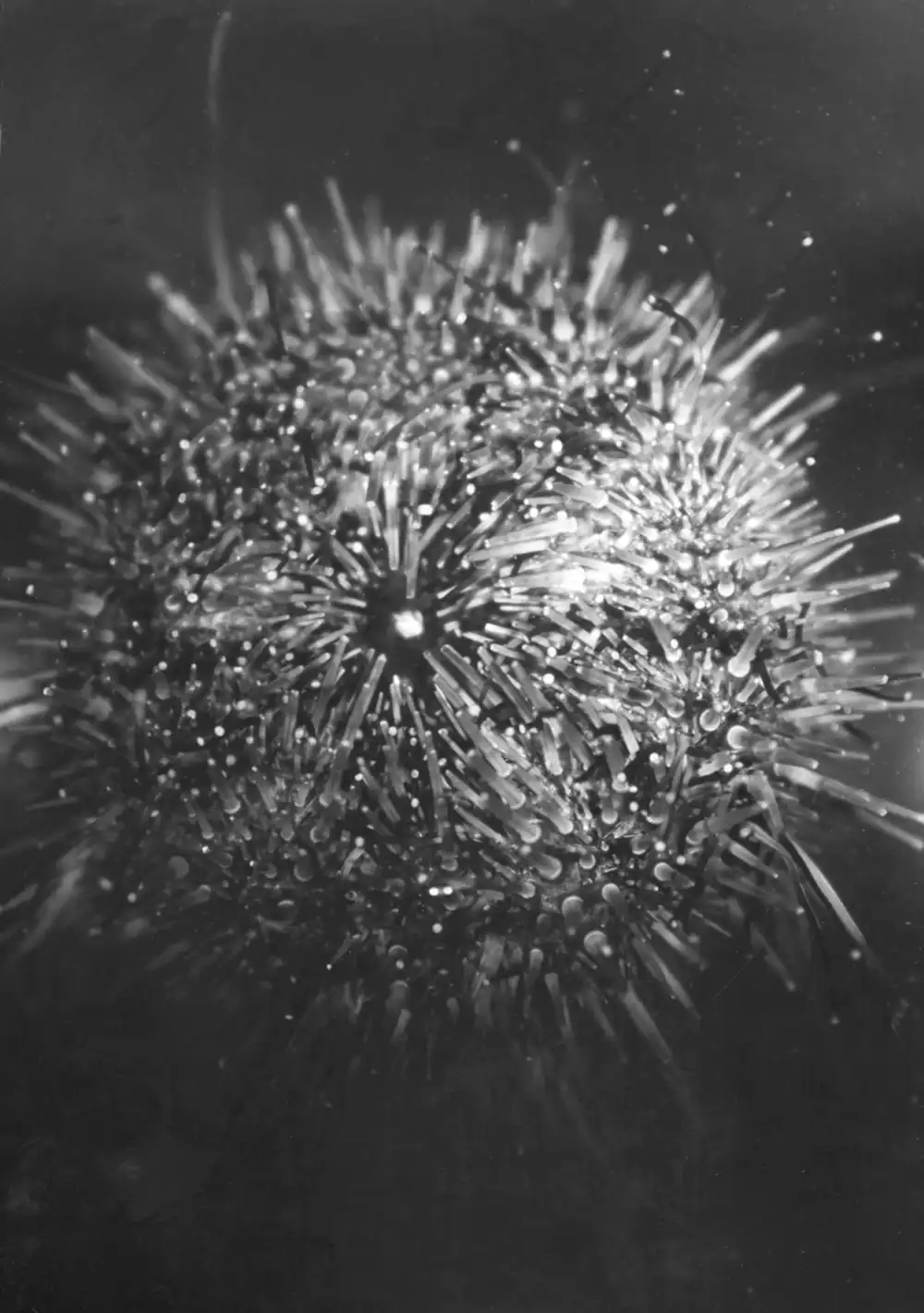
The film shifts gears dramatically when it goes to the rock urchin. And oh boy, the magnification. They say “200,000 times normal size.” That’s just a number until you see it. The spines aren't just pointy sticks; they have these little suckers on the end. A drawing pops up to show how they work, which is super helpful because otherwise, it’d be hard to picture. It's like a tiny, living suction cup army.
And then the rock urchin walks. Not scurries, not glides, but walks. With those spines. It’s surprisingly purposeful. Like a tiny, spiky tank slowly making its way.
The focus on the pedicellaria is another highlight. These "three-fingered jaws" on flexible stems. They just grab bits of algae. It’s not graceful, but it’s efficient. You see it happen up close, and you realize these creatures are built for survival in their specific, rocky world. 🌿
What really sticks with you are the cilia. They’re described as "less than 0.001 ml in length." So, tiny. But their motion is constant, creating these little whirlpools. It’s this unseen ballet of microscopic movement. You can almost feel the water swirling. It really makes you think about how much hidden activity is in every drop of ocean. 🌀
The French titles sometimes feel a little... abrupt. You’re just watching, mesmerized by a microscopic spine, and then BAM, a title. But they do direct your eye, which is probably the point. It’s not a polished nature documentary from today; it has this rawer, more experimental feel.
It wraps up with the setting sun on the shore. A simple, almost poetic end after all that intense, zoomed-in science. It brings you back to the grand scale of the ocean, after being lost in the minutiae. It’s a nice touch, grounding the whole experience.
Honestly, it’s a bit of a niche film. But for anyone curious about the unseen mechanics of life, or just appreciating an early, dedicated dive into scientific filmmaking, it’s quite something. It's definitely not boring if you approach it with the right mindset. You won’t get a story, but you’ll get a peek into a world most of us never even consider. Pretty neat. 👍

IMDb —
1917
Community
Log in to comment.