DbcultAccessing Vault...
Cult Review
Senior Film Conservator
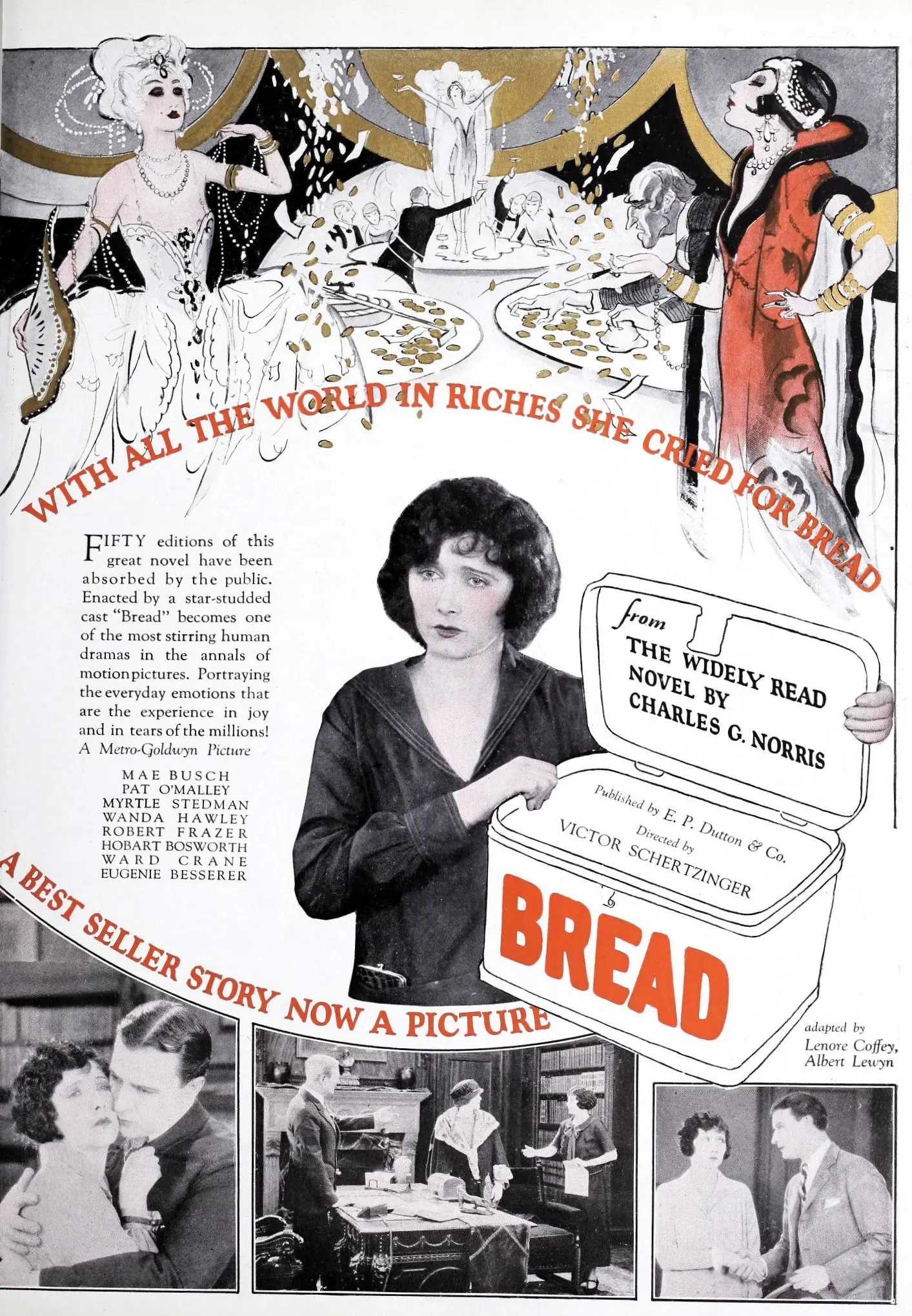
Stepping back into the nascent days of cinematic storytelling, before synchronized sound irrevocably reshaped the medium, one encounters a profound and surprisingly modern narrative in Charles G. Norris's 1924 silent drama, Bread. Far from a mere historical artifact, this film, adapted from Norris's own novel, offers a deeply empathetic and unflinching look at the societal crucible in which women's lives were forged a century ago. It’s a work that, despite its sepia tones and reliance on intertitles, speaks volumes about the perennial struggle between individual aspiration and the gravitational pull of familial duty, economic necessity, and the often-unyielding expectations of a patriarchal society. More than just a tale of two sisters, Bread is a trenchant social commentary, a quiet rebellion, and ultimately, a nuanced exploration of what it means to find fulfillment when choices are often circumscribed by circumstances.

At the heart of Bread lies the poignant contrast between the Sturgis sisters, Alice and Jeanette, brought to life with compelling emotional depth by Wanda Hawley and Mae Busch, respectively. Their mother, portrayed with gravitas by Eugenie Besserer, embodies the wearying burden of early 20th-century womanhood, her declining health casting a long shadow over the household. This familial predicament acts as the initial catalyst, forcing the daughters onto divergent paths that illuminate the limited, yet profoundly impactful, options available to women of the era.
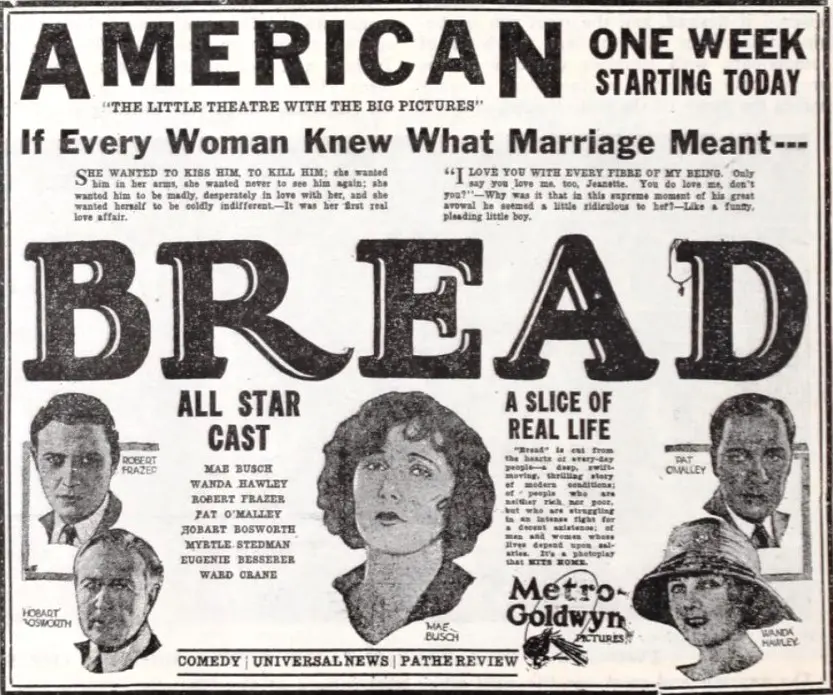
Alice Sturgis, played by Wanda Hawley, chooses the path of quiet, almost stoic, sacrifice. Her decision to marry and embark on immediate motherhood isn't merely a romantic pursuit but a pragmatic response to alleviate the crushing financial and emotional strain on her mother. Her journey is one of conventional virtue, a surrender to the expected role of wife and matriarch. Hawley imbues Alice with a gentle resilience, a portrayal that speaks to the countless women who found purpose and dignity within the confines of domesticity, even if it meant foregoing personal dreams. Her narrative serves as a poignant reminder of the selflessness often demanded of women, a sacrifice framed as noble, yet undeniably limiting. It's a portrayal that, while perhaps less overtly dramatic than her sister's, carries its own weight of quiet heroism and the profound commitment to family.
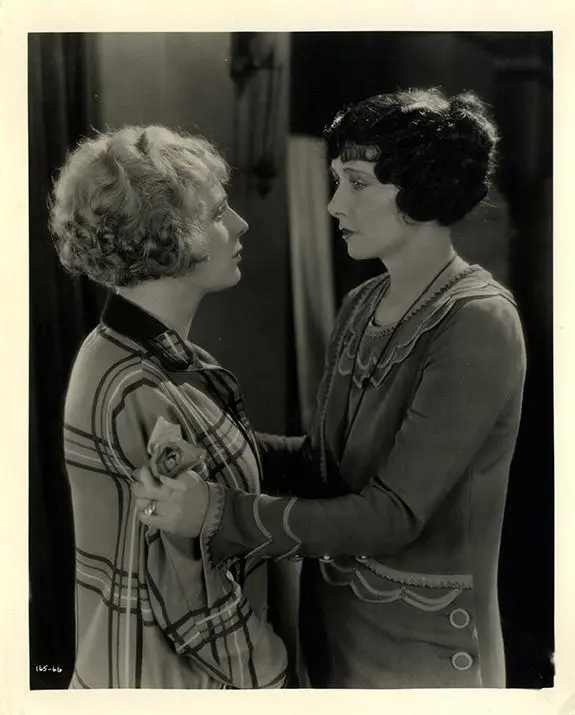
In stark contrast, Jeanette Sturgis, brought to vivid life by the remarkable Mae Busch, epitomizes the burgeoning spirit of female independence that was tentatively emerging in the 1920s. Busch's Jeanette is spirited, ambitious, and initially determined to forge her own path beyond the confines of matrimony. Her choice to become a stenographer is a declaration of autonomy, a bid for intellectual and economic self-sufficiency in a world that largely expected women to transition from their father's home to their husband's. Busch captures the vibrant energy of a woman yearning for more, for a life defined by her own choices, rather than dictated by tradition or necessity. Her early scenes resonate with a proto-feminist spark, showcasing a desire for a career and a life lived on her own terms, a stark departure from Alice's more conventional trajectory.
IMDb 5.3
1934
Community
Log in to comment.