DbcultAccessing Vault...
Cult Review
Senior Film Conservator
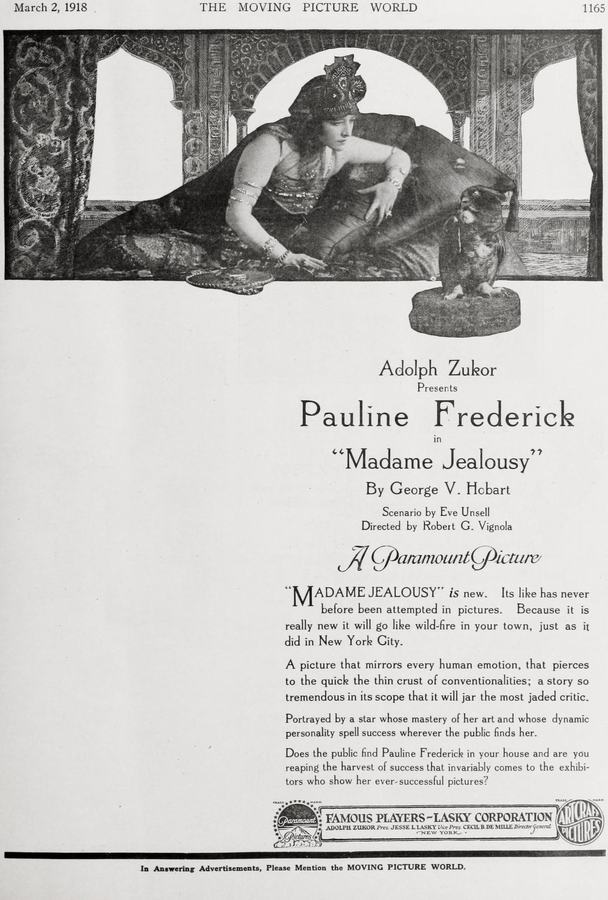
Stepping back into the silent era, one often encounters narratives that, despite their lack of spoken dialogue, resonate with an emotional depth and allegorical potency that transcends the limitations of their form. Such is the case with Madame Jealousy, a cinematic exploration of human vulnerability and the destructive power of envy, crafted with a poetic sensibility that feels both archaic and strikingly modern. This isn't merely a story; it's a morality play, a psychological dissection of a marriage under siege, rendered through the expressive canvas of early 20th-century filmmaking. It invites us to ponder the unseen forces that shape our destinies, often personified in this compelling drama, making the abstract tangibly menacing.
The film commences with an almost idyllic vision: the union of Charm, portrayed with an ethereal grace by Isabel O'Madigan, and Valor, embodied with earnest conviction by Charles Wellesley. Their love story, initially a beacon of marital felicity, is quickly shadowed by the malevolent presence of Madame Jealousy herself, brought to life with chilling efficacy by Marcia Harris. This isn't some petty rival or a fleeting emotion; Jealousy is a sentient, calculating force, a master manipulator whose sole purpose is to unravel the fabric of their happiness. Her machinations are insidious, striking at the very core of trust and fidelity. One of her initial, most devastating acts is to orchestrate the discovery of an old photograph – a spectral memento of Valor's past affection for a woman named Forgotten. This seemingly innocuous relic becomes a potent poison, sowing seeds of doubt and insecurity within Charm's heart, a testament to how easily a cherished past can become a weapon in the hands of malice.
The brilliance of Madame Jealousy lies in its allegorical framework. Each character, from the protagonists to the supporting players, embodies a concept, transforming the narrative into a universal struggle. As Jealousy's tendrils tighten, Valor is subtly swayed into mistrusting Charm, a cruel irony given their initial devotion. The ensuing emotional chasm forces the couple apart, sending them reeling back into the influence of their respective familial archetypes. Valor finds himself ensnared by his parents, Finance and Display, figures who likely represent the societal pressures of wealth and superficial appearances, diverting him from genuine emotional connection. Meanwhile, Charm retreats to her own parents, Commerce and Pride, where she is left to languish in the desolate company of Sorrow. This segment of the film powerfully illustrates how external, often materialistic, influences can exacerbate personal heartache, drawing parallels to the complex family dynamics explored in films like A Little Brother of the Rich, where wealth and social standing often dictate personal relationships and moral choices. The stark contrast between the initial purity of Charm and Valor's love and their subsequent entanglement in these abstract, often corrupting, family environments is genuinely poignant.
The descent into despair is meticulously charted. While Charm is consumed by Sorrow, Valor falls prey to another of Jealousy's dark agents: Treachery. Lured to a disreputable roadhouse, Valor's moral compass begins to spin wildly off course. The film doesn't shy away from depicting his escalating recklessness, culminating in a truly shocking moment when he strikes his own father, Finance, with a bottle. This act of filial defiance is a visceral representation of how far one can fall under the sway of negative influences, a poignant echo of the generational conflicts and moral failings sometimes depicted in dramas such as The Son of His Father. The emotional weight of this scene, delivered without a single spoken word, relies entirely on the actors' physicality and the audience's empathic understanding of the allegorical struggle unfolding. The tension is further heightened by the concurrent 'financial battle' brewing between the two sets of parents, underscoring how personal anguish often intertwines with broader societal or economic conflicts, creating a multi-layered tapestry of woe.
Just as the narrative threatens to plunge into irredeemable tragedy, a powerful, redemptive force emerges: the birth of Charm and Valor's child, aptly named Happiness. This innocent arrival acts as a miraculous catalyst, a beacon of pure, unadulterated joy that cuts through the manufactured animosity and despair. Happiness, with its very existence, reminds Charm and Valor of the profound connection they once shared and the potential for renewal. This pivotal moment beautifully illustrates the idea that genuine love and innocence possess an inherent power to heal and reconcile, even in the face of overwhelming adversity. The child’s presence serves as a stark contrast to the destructive forces that have plagued their marriage, much like a ray of sunshine piercing through dense storm clouds. It's a classic cinematic trope, yet handled here with an earnestness that feels deeply moving, affirming the timeless power of new life to inspire hope and forgiveness.
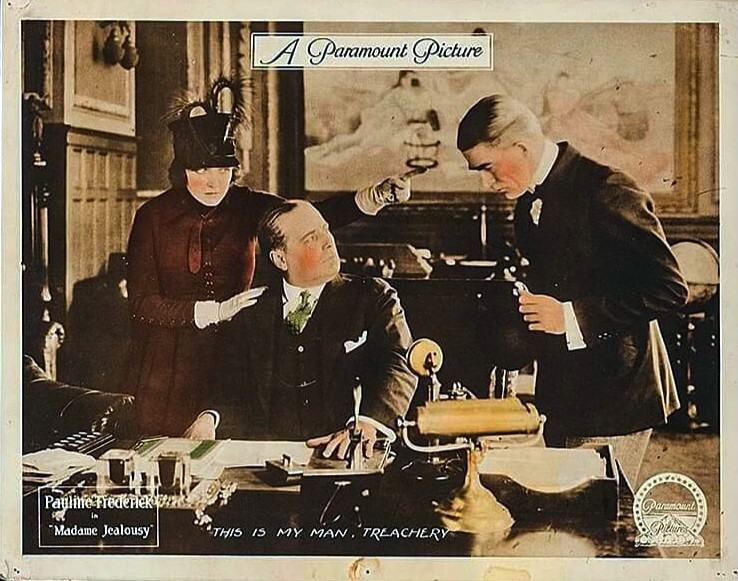
The culmination of this allegorical journey sees the banishment of Madame Jealousy and her nefarious entourage: Mischief, Treachery, and Rumor. Their defeat signifies not just the restoration of a marriage, but the triumph of inherent goodness over corrosive malice. This resolution, while perhaps appearing straightforward, is deeply satisfying because it’s hard-won. The film doesn't suggest that overcoming such powerful forces is easy, but rather that it requires a profound shift, often catalyzed by something as pure and undeniable as the birth of a child. The final scenes resonate with a sense of catharsis, a collective sigh of relief as the toxic miasma lifts, leaving behind a fragile, yet enduring, sense of harmony. It reminds us that while the forces of discord may be potent, they are not invincible, especially when confronted with the purity of true affection and the undeniable presence of joy. The film, in its profound simplicity, delivers a message that remains eternally relevant: the human spirit's capacity for redemption and the enduring power of love to conquer even the most formidable adversaries.
The genius of Madame Jealousy, beyond its compelling narrative, lies in its masterful execution within the constraints of silent cinema. The film relies heavily on visual storytelling, exaggerated gestures, and evocative intertitles to convey the intricate emotional landscape. The actors, particularly Marcia Harris as Madame Jealousy, deliver performances that are grand and theatrical, yet remarkably effective in communicating abstract concepts. Harris's portrayal isn't merely a woman consumed by envy; she embodies the very essence of jealousy, her expressions and movements radiating a palpable malevolence. This requires a nuanced understanding of silent acting, where every flicker of an eye, every curl of a lip, every dramatic sweep of an arm must carry the weight of dialogue. Charles Wellesley and Isabel O'Madigan, as Valor and Charm, navigate a spectrum of emotions from blissful affection to profound despair, their faces becoming the primary conduits for their characters' internal turmoil. The physical separation, the yearning glances, the subtle shifts in posture – all contribute to a rich tapestry of non-verbal communication that draws the audience deeply into their plight. Their performances, while adhering to the conventions of the era, manage to convey a surprising depth of psychological realism, allowing us to feel the slow erosion of their bond.
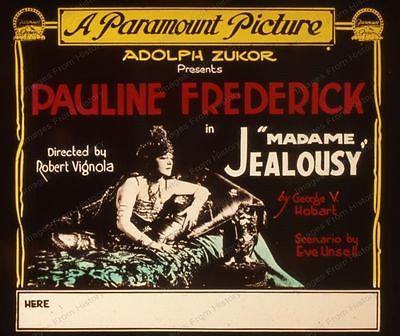
The direction, presumably a collaborative vision given the writers George V. Hobart and Eve Unsell's involvement, maximizes the visual potential of the story. While we might not have the elaborate set pieces or dynamic camerawork of later eras, the film effectively uses framing and composition to underscore the emotional states. The starkness of Charm's isolation with Sorrow, contrasted with the chaotic energy of Valor's descent into the roadhouse, speaks volumes. The use of symbolism, a hallmark of allegorical tales, is subtly woven into the visual fabric. The old photograph, for instance, isn't just a prop; it's a potent symbol of forgotten love becoming a destructive force. The film's aesthetic may seem rudimentary by today's standards, yet its ability to elicit powerful emotional responses through purely visual means is a testament to the artistry of early filmmakers. It’s a compelling reminder that the essence of storytelling transcends technological advancements, relying instead on universal themes and resonant characterizations. This approach to visual narrative, where every frame is laden with meaning, shares a kinship with other silent-era dramas that sought to explore complex human emotions without the crutch of dialogue, much like As in a Looking Glass, which delved into introspection through visual metaphor.
At its core, Madame Jealousy is a profound meditation on the destructive nature of jealousy itself. It portrays envy not as a fleeting emotion, but as an active, insidious entity capable of dismantling the strongest bonds. The film argues that jealousy doesn't just hurt the object of its ire; it corrupts the very soul of the one who harbors it and, more broadly, poisons the entire ecosystem of relationships around it. This timeless theme resonates deeply, as the insidious power of jealousy remains a prevalent force in human interactions, whether in personal relationships or larger societal contexts. The film’s decision to personify Jealousy allows for a more direct and impactful exploration of its effects, stripping away the psychological complexities to reveal its raw, corrosive power. It's a stark warning against allowing such a destructive emotion to take root, showing how it can transform love into suspicion, and trust into betrayal.
Beyond jealousy, the film delves into the fragility of trust and the devastating impact of doubt. Charm's discovery of the photograph, amplified by Jealousy's whispers, shatters her faith in Valor. Similarly, Valor's subsequent mistrust of Charm highlights how easily suspicion can be manufactured and how quickly it can erode the foundations of a relationship. The narrative masterfully demonstrates that once trust is broken, even by external manipulation, the path to reconciliation is arduous and often requires an external, almost miraculous, intervention. This exploration of betrayal and its aftermath finds echoes in other dramas of the period, such as Blood Will Tell, which also grappled with the profound consequences of deceit and the struggle for truth. The film teaches us that trust is a delicate construct, easily shattered, and incredibly difficult to rebuild, underscoring the preciousness of fidelity in any meaningful bond.
The role of societal pressures, personified by the parents Finance, Display, Commerce, and Pride, adds another layer of thematic richness. These figures represent the external forces that often interfere with personal happiness, whether through materialistic expectations, social standing, or ingrained pride. Their 'financial battle' symbolizes the broader conflicts that can engulf individuals, pulling them away from their emotional core and into a world of transactional values. The film suggests that true happiness cannot thrive under the oppressive weight of such external demands, and that escaping their influence is crucial for genuine emotional well-being. This aspect of the narrative offers a subtle critique of societal values that prioritize wealth and status over love and compassion, a theme that remains relevant in contemporary discussions about work-life balance and the pursuit of material gain over personal fulfillment. The influence of these abstract parental figures on Charm and Valor’s individual descents is a powerful commentary on how external expectations can warp internal realities.
Ultimately, Madame Jealousy is a journey from despair to hope, culminating in the redemptive power of innocence. The birth of Happiness is not just a plot device; it's a symbolic rebirth for the couple, a tangible manifestation of the pure love they once shared. This child represents the potential for new beginnings, for forgiveness, and for the triumph of goodness over the forces of darkness. It's a poignant reminder that even in the bleakest moments, hope can emerge from unexpected places, offering a path towards healing and reconciliation. This theme of innocence as a catalyst for redemption is a timeless one, often found in narratives across various cultures and eras, providing a comforting affirmation of humanity's capacity for renewal. The film's conclusion, while offering a clear resolution, leaves the audience with a sense of the fragility of happiness and the constant vigilance required to protect it from the insidious machinations of jealousy and its ilk.
Released during the nascent years of cinema, Madame Jealousy stands as a fascinating example of early filmmaking's ambition to tackle complex psychological and moral themes. The silent era, often characterized by melodrama and spectacle, also provided a fertile ground for allegorical narratives that sought to impart moral lessons or explore universal human conditions. The film's reliance on personified abstractions was a common storytelling technique in literature and theater of the time, and its translation to the screen speaks to the early filmmakers' eagerness to adapt established narrative forms to the new medium. While not as widely remembered as some blockbusters of its time, its artistic merit lies in its bold thematic scope and its effective use of silent film conventions to convey a deeply human story. It's a testament to the creativity and ingenuity of figures like George V. Hobart and Eve Unsell, who crafted stories that resonated with audiences of their day and continue to offer insights into human nature even now.
Comparing Madame Jealousy to other films of its period further illuminates its unique qualities. While films like Wildflower might have focused on more straightforward romantic dramas, Madame Jealousy elevates its narrative to a higher, more philosophical plane. It shares a certain thematic intensity with dramas like Beyond the Wall, delving into the emotional confines and struggles of its characters, but it distinguishes itself through its overt allegorical structure. The film's portrayal of external forces actively meddling in human affairs also brings to mind the dramatic interference seen in The Magnificent Meddler, though Madame Jealousy imbues its meddlers with a more abstract, universal evil. Its legacy, though perhaps understated, lies in its contribution to the evolving language of cinema, demonstrating how a film without dialogue could still articulate profound truths about love, betrayal, and the enduring human quest for happiness.
In conclusion, Madame Jealousy is more than just a historical curiosity; it is a compelling piece of cinematic art that speaks to the timeless struggle against internal and external forces threatening our most cherished relationships. Its allegorical depth, coupled with the expressive performances of its cast and the evocative visual storytelling, makes it a powerful experience even for contemporary viewers. It serves as a potent reminder that while the forms of storytelling may evolve, the fundamental human dramas—love, loss, betrayal, and redemption—remain eternally compelling, capable of transcending the barriers of time and technology. This film, in its quiet power, invites us to reflect on the 'madame jealousies' that may lurk in our own lives, and the 'happiness' that, with vigilance and love, can always find its way back home.
IMDb —
1928
Community
Log in to comment.