DbcultAccessing Vault...
4.8/10
Senior Film Conservator
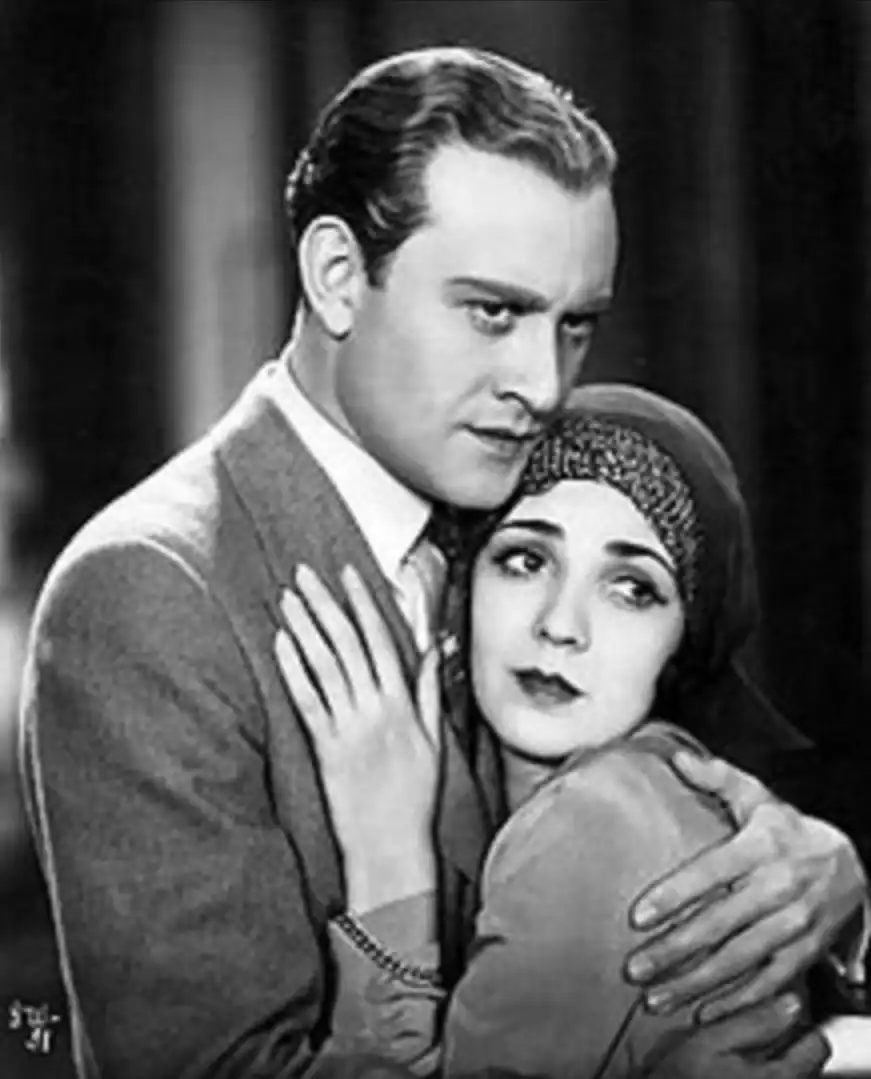
A definitive 4.8/10 rating for a film that redefined the boundaries of cult cinema. Second Wife remains a cornerstone of transgressive art.
If you are looking for something to watch tonight and you happen to love movies where everyone is extremely stressed out, then maybe put this on. It is a 1930s drama called Second Wife and it feels exactly like the title sounds.
It is worth watching if you are into film history or early talkies where the actors still don't quite know where to stand so the microphone can hear them. If you hate slow stories where people argue in living rooms for sixty minutes, you will probably hate this one.
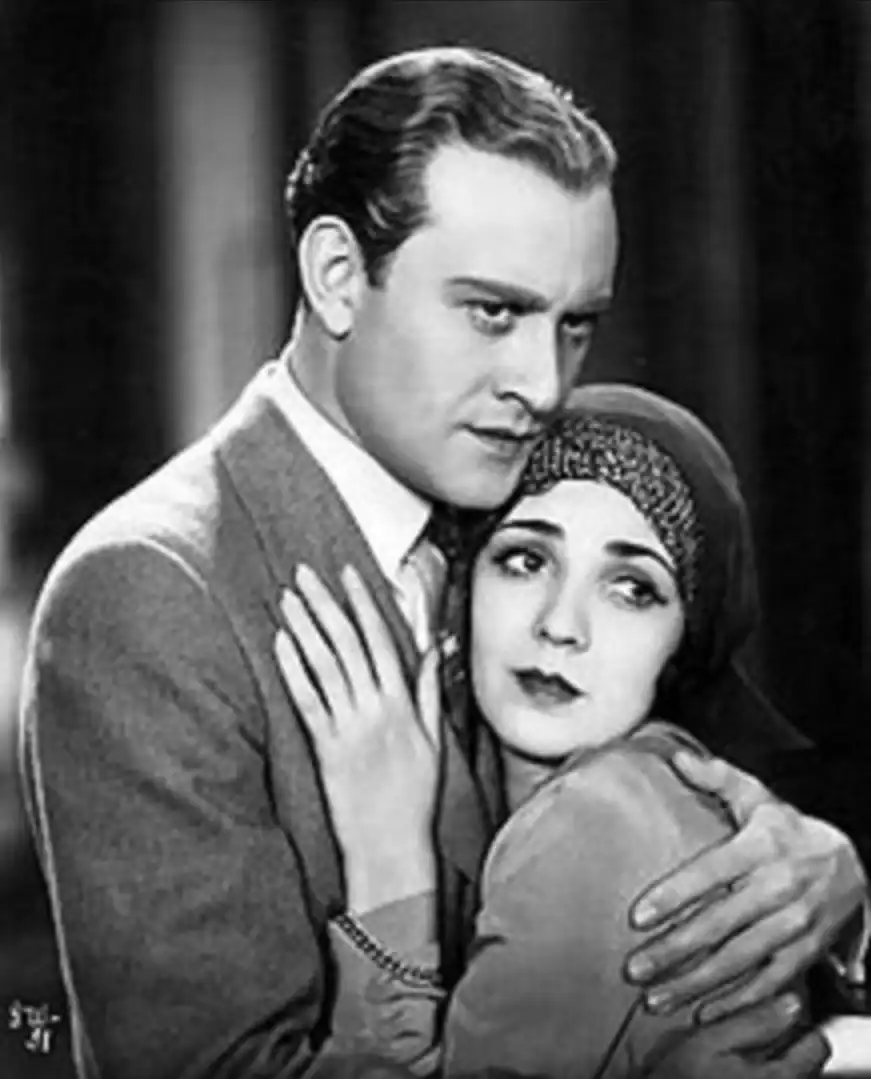
The whole plot is basically a big guilt trip. Conrad Nagel plays Walter, a guy who is trying to start over with a new wife named Florence, played by Lila Lee.
Everything is going okay until Walter gets a telegram. His young son from his first marriage is dying of typhoid fever in another country.
Now, usually, you would think the new wife would be supportive, right? But Florence is pregnant and she is not having it.
She gets really upset that he wants to leave her to go be with his kid. It sounds mean when you say it out loud, but the movie tries to make you see her side of it too.
I watched this while eating some leftover pizza and I kept thinking about how loud the silence is in these old movies. There is no background music, just the hiss of the film and the sound of someone’s shoes clacking on the floor.
It makes the arguments feel way more awkward than they probably intended. Like, they are shouting at each other but it feels like they are shouting in a library.
Lila Lee spends a lot of time looking out of windows. She has these very large, expressive eyes that look like they belong in a silent movie, which makes sense since this was right at the transition period.
There is a scene where she is sitting on a sofa and the lighting is just... weird. Half of her face is in total darkness and the other half is glowing like a lightbulb.
I don't know if they meant for it to look like she had a split personality or if the lighting guy just had a bad day. It’s those little things that make these old flicks so fun to pick apart.
Conrad Nagel is fine as the husband, I guess. He has a very stiff way of moving, like he is wearing a suit that is two sizes too small for him.
He seems like a nice enough guy, but he’s stuck in the middle of a mess. You can tell he really wants to go see his kid, but he doesn't want to lose his new wife either.
The kid, played by Freddie Burke Frederick, is actually not as annoying as most child actors from 1930. He looks genuinely sick, which is a bit depressing to be honest.
I think the writers, Hugh Herbert and Bert Glennon, were trying to make a point about how hard it is to blend families. They didn't call it "blended families" back then, but that is what it is.
It reminds me a little bit of The Day She Paid in the way it handles domestic drama. It’s all about choices and the price you pay for them.
There is a moment where a door closes and the sound effect is so loud it sounds like a cannon going off. I actually jumped in my seat a little bit.
Early sound technology was really something else. It’s either whisper quiet or BOOM.
The pacing is a bit of a slog in the middle. They talk a lot about things they have already talked about.
I found myself wondering about the house they live in. It has these massive curtains that look like they haven't been dusted since the 1800s.
Mary Carr is in this too, and she’s always good at playing the motherly types. She has a way of looking at people that makes them feel guilty without her saying a word.
If you like this kind of thing, you might also want to check out Money to Burn or even All at Sea for a different vibe from that era.
Is it a masterpiece? No, definitely not. It's a bit of a soap opera, really.
But there is something very human about the conflict. Even if the acting is a bit theatrical and the dialogue is cheesy, you can feel the stress of the characters.
The ending comes up pretty fast. It feels like they realized they only had five minutes of film left and had to wrap everything up with a bow.
I won't spoil it, but it's very "1930s moral code" stuff. Everything has to be resolved in a way that makes the audience feel okay about going home.
One thing I noticed is how often they smoke. Everyone is constantly lighting up a cigarette while they talk about their feelings.
It’s a wonder they could even see each other through the clouds of smoke in those small rooms. It adds a bit of atmosphere, I suppose.
The movie doesn't really have a lot of visual flair. The camera mostly just sits there and watches people talk.
It feels like a recorded stage play most of the time. But sometimes, that’s all you need if the drama is high enough.
I think this is a good movie to watch if you want to see how much things have changed, and also how much they haven't. People are still getting into these same arguments today, just without the telegrams.
Overall, it’s a solid 6 out of 10 for me. It’s not going to change your life, but it’s an interesting way to spend an hour.
Just don't expect any car chases or big action scenes. It is all about the feelings, man.
Also, watch out for the scene with the telephone. It’s surprisingly tense for a movie about people standing still.
If you enjoy these kinds of relics, you might also find The Traitor interesting, though it’s a bit different in tone. Anyway, that’s my take on Second Wife. It’s a bit of a mess, but it’s a real mess.
IMDb —
1914
Community
Log in to comment.