DbcultAccessing Vault...
Cult Review
Senior Film Conservator
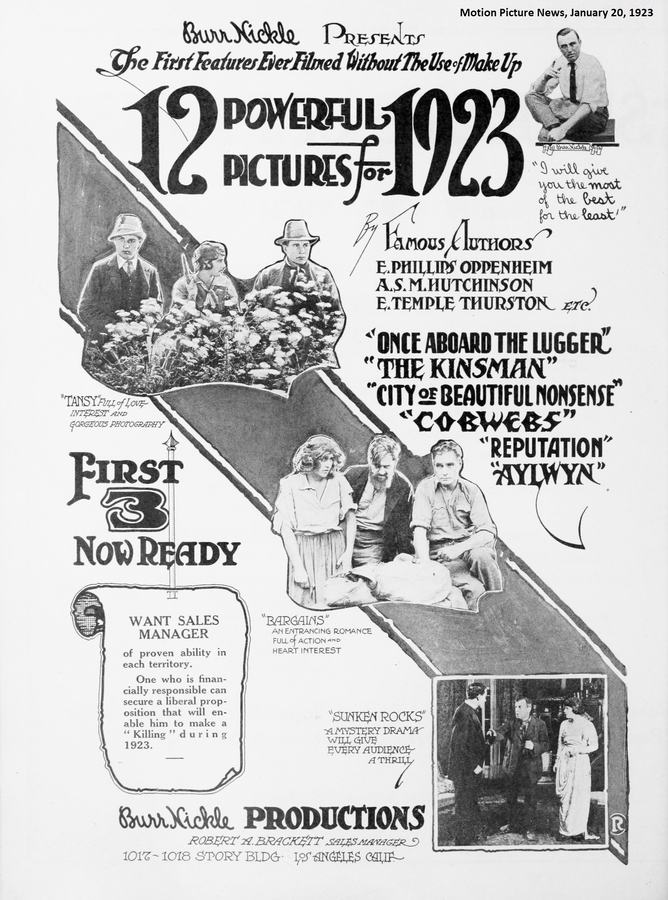
The cinematic landscape of Mrs. Erricker's Reputation is a rich tapestry woven from the intricate threads of human relationships, moral compromise, and the unrelenting pursuit of protecting one's loved ones. As the story unfolds, the audience is introduced to a widow, played by the talented Gwynne Herbert, whose unwavering determination to safeguard her sister-in-law's virtue sets off a cascade of events that threatens to upend the very fabric of their existence. This narrative choice resonates deeply, echoing the themes of sacrifice and loyalty found in films like The Girl with No Regrets and Bjørnetæmmeren.
The cast, which includes James Carew, Gerald Ames, Eileen Dennes, and Alma Taylor, delivers performances that are as nuanced as they are compelling, bringing depth and complexity to the story. The writers, Thomas Cobb and Blanche MacIntosh, have crafted a narrative that not only explores the multifaceted nature of loyalty and sacrifice but also delves into the weight of societal expectations and the enduring power of familial bonds. This balance of themes and character development is reminiscent of Loot and Audrey, where the interplay between characters and their societal context drives the plot forward.
As the story progresses, the audience is invited to reflect on the moral compromises that the characters must make to protect their loved ones. This theme of moral compromise is a common thread in many films of the era, including Leah Kleschna and Together, where the protagonists must navigate complex ethical dilemmas. In Mrs. Erricker's Reputation, this exploration is particularly poignant, as it highlights the difficult choices that individuals must make to uphold their personal values and protect those they care about.
The film's use of setting and atmosphere also plays a significant role in shaping the narrative and the characters' experiences. The contrast between the tranquility of the characters' personal lives and the turmoil that arises from their attempts to protect each other is a powerful commentary on the human condition. This juxtaposition of serenity and chaos is a technique also employed in films like Broadway Arizona and The Girl in Number 29, where the setting serves as a character in its own right, influencing the plot and the characters' motivations.
Furthermore, Mrs. Erricker's Reputation offers a fascinating glimpse into the societal norms and expectations of the time. The film touches on themes of reputation, virtue, and the role of women in society, all of which are handled with a sensitivity and depth that is noteworthy. This exploration of societal norms is also present in Das amerikanische Duell and A Girl of the Timber Claims, where the characters must navigate the constraints and expectations placed upon them by their communities.
In addition to its thought-provoking themes and engaging storyline, Mrs. Erricker's Reputation also boasts a strong technical foundation. The cinematography is evocative, capturing the mood and atmosphere of each scene with precision. The editing is seamless, guiding the viewer through the narrative with a deft touch that enhances the overall impact of the story. This technical proficiency is on par with films like Fate's Frame-Up and Doctor Neighbor, where the technical aspects of filmmaking are used to elevate the story and immerse the audience in the world of the film.
In conclusion, Mrs. Erricker's Reputation is a film that lingers in the mind long after the credits roll. Its exploration of human relationships, moral compromise, and the power of familial bonds is both nuanced and compelling. For viewers who appreciate character-driven dramas that challenge and engage, this film is certainly worth watching. It stands alongside other memorable films of the genre, such as Leave It to Susan, as a testament to the enduring power of storytelling in cinema.

IMDb 6.9
1933
Community
Log in to comment.