DbcultAccessing Vault...
6.3/10
Senior Film Conservator

A definitive 6.3/10 rating for a film that redefined the boundaries of cult cinema. Seeing the World remains a cornerstone of transgressive art.
Short answer: Yes, if you crave unapologetic slapstick. No, if you expect character depth. This film is a time capsule of pre-Code chaos, where physical comedy reigns supreme and cultural references age unevenly. The opening sequence at Naples' port—where Farina accidentally launches a watermelon into a tourist's luggage—sets the tone perfectly. It works because the sheer velocity of jokes keeps you entertained. It fails because the characters feel like punchline placeholders. Watch it if you enjoy The Idle Rich's brand of manic farce, but skip if you prefer layered narratives.
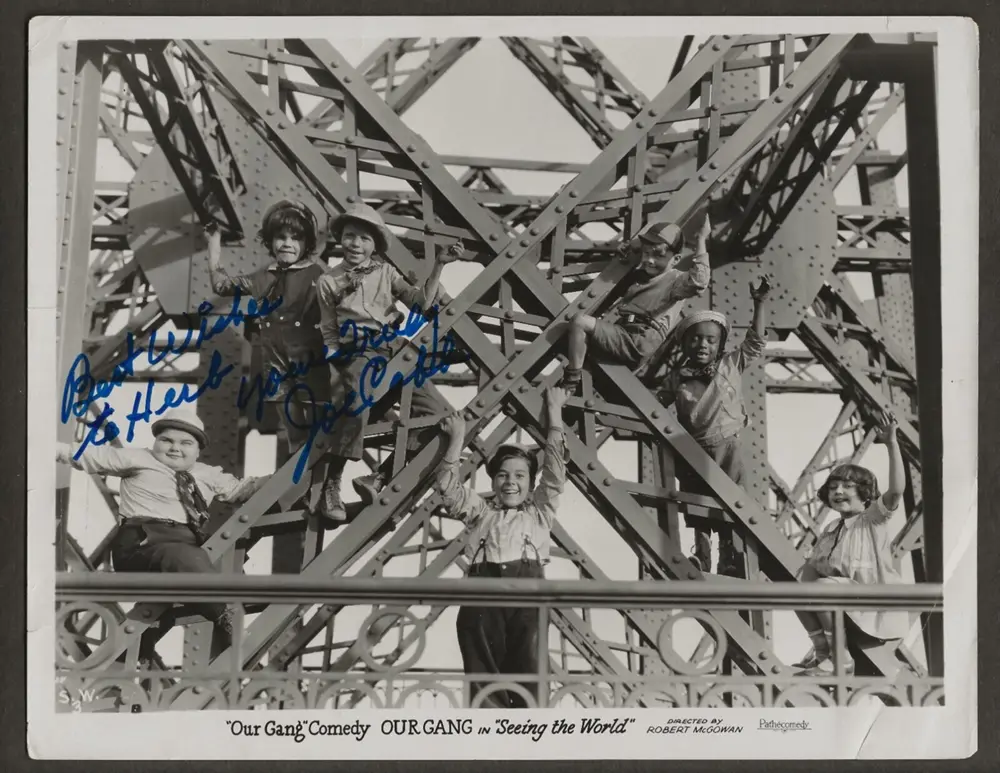
...it weaponizes chaos with precision. Director H.M. Walker understands that slapstick needs rhythm—note the Eiffel Tower scene where Farina's misplaced fireworks create a comedic crescendo that peaks with a fire alarm. The editing (especially the cross-cutting between Farina's antics and the teacher's growing exasperation) creates tension that feels surprisingly modern for 1930s cinema. The Marseille sequence, where the gang accidentally replicates a postcard scene with chaotic accuracy, reveals a sharp critique of tourism's performative nature.
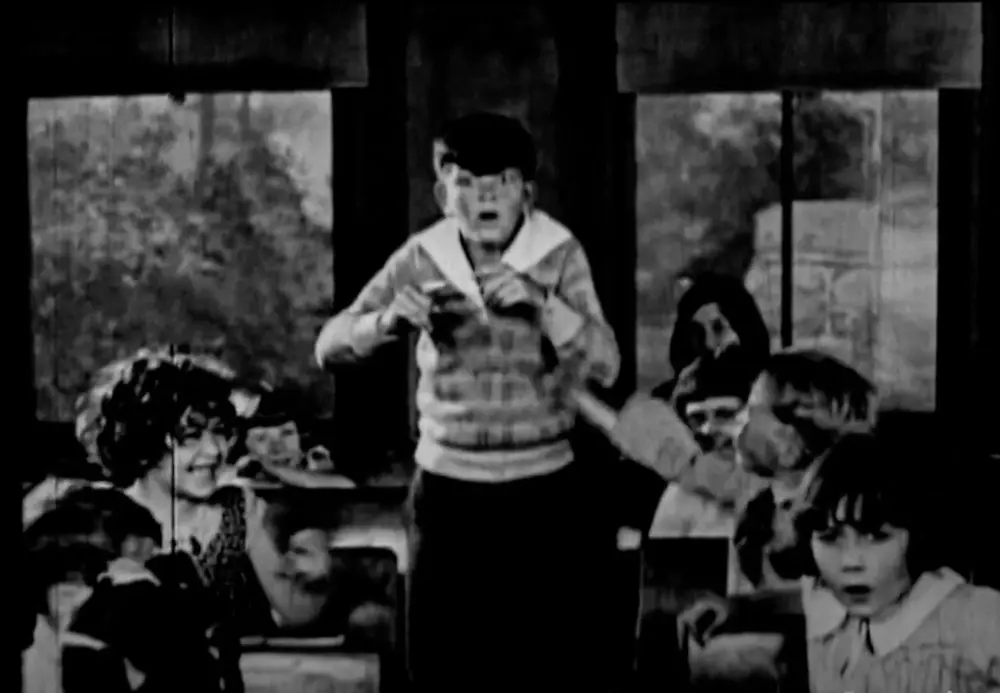
The cast's physical commitment is remarkable. Charles McMurphy's exasperated teacher becomes a tragicomic figure, his patience eroding with each new disaster. Dorothy Darling's deadpan reactions contrast beautifully with Farina's hyperactivity, creating a yin-yang dynamic that anchors the chaos. The set pieces—particularly the Vesuvius eruption gag—are masterclasses in practical effects, using smoke and lighting to create tension without CGI.
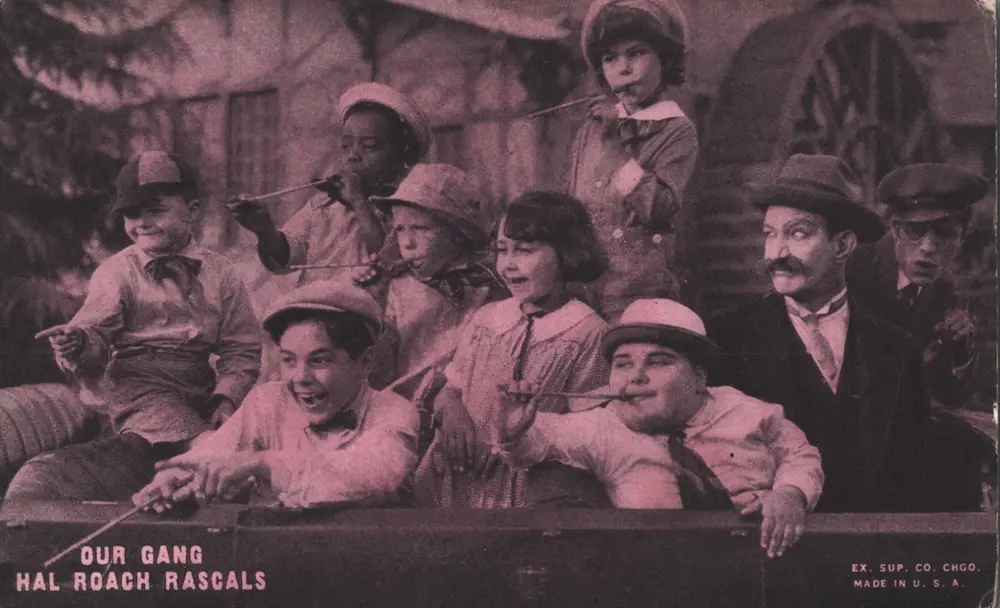
...the characters remain underdeveloped. Peggy Eames' romantic subplot with Johnny Downs is reduced to a punchline about misplaced letters, lacking any emotional resonance. The Parisian sequences, while visually inventive, feel like a checklist of tourist attractions rather than a cohesive narrative thread. The film's satirical edge softens by the third act, with the teacher's breakdown feeling more like a punchline than a character moment.

The pacing falters in the second act. The Naples-Pisa segment stretches the same joke (Farina's inability to follow directions) for too long, testing viewer patience. While the original script by Hal Roach embraces randomness, it lacks the structural coherence of his better works like The Wooing of Coffee Cake Kate. The final scenes in Rome feel like an afterthought, wrapping up subplots with a blunt hammer rather than a nuanced resolution.
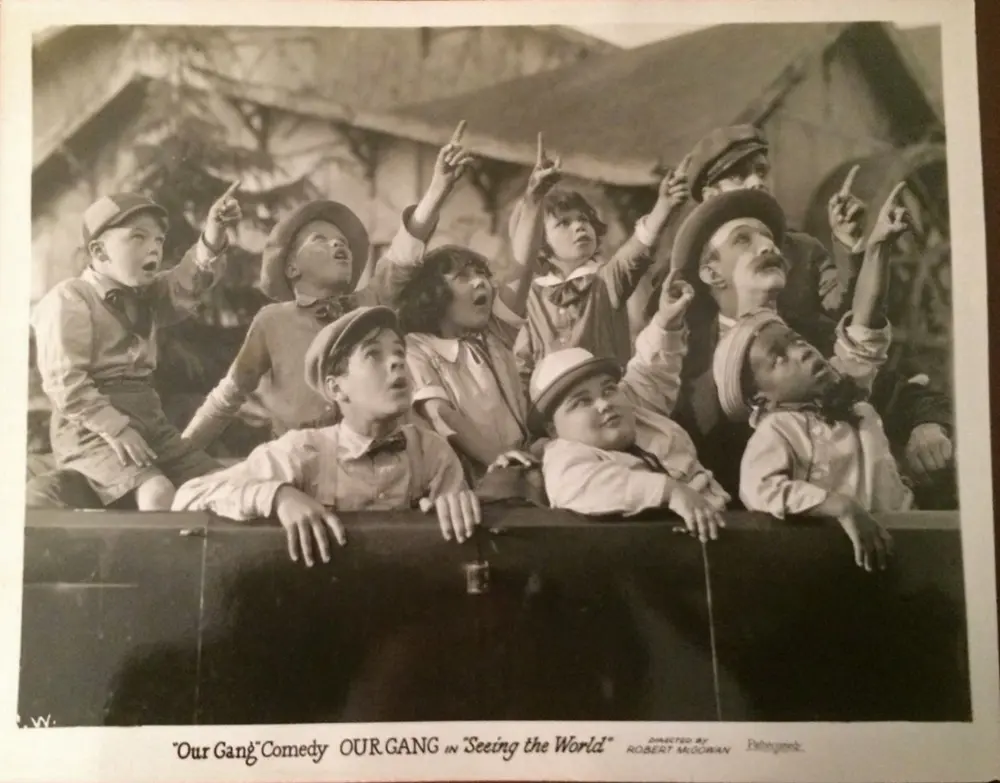
It depends on your tolerance for unrelenting slapstick. The film's greatest strength is also its greatest weakness—every scene threatens to collapse into chaos, which works for a 75-minute runtime but strains credibility. For comedy historians, it's a fascinating artifact of 1930s filmmaking. For casual viewers, it's a mixed bag of laughs and frustration.
A flawed but fascinating piece of slapstick history. It works best as a companion piece to Hip Hip Hypnotism, showing how physical comedy could evolve beyond stage-bound routines. The film's final shot—Farina accidentally setting fire to a hotel's marquee—feels like both a punchline and a metaphor: this is a film that burns brightly but leaves little in terms of lasting impressions. For fans of unapologetic chaos, it's a worthwhile trip. For others, it's a reminder of how slapstick can outgrow its own context.
IMDb 6.1
1930
Community
Log in to comment.