DbcultAccessing Vault...
5.5/10
Senior Film Conservator
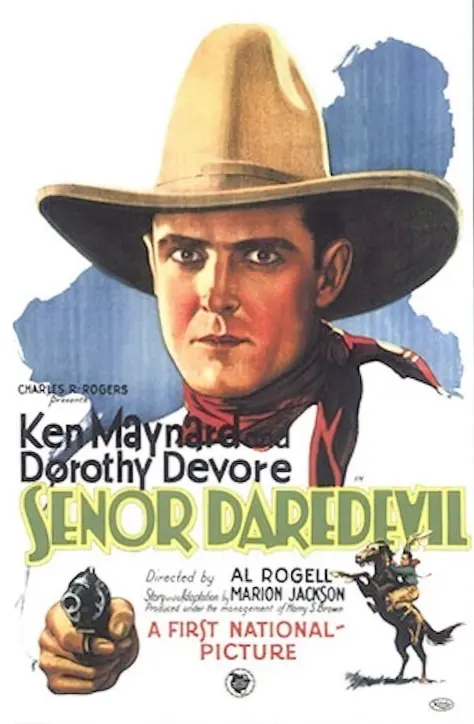
A definitive 5.5/10 rating for a film that redefined the boundaries of cult cinema. Senor Daredevil remains a cornerstone of transgressive art.
Is Senor Daredevil worth watching today? Short answer: yes, but primarily for those who view cinema as a physical medium rather than a literary one. This 1926 silent Western is a high-velocity artifact that prioritizes kinetic energy and the raw charisma of Ken Maynard over narrative complexity or character depth.
This film is for the historian of the genre and the fan of early stunt-work who wants to see the exact moment the 'singing cowboy' archetype was preceded by the 'stunt cowboy.' It is definitely not for viewers who require a nuanced plot or can’t stomach the rigid moral binary of the early 20th-century studio system.
1) This film works because it understands the visual language of the chase better than almost any other Western of its specific year, utilizing the vastness of the Sonora landscape to create a genuine sense of isolation and peril.
2) This film fails because the central mystery regarding the bandit leader's identity is transparent from the first frame, robbing the 'battle of wits' of any real intellectual tension.
3) You should watch it if you want to witness the birth of a screen legend; Ken Maynard’s introduction here is as impactful as any modern superhero debut, defining the physical vocabulary of the Western hero for the next two decades.
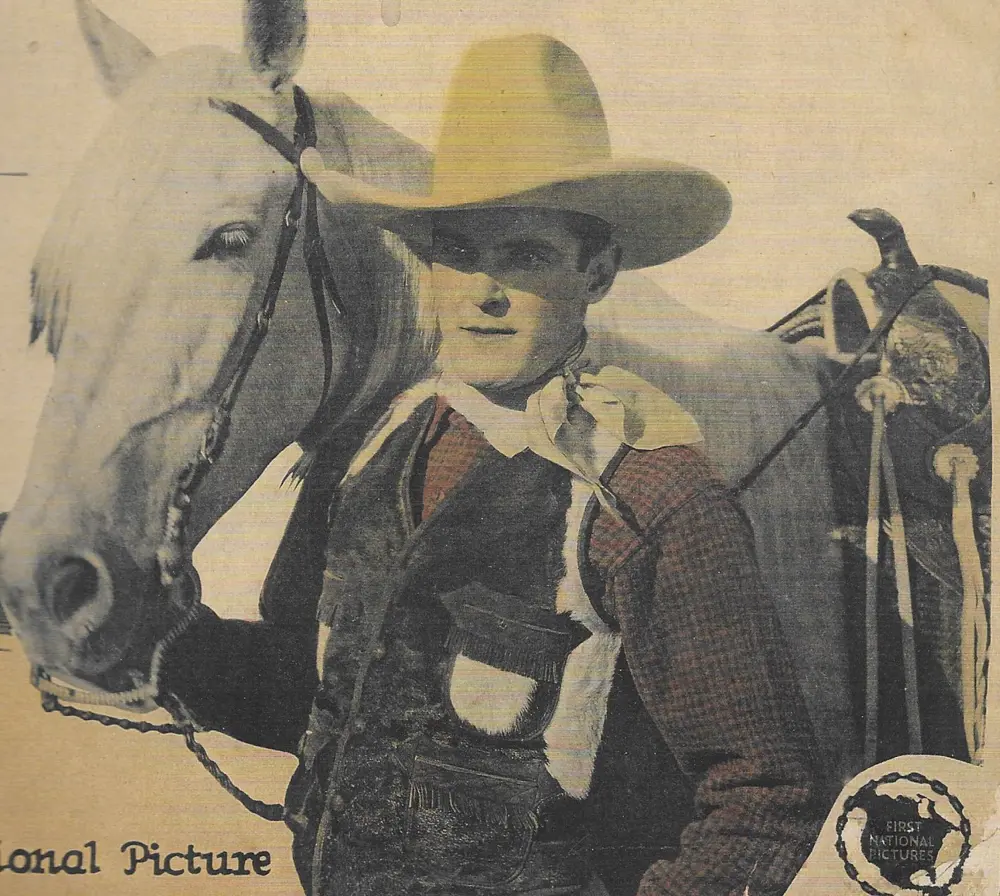
Before the genre became bogged down in the psychological tropes we see in later decades, it was about the man and the horse. In Senor Daredevil, Ken Maynard doesn't just play a character; he performs an athletic feat. His background in the circus is evident in every frame. He doesn't just mount a horse; he flows onto it. This isn't the stiff acting found in The Man from Glengarry; this is a performance of motion.
Take, for instance, the sequence where Don Luis first encounters the bandit gang. The way Maynard uses the environment—the wagons, the dust, the uneven terrain—shows a level of spatial awareness that was rare for 1926. He isn't waiting for a stunt double. He is the stunt. It works. But it’s flawed. The reliance on his physical prowess often means the emotional beats, particularly his reaction to finding his father, feel like an afterthought.
The plot of Senor Daredevil is essentially a logistical thriller. The conflict isn't over land or gold directly, but over the supply chain. Jesse Wilks, played with a delightful, if predictable, sneer by Sheldon Lewis, understands that to kill a town, you don't need to shoot every citizen; you just need to stop the food. This focus on the 'wagon-train' gives the film a grounded, gritty feel that contrasts with the more theatrical elements of Confessions of a Queen.
The 'Tiger' O'Flagherty character represents the old, battered West—a man who has been broken by the very land he tried to tame. When his son, Don Luis, arrives, the film shifts from a tragedy of aging into a celebration of youth. This generational handoff is the film's most interesting thematic element, even if the script by Marion Jackson treats it with the subtlety of a stampede. The moment Tiger realizes the 'Daredevil' is his own flesh and blood is a peak silent-film melodrama moment, complete with wide eyes and heavy pantomime.
Is Senor Daredevil worth your time compared to modern blockbusters? If you are looking for a story that challenges your worldview, no. However, if you want to understand the foundation of action cinema, yes. It provides a clear direct answer to how early filmmakers solved the problem of keeping an audience engaged without sound: constant, escalating movement.
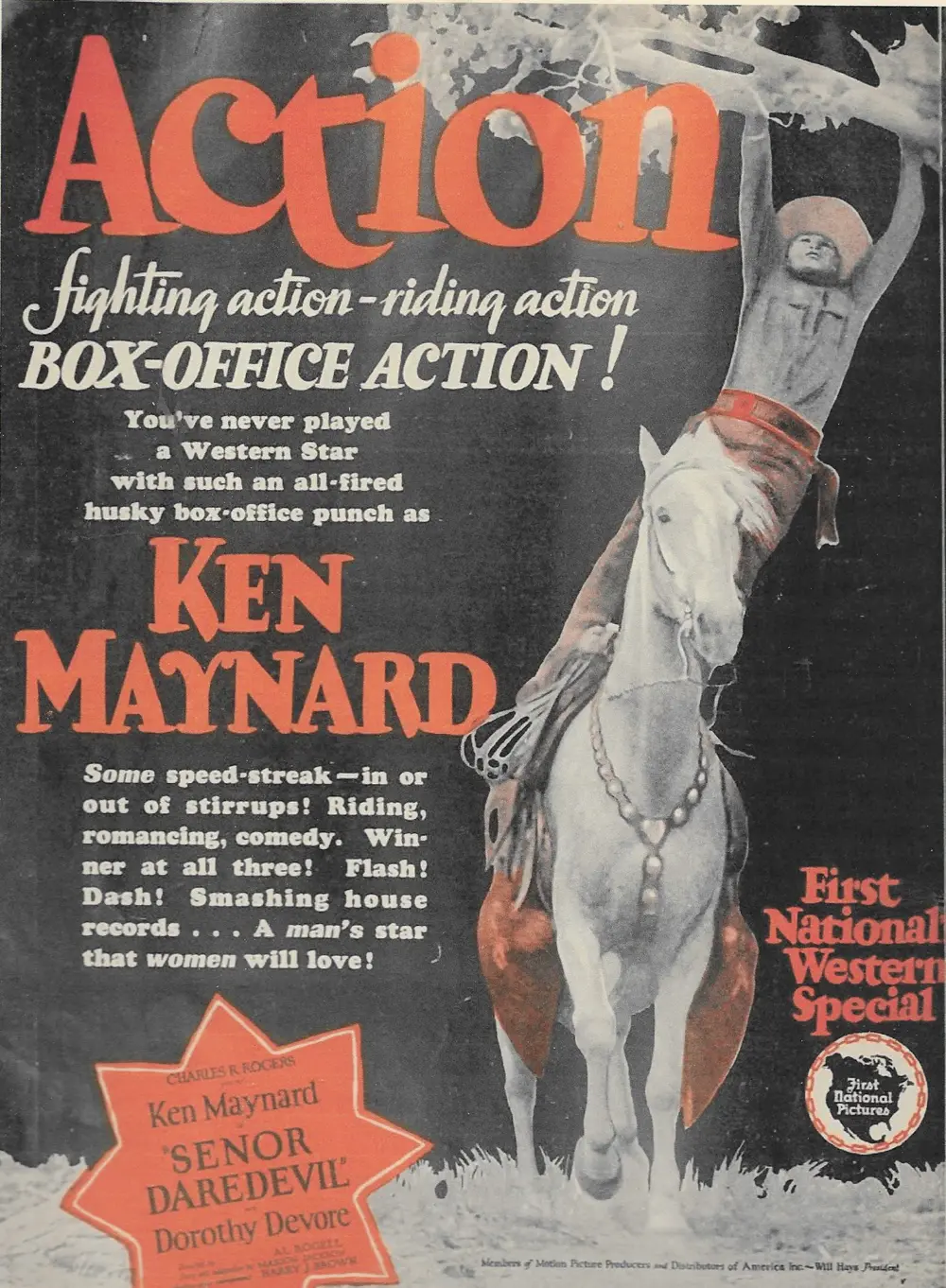
The film is a fascinating look at the 'capitalist' Western. Unlike the lawless chaos of La banda del automóvil o la dama enlutada, the stakes here involve appraisers and investment. It suggests that the West wasn't just won by guns, but by ensuring that freight arrived on time. This adds a layer of realism to the otherwise fantastical stunts of Maynard.
The cinematography in Senor Daredevil is surprisingly sophisticated. The camera isn't static; it moves with the wagons. There is a tracking shot during the final battle that captures the sheer velocity of the horses in a way that feels modern. It lacks the surrealist experimentation of An Elephant's Nightmare, but it excels in practical, blue-collar filmmaking. The dust is real. The sweat is real. The danger to the horses and riders is palpable.
The pacing, however, is where the film shows its age. There are several scenes in Sally Blake's restaurant that linger far too long. Dorothy Devore does her best with the role, but she is essentially relegated to 'the reward' at the end of the trail. Compared to the more dynamic female roles in The Cabaret, Sally is a flat character. She serves as a narrative anchor, but one that occasionally drags the film's momentum into the mud.
Pros: Maynard’s physical performance is genuinely impressive. The film manages to make a supply chain dispute feel like an epic war. The outdoor location shooting provides a sense of scale that studio sets of the era, like those in Harem Scarem, simply couldn't match.
Cons: The romantic subplot is entirely chemistry-free. The 'Tiger' character is sidelined for much of the middle act, losing the emotional core of the father-son reunion. The film's reliance on the 'Daredevil' persona feels a bit gimmicky compared to the more grounded stakes of Prohibition.
Senor Daredevil is a loud movie for a silent one. It screams with the sound of hooves and the crack of whips. While it lacks the epic scale of Spartak or the social commentary of Charity, it succeeds as a pure piece of entertainment. It is a reminder that before the Western was an art form, it was a thrill ride. It’s not a masterpiece, but it is a vital, breathing piece of cinema history that deserves a look from anyone who claims to love the genre. Just don't expect the plot to surprise you; the joy is in the journey, not the destination.
IMDb 5.9
1927
Community
Log in to comment.