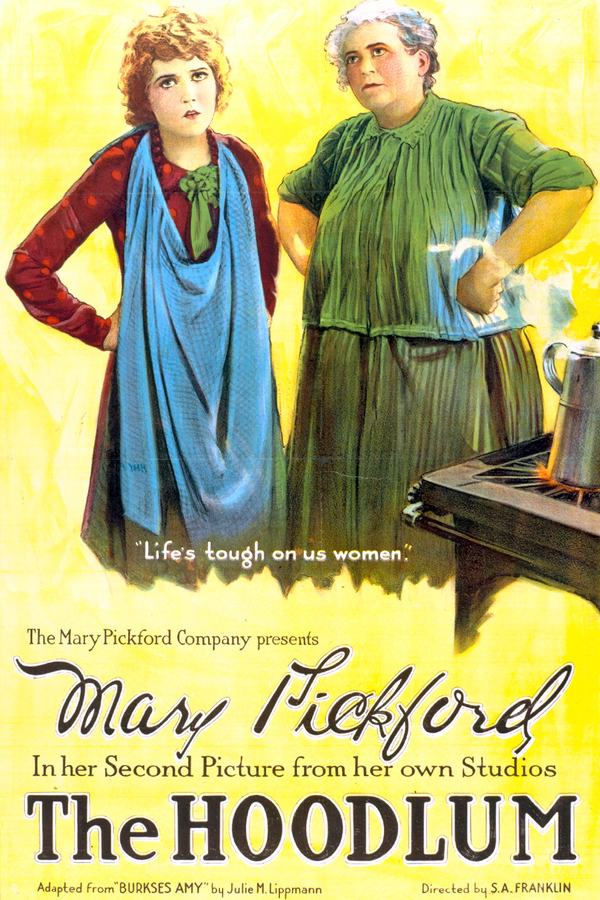
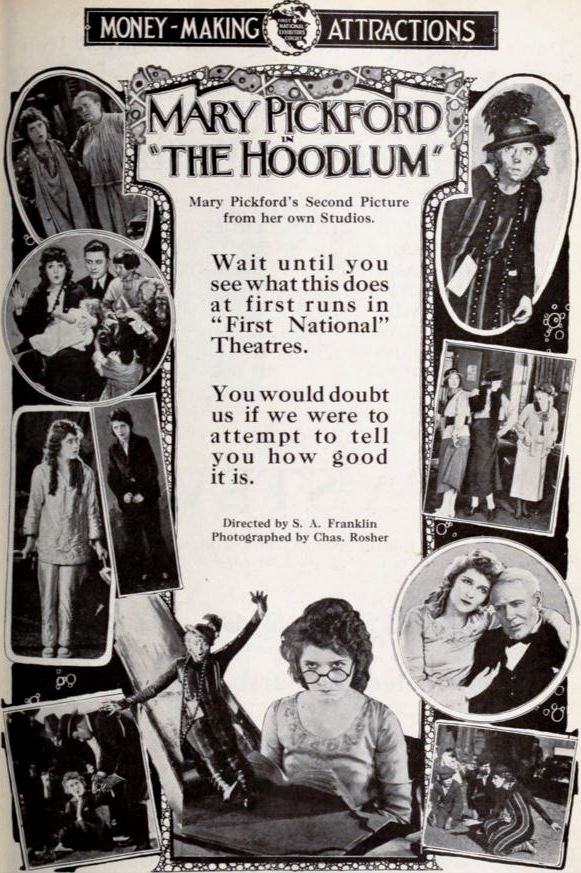
The opening frames of The Hoodlum luxuriate in decadent excess—crystal chandeliers dripping light onto marble floors, liveried servants bearing silver trays, Mary Pickford's Angela Vanning swathed in lace while idly dismissing a couturier. Director Ralph Lewis (who pulls double duty as the film's charismatic antagonist) constructs this gilded cage with meticulous cruelty, knowing every champagne flute and satin pillow exists solely to be ripped away. When the financial earthquake hits, it happens off-screen—a telegram delivered by a stone-faced butler, the trembling hands of B.A. Lewis' ruined financier father, the abrupt evaporation of Angela's universe like steam from a manhole cover.
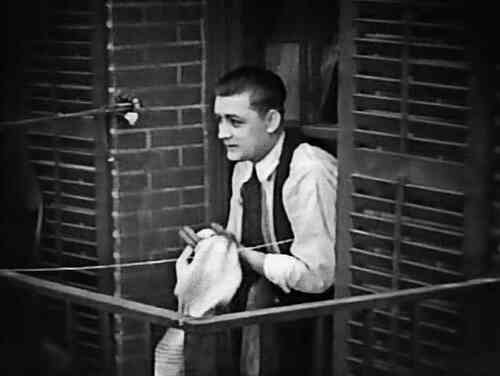
What follows isn't merely a descent, but a violent unmooring from reality. Angela's first night in the tenements unfolds with the visceral horror of a Pit-styled descent into hell: the cacophony of arguing immigrants through paper-thin walls, the cockroach scuttling across her rented cot, the predatory leer of landlord Max Davidson demanding payment "in kind." Cinematographer Kenneth Harlan alternates between oppressive close-ups of Pickford's widening eyes and extreme wide shots that shrink her amongst looming, laundry-strung fire escapes. Her once-radiant dresses now gather soot in the alleyways, a visual metaphor sharpened by Bernard McConville and Julie Mathilde Lippmann's taut screenplay where every discarded object—a single pearl earring, a monogrammed handkerchief—becomes a relic of a dead civilization.
The Algebra of Survival
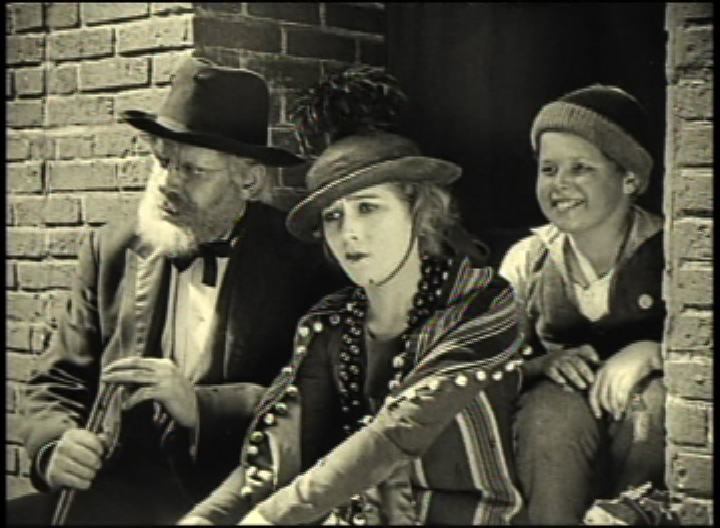
Pickford's genius manifests in microscopic transformations. Watch her shoulders hunch incrementally during the garment factory sequence—not as caricature, but as the physical manifestation of spirit buckling under mechanized drudgery. Her hands, once fluttering like captured butterflies, develop calluses and a steely purpose as she learns to operate industrial sewing machines under Aggie Herring's whip-cracking forewoman. This isn't the noble poverty of Loyalty; it's an ecosystem where compassion gets you robbed and vulnerability gets you raped. When Andrew Arbuckle's alcoholic peddler offers Angela stolen bread, her hesitation—eyes darting between his grime-encrusted nails and her own hollow stomach—culminates in a close-up swallowing motion that communicates more than pages of intertitles could.
The film's daring cynicism peaks in the pawnshop sequence. Forced to trade her dead mother's cameo, Angela faces T.D. Crittenden's leering broker. The camera lingers on the glass counter between them—a barrier as impenetrable as her former ballroom windows. When he slides coins beneath the glass, fingers brushing hers with calculated indecency, the violation feels more intimate than any kiss. Unlike the Conqueror's romanticized struggles, survival here demands moral compromise. Angela's subsequent theft of a wealthy woman's purse isn't triumphant, but fumbling and desperate—coins scattering across wet pavement as she flees, her sobs merging with the squeal of streetcar brakes.
The Razor's Edge of Redemption
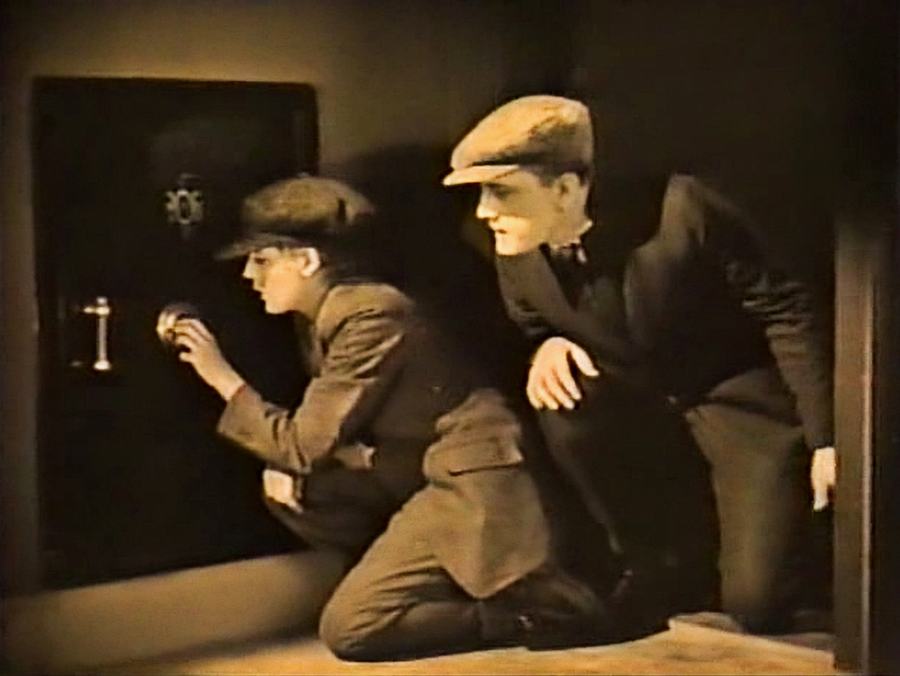
Enter Ralph Lewis' Danny Malone, a racketeer whose charm arrives like a velvet-wrapped knife. Their meeting in a Merry Jail-esque speakeasy reveals the film's sophisticated morality. Danny doesn't seduce Angela; he recognizes her hardening edges and offers partnership. "You've got spine, sister," his intertitle declares, "and spine's what pays in this town." Their subsequent heist of Lafe McKee's corrupt alderman becomes a perverse inversion of Kildare of Storm's heroics—shot with exhilarating crane work as they scale drainpipes, yet underscored by Buddy Messinger's discordant piano score hinting at inevitable betrayal.
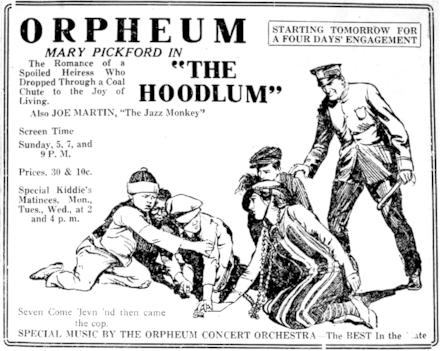
Nellie Anderson's tragic arc as consumptive factory girl Martha provides the film's molten heart. Her deathbed scene—shot in agonizingly long takes as Angela cradles her—eschews melodrama for unbearable intimacy. When Martha whispers "Don't let them make you like Danny," the camera holds on Pickford's face as decades of conditioning shatter. This precipitates the climactic confrontation: Angela double-crossing Danny not for money, but to fund a clinic for tenement children. Their final showdown in a rain-lashed shipyard, with Ernest Butterworth Jr.'s street urchins as unlikely accomplices, transforms warehouse beams into expressionist gallows. Danny's plummet through rotten planks becomes less a death than an exorcism.
Silent Screams & Social Scalpels
Lewis directs with startlingly modern ferocity. His tenements breathe through superimpositions—ghostly images of stoop-shouldered workers dissolving into brickwork like architectural ghosts. The sweatshop sequences echo Hate's industrial dehumanization, bodies reduced to pulsating machinery components in a dizzying montage of needles and spools. Yet the film's boldest stroke lies in its ambiguous redemption. The final shot doesn't show Angela restored to wealth, but presiding over her clinic's opening, her posture forever marked by the streets—a far cry from His Mother's Boy's sentimental resolutions.
Pickford transcends her "America's Sweetheart" persona completely. Notice how her voice—absent yet palpable—seems to change texture: the silent scream when discovering her father's suicide (conveyed through neck tendons straining like bridge cables), the guttural whisper implied as she negotiates with pawnbrokers, the chilling authority when commanding street gangs. Her chemistry with Betsy Ann Hisle's cynical prostitute Rose generates the film's bleakest humor—a scene where they trade survival tips while sharing a single sardine crackles with tragic camaraderie absent from The Bruiser's masculine posturing.
The Bitter Aftertaste of Truth
Modern audiences may stumble over Paul Mullen's broad portrayal of an Italian fruit vendor, yet even this caricature serves the film's thesis: ethnicity becomes just another currency in the slum economy. The missing link between Zoárd mester's social realism and Topiel's psychological dread, The Hoodlum rejects escapism. Its power stems from acknowledging that trauma leaves permanent stains—Angela's final smile doesn't reach her haunted eyes. When she touches a wealthy patron's fur coat in the clinic queue, the flinch of remembered luxury speaks volumes about irreversible metamorphosis.
Comparisons to Pickford's Idol of the Stage reveal astonishing range—where that role sparkled with theatrical artifice, Angela Vanning feels carved from raw nerve endings. The film's legacy lies in its refusal to absolve its audience. Like The Failure dissecting ambition, it forces viewers to confront uncomfortable truths: that privilege is a flimsy shield, that morality bends under hunger, and that salvation, when it comes, often wears the face of compromise. In an era of Chaplin's sentimentality and Fairbanks' swashbuckling, The Hoodlum remains a brazenly unsentimental gut-punch—a masterpiece whose alleyway shadows still cling to modern cinema.