DbcultAccessing Vault...
Cult Review
Senior Film Conservator
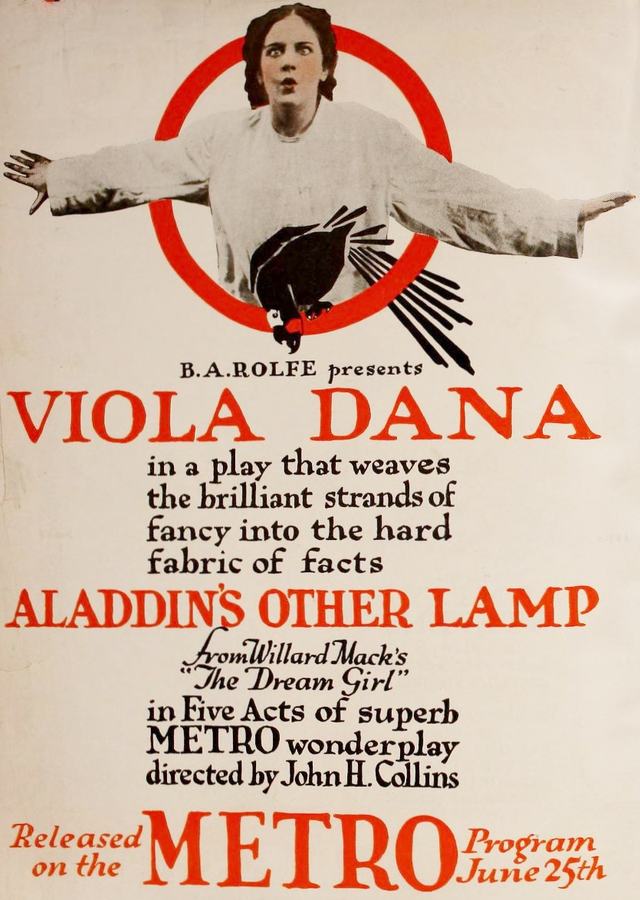
In the burgeoning landscape of 1917 cinema, few films attempted to bridge the chasm between gritty social realism and high-concept fantasy with the idiosyncratic grace found in Aladdin's Other Lamp. Directed by John H. Collins and penned by the formidable June Mathis, this production serves as a luminous vehicle for Viola Dana, whose screen presence in this era was often likened to a flickering candle in a drafty hallway—vulnerable yet persistently bright. Unlike the more grounded narratives found in The Opened Shutters, this film dares to let the subconscious dictate the visual rhythm, creating a viewing experience that feels less like a theatrical play and more like a fever dream of a Victorian orphan.
The story opens with a sequence of familial discord that sets a heavy, almost Dickensian tone. We see the abduction of baby Patsy, a moment captured with a starkness that echoes the themes of industrial-era displacement seen in Salt of the Earth. The boardinghouse where Patsy eventually finds herself is not merely a setting; it is a character of oppressive weight. Mrs. Duff, played with a delightful, sneering malice by Ricca Allen, represents the cold reality of economic survival. Here, the film establishes its primary conflict: the soul's desperate need for transcendence versus the body's requirement for bread and shelter.
Viola Dana’s portrayal of Patsy Smith is a masterclass in silent era emotive acting. She avoids the histrionics that plagued many of her contemporaries, opting instead for a subtle, internalised yearning. When she listens to Captain Barnaby’s tales, her eyes don't just widen; they seem to reflect the very waves of the sea he describes. This performance is a far cry from the more structured, perhaps rigid, characterizations in The Honorable Friend. Dana manages to ground the whimsical elements of the plot, making the appearance of the Genie feel like a necessary psychological break rather than a mere plot device.
Speaking of the Genie, Jehaunarara (played with a curious mix of majesty and melancholy by Robert Walker), the special effects of 1917 are utilized with surprising restraint and effectiveness. The transformation of the boardinghouse room is a sequence of pure cinematic joy. It captures that universal human desire to see the mundane transformed into the magnificent. However, the film is clever enough to acknowledge the limits of this magic. The Genie can restore a limb and punish a bully, but he cannot mend a broken lineage or force a mother’s love. This limitation adds a layer of sophistication often missing from early fantasy films, reminding us of the thematic depth found in works like Captivating Mary Carstairs.
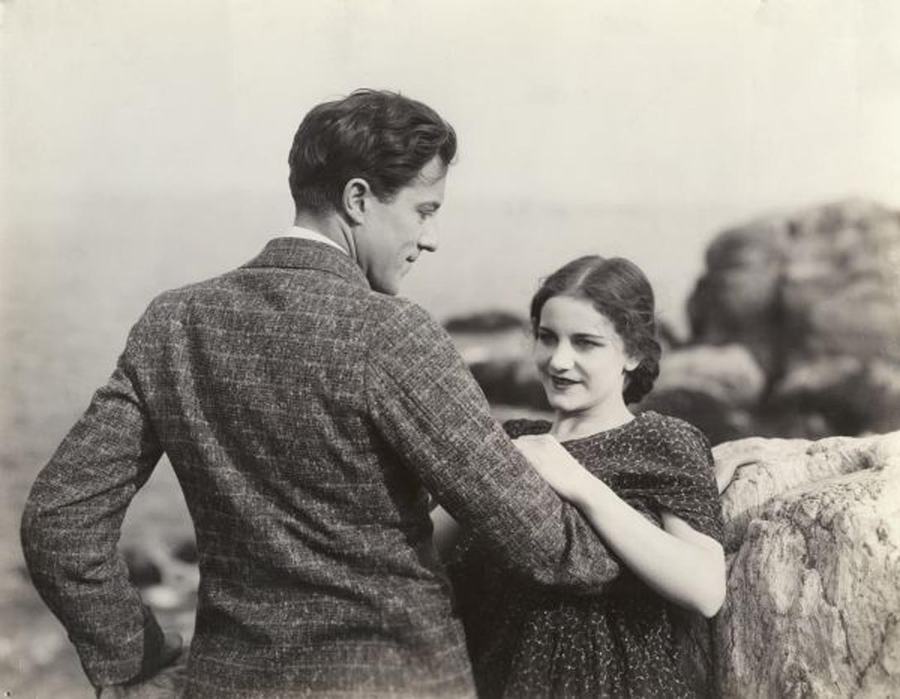
The masquerade ball sequence is the film’s visual and thematic centerpiece. It is here that the blurring of identity reaches its zenith. Patsy, draped in the finery of her imagination, finds herself at the height of social acceptance. Yet, the tragedy of the scene lies in its fragility. The Genie’s disappearance—triggered by the very applause meant to celebrate his presence—is a brilliant metaphor for the fleeting nature of fame and the danger of bringing one’s private fantasies into the public square. When Patsy wakes up, the transition is jarring. The cinematic language shifts from the soft focus of the dream to the hard, unyielding edges of the boardinghouse. This narrative pivot is as sharp as any seen in A Bird of Prey, forcing the audience to confront the reality of Patsy's situation alongside her.
But Aladdin's Other Lamp refuses to leave its protagonist in despair. The subversion of the "it was all a dream" trope via the physical presence of the lamp and the letters hidden within it is a stroke of narrative genius by June Mathis. It suggests that while the magic might be internal, the objects of our history have a tangible power to change our future. The discovery of the letters provides a bridge between the impossible fantasy and the possible reality. It mirrors the search for truth and identity that drives the plot of Meg o' the Mountains, yet handles it with a more urban, sophisticated touch.
One cannot discuss this film without touching upon Harry, the grocer's boy. His ambition to become a lawyer and, eventually, a president in the vein of Abraham Lincoln, injects a healthy dose of American optimism into the story. In many ways, Harry is the grounded counterpart to Patsy’s ethereal dreaming. While she looks to the East for magic lamps, he looks to the law books for a way out of the gutter. This duality is a recurring theme in films like For $5,000 a Year, where the struggle for financial and social elevation is central. Harry’s inclusion ensures that the film isn't just a fairy tale; it’s a story about the American Dream, albeit one filtered through a lens of magic and coincidence.
The ending, with Harry imagining himself as President and Patsy as his First Lady, might seem overly sentimental to modern eyes, but in the context of 1917—a year of global upheaval and the entry of the United States into World War I—this kind of aspirational storytelling was vital. It offered a vision of a world where justice is served, families are reunited, and the lowest among us can reach the highest offices. It possesses a certain rhythmic optimism also found in the Swedish production Balettprimadonnan, though with a distinctly New York grit.
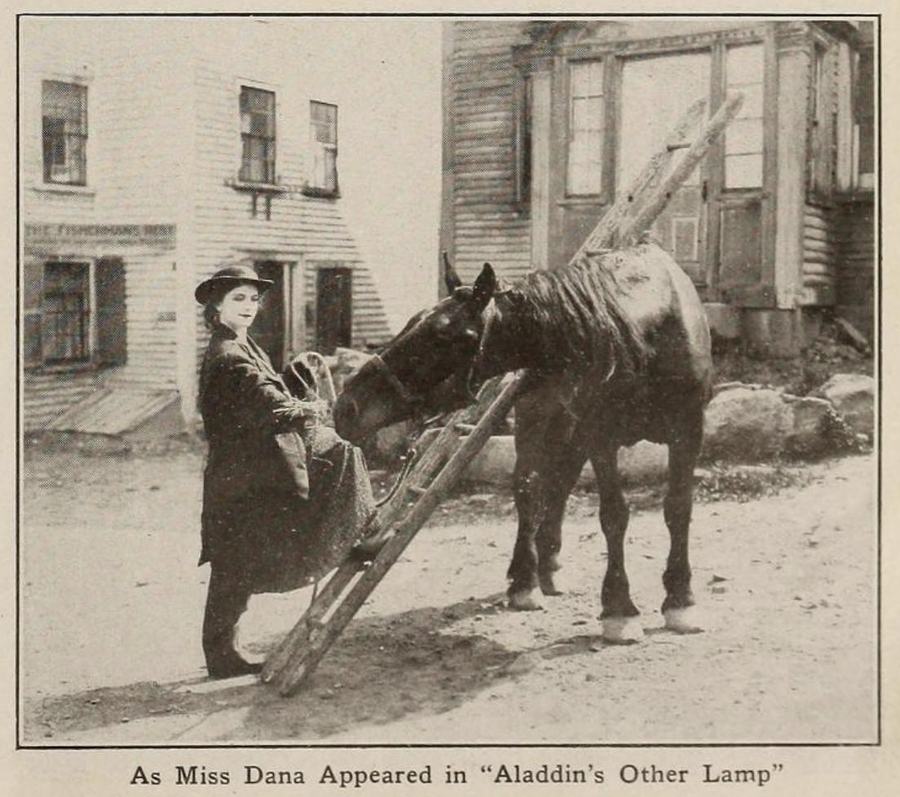
When we place Aladdin's Other Lamp alongside other releases of the year, its uniqueness becomes even more apparent. While The Tangle explored the complexities of human relationships through a more standard dramatic lens, and Revelj provided a different cultural perspective on duty, Collins’s film remains stubbornly focused on the transformative power of the imagination. It shares more DNA with the grand emotional sweeps of Camille than it does with the gritty realism of a sporting documentary like The Joe Gans-Battling Nelson Fight. It is a film that understands the necessity of the spectacle, but never lets the spectacle overwhelm the humanity of its characters.
Even when compared to European imports like Ein Gruss aus der Tiefe, which delved into more subterranean psychological depths, Aladdin's Other Lamp maintains a specifically American brand of whimsy. It is less concerned with the darkness of the psyche and more with the brightness of hope. This is a film that functions like a cinematic tonic. It acknowledges the cruelty of the world—the kidnappings, the deaths at sea, the drudgery of the boardinghouse—but it refuses to let those things have the final word. It is this spirit that aligns it with the moral explorations of Mr. Goode, Samaritan or the mystery-laden social critiques of Mrs. Balfame.
The screenplay by June Mathis deserves a special mention. Mathis was one of the most powerful women in Hollywood at the time, and her ability to weave complex thematic threads into a cohesive narrative is on full display here. She takes a simple premise—a girl finds a lamp—and uses it to explore class, gender, and the nature of reality. The dialogue (conveyed through intertitles) is sharp and avoids the flowery excesses of the period. There is a pragmatism to the way the characters speak, which provides a necessary counterpoint to the fantastical elements. The pacing is deliberate, allowing the audience to feel the weight of Patsy’s labor before the relief of the Genie’s arrival.
Visually, the film utilizes light and shadow to distinguish between the two worlds Patsy inhabits. The boardinghouse is shot with high-contrast, harsh lighting that emphasizes the grime and the exhaustion on the faces of the seafaring boarders. In contrast, the Genie’s sequences are bathed in a softer, more diffused light, creating a sense of ethereal beauty. This visual storytelling is sophisticated for 1917 and shows a director in full command of his craft. It’s the kind of attention to detail that elevates a film from a mere curiosity to a genuine piece of art.
In the final analysis, Aladdin's Other Lamp is more than just a silent fantasy; it is a testament to the power of storytelling itself. It reminds us that even in the darkest corners of our lives, there is a lamp waiting to be found—not necessarily a magic one, but one that contains the letters of our past and the blueprints for our future. Viola Dana’s luminous performance, combined with June Mathis’s intelligent script, ensures that the film remains a captivating watch over a century later. It is a vital piece of cinematic history that deserves to be pulled from the junk shop of forgotten films and polished until it shines once more. Whether you are a scholar of silent film or a casual viewer looking for a story of hope and transformation, this film offers a wealth of riches that no Genie could ever conjure out of thin air.
Reviewer's Note: For those interested in the evolution of the social-fantasy genre, comparing this to the works of Collins's contemporaries provides a fascinating look at how early filmmakers grappled with the rapid changes of the early 20th century. The film stands as a beacon of creative ambition during a time of global uncertainty.
IMDb —
1920
Community
Log in to comment.