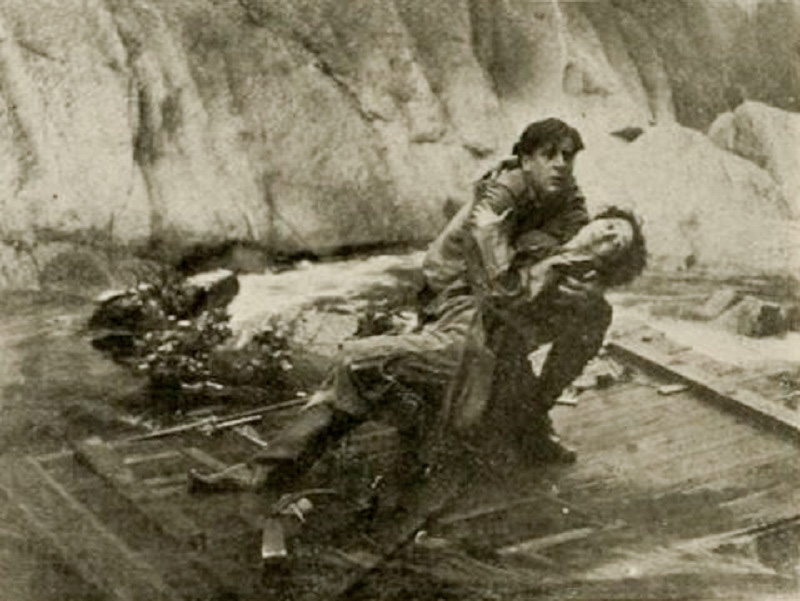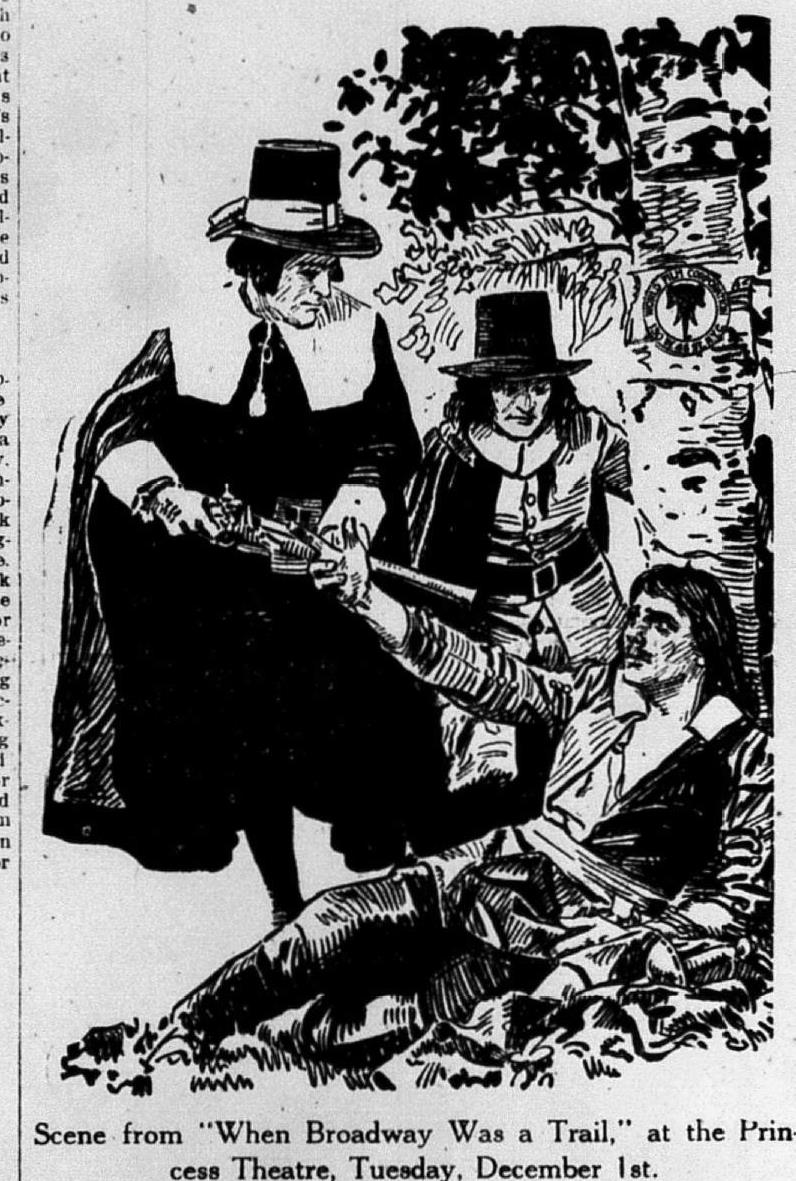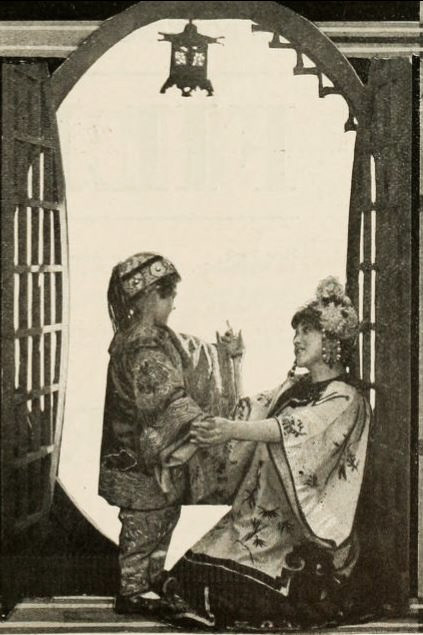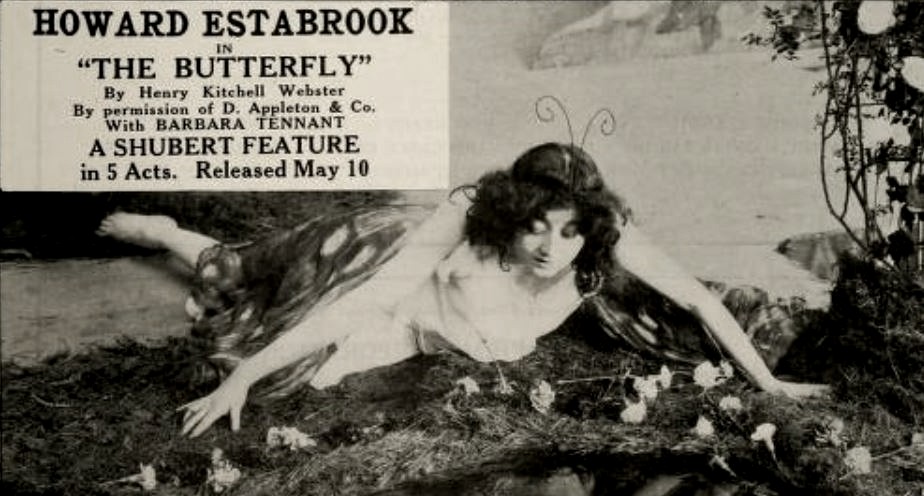
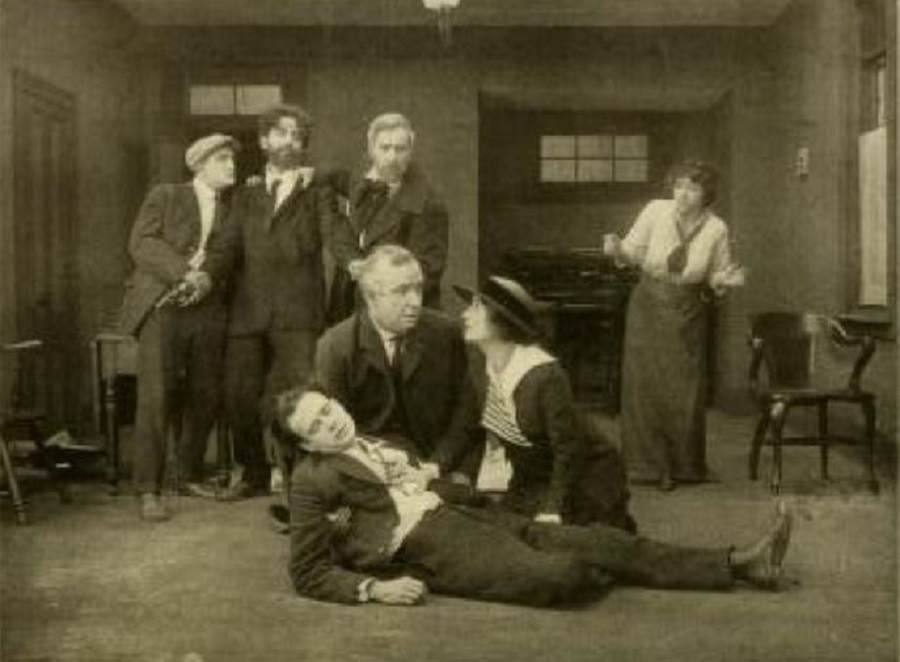
The story relates how a hunchback in revenge against a woman who has repulsed him, lures her stepdaughter to the stage and assists her to become a dancer. The girl, whose name is Elaine, has two lovers, for one of whom, John Butler, she forms a sincere attachment.
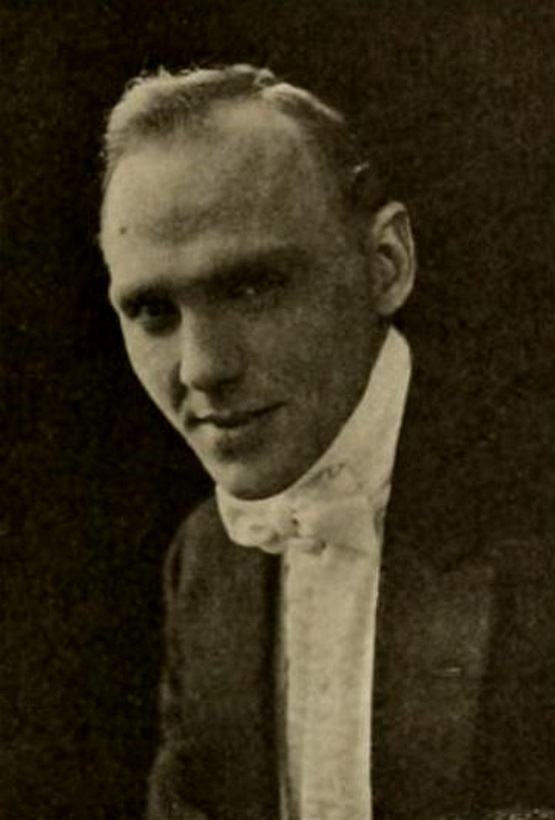
Henry Kitchell Webster, O.A.C. Lund
United States
There are films you watch and films that watch you—The Butterfly belongs to the latter tribe, a brittle 1914 nitrate prayer that somehow survived the century’s bonfires to flutter once more before our streaming-weary eyes. Twelve minutes. That’s all. Yet inside its cramped 1.33:1 aperture thrums a lurid morality play ...
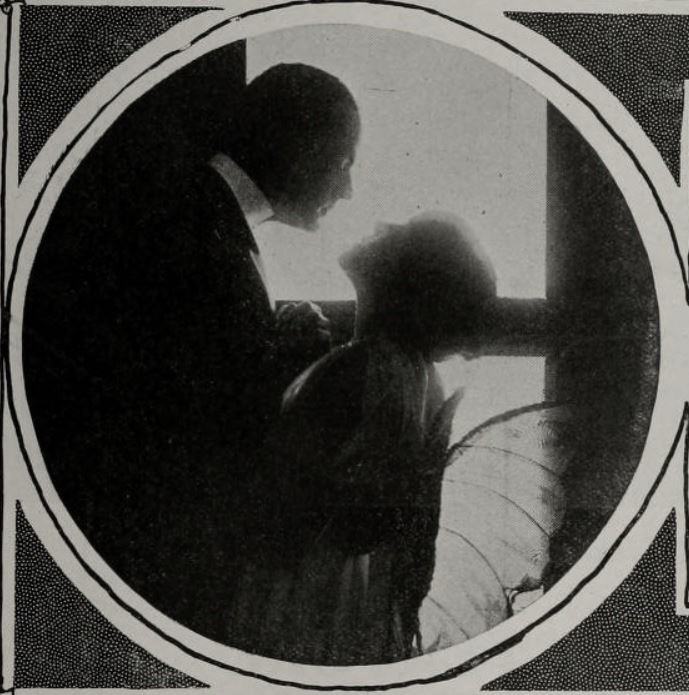
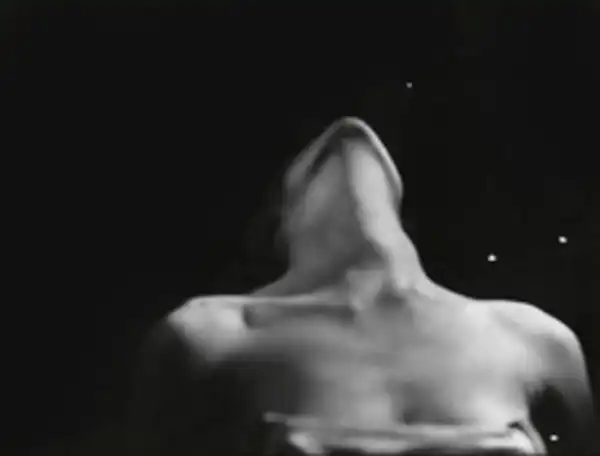
still_frame
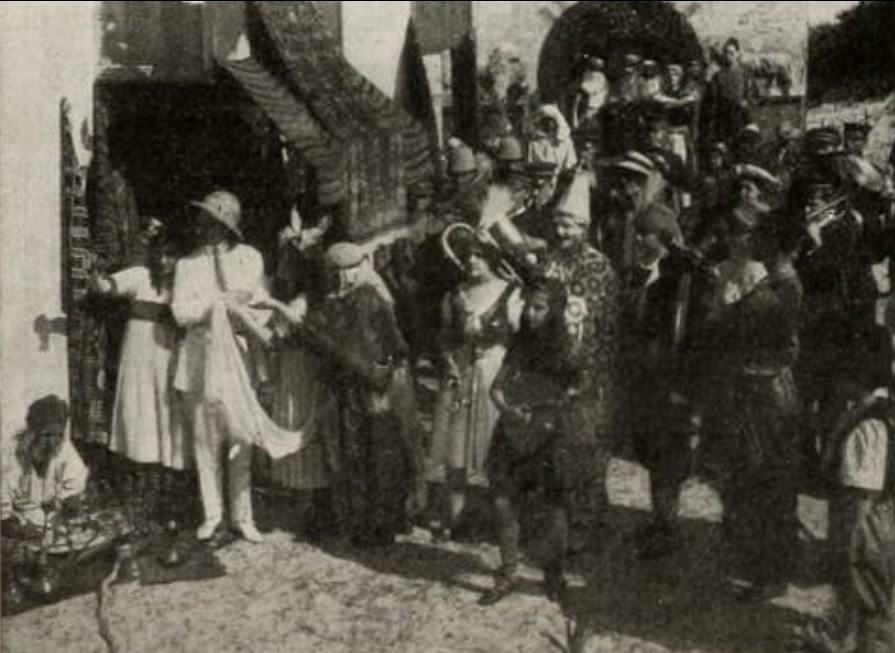
still_frame
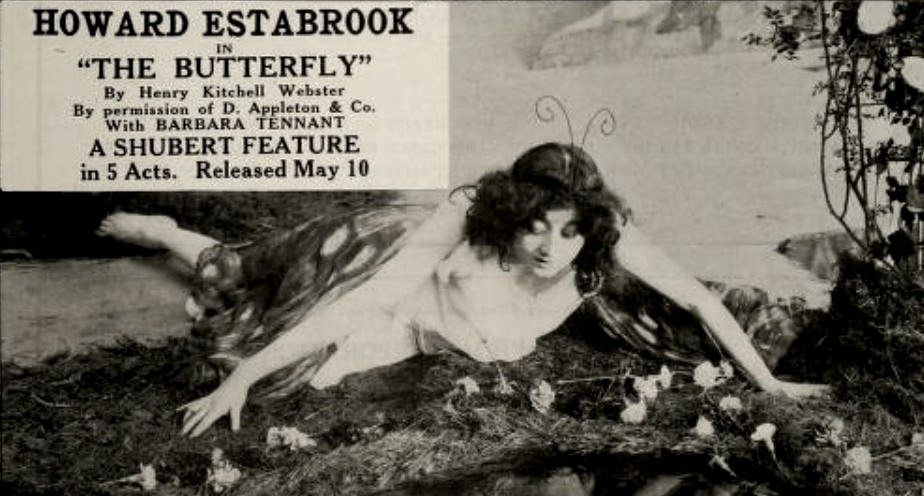
still_frame
Comparing the cinematic DNA and archive impact of two defining moments in cult history.
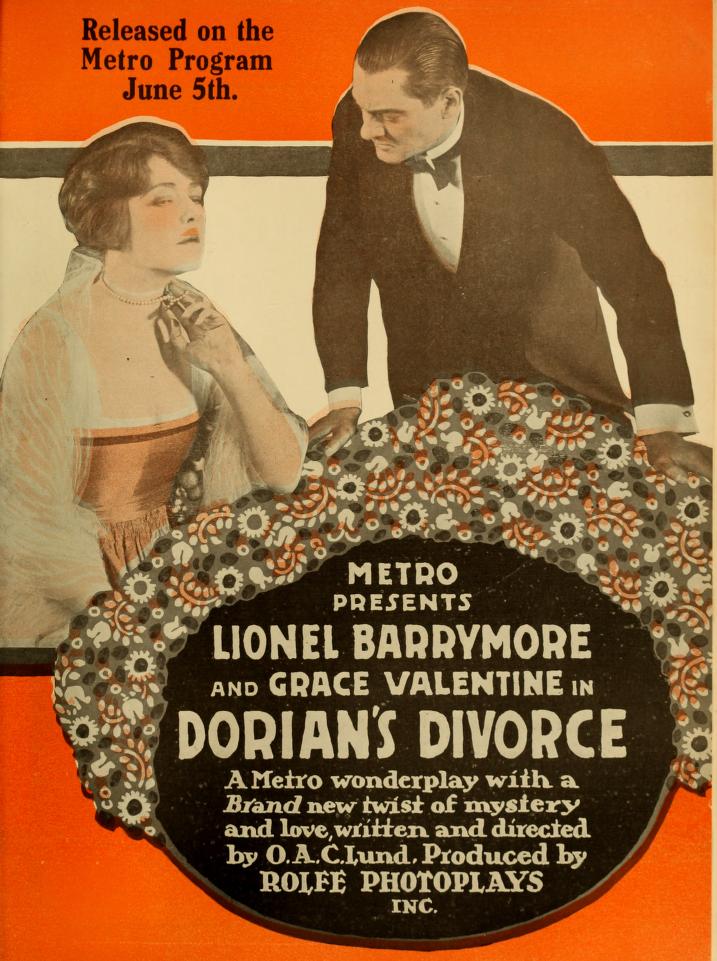
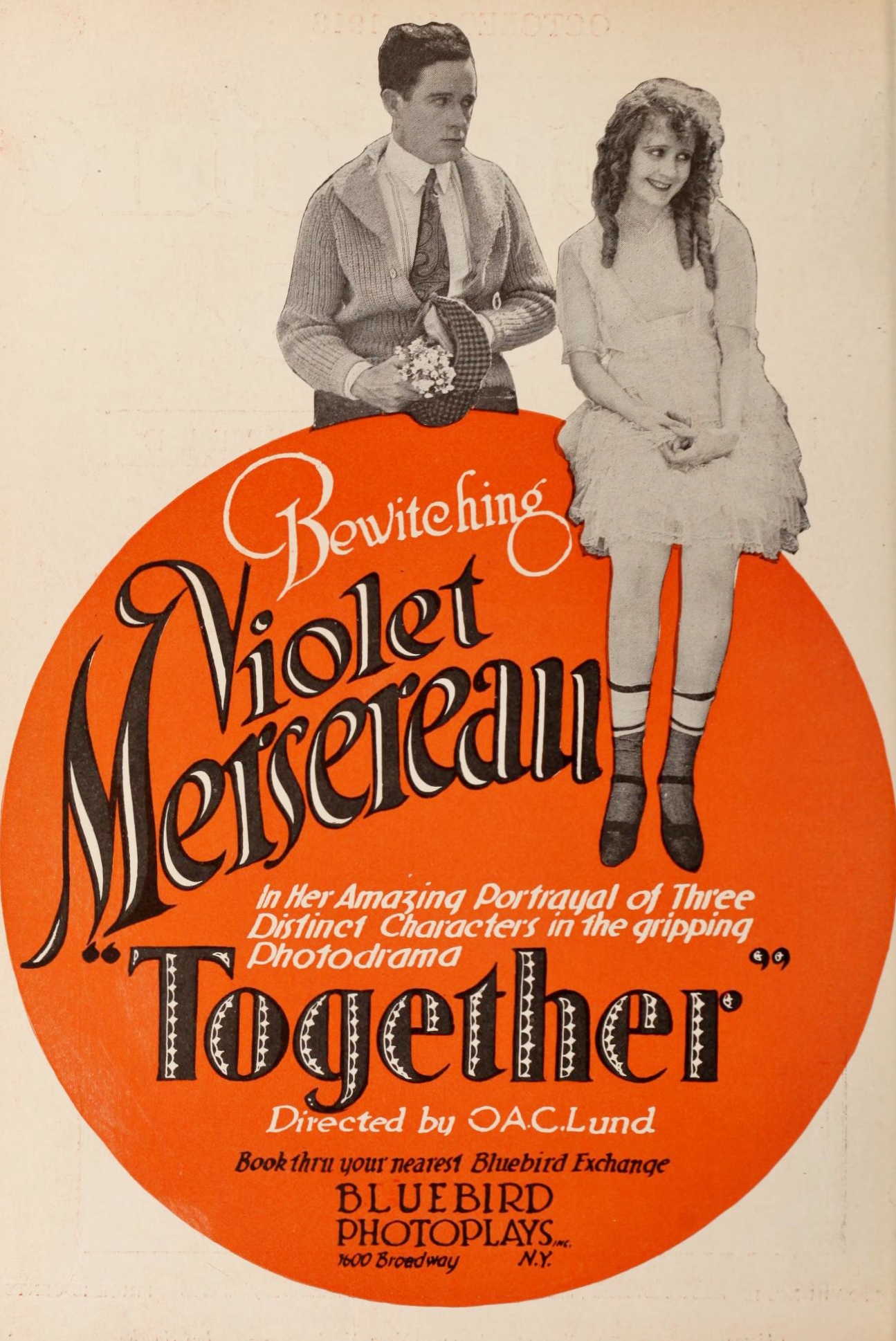
O.A.C. Lund
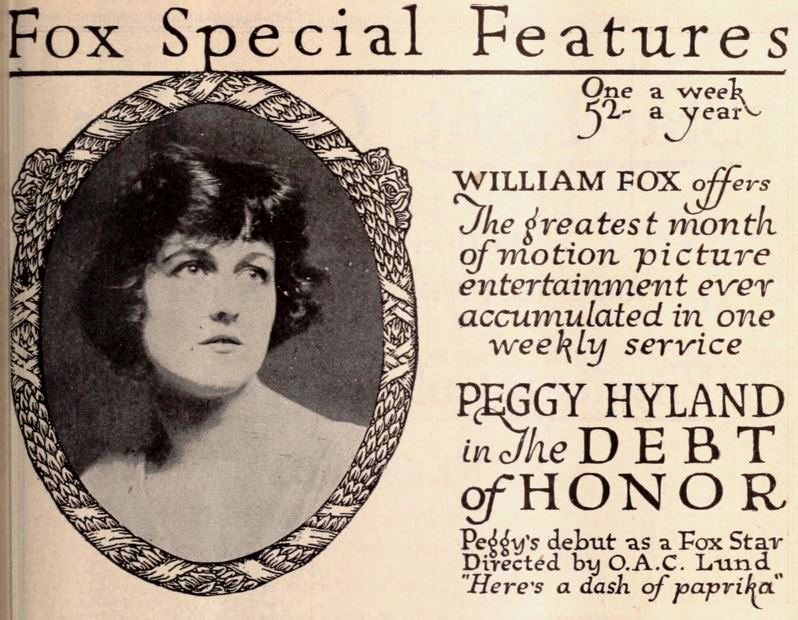
O.A.C. Lund
Community
Log in to comment.
" There are films you watch and films that watch you—The Butterfly belongs to the latter tribe, a brittle 1914 nitrate prayer that somehow survived the century’s bonfires to flutter once more before our streaming-weary eyes. Twelve minutes. That’s all. Yet inside its cramped 1.33:1 aperture thrums a lurid morality play that feels as if Hitchcock’s Vertigo were distilled in a penny arcade shot glass. The plot, at first blush, sounds like Victorian cliffhanger leftovers: spurned hunchback, dazzlin..."
Deep dive into the cult classic
Discover similar cinematic experiences
A Directorial Spotlight on O.A.C. Lund