DbcultAccessing Vault...
6.6/10
Senior Film Conservator
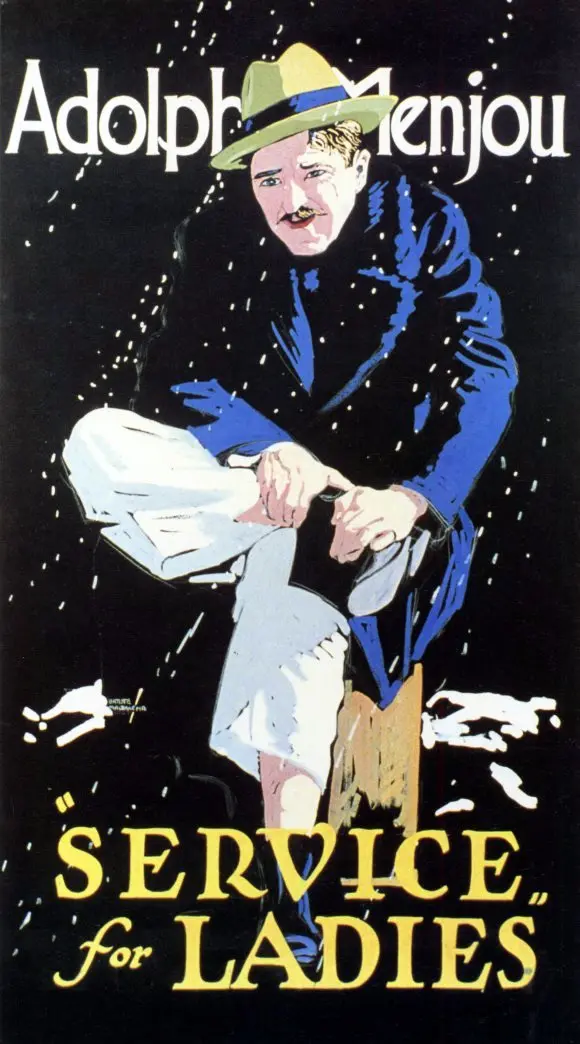
A definitive 6.6/10 rating for a film that redefined the boundaries of cult cinema. Service for Ladies remains a cornerstone of transgressive art.
Is Service for Ladies worth watching today? Short answer: yes, but with significant caveats. This 1927 silent romantic comedy offers a fascinating glimpse into the era's storytelling conventions and features a standout performance, yet it undeniably shows its age in ways that might deter modern viewers.
It’s a film best suited for dedicated silent cinema aficionados, film historians, and those with a keen interest in the evolution of the romantic comedy genre. Conversely, if you demand fast pacing, complex narratives, or dialogue-driven humor, this particular Parisian romance might test your patience.
From the outset, Service for Ladies establishes its comedic premise with a delicate touch, relying heavily on visual cues and the nuanced expressions of its lead. The film's primary strength lies in its ability to convey social commentary and romantic longing without uttering a single word, a testament to the power of pure cinematic storytelling.
The world it presents is one of stark class divisions, where a headwaiter's uniform is both a badge of honor and an insurmountable barrier. This social stratification isn't merely background dressing; it's the very engine of the plot, driving Albert Leroux's internal conflict and external obstacles.
This film works because it masterfully leverages the silent medium to explore universal themes of love, aspiration, and societal constraints through compelling visual performance and clever narrative construction.
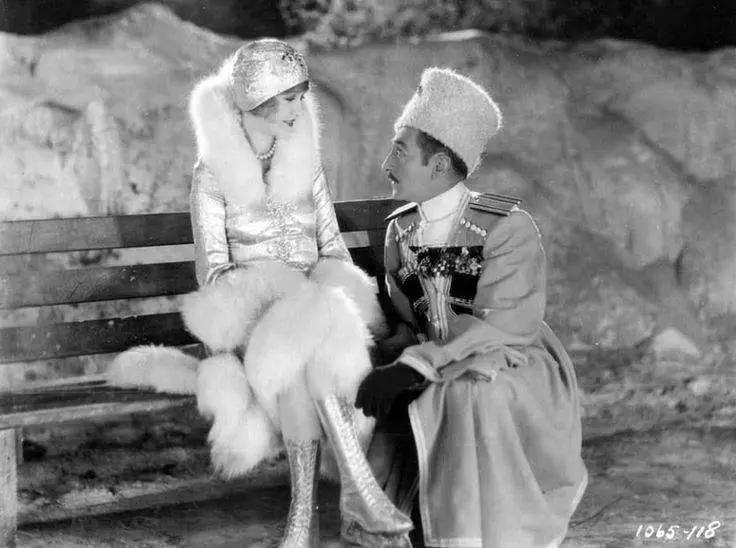
This film fails because its inherent pacing, typical of the era, can feel glacial to contemporary audiences, and its ultimate resolution, while charming, lacks the narrative complexity we've come to expect.
You should watch it if you appreciate the artistry of silent film, particularly the expressive capabilities of actors like Adolphe Menjou, and are willing to engage with a story told through a different cinematic language.
Adolphe Menjou, as Albert Leroux, is the undeniable anchor of Service for Ladies. His performance is a clinic in silent acting, displaying a range that oscillates between dignified professionalism and the private agony of unrequited love. Menjou doesn't just act; he embodies the character with a precision that makes every gesture, every tilt of his head, speak volumes.
Consider the scene where Leroux first observes Elizabeth Foster across the bustling hotel dining room. Menjou's eyes, initially scanning the room with professional detachment, catch hers. The subtle, almost imperceptible softening of his gaze, followed by a quick, self-correcting return to his rigid posture, perfectly articulates the sudden jolt of emotion and the immediate societal self-censure.
This isn't broad, theatrical pantomime; it's understated, internal work that relies on facial micro-expressions and body language. Menjou's Leroux carries his heartbreak with a quiet elegance, making his character deeply sympathetic without ever resorting to overt melodrama, a pitfall many silent actors struggled to avoid.
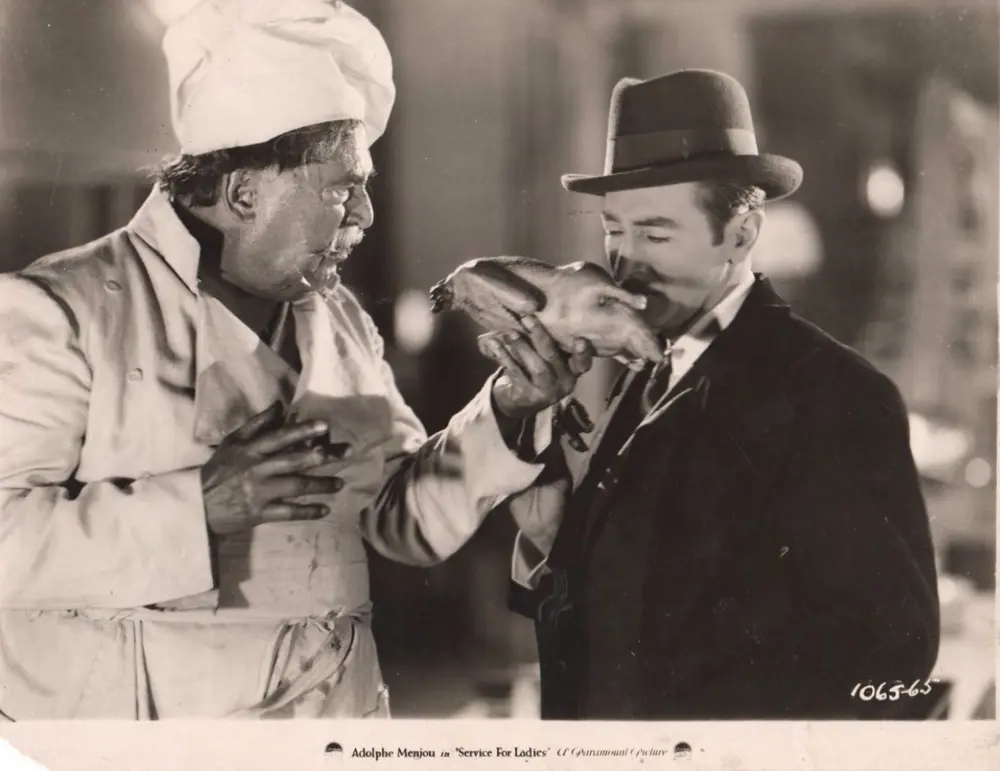
His comedic timing, too, is impeccable. A moment where he accidentally spills a tray near Elizabeth, only to recover with an exaggerated flourish of politeness, provides genuine, unforced laughter. It highlights his character's plight: even in a moment of personal crisis, the headwaiter's professionalism must never waver. Menjou's ability to blend these two facets – the romantic fool and the consummate professional – is the film's beating heart.
Compared to some of his contemporaries, Menjou possessed a unique blend of sophistication and accessibility. He could play the dandy, the rogue, or in this case, the earnest, lovestruck servant, all with a believable depth. While not as physically dynamic as a Chaplin or Keaton, his strength lay in his psychological realism, a rare quality in an era often defined by grand gestures.
While specific directorial credit isn't provided in the plot, the visual execution of Service for Ladies, shaped by writers George Marion Jr., Chandler Sprague, Ernest Vajda, and Benjamin Glazer, demonstrates a keen understanding of silent film aesthetics. The filmmakers effectively use the Parisian hotel setting to delineate class and create visual contrast.
The bustling, meticulously organized chaos of the hotel's service corridors, often shot with a slightly disorienting energy, stands in stark opposition to the elegant, spacious, and often static frames of the dining rooms and private suites. This visual juxtaposition isn't just scenic; it's thematic, reinforcing Leroux's dual existence.
The use of close-ups is judicious and impactful, particularly when focusing on Menjou's face to convey his inner turmoil or Elizabeth Foster's (Kathryn Carver) expressions of polite amusement or dawning realization. These moments prevent the narrative from becoming too detached and create a sense of intimacy with the characters.
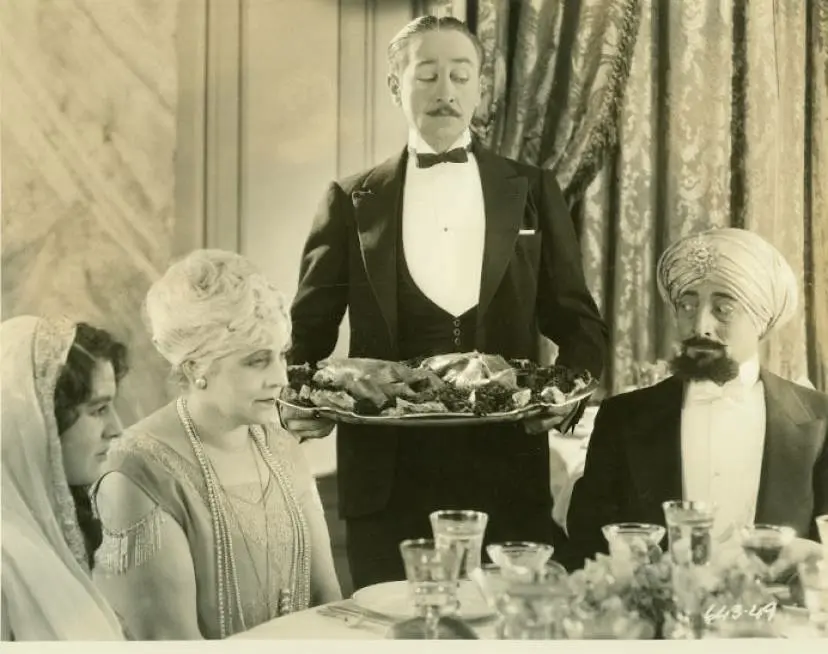
However, the cinematography, while competent, rarely ventures into the truly innovative or groundbreaking. It serves the story well but doesn't push the boundaries of visual language in the way some other silent films of the late 1920s were beginning to do. There are no sweeping crane shots or particularly complex tracking movements that would rival, say, the visual ambition of F.W. Murnau's work in Revelation or even the playful compositions of Fig Leaves.
The reliance on intertitles is fairly standard for the period, but they are generally well-integrated, providing necessary exposition or character dialogue without feeling overly verbose. The balance struck here is crucial; too many intertitles can bog down a silent film, while too few can leave audiences confused. Service for Ladies largely gets this right.
The pacing of Service for Ladies is perhaps its most challenging aspect for a modern audience. It unfolds with a deliberate, almost leisurely rhythm that allows scenes to breathe and emotions to slowly develop. This is characteristic of many films from the silent era, which expected a different kind of audience engagement, one less accustomed to rapid-fire editing.
There are moments, particularly in the initial setup of Leroux's infatuation, where the narrative stretches its observations, allowing the viewer to fully absorb the social dynamics at play. While this can contribute to a richer understanding of the characters' internal states, it can also lead to a sense of slowness, especially when compared to the briskness of contemporary romantic comedies.
The tone, however, is remarkably consistent and effective. It's a gentle comedy of manners, imbued with a romantic undercurrent that never veers into saccharine sentimentality. The humor is often observational, derived from the awkwardness of Leroux's situation and the subtle ironies of class distinction. There’s a particular scene involving a misunderstanding about a lost item that, while extended, perfectly captures the farcical potential of the hotel environment.
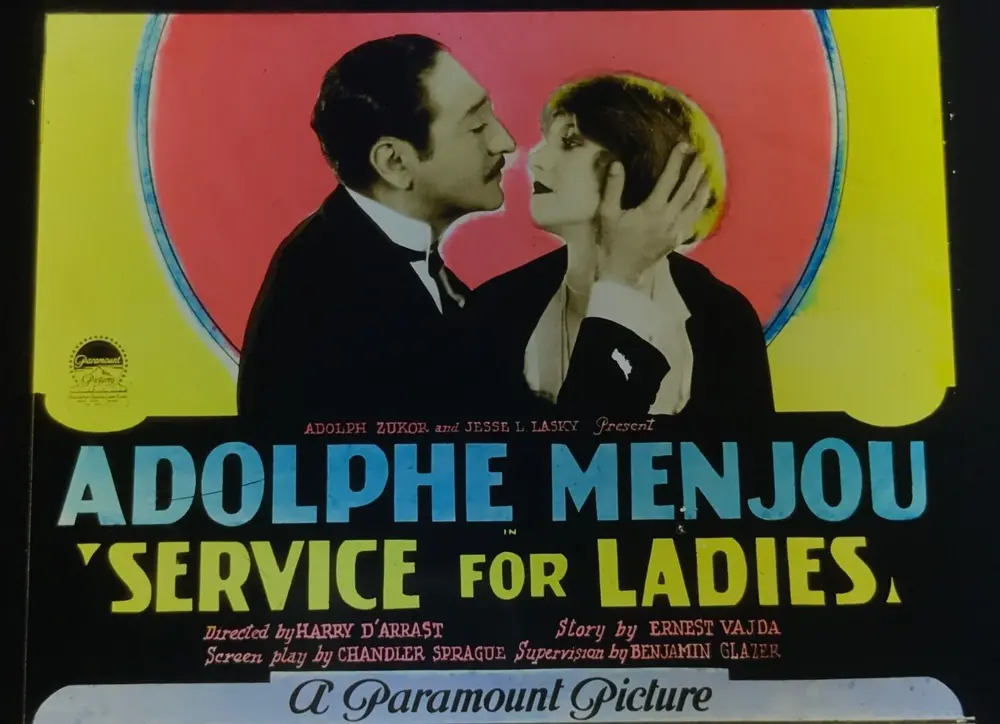
The film manages to maintain a lightheartedness even when exploring Leroux's genuine anguish, a testament to the writers' ability to balance pathos with comedic relief. It's a tricky tightrope walk, but Service for Ladies executes it with a surprising degree of finesse, avoiding the trap of becoming either too serious or too silly.
The plot of Service for Ladies, at its core, is a classic 'love across social divides' story, a trope that has been revisited countless times throughout cinematic history. What distinguishes it here is its silent-era execution and the specific comedic lens through which it's viewed. The conviction that Elizabeth will 'never admire a waiter' is not just a personal insecurity for Albert; it's a societal dictate.
The writers, George Marion Jr., Chandler Sprague, Ernest Vajda, and Benjamin Glazer, construct a narrative that subtly critiques these rigid social structures while simultaneously reveling in the romantic fantasy they create. The story isn't about tearing down the system, but rather finding a way for individual desire to navigate within it.
The theme of appearance versus reality is central. Leroux, in his uniform, is a servant; outside of it, he could be anyone. The film plays with this idea of identity, exploring how one's profession can both define and obscure who they truly are. It's a surprisingly sophisticated exploration for a film of its time, hinting at the fluidity of identity that would become more prominent in later decades.
While the narrative arc is largely predictable – we know, or at least hope, that love will find a way – the enjoyment comes from the journey, from watching Menjou's character navigate his predicament with such understated charm. It doesn't offer groundbreaking twists, but rather a comforting familiarity executed with quiet competence.
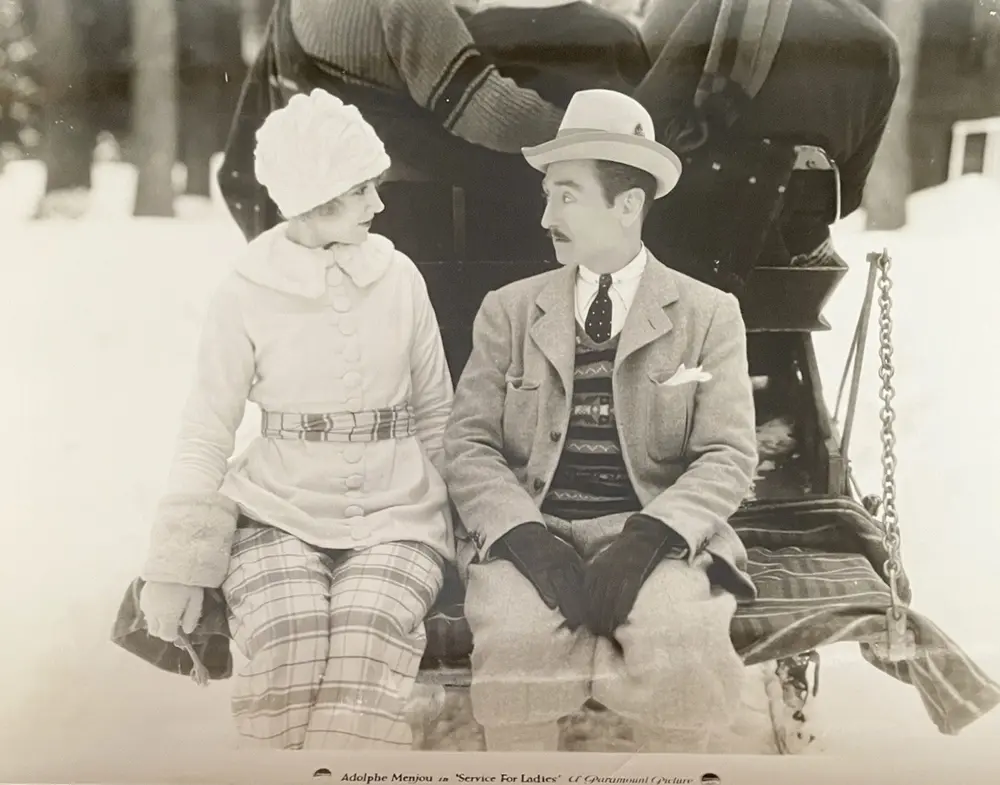
While Adolphe Menjou rightfully commands the screen, the supporting cast, though given less opportunity to shine, contributes effectively to the film's atmosphere. Kathryn Carver as Elizabeth Foster, the object of Leroux's affection, embodies the elegance and slight detachment of her social standing. Her performance is less about overt emotion and more about conveying a sophisticated innocence, a woman gradually awakening to the genuine qualities of a man she initially dismisses as merely a part of the hotel's furniture.
The various background players, from the hotel staff to the eccentric guests, contribute to the vibrant, bustling atmosphere of the Parisian hotel. While many are nameless faces, their collective presence grounds the story in a believable environment. Charles Lane, for instance, in a smaller role, adds a touch of comedic relief with his specific mannerisms, demonstrating the importance of even minor roles in creating a rich cinematic world.
Yes, Service for Ladies is worth watching if you are curious about silent film history and appreciate the nuanced performances of actors like Adolphe Menjou. It offers a charming, if slow, romantic comedy experience. However, be prepared for silent film conventions, including a reliance on intertitles and a pacing that differs significantly from modern cinema. It's a pleasant diversion, not a groundbreaking revelation, but its quiet charm can be quite captivating for the right audience.
For those who rarely venture into the silent era, this film could serve as a gentle introduction, though perhaps not the most electrifying. Its strengths lie in its character study and its understated humor, rather than grand spectacle or dramatic tension. It works. But it's flawed.
Service for Ladies is a film that asks for patience and rewards it with a quiet charm. It’s not a lost masterpiece, nor is it a film that will revolutionize your understanding of cinema. Instead, it’s a perfectly competent, often delightful, silent romantic comedy that leans heavily on the magnetic presence of Adolphe Menjou. His performance alone is reason enough to seek it out, serving as a masterclass in how much can be conveyed without a single spoken word. The film's gentle humor and exploration of class dynamics remain relevant, even if its narrative structure feels quaint by today's standards. While its pacing might try the attention span of some, those willing to immerse themselves in its silent world will find a genuinely sweet and engaging story. It's a testament to the enduring appeal of a well-told romance, even one nearly a century old.
IMDb —
1927
Community
Log in to comment.